

Cats are obligate carnivores, and their bodies simply aren’t built to process heavy loads of starch. Yet plenty of popular formulas pad their recipes with grains, potatoes, and fillers that do nothing for a feline’s metabolism. That mismatch shows up as weight gain, dull coats, and picky eating habits over time. This roundup sorts through eight low-carbohydrate options, from broth-rich wet foods to starch-free kibble, so you can match a formula to your cat’s age, appetite, and your own feeding routine.
The Shortlist At A Glance

TIKI PETS Cat After Dark Grain-Free Wet Food 2.8oz 12pk

Nulo Freestyle Grain-Free Minced Wet Canned Food Variety Pack

IAMS Proactive Health Healthy Weight Dry Cat Food Chicken 3.5 lb

Nulo FreeStyle Senior Dry Cat Food Alaska Pollock & Sweet Potato 4lb

Stella & Chewy’s Raw Coated Grain-Free Kibble Cage-Free Chicken 2.5lb
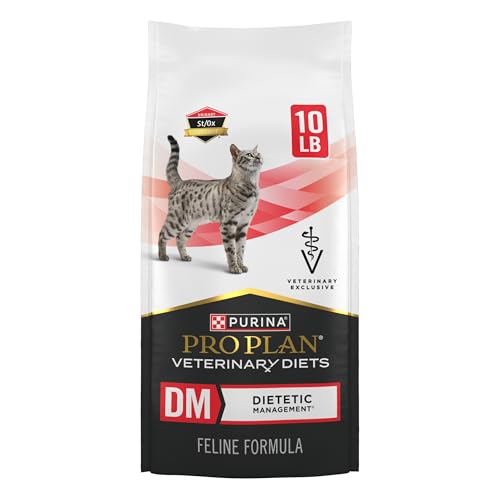
Pro Plan Veterinary Diets Purina DM Dietetic Management Dry Cat Food 10 lb

Wysong Epigen 90 Starch Free Canine Feline Dry Formula Chicken 5 lb

Tiki Cat Luau Wet Cat Food Succulent Chicken 6 oz Cans
More Details On Our Top Picks
This chicken and beef recipe leads with real shredded chicken, then layers in nutrient-dense organ meat suspended in savory broth. The texture mimics whole prey more closely than pâté-style cans, which matters for cats who turn up their noses at uniform mush.
In a busy household, the small 2.8-ounce cans are genuinely convenient: open one at mealtime, serve it fresh, and there’s no half-eaten can lingering in the fridge. The high moisture content also quietly covers part of a cat’s daily hydration needs, something dry-only diets can’t do.
Strong Points
- Real chicken is the first ingredient, backed by organ meat for a prey-like nutrient profile
- No grains or carbohydrate-heavy fillers, keeping the recipe aligned with a carnivore’s needs
- Broth-rich format adds supplemental water to every serving, helpful for cats who drink little
- Sized for kittens through adults, so one formula can cover a growing multi-age crew
Things To Consider
- The 2.8-ounce cans mean larger cats may need two per sitting, which adds up faster than bigger formats
- Shredded chunks in broth can be messier to scoop than firm pâté, so keep a spoon handy
Key Specs
Who It Suits Best
Cat owners who want a moisture-rich, meat-first wet food for a kitten-to-senior household without juggling multiple formulas.
Where A Sibling Pick Shines
Homes with big appetites will get better value from Tiki Cat Luau’s 6-ounce cans, covered later in this list.
Where the Tiki After Dark cans lean into chunky texture, Nulo takes a minced route: finely cut protein in gravy that suits cats with smaller mouths or dental sensitivity. The variety pack rotates beef and mackerel, salmon and turkey, plus turkey and duck, so dinner never gets predictable.
That rotation earns its keep in real kitchens. Cats are notorious for tiring of a single flavor after a few weeks, and owners commonly report that mixed cases slow down that boredom cycle considerably. Each 3-ounce can is grain-free and built around animal-based protein to support lean muscle.
What We Like
- Three flavor pairings in one case keeps mealtime interesting for fickle appetites
- Minced texture works well for kittens, seniors, and cats with dental issues
- High animal-protein recipes support lean muscle and steady energy
Minor Gripes
- Some cats favor one flavor over the others, leaving odd cans behind in the rotation
- Minced gravies can dry out quickly in an uncovered bowl, so serve promptly
Made For
Owners of flavor-bored cats who want a grain-free wet food rotation without buying three separate cases.
Swap It Out When
A cat who prefers visible shreds over minced texture will likely do better with the TIKI PETS After Dark cans above.
Not every budget stretches to premium canned rotations, and that’s where IAMS slots in. This healthy-weight dry formula puts real chicken first and builds its Proactive 5 framework around five health areas: muscles, energy, digestion, immune function, and skin and coat.
It’s a sensible stepping stone rather than a strict low-starch kibble, so weigh expectations accordingly. For an indoor cat carrying a few extra ounces, portion-controlled servings of this recipe offer an affordable way to manage intake while keeping protein levels respectable.
Upsides
- Real chicken leads the ingredient list, a rarity at this price tier
- Weight-management framing helps control calories for less-active indoor cats
- Available in sizes from 3.5 up to 22 pounds, so bulk storage is easy
Small Caveats
- As a dry kibble, it won’t deliver the moisture content wet foods provide
- Carbohydrate levels run higher than the dedicated low-carb picks here, so strict plans should look elsewhere
Right Fit For
Budget-conscious owners of indoor adult cats who need affordable weight support more than ultra-low starch levels.
Another Choice May Suit
Anyone wanting genuinely minimal carbohydrates in a dry format should step up to the Wysong Epigen 90 formula further down this list.
Senior cats face a specific problem: muscle loss accelerates with age, yet many senior formulas quietly trade protein for digestibility. Nulo flips that script with Alaska pollock as the first ingredient and roughly 78% of its protein coming from animal sources, aimed squarely at preserving lean mass.
The metabolic side is handled by L-carnitine, an amino-acid compound that helps the body convert fat into energy, paired with natural fiber for satiety. Small disc-shaped kibble encourages proper chewing, which older teeth appreciate. BC30 probiotics and prebiotic fibers round out gut support, and omega fatty acids from fish and salmon oil tend to show up visibly in coat condition within weeks, based on what owners commonly report.
Bright Spots
- 78% animal-based protein supports strength and daily vitality in aging cats
- L-carnitine and fiber promote fat metabolism and lean body condition
- BC30 probiotics plus prebiotics aid digestion and nutrient absorption
- No corn, wheat, soy, rice, white potato, or tapioca anywhere in the recipe
- Omega-3 and omega-6 blend supports skin hydration and heart function
Points To Note
- The 4-pound bag runs smaller than typical senior formulas, so multi-cat homes may want the 14-pound option
- Fish-forward recipes carry a stronger aroma some owners notice when storing the bag
Feature Snapshot
Whose Shelf It Belongs On
Homes with cats aged seven and up that need muscle-preserving, metabolism-aware nutrition in a convenient dry format.
Reach For A Different Pick When
Younger adults with weight concerns fit the IAMS Healthy Weight formula better, since this recipe targets senior physiology specifically.
Freeze-dried raw coating changes everything about how a kibble lands with a skeptical cat. Stella & Chewy’s dusts each piece of cage-free chicken kibble with raw, which delivers the aroma and taste of fresh meat while keeping the convenience of dry food. Finicky eaters are the entire reason this product exists.
The numbers back the concept: 65 to 70% animal protein, structured around what a wild feline would actually consume. Small kibble pieces suit kittens, seniors, and cats with dental trouble, and natural fiber plus probiotics keep digestion gentle during transitions.
Reasons To Buy
- Freeze-dried raw coating delivers meat aroma that selective cats respond to
- 65-70% animal protein mirrors ancestral, prey-style nutrition
- Small kibble size accommodates kittens, seniors, and dental-sensitive cats
- Probiotics and fiber support gentle digestion day to day
Softer Spots
- The raw coating means the bag should be sealed tightly between meals to preserve freshness and aroma
- Smaller 2.5-pound bags mean frequent reordering for multi-cat homes
At A Glance
Who Will Love This
Owners battling a stubbornly picky cat who rejects standard kibble but refuses the hassle of full raw feeding.
Not Your Match When
Cats already thriving on the Nulo FreeStyle Senior recipe don’t need the raw-coating premium unless appetite fatigue sets in.
This is the therapeutic option on the list, formulated under veterinary direction rather than general wellness marketing. The DM Dietetic Management recipe pairs low carbohydrate levels with high protein specifically to help support healthy glucose levels in cats, alongside maintaining lean body mass.
One detail worth flagging: St/Ox Defense engineering promotes a urinary environment unfavorable to struvite and calcium oxalate crystal development, two common feline urinary concerns. A 10-pound bag also stretches further than most specialty diets, softening the cost per serving. Veterinary guidance is expected before switching to this formula, and that’s appropriate given its purpose-built nature.
Plus Points
- Low-carb, high-protein design supports healthy glucose levels
- St/Ox Defense promotes a urinary environment hostile to struvite and calcium oxalate crystals
- High protein content helps maintain lean mass and ideal body condition
Worth Noting
- Intended for vet-supervised feeding, not casual everyday swapping
- Specialty pricing runs above mainstream grocery brands per pound
Quick Facts
Who Should Grab It
Cats whose veterinarians have recommended dietary glucose support and whose owners want a proven therapeutic dry formula.
Look Elsewhere When
Healthy cats with no veterinary directive belong on a general low-carb diet like the Tiki Cat Luau wet food instead.
Most “grain-free” kibbles swap grains for potatoes or tapioca, which are still starch. Wysong’s Epigen 90 skips that sleight of hand entirely, positioning itself as the first extruded dry diet formulated without starch, closer to what a carnivore’s digestive system expects.
The dual-species angle is unusual and practical: one bag feeds both dogs and cats in a mixed household, simplifying pantry logistics. Wysong packs in probiotics, prebiotics, enzymes, phytonutrients, and natural-form antioxidants, along with substantial meat content including organic sources and omega-3 fatty acids. One caution worth respecting: the formula is very nutrient dense, and the brand advises introducing it slowly per the feeding guidelines to avoid digestive upset.
Standout Traits
- Genuinely starch-free formulation goes beyond typical grain-free claims
- Works for both dogs and cats, streamlining multi-pet feeding
- Includes probiotics, prebiotics, enzymes, and natural antioxidants
- Rich in omega-3s and other essential fatty acids
- Doubles as a protein booster or meal supplement for other diets
Areas To Watch
- Nutrient density demands a gradual transition over a week or more
- Shared dog-cat labeling means it isn’t tailored to feline-specific life stages
Core Details
Built With In Mind
Experienced pet owners running low-carb households with both dogs and cats who want a single shared kibble.
Consider Something Else When
Single-cat homes wanting age-specific nutrition will find the Nulo FreeStyle Senior formula more precisely targeted.
The Luau line shares Tiki’s biologically appropriate philosophy with its After Dark sibling, but trades the shredded-prey presentation for flaked chicken in broth within a generous 6-ounce can. Zero carbohydrates and no added hormones make the label refreshingly short.
Those bigger cans change the economics for multi-cat homes: one can covers two average cats at dinner instead of opening three small ones. The broth-processing approach suits all life stages, and bulk 64-count packaging exists for households that go through wet food quickly. Leftover portions need refrigeration, so plan servings accordingly.
Highlights
- Zero-carb chicken recipe aligned with a cat’s natural prey profile
- 6-ounce cans feed multiple cats or split across two meals
- No hormones or antibiotics, with sustainably sourced ingredients
- Broth base contributes meaningful daily hydration
Honest Caveats
- Opened cans require refrigeration and are best used within a couple of days
- Single-cat owners may find the large format produces more leftovers than they’d like
The Right Fit
Two-plus cat households that want bulk-friendly, zero-carb wet food without sacrificing ingredient quality.
Where Another Pick Suits Better
Solo cats do better with the smaller TIKI PETS After Dark cans, which minimize waste at every meal.
What Matters Most Before Choosing Low Carbohydrate Cat Foods
Read Past The Front Label
“Grain-free” doesn’t automatically mean low carb. Many formulas replace grains with potatoes, tapioca, or peas, which still convert to sugar during digestion. Flip the bag and check whether starch sources appear high in the ingredient list, or look for brands that publish guaranteed carbohydrate analysis directly.
Match Format To Your Routine
Wet foods naturally carry fewer carbohydrates and far more moisture, which benefits cats prone to dehydration or urinary issues. Dry foods win on convenience, cost per calorie, and free-feeding flexibility. Plenty of owners land on a hybrid: wet food for breakfast and dinner, measured kibble for daytime grazing.
Factor In Life Stage And Health Status
Kittens need calorie-dense growth nutrition, seniors benefit from muscle-preserving protein like L-carnitine-supported formulas, and cats with specific medical concerns may need therapeutic diets prescribed by a veterinarian. Age-appropriate selection matters as much as carbohydrate content itself.
Budget For The Long Haul
Premium low-carb foods cost more per serving, but portion density often offsets some of that gap. Calculate monthly cost based on your cat’s actual daily intake before committing, especially for multi-cat homes where a 64-count case beats buying small packs repeatedly.
Key Considerations Across These Picks
Traps First Timers Fall Into
The biggest mistake is trusting marketing language over the ingredient panel. A bag labeled “grain-free” can still be loaded with sweet potato or tapioca starch. Another common slip is switching foods overnight, which commonly triggers digestive upset; transition gradually over seven to ten days regardless of which formula you choose.
What Separates Premium From Basic
Higher-tier formulas spend their budget on named animal proteins, functional additives like probiotics and L-carnitine, and tighter quality sourcing. Basic recipes lean on plant proteins and generic fillers. The upgrade pays off most for cats with weight issues, seniors losing muscle, or picky eaters who reject cheaper textures.
Frequently Asked Questions
Are low carbohydrate diets safe for healthy cats?
Yes, for most healthy adult cats a meat-forward, low-carb diet aligns well with feline physiology. Any significant diet change deserves a quick conversation with your veterinarian first.
Do cats need carbohydrates at all?
Cats have no essential dietary requirement for carbohydrates. Their bodies derive energy efficiently from protein and fat, which is why low-carb formulas suit them so well.
Is wet food always lower in carbs than dry?
Generally yes, because wet foods contain more meat and moisture and less need for binding starches. Some dry formulas achieve low carb levels too, but you’ll pay a premium for them.
How long does a food transition take?
Plan on seven to ten days, mixing increasing amounts of the new food into the old. Rushing the switch commonly causes loose stools or outright refusal.
Can kittens eat low carbohydrate food?
Kittens thrive on high-protein, moderate-fat diets, and several picks here cover all life stages. Confirm the label states complete nutrition for growth before committing.
Closing Remarks
Feeding a cat the way its biology intends doesn’t require exotic ingredients or complicated routines, just attention to what leads the ingredient list. Start with your cat’s age and any veterinary guidance, pick the format that fits your schedule, and transition slowly. Your cat’s energy and coat will tell you whether you got it right.
