

Calm dogs suit apartment living, busy work schedules, and anyone who’d rather stroll than sprint. The catch is that a mellow companion still needs the right food, training approach, and breed match to stay healthy and settled. This roundup gathers eight products that support that lifestyle: breed guides for choosing wisely, a training system for overstimulated pups, and small-breed formulas built for slower metabolisms and senior joints. Each entry below breaks down what it does well, where it falls short, and who it genuinely fits.
The Shortlist At A Glance

VICTOR Grain Free Ultra Pro Dry Dog Food, 5 lb

The High-Energy Dog Solution by Maxine Rowe

Complete Guide to Hypoallergenic Puppy Breeds (Kindle)
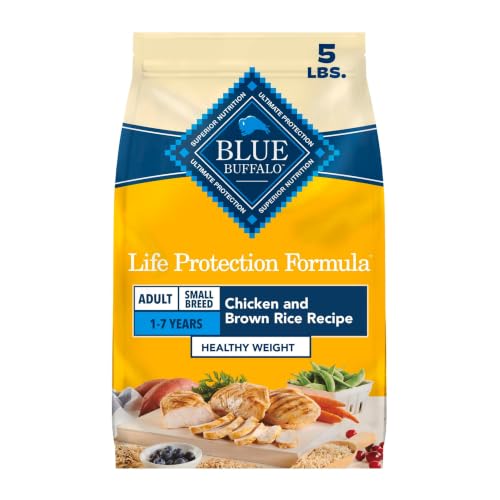
Blue Buffalo Life Protection Healthy Weight Small Dog Food, 5 lb

Jinx Grain Free Small Breed Salmon Dry Food, 4 lb

Complete Guide to Hypoallergenic Puppies (Print)

Health Extension Little Bites LITE Chicken & Brown Rice, 4 lb

Blue Buffalo Life Protection Small Senior Dog Food, 5 lb
More Details On Our Top Picks
VICTOR built Ultra Pro as its densest recipe: a multi-protein blend drawing on chicken, beef, pork, and fish meals, with 42% protein and the brand’s lowest carbohydrate count in a grain free format. That profile targets dogs with serious physical demands, which sounds odd in a calm-dog roundup until you remember sporting breeds like field-line Labs often burn enormous energy on weekends and lounge all week.
The formula suits all life stages, so one bag can carry a young dog through adulthood. Owners commonly report the kibble holds up well in storage thanks to the resealable-style packaging common to the line, though the 5 lb size disappears fast with large breeds.
Strong Points
- 42% protein from multiple animal sources supports lean muscle through heavy activity days
- Grain free formulation suits dogs with grain sensitivity
- Nutrient density means smaller portions per meal compared with lighter formulas
- Ingredients chosen to support skin, coat, and immune function
Things To Consider
- This much protein can overshoot the needs of a truly sedentary house dog, so portion control matters
- Grain free diets remain a topic vets like to discuss before switching, worth a quick conversation first
Key Specs
Who It Suits Best
Owners of sporting or working breeds that alternate between intense exercise and long couch recovery stretches.
Where Another Pick Suits Better
A truly laid-back small dog will do better on Blue Buffalo’s Healthy Weight small-breed formula, which balances calories for slower metabolisms.
Not every restless dog needs more walks. Maxine Rowe’s guide takes the opposite position: endless exercise can actually build stamina and make an overstimulated dog harder to settle. The book lays out daily routines and step-by-step training aimed at building focus, emotional control, and obedience that holds up in real situations rather than just quiet living rooms.
It’s written for owners whose dogs seem permanently on edge, reactive to every sound, or unable to listen once excitement takes over. The structure favors consistency over intensity, which fits apartment dwellers and busy households well. Results depend heavily on sticking with the routine, so impatient readers may find the pace slow at first.
What We Like
- Teaches calming methods that don’t rely on marathon exercise sessions
- Step-by-step format makes the system easy to follow for first-time trainers
- Targets real-world listening, not just parlor tricks
Worth Noting
- Progress requires daily repetition, commonly reported as the make-or-break factor among readers
- Severe behavioral issues still warrant a professional trainer alongside any book program
Made For
Exhausted owners of hyperactive or reactive dogs who want a structured, repeatable daily plan instead of more fetch.
Consider Something Else When
You’re still choosing a breed rather than training one; Lauri Farrell’s hypoallergenic puppy guide covers temperament selection before adoption.
Choosing a calm, low-shedding breed starts long before kibble enters the picture. Lauri Farrell’s Kindle guide profiles 20 popular hypoallergenic breeds, giving allergy-conscious families a way to compare temperament, grooming load, and household fit side by side. The digital format reads on any device, which makes it handy for browsing shelters or breeder listings on your phone.
Many of the breeds covered skew toward companion-dog temperaments, so the guide doubles as research for lower-energy households. The honest limitation: no book replaces meeting individual dogs, since personality varies within every breed.
Bright Spots
- Twenty breed profiles let you compare energy levels and coat care in one place
- Instant delivery and cross-device reading suit on-the-go research
- Family-focused framing helps households with kids weigh compatibility
Small Caveats
- Hypoallergenic claims vary by individual dog, a point allergists consistently emphasize
- Digital-only format won’t suit readers who prefer flipping physical pages
Right Fit For
Allergy-prone families early in their breed research who want a broad comparison before visiting breeders or rescues.
Look Elsewhere When
You already own your dog and need behavior help; The High-Energy Dog Solution addresses training rather than selection.
Low-energy small breeds gain weight easily, and this Blue Buffalo recipe exists precisely for them. Real chicken leads the ingredient list, followed by wholesome carbohydrates sized for a modest calorie budget. The kibble comes in small bites suited to smaller jaws, and the chicken-and-brown-rice base sits alongside lamb and standard Life Protection variants if you want rotation options.
In a typical apartment setting, where a Cavalier or Shih Tzu gets two short walks a day, the caloric balance here matters more than raw protein percentage. Compared with VICTOR’s Ultra Pro earlier in this list, this formula trades athletic fueling for everyday moderation, which is exactly what most lap dogs need.
Upsides
- Real chicken as the first ingredient supports lean muscle without excess calories
- Caloric balance designed specifically for weight management in small adults
- Small-bite kibble suits tiny mouths and picky chewers
- Natural ingredients enhanced with vitamins and minerals for complete daily nutrition
Trade Offs
- Formulated for adults only, so puppies need a growth-stage recipe instead
- Some owners report picky dogs tire of the flavor faster than richer fish-based recipes
At A Glance
Who Will Love This
Apartment owners of less active adult small breeds watching their dog’s waistline between vet visits.
Another Choice May Suit
Grain-sensitive dogs often do better on Jinx’s salmon small-breed recipe, which skips grains entirely while keeping protein high.
Where Blue Buffalo leans on chicken and brown rice, Jinx builds its small-breed recipe around Atlantic salmon paired with sweet potato. Fish-first formulas appeal to owners chasing coat shine and dogs with poultry sensitivities, and the grain free base widens the fit further. The lineup spans a 4 lb trial bag up to a 30 lb commitment, plus a beef large-breed variant for mixed households.
The nutrient-dense framing means modest portions go a long way, useful for small dogs whose daily ration barely fills a measuring cup. One practical note: fish-based kibble carries a stronger odor than chicken recipes, something multiple owners mention when storing bags indoors.
Reasons To Buy
- Real Atlantic salmon leads the recipe, delivering quality protein for lean muscle
- Sweet potato adds digestible carbohydrates without grains
- Size range from 4 lb to 30 lb fits both sampling and stock-up shopping
- Poultry-free base suits dogs with chicken sensitivities
Points To Note
- Fish recipes tend to smell stronger; airtight storage solves most complaints
- Grain free formulations deserve a vet conversation before switching, same caveat as VICTOR above
Quick Facts
Perfect Match For
Small-breed owners wanting a premium fish-forward diet for a moderately active companion dog.
Skip It When
Your priority is strict calorie control for an overweight dog; Health Extension’s Little Bites LITE cuts fat far more aggressively.
This is the print edition of Lauri Farrell’s breed guide, covering the same 20 popular low-shedding breeds as the Kindle version listed earlier. The difference comes down to how you read: a physical copy lives on the coffee table, survives being passed between family members, and works during those long decision-making conversations where everyone wants to see the same page.
Content-wise you get the same comparative profiles of temperament, coat care, and family fit. Households that annotate, bookmark, and revisit research over months generally prefer print; commuters and shelter-visit browsers will favor the Kindle edition three slots up.
Plus Points
- Physical format suits shared family decision-making and margin notes
- Twenty breed profiles cover the mainstream hypoallergenic landscape
- No device or battery required, always ready on the shelf
Softer Spots
- No search function, so finding a specific breed means flipping pages
- Same core content as the cheaper digital edition, choose based on format preference alone
Best Suited To
Families who research together around the kitchen table and want a durable reference they’ll revisit for years.
Reach For A Different Pick When
Portability matters more than permanence; the Kindle version handles on-the-go comparisons better.
Spayed, neutered, and naturally sluggish toy breeds are the classic weight-gain candidates, and Health Extension built this LITE version directly for them. Fat content drops 50% below the regular Little Bites chicken-and-brown-rice recipe, while feeding amounts stay identical so small stomachs still feel full. Deboned chicken leads, brown rice follows, and more than 30 superfoods including turmeric, coconut oil, blueberries, and cranberries round out the mix.
The bite-sized kibble targets teacup and toy mouths specifically, and there are no artificial flavors, colors, preservatives, corn, wheat, or soy. Among the food picks here, this is the most purpose-built option for a genuinely sedentary little dog.
Standout Traits
- Half the fat of the standard recipe supports healthy weight in low-activity dogs
- Same portion volume keeps small dogs satisfied despite fewer calories
- Over 30 superfood ingredients add natural nutritional variety
- Clean label with no corn, wheat, soy, or artificial additives
Room For Improvement
- The 4 lb bag runs out quickly even for tiny dogs, so frequent reordering is common
- LITE formulas aren’t intended for growing puppies or highly active dogs needing more calories
Core Details
Who Should Grab It
Owners of spayed, neutered, or senior toy breeds whose activity level has dropped but appetite hasn’t.
Where A Sibling Pick Shines
Younger small dogs maintaining weight rather than losing it will find Blue Buffalo’s Healthy Weight formula a better everyday balance.
Senior small breeds are the natural endpoint of the low-energy lifestyle, and Blue Buffalo’s senior formula anticipates what aging changes. Real chicken still leads, but glucosamine and chondroitin join the mix to support hips and joints, while the brand’s LifeSource Bits deliver antioxidants and vitamins processed at lower temperatures to preserve potency. The kibble stays small-bite sized for older, smaller jaws.
Veterinarians and animal nutritionists shape the formula, according to the company. Compared with the Healthy Weight version reviewed earlier, this one prioritizes mobility support over calorie trimming, so overweight seniors might pair it with stricter portions.
Highlights
- Glucosamine and chondroitin target joint comfort in aging dogs
- LifeSource Bits add antioxidant and vitamin support via cold-formed pieces
- Small-bite kibble accommodates worn teeth and smaller jaws
- Chicken-first recipe maintains muscle mass in later years
Honest Caveats
- Not calorie-reduced, so sedentary seniors prone to weight gain need careful portioning
- LifeSource Bits sometimes get picked around by fussy eaters, a pattern owners frequently mention
Feature Snapshot
The Right Fit
Owners of small-breed seniors entering their golden years who want joint and immune support in one daily bowl.
Swap It Out When
Weight control outranks joint support for your dog; the LITE recipe from Health Extension trims fat far more sharply.
What Matters Most Before Choosing Low Energy Dog Breeds
Match Energy To Your Actual Schedule
Be honest about the exercise you’ll provide weekly, not aspirationally. A Basset Hound content with two short walks differs enormously from a Shih Tzu that still needs daily play and grooming. Apartment dwellers should weigh barking tendencies alongside energy, since a quiet couch companion beats an athletic one in shared buildings.
Factor In Size And Lifespan
Smaller calm breeds often live longer, which means a 15-year feeding and veterinary commitment. Toy breeds also eat less, so premium food costs stay manageable, but their tiny jaws demand small-bite kibble like the formulas covered above.
Grooming And Coat Reality
Many low-shedding breeds trade shedding for regular brushing appointments. Budget time or grooming fees before falling for a curly-coated companion, because matting becomes painful quickly.
Age Changes Everything
Puppies of any breed arrive energetic. A calm adult or senior rescue delivers the mellow temperament immediately, and senior-specific nutrition such as joint-support formulas keeps those quieter years comfortable.
Key Considerations Across These Picks
Traps First Timers Fall Into
The biggest mistake is matching a breed photo instead of a breed temperament. Calm-looking dogs can still be stubborn or vocal, so read behavior profiles thoroughly. Second trap: switching foods abruptly. Transition over a week or so to avoid digestive upset, and loop in your veterinarian before grain free or reduced-fat changes.
The Case For Spending Up
Premium formulas justify cost through named animal proteins first on the list, added functional ingredients like glucosamine or superfoods, and tighter quality control. For a small dog eating half a cup daily, the price gap per month shrinks dramatically, making the upgrade easier to sustain long term.
Frequently Asked Questions
Which low energy dog breeds suit apartments best?
Cavalier King Charles Spaniels, French Bulldogs, and Basset Hounds adapt well to smaller spaces. All three stay content with short daily walks and indoor downtime.
Do calm dogs still need daily exercise?
Yes, every dog benefits from consistent light activity. Low-energy breeds typically thrive on two short walks plus gentle play rather than intense sessions.
Are grain free diets necessary for low-energy dogs?
No, grain free matters mainly for diagnosed sensitivities. Discuss your dog’s specific needs with a veterinarian before committing either direction.
Is a senior dog a good choice for a quiet household?
Often the ideal match. Adult and senior rescues already display their full temperament, skipping the chaotic puppy phase entirely.
How do I keep a low-energy dog at a healthy weight?
Measure meals precisely and choose a calorie-appropriate formula. Reduced-fat recipes exist precisely because these dogs burn fewer calories than their appetites suggest.
Closing Thoughts
A calm dog rewards you with a quieter home, but the right setup makes the difference between mellow and miserable. Match the breed to your schedule, feed for the metabolism in front of you, and train with consistency rather than exhaustion. Start with the guide that fits your stage, whether that’s choosing a breed or settling the one already asleep on your sofa.
