

A pancreatitis diagnosis changes how you shop for dog food overnight. Fat becomes the enemy, and every label suddenly gets read twice. This roundup gathers eight low fat options, from veterinary therapeutic formulas to everyday reduced-fat kibble, so you can match the right one to your dog’s situation and your vet’s guidance.
The Shortlist At A Glance

Nutrish Healthy Weight Wet Dog Food Paté 13 oz, 12 Pack

Hill’s i/d Low Fat Digestive Care Wet Dog Food
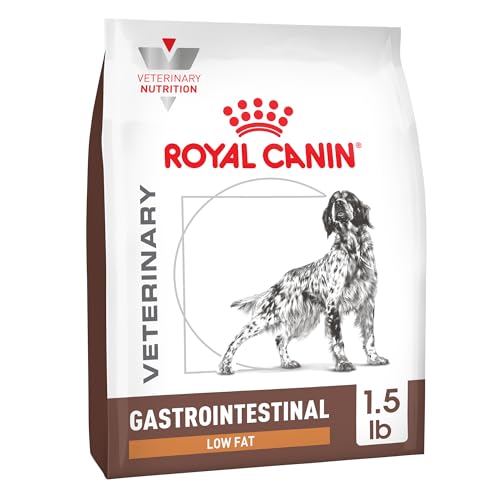
Royal Canin GI Low Fat Adult Dry Dog Food 1.5 lb

Dave’s Pet Food Bland Diet Chicken & Rice 12 pk

Eagle Pack Natural Reduced Fat Dry Dog Food 30 lb

CANIDAE Pure Duck & Sweet Potato 22 lb
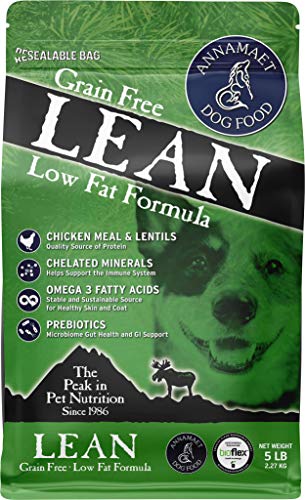
Annamaet Grain-Free Lean Chicken & Duck 5 lb

Nulo FreeStyle Adult Trim Cod & Lentils 6 lb
More Details On Our Top Picks
Wet food earns its place on a pancreatitis shopping list because soft textures and visible moisture make meals easier to accept when appetite dips. Rachael Ray Nutrish builds this paté around a weight-management formulation for adult dogs, sold here as twelve 13-ounce cans in a beef-and-chicken variety pack.
The lineup rotates through beef and pumpkin, chicken and apple, chicken with pumpkin and salmon, and turkey and pumpkin, which keeps dinner interesting without constant repurchasing. Owners of picky eaters commonly report the paté texture goes down easily, though you may find the variety pack means checking each can’s recipe against your vet’s fat ceiling.
Strong Points
- Four rotating recipes reduce mealtime boredom over a long recovery stretch
- Paté consistency suits older dogs or those with dental sensitivity
- Formulated to support healthy weight, useful alongside fat restriction
- Twelve-can pack covers roughly two weeks for a mid-size dog
Things To Consider
- This is a weight-management line, not a veterinary therapeutic diet, so confirm the fat content fits your dog’s specific plan
- Opened cans need refrigeration and finish within a couple of days
Who Should Grab It
Fits households managing an adult dog’s weight who want affordable wet food with recognizable ingredients rather than a prescription product.
A Better Fit Elsewhere
Dogs needing clinically managed digestion do better on Hill’s i/d Low Fat Digestive Care, reviewed next.
Hill’s Prescription Diet sits at the top of most vets’ recommendation lists for a reason: this canned stew is formulated by the brand’s nutritionists and veterinarians specifically for dogs that need a low fat formula while their digestion settles. The rice, vegetable, and chicken stew comes in 12.5-ounce cans by the dozen, plus smaller 5.5-ounce portions for toy breeds or gradual reintroduction after a flare-up.
The ActivBiome+ ingredient technology is designed to activate the gut microbiome quickly, and omega fatty acids round out the profile. In practice, that combination matters most during the weeks right after diagnosis, when every meal either calms things down or sets recovery back.
Highlights
- Developed specifically for low fat digestive care under veterinary guidance
- Stew format encourages eating when appetite is fragile
- Microbiome-supporting technology targets gut balance directly
- Two can sizes let you scale portions to breed size and recovery stage
- Highly digestible protein reduces workload on an irritated system
Minor Gripes
- Prescription positioning means you should involve your vet before switching
- Therapeutic diets typically cost more per meal than grocery brands
Quick Facts
Made For
Dogs in active recovery whose veterinarian has prescribed a low fat therapeutic diet.
Where A Sibling Pick Shines
For budget-friendly maintenance once stability returns, Dave’s Bland Diet below costs considerably less per can.
Kibble lovers aren’t left out. Royal Canin’s Veterinary Diet Gastrointestinal Low Fat formula targets dogs that struggle to digest or tolerate fat, and the 1.5-pound trial bag makes it easy to test acceptance before committing to the 28.6-pound version. That sizing ladder is genuinely practical: nobody wants a giant bag of food a recovering dog refuses.
Inside the kibble, prebiotics help maintain beneficial gut bacteria while a blend of dietary fibers supports the microbiome and healthy digestion. The honest trade-off is cost per pound compared with mainstream brands, but for long-term maintenance under veterinary supervision, many owners consider it money well spent.
Upsides
- Explicitly designed for fat-intolerant digestion
- Prebiotic and fiber blend supports microbiome balance daily
- Four bag sizes from trial to bulk suit every commitment level
- Dry format stores easily and keeps bowls cleaner than wet food
Softer Spots
- Veterinary diet pricing runs higher than standard kibble
- Some dogs used to wet food need a transition period to accept dry kibble
At A Glance
Right Fit For
Suits owners planning long-term low fat maintenance who want a dry, precisely formulated veterinary option.
Swap It Out When
During acute recovery phases, Hill’s i/d Low Fat wet stew is usually gentler than any kibble.
Sometimes simple wins. Dave’s Bland Diet takes the classic chicken-and-white-rice approach your vet probably described during the first phone call and puts it in a ready-to-serve 13.2-ounce can, with just 6% crude fat. No cooking, no measuring, no midnight rice boiling when symptoms return unexpectedly.
The recipe targets dogs prone to diarrhea, vomiting, gas, and general stomach upset, which overlaps heavily with the pancreatitis crowd. Compared with Hill’s i/d, this one skips the clinical technology and the clinical price tag, making it a sensible bridge between prescription food and a regular maintenance diet.
Reasons To Buy
- Only 6% crude fat, among the gentlest profiles available over the counter
- Two-ingredient simplicity minimizes potential triggers
- Ready-serve cans replace home-cooked bland meals entirely
- Lamb, turkey, and other variants exist for rotation later
Small Caveats
- A bland diet lacks the fortified micronutrient profile of therapeutic formulas, so treat it as transitional rather than permanent
- Plain recipes may bore enthusiastic eaters over extended stretches
Feature Snapshot
Whose Shelf It Belongs On
Belongs in the pantry of anyone managing recurring digestive episodes who wants a dependable fallback meal.
Consider Something Else When
Your vet wants a fully fortified therapeutic diet; Royal Canin GI Low Fat fills that role better.
Large dogs eat a lot, and therapeutic canned food adds up fast. Eagle Pack’s Reduced Fat formula answers that problem with a 30-pound pork-and-chicken kibble built around fewer calories and balanced protein for less active or overweight adults. The brand has been producing performance nutrition for over three decades, which shows in the no-nonsense ingredient approach.
Glucosamine supports joints, omega fatty acids cover skin and coat, and antioxidants back the immune system. Corn, wheat, meat byproducts, artificial colors, flavors, and preservatives are all absent. One caution worth weighing: this is a reduced-fat lifestyle food, not a veterinary low fat diet, so its fit depends on where your dog sits in recovery.
What We Like
- Thirty-pound bag delivers strong cost-per-meal economics for big breeds
- Glucosamine adds joint support, valuable for heavier dogs
- No corn, wheat, byproducts, or artificial additives
- Calorie-reduced design supports gradual healthy weight loss
Points To Note
- Reduced fat is not the same as veterinary-grade low fat; verify suitability with your vet first
- Big bags demand airtight storage to keep kibble fresh for months
Who Will Love This
Owners of large, less active dogs needing an economical reduced-calorie kibble under routine feeding.
Not Your Match When
Strict fat ceilings apply; Annamaet Lean’s deliberately halved fat content is the safer call.
Novel proteins give sensitive dogs an escape hatch from chicken-heavy formulas. CANIDAE’s Pure Farm to Bowl line centers this 22-pound bag on cage-free duck and sweet potato, a limited-ingredient philosophy designed to support digestion while delivering steady energy. Seven recipe variations exist across the line, from bison and lentil to wild boar and garbanzo, giving you rotation options within one consistent framework.
The honest framing here: CANIDAE doesn’t market this as a low fat or pancreatic diet, so it earns its spot for dogs whose vets have cleared moderate fat levels but who still need a clean, digestible ingredient list. You may find it works well as the eventual landing spot after months of strict therapeutic feeding.
Bright Spots
- Duck-first recipe sidesteps common chicken sensitivities
- Limited-ingredient approach simplifies identifying trigger foods
- Nutrient-dense composition supports steady energy for active dogs
- Seven-lineup variety enables structured protein rotation
Worth Noting
- Not formulated as a low fat diet, so it only fits post-recovery or vet-approved plans
- Grain-inclusive status varies by recipe, so read the specific variant label
Who It Suits Best
Fits dogs transitioning off strict therapeutic diets whose vet has approved a wholesome maintenance kibble.
Reach For A Different Pick When
Fat still needs aggressive restriction; stay with Royal Canin GI Low Fat until cleared otherwise.
Annamaet built its Lean formula with half the fat of the company’s other grain-free recipes, developed alongside a veterinary nutritionist for dogs prone to carrying extra weight. Chicken and duck supply high protein, while L-Carnitine, a nutrient associated with better fat utilization, helps maintain lean body mass instead of sacrificing muscle during weight loss.
The family-owned operation cooks in small batches, uses corn-, wheat-, and soy-free recipes, and sources meats passed fit for human consumption. Chelated minerals support absorption and immune function. The 5-pound starter bag keeps your first experiment cheap, and 12- and 25-pound bags follow once your dog settles in.
Plus Points
- Half the fat of sibling grain-free formulas, a meaningful reduction
- L-Carnitine supports fat metabolism and lean muscle retention
- Chelated minerals improve nutrient uptake
- Small-batch production with strict quality control standards
- Sustainable Bio-Flex packaging breaks down in landfills
Room For Improvement
- Grain-free positioning isn’t necessary for every dog and remains a topic some vets prefer to discuss first
- Smaller brand availability can mean occasional restock gaps online
Core Details
Best Suited To
Owners of overweight-prone dogs wanting a premium, deliberately low fat kibble outside the prescription aisle.
Another Choice May Suit
Budget-focused large-dog homes get more value per pound from Eagle Pack’s 30-pound reduced fat bag.
Nulo approaches weight management like athletic training. Deboned cod leads the ingredient list, animal-based protein makes up 74% of the recipe, and the lower-fat, higher-fiber structure leans on lentils, chickpeas, and sweet potatoes to keep dogs fuller between meals. L-Carnitine joins DL-methionine, an amino acid involved in energy use, forming what the brand calls its advanced metabolic formula.
Gut support comes from BC30 probiotics and prebiotic fibers, with vitamins C and E supplying antioxidant coverage. Notably, the recipe excludes chicken and egg proteins along with grains, corn, wheat, soy, rice, white potato, and tapioca. That exclusion list doubles as a workaround for multi-sensitive dogs, though the 6-pound entry bag means frequent repurchasing for big eaters.
Standout Traits
- 74% animal-based protein preserves muscle during weight loss
- Fiber-rich lentils and chickpeas extend satiety between meals
- BC30 probiotics plus prebiotics target digestive balance
- No chicken, egg, grain, corn, wheat, soy, rice, potato, or tapioca
- Suits small, medium, and large adult breeds alike
Honest Caveats
- Small 6-pound bags mean frequent reordering for larger dogs; the 26-pound size solves it at higher upfront cost
- Fish-forward recipes leave a noticeable odor some kitchens won’t love
Details At A Glance
The Right Fit
Suits owners of muscular or multi-allergic dogs who want high protein paired with genuinely low fat content.
Skip It When
You want maximum value per pound; Eagle Pack’s 30-pound bag stretches further for large breeds.
What Matters Most Before Choosing Low Fat Dog Foods For Pancreatitis
Confirm The Fat Ceiling With Your Vet
Pancreatitis management lives and dies by numbers. Your veterinarian should give you a target crude fat percentage on a dry matter basis, because “reduced fat” on a retail label can mean very different things across brands. Therapeutic diets such as Hill’s i/d and Royal Canin GI Low Fat exist precisely because their formulations meet clinical thresholds that grocery brands don’t always hit.
Match Format To Recovery Stage
Canned food wins during flare-ups: softer texture, higher moisture, easier acceptance. Kibble wins during stable maintenance thanks to dental benefits, storage convenience, and lower cost per serving. Many owners run both, using wet food as a topper or fallback. Plan your pantry around whichever stage your dog currently occupies.
Read Beyond The Marketing
Words like “natural,” “holistic,” and “weight management” carry no regulatory definition tied to fat content. Flip the bag, find the guaranteed analysis, and compare crude fat figures directly. Ingredient order matters too; a named protein leading the list generally signals better quality than a grain or byproduct filling that slot.
Budget For The Long Haul
Pancreatitis is usually a lifelong management condition, not a two-week fix. A premium 5-pound bag looks affordable until you multiply it by fifty-two weeks. Calculate annual cost across bag sizes before committing, and keep one emergency case of bland canned food on hand for surprise flare-ups.
Key Considerations Across These Picks
Traps First Timers Fall Into
The most common mistake is trusting front-of-bag claims instead of the guaranteed analysis panel. Another frequent slip is switching foods abruptly during recovery, which can restart digestive chaos; transitions take seven to ten days of gradual blending. Skipping the vet conversation to save a consultation fee often costs more later.
When Paying More Pays Off
Therapeutic formulas justify their price through precise fat control, digestibility research, and micronutrient fortification that retail foods rarely match. During active recovery, that precision matters enormously. Once your dog stabilizes for several months, a well-chosen premium retail option like Annamaet Lean can deliver similar restraint at a friendlier annual cost.
Frequently Asked Questions
How low should fat be in food for a dog with pancreatitis?
Most veterinary guidance points toward diets under 10% fat on a dry matter basis, though exact targets vary by severity. Your vet should set the specific number for your dog.
Can regular grocery-brand dog food work for pancreatitis?
Some reduced-fat retail formulas suit long-term maintenance after recovery, but they rarely meet clinical thresholds during flare-ups. Treat them as a step-down option with veterinary approval.
Is wet or dry food better for dogs with pancreatitis?
Wet food tends to be gentler during recovery because of its soft texture and moisture content. Dry food works well for stable, long-term management and costs less per serving.
What does L-Carnitine do in low fat dog foods?
L-Carnitine is a nutrient associated with helping the body utilize fat and maintain lean muscle mass. It appears in weight-management formulas like Annamaet Lean and Nulo Trim.
How slowly should I transition my dog to a new low fat food?
Plan on seven to ten days, gradually increasing the new food’s proportion each day. Faster switches commonly trigger the exact digestive upset you’re trying to avoid.
Closing Thoughts
Managing pancreatitis comes down to consistency: the right fat level, fed reliably, with a plan your vet endorses. Start with a therapeutic formula during recovery, keep a bland canned backup in the pantry, and graduate to a maintenance kibble once things settle. Your dog’s steady tail wag at dinnertime will tell you whether the choice landed.
