

When your dog needs to watch protein intake, treat time gets complicated. Most shelf-stable snacks lean heavily on meat meals, and even a small biscuit can work against a renal or liver-support plan your vet has laid out. The good news is that the category has matured: single-ingredient chews, limited-ingredient soft bakes, and purpose-built low-protein biscuits now sit side by side, so you can match a reward to your dog’s specific restrictions instead of settling for whatever is labeled “sensitive stomach.”
This roundup covers eight options that earn their place through ingredient discipline rather than marketing. Some are genuinely low protein, others are gentle-on-the-gut picks that suit dogs who simply do better with less meat, and one is a prescription-line biscuit designed to complement therapeutic diets. You’ll find honest trade-offs in every section, because texture, bag size, and flavor acceptance all matter once you’re managing a restricted diet long term.
The Shortlist At A Glance

Jungle Calling Sweet Potato Dog Treats

Smart Cookie Trout & Apple Soft Treats (5 oz)

Hill’s Prescription Diet Original Crunchy Treats

Bocce’s Bakery Berry Yogurt Smoothie Soft Treats

Blue Buffalo Health Bars Chicken & Apples, 9 oz
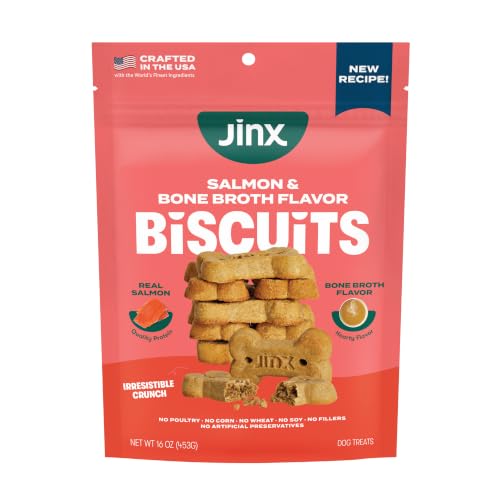
Jinx Salmon Bone Broth Biscuits, 16 oz

HEALTHFULS Chicken & Peanut Butter Biscuit Wraps

Kidney Restore Bacon Flavor Low Protein Treats
More Details On Our Top Picks
There’s nothing to decode on this label: dehydrated sweet potato strips, and that’s it. For dogs on kidney or liver support plans, where every gram of protein counts, a chew made from one vegetable removes the guesswork entirely. The high fiber and low fat profile also suits dogs whose digestion turns fussy with richer snacks.
In practice, these read like a chewy jerky substitute. They’re pliable enough for older teeth, and owners commonly report that dogs who turn down biscuit-style rewards will work for these. Three pack sizes exist, from a 6-ounce sampler up to a 1.32-pound bulk bag.
Strong Points
- One ingredient means zero hidden proteins, which matters enormously on restricted diets
- Grain-free and gluten-free, so food-sensitivity dogs avoid common triggers
- Low fat plus fiber supports weight management alongside digestive comfort
- Bulk sizing keeps cost per treat reasonable for daily rewarding
Things To Consider
- Cold weather firms the strips considerably; a light spritz of water or a short steam softens them back up
- Sweet potato-only means some dogs lose interest after repeated exposure
Key Specs
Made For
Dogs on vet-guided low-protein regimens whose households want a clean, single-source chew they can hand out daily without doing label math.
A Better Fit Elsewhere
Dogs needing an actual meat-based training reward with more aroma should look at the Smart Cookie Trout & Apple treats instead, since fish scent drives stronger recall responses.
Where the Jungle Calling strips skip meat altogether, Smart Cookie takes the opposite route: one lean novel protein, trout, paired with apple and lentils. A novel protein is simply a meat source your dog hasn’t eaten before, which is why it rarely triggers the immune reactions that chicken or beef can. That makes this a smart bridge option for itchy, allergy-prone dogs who still deserve a savory reward.
The soft, pea-sized format suits training sessions, and the fish-forward smell does real work at the park where distractions run high. Made in the USA, the recipe keeps its ingredient list short enough to read in one breath. The 5-ounce pouch runs small, though, so heavy trainers burn through it quickly.
What We Like
- Limited-ingredient recipe built around a single novel fish protein
- Soft texture works for puppies, seniors, and quick-fire training reps
- Savory trout aroma wins over fussy eaters, per widespread owner feedback
- Domestic manufacturing gives clearer sourcing visibility
Worth Noting
- The 5-ounce size disappears fast in multi-session training weeks
- Soft treats in warm pockets can crumble; a sealed container helps
Who It Suits Best
Allergy-prone dogs whose owners want a genuine meat reward without chicken, beef, or grain in the picture.
Swap It Out When
Dogs with diagnosed kidney or liver conditions belong on the Kidney Restore Bacon Flavor treats below, which are formulated specifically around reduced protein rather than novelty alone.
This is the only entry here designed by a veterinary diet line specifically to complement therapeutic foods. The bone-shaped biscuits run low in calories, protein, sodium, and phosphorus while packing extra fiber, a combination aimed squarely at dogs already eating Hill’s Prescription Diet formulas. Feeding an off-brand snack alongside a prescription diet can quietly undermine it, and that’s the exact problem these solve.
The crunch satisfies dogs who like to hear their treat snap, unlike the soft-baked entries elsewhere on this list. Multiple variants exist, including hypoallergenic and metabolic-weight versions, so matching the treat to your dog’s specific prescription is worth a conversation with your vet. One caveat: availability often requires authorization through a veterinary channel.
Highlights
- Formulated to complement Hill’s Prescription Diet foods without diluting their effect
- Reduced protein, sodium, and phosphorus align with renal-support priorities
- Crunchy texture doubles as mild dental engagement
- Hypoallergenic and metabolic variants cover different prescription paths
Small Caveats
- Most useful only alongside a matching Hill’s prescription; standalone buyers get less value
- Some dogs find the plain profile less exciting than meat-heavy alternatives
At A Glance
Right Fit For
Dogs already on a Hill’s Prescription Diet regimen whose vets have approved complementary treating.
Where Another Pick Suits Better
Healthy dogs simply needing a gentler everyday snack fit better with the Blue Buffalo Health Bars further down, which carry no prescription framing at all.
Bocce’s soft-baked “B”s lean on fruit and yogurt rather than a slab of meat, which naturally keeps the protein load modest compared with jerky-style rewards. Blueberries, carrots, and broth-based recipes give these a bakery-counter feel, and the berry smoothie flavor lands well with dogs who sniff at plainer biscuits. The 6-ounce box suits occasional treating more than daily training volume.
The texture is the real selling point here. Seniors with worn teeth and puppies still cutting theirs both manage these easily, something the crunchy Hill’s biscuits above can’t claim. Bocce’s also keeps its recipes limited-ingredient and baked domestically, which reassures shoppers tracking exactly what goes into a sensitive stomach.
Reasons To Buy
- Soft-baked texture accommodates senior and puppy mouths alike
- Fruit-and-yogurt base keeps meat protein contributions light
- Limited, natural ingredient list simplifies sensitivity management
- Wide flavor range lets you rotate without switching brands
Softer Spots
- Not formulated for clinical low-protein requirements, so confirm with your vet first
- Small box size means frequent reorders for multi-dog homes
Whose Shelf It Belongs On
Owners of older or picky dogs who want a gentle, fruit-forward reward and don’t need strict clinical restriction.
Consider Something Else When
Strictly managed renal patients are better served by the Kidney Restore Bacon Flavor treats, which were built from the ground up for reduced-protein feeding.
Blue Buffalo took its classic crunchy Health Bar and gave it a soft-baked makeover, pairing real chicken with apple in a recipe that smells faintly of homemade baking. Compared with the Bocce’s berry box, this one carries more recognizable meat content, so it sits closer to the middle of the protein spectrum rather than the low end. Dogs transitioning off rich treats tend to accept it readily.
The 9-ounce bag hits a practical middle ground between trial sizes and bulk packs, and multipacks stretch to six bags for households that go through treats steadily. Owners commonly note the bars stay fresh well when the resealable top actually gets closed, which sounds obvious until a humid kitchen proves otherwise.
Plus Points
- Real chicken and apple deliver broad flavor appeal across ages
- Soft-baked format spares aging teeth and sensitive gums
- Natural recipe positioning fits everyday wellness routines
- Multiple pack sizes scale from sampling to stock-up
Points To Note
- Chicken content rules it out for poultry-sensitive dogs
- Protein level is moderate, not clinically low; verify suitability for restricted diets
Quick Facts
Who Will Love This
Households running a steady daily-treat routine for generally healthy dogs who enjoy familiar, homey flavors.
Reach For A Different Pick When
Poultry allergies enter the picture, the Jinx salmon biscuits reviewed next swap the protein source cleanly while keeping a similar everyday-biscuit role.
Jinx builds its biscuit around two first ingredients you can actually pronounce: real salmon and bone broth, then oven-bakes the whole thing into a satisfying crunch. Fish-based recipes sidestep the chicken and beef that dominate this category, giving sensitized dogs a workable alternative. The 16-ounce standard bag undercuts most rivals on cost per ounce, and two-, three-, and four-pound configurations serve serious stockers.
Honestly, this isn’t a low-protein treat, and it doesn’t pretend to be. Its role here is for dogs whose restriction is about ingredient quality or specific protein sources rather than total protein grams. The peanut butter variant offers a second flavor lane if salmon enthusiasm fades over time.
Bright Spots
- Salmon and bone broth lead the ingredient list, not fillers
- Oven-baked crunch holds up well in pockets and puzzle toys
- Large-format bags bring the per-treat cost down noticeably
- Fish base avoids common poultry and beef triggers
Minor Gripes
- Total protein runs higher than true low-protein picks; unsuitable for strict renal plans
- Fish aroma lingers in hands and treat jars, which some households mind
Spec Overview
Best Suited To
Multi-dog homes and big breed owners who prioritize ingredient quality and value over strict protein ceilings.
Another Choice May Suit
Dogs with confirmed protein restrictions should stay with the Jungle Calling sweet potato strips, which remove animal protein from the equation completely.
Picture a strip of chicken breast wrapped around a peanut butter biscuit core, and you’ve got this treat’s whole architecture. The dual-texture design earns outsized enthusiasm from dogs, which translates directly into training leverage. Each piece delivers amino acids that support muscle maintenance, making these a sensible reward for sporting breeds and dogs in active conditioning programs.
The formulation skips artificial colors, flavors, preservatives, and fillers, and the product is lab tested in the USA at a facility certified to global food safety standards. Fair warning, though: this is deliberately a high-protein, low-fat treat. It earns its slot here for the low-fat angle and for dogs whose restriction targets fat or quality rather than protein quantity.
Standout Traits
- Wrapped construction creates a high-value reward dogs work hard for
- Low fat profile suits weight-conscious feeding plans
- Amino acid content supports muscle tone in active dogs
- No artificial colors, flavors, preservatives, or fillers
- USA lab testing and certified facility add sourcing confidence
Areas To Watch
- High protein contradicts strict renal or hepatic restrictions outright
- Wrapped pieces cost more per unit than simple biscuits
Who Should Grab It
Trainers and active-dog owners needing a premium, low-fat motivator for recall work and agility sessions.
Look Elsewhere When
Protein grams themselves are the constraint, in which case the Jungle Calling sweet potato strips remain the safer default on this list.
Kidney Restore exists for exactly one job: rewarding dogs whose kidneys need a break from protein, phosphorus, and sodium load. The bacon flavoring does surprising heavy lifting here, convincing dogs they’re getting something indulgent while the recipe stays renal-friendly. Added vitamins C, E, and B-complex round out the nutrient picture beyond mere subtraction.
Unlike the Hill’s prescription biscuits earlier in this list, these don’t require a companion prescription food to make sense; they stand alone as a renal-conscious snack. Bag options span half a pound to a 1.25-pound single, plus a two-pound twin pack for long-haul feeding. As always with kidney disease, loop your vet in before adding anything new to the routine.
Positives
- Explicitly low-protein formulation built for renal-support feeding
- Bacon flavor drives acceptance where medicinal-style treats fail
- Added vitamins C, E, and B-complex support overall nutrition
- Multiple bag sizes accommodate both trialing and bulk buying
Honest Caveats
- Flavor-first dogs may detect the missing meat richness over time
- Resealing matters; owners report freshness fades in humid kitchens once the bag sits open
Details At A Glance
The Right Fit
Dogs with diagnosed kidney concerns whose families want a purpose-built, vet-discussable treat rather than a workaround.
Where A Sibling Pick Shines
Dogs needing novelty-protein variety rather than strict reduction will get more mileage from the Smart Cookie Trout & Apple soft treats near the top of this list.
What Matters Before Choosing Low Protein Dog Treats
Read The Label Like Your Vet Would
Protein percentage tells you far less than the source and total daily contribution. A treat at moderate protein fed three times daily can matter more than a higher-protein one given weekly. Match the treat’s role to your dog’s actual restriction, whether that’s total protein, phosphorus, sodium, or a specific trigger ingredient.
Texture Decides Compliance
A nutritionally ideal treat your dog refuses helps nobody. Seniors and puppies usually need soft-baked formats, while young working dogs often prefer a satisfying crunch. Buying the smallest available bag first is the cheapest way to test acceptance before committing to bulk sizes.
Clinical Versus Lifestyle Restriction
These aren’t the same problem. Dogs with diagnosed kidney or liver conditions need purpose-built options such as the Kidney Restore or Hill’s entries, ideally with veterinary sign-off. Dogs who merely digest rich treats poorly have far wider latitude, and fruit- or vegetable-forward picks like the Bocce’s and Jungle Calling boxes fit comfortably.
Storage And Freshness Reality
Soft treats dry out and crunchy ones stale faster than most shoppers expect. Resealable bags help only when actually closed, and humid climates accelerate the decline. Smaller bags bought more frequently beat large bags that linger past their prime.
Key Considerations Across These Picks
Traps First Timers Fall Into
The classic error is assuming “sensitive stomach” labeling equals low protein; those are separate claims. Another common slip is buying a jumbo bag of an untested flavor, then donating half of it when the dog balks. Skipping the vet conversation ranks third, since treat calories and nutrients interact with prescription diets in ways labels don’t advertise.
When Paying More Pays Off
Premium pricing in this category typically buys shorter ingredient lists, domestic manufacturing, and clinical formulation. Prescription-line biscuits justify their cost by protecting the investment already made in therapeutic food. For healthy dogs, mid-tier options deliver nearly identical satisfaction, so reserve the top shelf for medically motivated purchases.
Frequently Asked Questions
Are sweet potato treats truly low in protein?
Yes, plant-based single-ingredient treats like sweet potato strips contain minimal animal protein. They’re among the safest choices for protein-restricted dogs, pending your vet’s approval.
Can I give regular treats occasionally to a low-protein dog?
Even occasional high-protein treats add to the daily total your dog’s kidneys must process. Consistency matters more than any single snack, so stick with compliant options.
What’s the difference between novel protein and low protein?
Novel protein refers to an unfamiliar meat source that reduces allergy risk, not reduced quantity. A low-protein treat limits total protein regardless of its source.
How many treats can a dog on a renal diet have daily?
Treat allowances depend on your dog’s weight, stage of condition, and prescribed diet. Your veterinarian should set the ceiling, and the treat bag’s feeding guidance fills in the rest.
Do soft treats spoil faster than crunchy ones?
Generally yes, since moisture content shortens shelf life once opened. Sealed storage away from heat extends usability, and smaller bags reduce waste risk.
Closing Thoughts
Managing a restricted diet doesn’t mean joyless treat time, and this list proves it. Start with the smallest bag of whichever option matches your dog’s specific restriction, confirm the choice with your vet, and let your dog’s enthusiasm settle the final call. The right reward is the one your dog loves and your vet approves, in roughly that order.
