

Maltese dogs run small, eat small, and notice everything about what lands in their bowl. Tear stains, sensitive stomachs, and picky appetites are the daily reality most owners juggle. This shortlist covers dry kibble, wet pouches, fresh refrigerated meals, a puppy formula, and a breed-specific supplement so you can build a feeding plan that actually fits a four-to-seven-pound dog. Each pick below is matched to a specific situation, from new puppy households to seniors with fussy digestion.
The Shortlist At A Glance
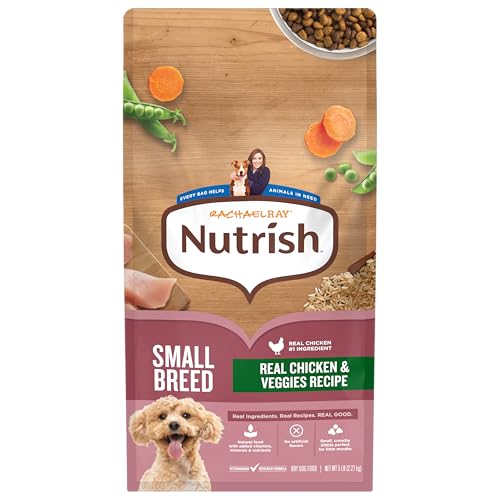
Nutrish Small Breed Dry Dog Food with Chicken, 5 lb Bag

Healthy Breeds Maltese All in One Multivitamin Soft Chew 120 Count

Optimeal Wet Dog Food Small Breed Variety Pack 3oz Pouches

Royal Canin Bichon Frise Adult Dry Dog Food, 3 lb Bag

Nature’s Protection Superior Care Puppy Dry Food, White Fish 3.3lb

Royal Canin Small Adult Dry Dog Food, 4 lb Bag

Freshpet Select Roasted Meals Beef Recipe, 1 Lb
More Details On Our Top Picks
Chicken sits at the top of this ingredient list, which matters more than most marketing claims ever will. The kibble pieces are sized down for little jaws, so a Maltese can actually crunch through a meal instead of swallowing whole bits. For owners rotating through a busy week, the resealable five-pound bag stores easily in a pantry without going stale.
The recipe is natural with added vitamins and minerals, and it skips artificial flavors entirely. A veterinarian-reviewed formula adds a layer of reassurance you don’t always get at this tier of the market.
Strong Points
- Real chicken as the first ingredient gives your dog a recognizable protein source every meal.
- Small, crunchy kibble suits tiny mouths and tends to slow down gulpers.
- No artificial flavors means fewer mystery additives in a dog prone to sensitivities.
- The five-pound bag stays fresh longer than bulk bags for a small-breed household.
Things To Consider
- Owners commonly report transitioning too quickly causes loose stools, so blend it into the old food over a week.
- The chicken base won’t suit dogs with confirmed poultry allergies.
Quick Facts
Made For
Adult Maltese owners who want a straightforward, affordable daily kibble without specialty pricing.
Where Another Pick Suits Better
Dogs with poultry sensitivities do better on the Nature’s Protection white fish puppy formula, which builds its recipe around fish protein instead.
This isn’t a food, it’s the layer that fills whatever gaps your food leaves behind. The soft chews bundle hip and joint support, skin and coat nutrients, and a probiotic digestive aid into one daily treat, which is genuinely convenient for a breed known for luxating patellas and tear-stained fur. At 120 chews per tub, a single Maltese gets months of coverage from one container.
Soft texture matters here too. Older dogs with dental wear often refuse hard tablets, while these go down like a reward. Pair them with any kibble on this list rather than replacing a meal.
What We Like
- One chew covers joints, coat, and digestion, cutting a three-supplement routine down to one step.
- Breed-targeted formulation accounts for issues common in Maltese specifically.
- The 120-count tub stretches across several months for a toy-sized dog.
Minor Gripes
- Soft chews can dry out once opened, so sealing the tub tightly after each use keeps them palatable.
- Some dogs may find the flavor less exciting than food-based treats, depending on your dog’s tastes.
Who Should Grab It
Owners of senior Maltese or dogs already eating a basic kibble who want joint and coat support layered on top.
Swap It Out When
Puppies under a year old are better served by the complete nutrition in the Nature’s Protection puppy formula, which bakes developmental support directly into meals.
Where the Nutrish bag handles the everyday dry side, these three-ounce pouches solve the moisture problem. Toy breeds are notorious for drinking too little water, and wet food quietly fixes that. Each pouch delivers tender morsels in aspic, a savory gel that holds moisture and flavor, formulated grain free for small adult dogs.
The ingredient story is stronger than most wet options at this level: Omega-3 and Omega-6 fatty acids support skin and coat, prebiotic FOS feeds beneficial gut bacteria, and highly digestible proteins keep sensitive stomachs settled. Twelve pouches per pack means roughly two weeks of toppers or full meals for a four-pound dog.
Highlights
- Omega fatty acids help maintain the glossy white coat Maltese are known for.
- Prebiotic FOS supports gentle digestion in dogs with touchy stomachs.
- Single-serve pouches eliminate leftovers and fridge storage guesswork.
- Variety pack rotation keeps finicky eaters interested meal after meal.
- Complete and balanced nutrition allows use as a full diet, not just a topper.
Softer Spots
- Wet food costs more per calorie than dry kibble over a month of feeding.
- Opened pouches need refrigeration and should be used within a day or two.
At A Glance
Right Fit For
Owners of picky or low-thirst Maltese who want hydration and palatability built into every meal.
Another Choice May Suit
Budget-first feeders get more value per pound from the Nutrish small breed dry bag, using these pouches only as an occasional topper.
Yes, this bag says Bichon Frise, not Maltese. The reason it earns a spot is simple: both breeds share a white curly coat, sensitive skin, and a toy-sized frame, and Royal Canin engineered this formula around exactly those traits. Skin-barrier nutrients target the itching and dullness that plague light-coated dogs, while controlled calories guard against the weight creep small breeds are prone to.
The kibble shape deserves mention too. Its design helps small mouths grip and chew each piece, a small detail that shows up daily at mealtime. Compared with the broader Royal Canin Small Adult formula later in this list, this one trades size range for coat-focused precision.
Upsides
- Skin and coat nutrients reinforce the barrier that keeps white fur bright and skin calm.
- Prebiotics paired with quality proteins support digestion and firmer stools.
- Calorie content is tuned for weight control in a sedentary lap dog.
- Specialized kibble geometry suits tiny jaws and fussy chewers.
Points To Note
- The three-pound bag runs out fast even for a small dog, so recurring purchases add up.
- It’s formulated for purebred Bichons 10 months and older, so cross-check fit with your vet for a mixed-breed dog.
Core Details
Whose Shelf It Belongs On
Owners fighting chronic skin irritation or coat dullness on a white-coated toy breed will see the clearest case for this formula.
Look Elsewhere When
Dogs outside the coat-sensitivity profile get more flexible value from the Royal Canin Small Adult bag, which covers a wider weight range at a similar spec level.
Tear stains are the signature frustration of raising a Maltese puppy, and this EU-made formula attacks the problem from the bowl up. White fish leads the ingredient list, and the recipe skips gluten, wheat, pork, and beef, the common triggers behind both skin irritation and the reddish staining around eyes, mouth, and paws. DHA supports brain development during those critical three-to-twelve-month months, with calcium backing bone growth.
The 3.3-pound bag is deliberately small, which keeps kibble fresher for a puppy eating tiny portions. Owners commonly report gradual fading of existing staining over weeks of consistent feeding, though results vary by dog.
Bright Spots
- White fish protein suits dogs with poultry or beef sensitivities.
- Stain-control focus targets the exact problem most Maltese puppy owners face.
- DHA and calcium back cognitive and skeletal development in growing juniors.
- Grain-free, gluten-free recipe reduces bloating and itch triggers.
Honest Caveats
- It’s a junior formula only, so you’ll need a transition plan around the one-year mark.
- The small bag means more frequent reordering than standard retail sizes.
Details At A Glance
Who Will Love This
New Maltese puppy owners dealing with tear stains or suspected food sensitivities from the start.
Reach For A Different Pick When
Once your dog passes twelve months, the Royal Canin Small Adult formula takes over as the logical next step in the same precision-nutrition style.
This is the generalist answer to the Bichon-specific bag earlier in the list, covering small dogs from 10 months to 8 years and 9 to 22 pounds. That range comfortably includes most adult Maltese, and the formula splits its attention evenly: calcium and phosphorus for bone strength, easy-to-digest proteins with prebiotics for gut health, and energy levels matched to a small dog’s fast metabolism.
One practical perk stands out. Royal Canin designs its kibble to pair with its own wet foods for mixed feeding, so you can combine this with the Optimeal pouches or a Royal Canin wet option for variety without unbalancing the diet.
Plus Points
- Age-and-size targeting removes guesswork for adult small breeds.
- Prebiotic fiber blend supports a healthy microbiome and consistent stools.
- Energy content matches small-dog metabolism to prevent unwanted weight gain.
- Plays well with wet food in a mixed feeding routine.
Trade Offs
- It lacks the coat-specific nutrients of the Bichon formula, so severe tear staining may need the Nature’s Protection approach instead.
- Premium pricing per pound compared with mainstream grocery brands.
Spec Overview
Best Suited To
Adult Maltese between four and eight years old whose main needs are steady weight, digestion, and bone maintenance.
Not Your Match When
Dogs past age eight should move toward a senior formula, and coat-stain-prone adults may prefer the targeted nutrient set in the Bichon Frise bag reviewed above.
Freshpet plays a different role than everything else here. This gently cooked, refrigerated beef recipe comes from US kitchens and arrives ready to serve, no rehydration or mixing required. Dogs burned out on kibble tend to respond to real-food aroma immediately, which makes it a reliable reset button for appetite problems.
The one-pound roll suits a Maltese perfectly since small portions stretch across many servings. The honest trade-off is logistics: it lives in your fridge, has a shorter shelf life than dry food, and needs a dedicated storage spot. Treat it as a topper or partial meal alongside the Nutrish or Royal Canin kibble rather than a standalone system unless you shop weekly.
Reasons To Buy
- Gently cooked preparation preserves flavor and nutrients that heavy processing strips out.
- Refrigerated freshness appeals strongly to kibble-fatigued or senior dogs.
- US origin with all-natural positioning simplifies label reading.
Room For Improvement
- Requires constant refrigeration and prompt use, unlike shelf-stable kibble.
- Beef base excludes dogs with beef sensitivities, a fairly common trigger.
The Right Fit
Owners who shop regularly and want a fresh-food boost mixed into an otherwise dry-food routine.
Consider Something Else When
Households wanting grab-and-go convenience without fridge dependence will find the Optimeal pouches deliver similar palatability with shelf stability.
Choosing Wisely: What Matters Before You Fill The Bowl
Match The Formula To Life Stage
A puppy’s needs look nothing like a seven-year-old’s. Growing Maltese require DHA for brain development and calibrated calcium for bones, which is why the Nature’s Protection junior formula exists as a separate product. Adults do better on maintenance formulas with controlled calories, while seniors often need easier digestion and joint support. Buying one bag for life sounds efficient but shortchanges each stage.
Watch The Coat And Stain Signals
Tear staining and dull fur usually trace back to diet triggers like certain proteins or fillers. Formulas built around white fish or skin-barrier nutrients tend to show results over several weeks of consistent feeding. Switching foods every few weeks resets progress, so commit to a trial period before judging.
Size The Package To The Dog
A four-pound dog eats remarkably little, sometimes under half a cup daily. Bulk bags save money per pound but risk staleness long before the last serving. Smaller bags cost slightly more yet protect freshness, which matters more for palatability than most owners expect.
Layer Supplements Thoughtfully
Food covers the foundation; supplements fill specific gaps like joints or digestion. Adding a multivitamin chew on top of a complete diet works well, but doubling up on fortified foods plus heavy supplementation can overshoot. Pick one gap and address it cleanly.
Key Considerations Across These Picks
Traps First Timers Fall Into
The classic error is switching foods overnight, which almost guarantees digestive upset in a small dog. Blend new food into old across seven to ten days instead. Another frequent misstep is buying giant economy bags for a toy breed; the kibble often goes stale before the bag empties, and your dog notices.
When Paying More Pays Off
Premium formulas earn their price through targeted nutrients: prebiotics for digestion, omega fatty acids for coat, breed-specific kibble shapes. Basic kibble keeps a healthy dog fed adequately. The upgrade pays off when your dog shows a specific issue, whether staining, itching, or pickiness, that a generic recipe doesn’t address.
Frequently Asked Questions
How much should a Maltese eat per day?
Most adult Maltese eat between a quarter and half a cup of dry food daily, split into two meals. Follow the feeding chart on your chosen bag and adjust based on body condition.
Can I mix wet and dry food together?
Yes, and many small-breed owners do exactly that for hydration and interest. Just reduce the kibble portion so total daily calories stay appropriate.
What causes tear stains in Maltese dogs?
Diet sensitivities, water mineral content, and genetics all contribute to the reddish discoloration. Formulas excluding common trigger proteins, like the white fish option above, often help over time.
Is grain-free food necessary for Maltese?
Not automatically, though some individual dogs digest grain-free recipes more comfortably. Discuss any major dietary shift with your veterinarian before committing.
How do I transition my dog to a new food?
Blend increasing amounts of the new food into the old over seven to ten days. Slow transitions protect sensitive small-breed stomachs from upset.
Wrap Up
Your Maltese doesn’t need everything on this list, just the right combination for their stage and quirks. Puppies with tear stains start with Nature’s Protection, healthy adults thrive on Nutrish or Royal Canin, and a stubborn appetite responds to Freshpet or Optimeal. Start with one change, give it a fair few weeks, and let your dog’s coat and energy tell you whether it’s working.
