

Watching a dog scratch through spring pollen season never gets easier. The right allergy support can mean the difference between a restless night and a calm, comfortable pup, whether the trigger is grass, food, or dry winter air. This roundup covers eight options for 2026, from gentle herbal drops to a veterinarian-prescribed chewable, so you can match the product to your dog’s specific symptoms and your own comfort level with supplements versus medication.
The Shortlist At A Glance

VetIQ Allergy Pro+ Soft Chews for Dogs (60 Count)

EDUZEBRA Allergy Relief Drops for Dogs & Cats

PENPEN Dog Allergy Chews Anti-Itch Support (180 Chews)

VUN Dog Allergy Relief Chews
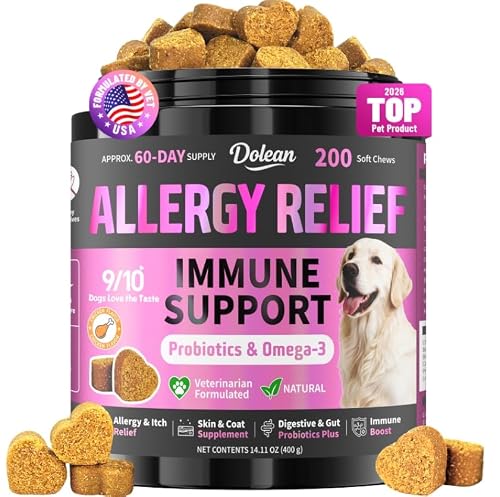
Dolean Dog Allergy Chews Itch Relief Multivitamin

Wuffes Allergy & Itch Chews for Dogs
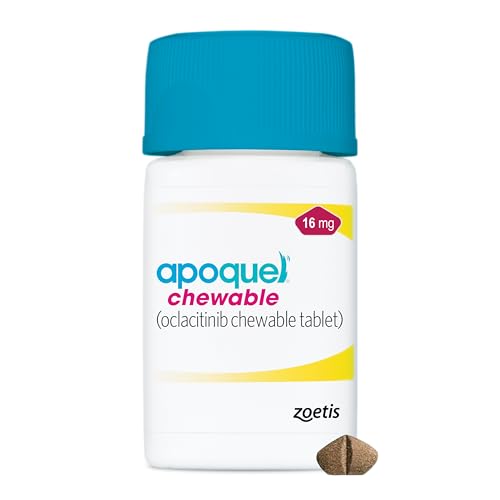
Apoquel Chewable for Dogs, 16 mg, 30 Tablets
Wzxlj.Y Dog Allergy Chews Multivitamin Itch Relief
More Details On Our Top Picks
Most allergy chews throw one or two ingredients at the problem. VetIQ takes a three-front approach instead: colostrum for immune response, astragalus root for environmental allergens, and Sporevia probiotics for digestive balance. That matters because a dog’s gut and skin are more connected than most owners realize.
The hickory smoke flavor is a smart touch for dogs who turn their nose up at supplements, and the soft-chew format suits older dogs with dental issues. In our view, this is the strongest all-around starting point for seasonal discomfort.
Strong Points
- Colostrum supports immune response from within, which may reduce flare-up frequency over a full season
- Astragalus root targets environmental triggers like pollen rather than masking symptoms
- Sporevia probiotics promote gut balance, a foundation for healthy skin and a shiny coat
- Hickory smoke flavor makes daily dosing painless for most dogs
Things To Consider
- Soft chews can dry out once opened, so reseal the jar tightly and store it away from heat
- Supplement-style support works gradually; expect weeks, not days, before you notice calmer skin
Who It Suits Best
Dogs with recurring seasonal itching whose owners want a daily, food-based routine rather than medication.
Where Another Pick Suits Better
Dogs with severe, nonstop scratching will get faster results from Apoquel Chewable, covered later in this list.
Chews don’t work for every pet. Cats refuse them, tiny dogs struggle with large soft chews, and some animals simply spit anything treat-shaped back out. EDUZEBRA sidesteps all of that with a liquid herbal formula you can add to food or water in just a few drops per day.
The plant-based blend is designed to calm itchiness and dryness tied to pollen, food sensitivities, or environmental changes while supporting the immune system. Because it’s approved for both dogs and cats, multi-pet homes only need one bottle on the shelf, which keeps things simple.
What We Like
- Liquid dosing lets you adjust precisely by weight, unlike fixed-size chews
- Works for cats too, a rarity in this category
- Gentle herbal formula suits pets with sensitive stomachs
Worth Noting
- Some pets detect herbal flavors in water, so mixing into wet food tends to go down more easily
- Fewer published ingredient details than chew competitors, which may matter to label-conscious owners
Made For
Multi-pet households and owners of toy breeds or cats who can’t manage chewable supplements.
Consider Something Else When
You want a fuller ingredient panel with named actives like colostrum; the PENPEN chews list theirs openly.
Here’s the math that makes PENPEN interesting: 180 soft chews per jar against VetIQ’s 60-count jar means fewer reorders and a lower cost per serving for anyone running a daily routine. For a two-dog home, that difference adds up fast over an allergy season.
The formula itself leans on turmeric, colostrum, licorice root, Omega-3 fish oil, and probiotics, aimed at itchy skin, paw licking, and general seasonal misery. Peanut butter flavor gives it broad appeal, and owners commonly report dogs accepting these chews as treats without coaxing.
Highlights
- Large 180-count jar covers months of daily use for one dog or splits across two
- Turmeric and fish oil support skin comfort and coat condition together
- Probiotics reinforce gut health alongside the anti-itch ingredients
- Peanut butter flavor wins over most picky eaters
Small Caveats
- Peanut butter flavor rules it out for dogs with peanut sensitivities
- Jar size means a longer open shelf life, so check freshness dates before bulk buying
Right Fit For
Owners of multiple dogs or big breeds who burn through standard 60-count jars too quickly.
Look Elsewhere When
Your dog has chicken or beef allergies; Wuffes explicitly excludes those proteins from its formula.
Paw licking is its own special headache. Constant licking leads to stained fur, raw skin, and sometimes secondary irritation, and not every supplement names that behavior specifically. VUN does, positioning these chews squarely at dogs who gnaw at their paws and scratch at dry skin through the seasons.
The ingredient stack mirrors what works elsewhere on this list: colostrum, turmeric, Omega-3 fish oil, and astragalus root, blended to ease itching while supporting immunity. Compared with the PENPEN chews reviewed above, VUN trades some jar size for a sharper focus on paw-licking behavior, which is exactly where many owners need help.
Upsides
- Explicitly formulated for paw licking, a symptom other chews address only indirectly
- Colostrum and astragalus support both food-related and environmental triggers
- Omega-3 fish oil helps counter winter dryness along with summer allergens
Points To Note
- Severe paw licking often signals an underlying issue a vet should evaluate first
- Results depend on consistent daily feeding; skipped doses slow visible progress
Who Will Love This
Owners of chronic paw lickers who want a targeted daily chew rather than a general multivitamin approach.
Swap It Out When
Your priority is coat shine and flaky skin; the Wzxlj.Y chews bring heavier salmon oil content for that job.
This is the deepest ingredient list in the roundup. Colostrum, turmeric, ginger root, organic licorice root, apple cider vinegar, and black pepper powder work on skin comfort and normal immune response, while a six-strain probiotic complex plus FOS prebiotic handles digestion underneath. Prebiotics feed beneficial gut bacteria; probiotics are the bacteria themselves. Together they form what the brand calls a whole-body foundation for skin health.
The 200-count jar stretches two to three months depending on your dog’s size, and the chicken flavor earns praise from owners of picky eaters. One honest note: black pepper and vinegar won’t suit every sensitive stomach, so introduce gradually.
Bright Spots
- Six probiotic strains plus FOS prebiotic support nutrient absorption and gut flora
- 200 chews deliver a 2–3 month supply, among the largest jars here
- Addresses seasonal, environmental, and occasional food-related sensitivities in one formula
- Chicken flavor keeps daily supplementation stress-free
Room For Improvement
- The long ingredient list complicates things for dogs with known sensitivities to any single component
- Chicken flavor excludes poultry-allergic dogs
Quick Facts
Best Suited To
Dogs needing combined gut and skin support, especially those whose itching flares with digestive upset.
Another Choice May Suit
Poultry-sensitive dogs do better on Wuffes, which contains no chicken, beef, or salmon ingredients.
Allergy-prone dogs often have food sensitivities too, which turns most chews into a minefield of chicken, beef, and salmon flavorings. Wuffes removes all three, along with seed oils and artificial flavors, making it one of the few options here built specifically for reactive dogs. The Omega-3 source is algae oil rather than fish, another thoughtful exclusion.
The formula aims to regulate histamine response rather than suppress it, supporting the body’s normal pathways over time. Colostrum reinforces the gut-skin connection, and the non-drowsy design means your dog stays alert through allergy season. Histamine, briefly, is the compound that triggers itching during an allergic reaction.
Reasons To Buy
- No chicken, beef, salmon, or seed oils, ideal for dogs with common protein allergies
- Algae-based Omega-3s soothe skin across all four allergy seasons
- Non-drowsy formula keeps energy levels normal during heavy pollen weeks
- Targets sneezing, watery eyes, hot spots, and stomach issues beyond just scratching
Softer Spots
- Regulating histamine naturally takes time; impatient owners may find the pace slow
- Narrower flavor appeal since strong palatants were deliberately left out
At A Glance
Whose Shelf It Belongs On
Dogs juggling both environmental allergies and food intolerances, where most flavored chews cause more trouble than they solve.
Reach For A Different Pick When
Rapid relief matters more than allergen avoidance; Apoquel Chewable acts within about a day under veterinary guidance.
Everything before this point has been supplement territory. Apoquel is different: it’s a prescription medication, the oclacitinib chewable, and it sits in its own drug category apart from steroids, antihistamines, and cyclosporine. Instead of broadly dampening the immune system, it blocks allergic itch at its source, and the manufacturer specifies control within 24 hours of the first dose.
It comes in three strengths matched to body weight, carries a pork-liver flavor dogs accept readily, and can be paired with many common medications including NSAIDs, vaccines, and allergy shots. Use requires a veterinarian’s prescription and dosing instructions, which is the trade-off for this level of speed and potency.
Plus Points
- Controls allergic itch within 24 hours per manufacturer data, far faster than supplements
- Works at the underlying cause of itch rather than masking surface symptoms
- Compatible with NSAIDs, rabies vaccines, and allergen-specific immunotherapy
- Once-daily oral dosing with a palatable pork-liver chewable format
Honest Caveats
- Prescription required, so budget a vet visit before ordering
- Not evaluated alongside systemic immunosuppressants such as corticosteroids or cyclosporine
- Intended for dogs 12 months and older
Core Details
Who Should Grab It
Dogs with diagnosed allergic dermatitis whose scratching disrupts sleep and daily life despite supplement routines.
Not Your Match When
You prefer an over-the-counter wellness approach; the VetIQ Allergy Pro+ chews fill that role without a prescription.
Itching and a dull coat usually travel together, and this is the pick built for both problems at once. Wild Alaskan salmon oil brings Omega-3 fatty acids that hydrate skin from within, reduce flakiness, and add shine, while quercetin, a plant compound studied for its calming effect on allergic responses, joins colostrum and turmeric on the anti-itch side.
A five-strain probiotic blend rounds out the formula for dogs with sensitive stomachs, and the 180-chew jar matches PENPEN’s generous count. Owners commonly report dogs treating these like ordinary treats, which keeps the daily habit intact.
Standout Traits
- Wild Alaskan salmon oil doubles as internal skin moisture and coat conditioner
- Quercetin adds a distinct anti-itch pathway most competitors skip
- Five probiotic strains support digestion for sensitive stomachs
- 180 chews cover roughly two to three months of daily use
Minor Gripes
- Fish-based formula won’t suit dogs with seafood sensitivities
- Salmon oil can oxidize over time, so store the jar cool and sealed
Feature Snapshot
The Right Fit
Dogs whose allergy symptoms come packaged with flaky skin and a lackluster coat.
Where A Sibling Pick Shines
Seafood-allergic dogs should pivot to Wuffes, whose algae-oil Omega-3s avoid fish entirely.
What Matters Most Before Choosing Medications For Dog Allergies
Match The Product To The Symptom
Occasional seasonal scratching calls for a different tool than constant, sleep-disrupting itch. Supplements built around colostrum, turmeric, and Omega-3s work gradually on skin and gut health, while a prescription option like Apoquel exists for diagnosed allergic dermatitis that needs fast control. Naming your dog’s dominant symptom, whether that’s paw licking, ear irritation, or full-body scratching, narrows the field immediately.
Read The Ingredient Panel Against Known Sensitivities
Many allergic dogs react to chicken, beef, or fish proteins, yet most chews use exactly those flavorings. Cross-check every formula against your dog’s known triggers before committing. Wuffes stands out here for excluding the big three proteins, and EDUZEBRA’s liquid format avoids chew-base ingredients altogether.
Factor In Consistency And Cost Per Day
Allergy support only works when given daily, so the realistic question is which product your dog will accept without a battle and which jar size fits your budget rhythm. A 180 or 200-count jar lowers cost per serving and reduces reorder gaps, but only buy bulk after confirming your dog tolerates the formula.
Know When To Involve A Veterinarian
Persistent scratching, hair loss, hot spots, or raw paws deserve professional evaluation before self-treating. Underlying infections, parasites, and thyroid issues mimic allergy symptoms, and a vet can rule those out quickly.
Key Considerations Across These Picks
Traps First Timers Fall Into
The most common mistake is expecting supplement-speed results from a supplement product. Herbal and probiotic formulas typically need several weeks of consistent use before skin calms down, and switching products every ten days resets that clock. Another frequent slip is ignoring flavor-based allergens: a chicken-flavored chew given to a chicken-allergic dog can worsen the very symptoms you’re trying to settle. Start with a smaller jar, confirm tolerance, then scale up.
What Separates Premium From Basic
Higher-tier formulas justify their cost through ingredient transparency and smarter sourcing. Named actives like quercetin, algae-derived Omega-3s, and multi-strain probiotic complexes cost more to produce than generic filler blends, and hypoallergenic exclusions require dedicated manufacturing care. Prescription medications sit at the top tier for good reason: they deliver measurable, rapid results that no supplement matches. Paying up makes sense when symptoms are severe or when cheaper formulas keep triggering reactions.
Frequently Asked Questions
How long before allergy chews show results?
Most supplement-based chews need two to four weeks of daily use before skin and coat improvements become noticeable. Prescription options like Apoquel work much faster, often within a day.
Can I give my cat a dog allergy product?
Only if the label explicitly covers cats, as EDUZEBRA’s drops do. Formulas designed solely for dogs may contain doses or ingredients unsuitable for felines.
Do I still need a vet if supplements seem to help?
Yes, at least for an initial diagnosis. Supplements can manage symptoms well, but a vet confirms the underlying cause and flags conditions that mimic allergies.
Are prescription allergy medications safe for long-term use?
That decision belongs to your veterinarian, who weighs your dog’s history and monitoring needs. Apoquel is labeled for both short-term and maintenance therapy in eligible dogs.
Which format works best for picky eaters?
Flavored soft chews win for most dogs, with peanut butter and pork liver leading in acceptance. Liquid drops offer a fallback for pets who reject all chew textures.
Closing Thoughts
The right choice comes down to your dog’s symptom profile, known sensitivities, and how quickly you need relief. Start with a well-matched supplement for mild seasonal itching, lean on Wuffes for food-sensitive dogs, and bring your vet into the conversation when scratching turns severe. Whichever route fits, consistency will matter more than any single ingredient on the label.
