

Mice in the walls are more than an annoyance. They chew wiring, contaminate pantries, and multiply fast once they settle in, so most homeowners want a solution that works quickly and fits their household. The right choice depends on your situation: pets and kids in the house push you toward lower-risk formulas or scent-based options, while a barn or garage with heavy activity calls for bulk bait blocks. This roundup covers eight approaches, from professional-grade anticoagulant baits to plug-in ultrasonic units, so you can match the tool to the problem instead of guessing.
The Shortlist At A Glance

LIPHA TECH FirstStrike Rodent Bait 10g 4lb Bag

Kaput Rat & Mouse Bait Warfarin Formula 32 Packets
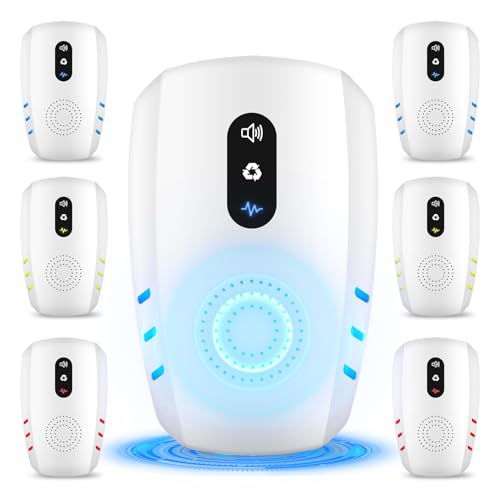
Jqely Ultrasonic Indoor Pest Repeller 6 Pack
Nameiec Rodent Deterrent 24pc Indoor & Outdoor
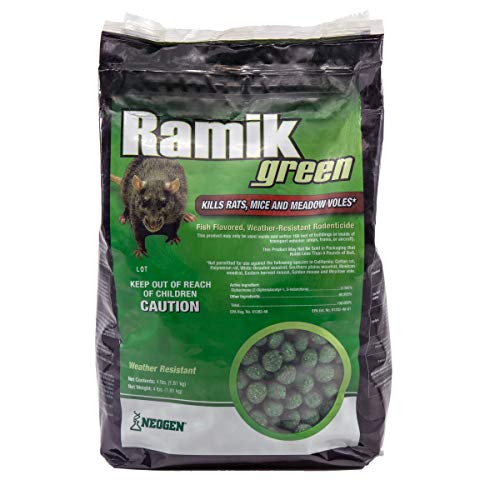
Neogen Ramik Green Fish Flavored Rodenticide Nuggets 4 lb

Kaput Mouse Blocks Warfarin Bait 4 lbs

Victor M922 Fast-Kill Disposable Mouse Bait Station

Victor Fast-Kill Bait Blocks II 86-Count
A Breakdown Of The Leading Choices
This is the bait pest management professionals reach for when palatability matters. FirstStrike uses difethialone, a second-generation anticoagulant rodenticide developed by Liphatech, formed into soft bait portions that rodents accept readily. A lethal dose can be consumed in a single night of feeding, with the first dead rodents typically showing up four to five days later.
In practice, that speed matters in kitchens, basements, and drop ceilings where an active population will not wait. Compared with the block-style Kaput options later in this list, the soft texture gives finicky mice less reason to reject it.
What Works In Its Favor
- Difethialone is a second-generation anticoagulant, meaning it works at very low feeding levels.
- Soft bait format tends to outperform hard grain baits with wary mice.
- One night’s feeding can deliver a lethal dose, which shortens the control timeline.
- The 4-pound bag covers multiple placements across a whole floor or outbuilding.
Points To Note
- It is a serious rodenticide, so secure placement in tamper-resistant stations is essential around children and animals.
- You may find dead rodents in wall cavities, which means locating and removing them later.
Key Specs
Who It Suits Best
Farm owners, property managers, and experienced DIYers dealing with established rodent pressure who will use locked bait stations correctly.
Where A Sibling Pick Shines
Households with curious pets should look at the Kaput Rat & Mouse Bait packets instead, since warfarin’s lower potency profile suits shared living spaces better.
Warfarin is the old-school anticoagulant, and Kaput leans into that heritage deliberately. Where modern second-generation compounds pack far more punch per gram, this formula takes a gentler path, which many households with dogs, cats, or livestock prefer for indoor and near-building placement.
The 32 individual 2-ounce packets make placement simple: set one where droppings appear, tear or open as directed, and let the target do the rest. Rats, mice, and voles are all listed targets, so a mixed problem on a hobby farm stays covered by one product.
Useful Touches
- Lower-potency warfarin active suits homes and farms where secondary exposure worries you.
- Individual packets keep handling tidy and portioning predictable.
- Labeled for indoor and near-building use, covering sheds, garages, and barn edges.
Small Caveats
- Slower acting than the FirstStrike soft bait above, so expect a longer wait before activity stops.
- Packets can be chewed through by determined rodents, leaving scattered bait to clean up.
- Repeat feeding over several days is usually needed, which means checking placements regularly.
Right Fit For
Rural homeowners and small-farm keepers who want dependable control with a margin of caution around animals.
Swap It Out When
For heavy outdoor pressure where weather resistance matters, the Neogen Ramik Green nuggets below hold up better against moisture.
Not every mouse problem calls for bait. This six-pack of plug-in units emits ultrasonic sound waves between 10kHz and 65kHz, frequencies above human hearing that create an uncomfortable environment for mice, roaches, ants, spiders, and mosquitoes. There is nothing to clean up, no poison to store, and no trap to empty.
The honest read from widely reported owner experience: results vary by layout. Sound does not pass through walls well, which is why the multi-unit pack exists. One unit per room is the sensible baseline, and renters love that everything leaves with them.
Useful Highlights
- Three operating modes let you vary the output so pests do not habituate to one pattern.
- Covers mice plus insects, consolidating several products into one outlet footprint.
- No chemicals, no mess, no disposal steps, which suits apartments and nurseries.
- Six units give whole-home coverage in typical two-bedroom layouts.
Things To Consider
- Ultrasonic waves stop at walls, so coverage depends on unit placement per room.
- It deters rather than removes an existing nest; pair it with traps for active infestations.
- Pet rodents and some small animals may react to the frequencies.
Feature Snapshot
Made For
Renters and apartment dwellers wanting a zero-mess preventive layer rather than a lethal solution.
Reach For A Different Pick When
An established nesting population needs direct action, and the Victor M922 pre-baited station later in this list handles that job with less setup.
Peppermint oil is the classic humane answer, and these 24 pouches put it to work. Each 1.41-ounce sachet releases a concentrated mint scent that rodents find intolerable, encouraging them to move along instead of settling in. Nothing dies, nothing needs emptying, and the formula relies on plant-based ingredients rather than synthetic chemistry.
Placement flexibility is the real selling point. Tuck pouches into attic corners, under car hoods, behind pantry shelves, or inside RV storage bays. Owners commonly report the scent fades over several weeks, so rotating fresh pouches into hot spots keeps the barrier consistent.
What Pays Off
- Plant-based mint formula is friendly to homes with kids and pets underfoot.
- Works indoors and outdoors, including vehicles, sheds, and storage units.
- Replaces traps and poisons entirely, so there is no cleanup at any point.
- 24 pouches cover a full seasonal refresh across a typical house.
Worth Bearing In Mind
- Scent strength diminishes with time and airflow, so replacements are part of ownership.
- It discourages entry rather than ending an active infestation already inside walls.
- Strong mint aroma may bother scent-sensitive people in small closed rooms.
Whose Shelf It Belongs On
Pet owners, families with young children, and RV or vehicle owners who want prevention without any toxic product in the house.
Another Choice May Suit
Anyone facing confirmed nesting activity will get faster results from the Jqely ultrasonic units combined with a bait option like the Kaput Mouse Blocks.
Outdoor bait lives a hard life. Rain, humidity, and temperature swings ruin grain baits within days, which is why Ramik Green’s weather-resistant nugget format has stayed popular for decades. The fish flavoring pulls in rats, mice, and meadow voles, and the diphacinone active is a first-generation anticoagulant dosed at 0.005 percent.
Compared with the Kaput warfarin packets earlier, this one trades some of that gentle profile for genuine outdoor durability. Death may occur within four to five days after a lethal dose is eaten, so patience still applies.
A Few Highlights
- Nuggets resist moisture and mold where loose grain bait would spoil quickly.
- Fish flavor appeals broadly across rats, mice, and voles.
- 4-pound bag supports a full perimeter program around sheds and foundations.
Factors To Consider
- Always anchor bait in a secured station outdoors to protect birds, pets, and wildlife.
- First-generation actives generally require multiple feedings versus single-feed alternatives.
- Fish odor is noticeable during placement, something to plan for near patios.
Quick Facts
Who Will Love This
Homeowners running perimeter defense around barns, woodpiles, and foundations through wet seasons.
Not Your Match When
Indoor kitchen problems are better served by the Victor M922 disposable station, which keeps bait contained and out of sight.
Think of this as the packet version of Kaput’s warfarin bait, rebuilt for high-traffic rodent zones. The blocks hold their shape where loose bait scatters, slot neatly into standard bait stations, and stay put in areas rodents cross daily. That structural advantage shows up in maintenance too: checking stations becomes a glance rather than a cleanup.
The 4-pound quantity suits farms, transport areas, and outbuildings where re-baiting trips add up. Like its sibling packet product reviewed above, it carries the same lower-potency warfarin approach aimed directly at nesting and feeding spots.
The Practical Payoff
- Blocks stay intact in busy rodent pathways, reducing crumbled waste.
- Standard sizing drops straight into most lockable bait stations.
- Labeled for indoor and perimeter use, giving one product full-property range.
- Bulk 4-pound supply cuts down on frequent reordering.
Less Ideal Details
- Warfarin requires consistent feeding over days, so station checks become routine.
- Harder texture may see slower acceptance than the FirstStrike soft bait among picky mice.
Who Should Grab It
Farm operators and workshop owners who want tidy, station-ready bait in volume without stepping up to stronger chemistry.
Consider Something Else When
Maximum draw power matters more than tidiness, and the Victor Fast-Kill Blocks II bring a larger count and broader rat-and-mouse targeting.
First time dealing with mice? This is the least intimidating entry point on the list. The station arrives pre-filled with a single-feed, non-anticoagulant bait, so there is nothing to measure, pour, or handle. Open the box, slide it along a wall where droppings show up, and walk away.
The enclosed housing keeps bait away from fingers and paws while letting mice in through their preferred edge-hugging routes. Once the job is done, the whole unit goes in the trash, no refilling required. That disposable design is exactly why beginners and occasional users keep choosing it.
Everyday Perks
- Pre-filled and ready on arrival, with zero mixing or measuring.
- Single-feed non-anticoagulant bait works faster than multi-feed anticoagulants.
- Enclosed station limits access for children and household pets.
- Disposable format means no long-term storage of rodenticide in the home.
Honest Caveats
- One-time use adds cost per placement compared with refillable block systems.
- Designed for mice specifically, so rat-scale problems need the larger Victor blocks.
- You cannot top up bait if activity continues past the initial fill.
Product At A Glance
The Right Fit
First-time users and low-clutter households wanting a contained, set-it-and-forget-it indoor solution.
Look Elsewhere When
Ongoing seasonal pressure justifies the refillable economics of the Kaput Mouse Blocks over repeated disposable purchases.
When the problem spans a basement, a garage, and the shed out back, small packs run dry fast. This 4-pound bag holds 86 ready-to-use blocks formulated for roof rats, Norway rats, and house mice alike, making it the broadest-target option here. The Fast-Kill formula is built for quick acceptance, which matters when a population is feeding aggressively.
Against the disposable M922 station above, this is the volume play: same brand philosophy, scaled for serious infestations and repeat placement. Pair the blocks with your own lockable stations for safe deployment.
The Good Stuff
- 86 blocks support whole-property campaigns without constant resupply.
- Targets both rat species and house mice in one purchase.
- Fast-acting formulation suits active, heavy-pressure situations.
- Block format fits standard stations and resists crumbling in storage.
Details To Watch
- Blocks ship loose, so tamper-resistant stations are a necessary companion purchase.
- Overkill for a single mouse sighting; smaller packs make more sense there.
- Store sealed and elevated, as the palatable formula attracts curious noses.
Core Details
Built With In Mind
Owners of larger properties, outbuildings, and recurring seasonal rodent pressure who buy once and work through the season.
Skip It When
A single indoor mouse trail calls for the simpler, contained Victor M922 station instead of a bulk bag.
Choosing Between Baits, Stations, And Deterrents
Match The Tool To The Infestation
A few droppings near the pantry call for a different response than scratching in every wall. Light or preventive situations suit deterrents and ultrasonic units, while confirmed nesting demands bait placed along active runways. Counting droppings over two nights tells you which side of that line you stand on.
Think About Who Shares Your Space
Anticoagulant baits demand respect in any home with toddlers, dogs, or outdoor cats. Lockable stations, enclosed disposables, or scent-based pouches trade some raw power for peace of mind. Rural properties with livestock often favor first-generation formulas for the same reason.
Factor In Weather And Placement
Anything exposed to rain needs a weather-resistant format like molded nuggets or blocks. Indoor placements prioritize containment and odor control instead. Matching the bait body to its environment prevents wasted product and half-finished programs.
Plan For Follow-Up
Every bait approach requires checking placements, removing consumed bait, and disposing of rodents safely. Budget that time before buying, because an unchecked station teaches you nothing about whether the program is working.
Key Considerations Across These Picks
Traps First Timers Fall Into
The most common error is scattering bait in the open, which wastes product and endangers wildlife. Another frequent misstep is under-buying: two packets cannot clear a breeding colony. Start with enough coverage for every room showing activity, and always read the label directions fully before the first placement.
When Paying More Pays Off
Higher-tier options earn their cost through faster actives, better palatability, and formats that survive real conditions. Single-feed baits and weather-resistant blocks reduce labor and repeat purchases, which adds up across a season. For a one-mouse problem, budget options suffice; for recurring pressure, the upgrade pays for itself in saved weekends.
Frequently Asked Questions
How long do anticoagulant baits take to work?
Most anticoagulant products show first results four to five days after a lethal dose is consumed. Slower first-generation formulas may need several days of repeated feeding before that point.
Are ultrasonic repellers effective against mice?
They create an unpleasant environment but do not remove existing nests, and results vary by home layout. They work best as a preventive layer alongside other methods.
Can I use bait blocks without a station?
Manufacturers strongly recommend tamper-resistant stations wherever children, pets, or wildlife have access. Stations also protect bait from moisture and keep placement tidy.
What attracts mice to bait most reliably?
High-fat, high-protein flavors such as fish or seed-based formulations draw consistent feeding. Soft textures tend to win over wary mice compared with hard grains.
How do I know the infestation is over?
Stop seeing fresh droppings and new gnaw marks for one to two weeks after treatment. Continued nighttime noises usually mean placements need refreshing or expanding.
Closing Thoughts
The right pick comes down to your household, not a universal ranking. Homes with pets lean toward the Kaput line or the mint deterrent, farms benefit from Ramik Green’s weather resistance, and heavy infestations justify the FirstStrike or Victor bulk blocks. Whatever you choose, place it thoughtfully, check it regularly, and seal the entry points once the noise stops. That last step is what keeps next year quiet.
