

A barn draws mice the way a porch light draws moths: grain, warmth, and gaps in the walls make it irresistible. Left alone, a small problem turns into chewed feed bags, contaminated tack, and wiring damage by spring. This roundup sorts through eight widely used baits and stations so you can match the right product to your building, your animals, and how much patience you have for follow-up.
The Choices Worth Comparing

Neogen Ramik Fish Flavored Mini Bait Bars 4-Pound Pouch

LIPHA TECH FirstStrike Rodent Bait 10g 4lb Bag

Bell Laboratories Contrac Blox Rodenticide 18 LB

Kaput Rat & Mouse Bait Warfarin Packets 32 Count

MouseX Rodent Control Bait Trays 3 oz 4 Pack

Neogen 000550 Rodent Bait Station Black
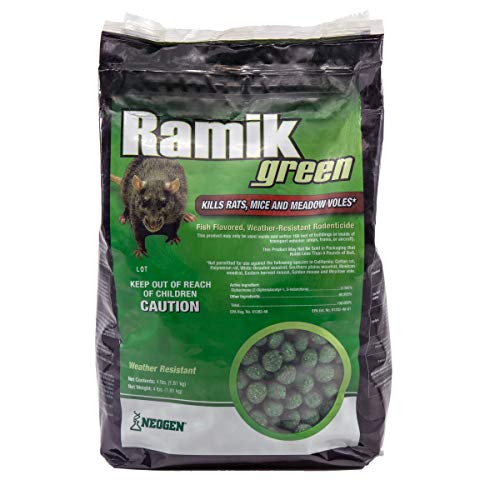
Neogen Ramik Green Fish Flavored Nuggets 4 lb Bag

Bell Laboratories Final Blocks Rodenticide 18 lbs
The Details Behind The Selections
Fish flavor sounds odd until you remember what rodents actually crave near livestock areas. These mini bars lean into that appetite, and the hot-extruded manufacturing process means they hold up in damp corners without relying on a wax binder that can melt or turn brittle.
In a working barn, that matters more than anything else on the label. Toss them along wall lines, behind feed storage, or under pallets, and they stay intact through humidity swings that would ruin loose meal baits.
Bright Spots
- Fish-flavored formulation pulls rodents in even where other food sources compete
- Weather-resistant bars survive damp tack rooms and unheated sheds
- No wax binder, so the bait stays palatable instead of coating rodent palates
- Mini bar size fits tight gaps and standard bait stations alike
Things To Consider
- The fish scent you want rodents to notice can be noticeable to you too during handling
- Bars should sit inside a locked station wherever pets or livestock roam
Key Specs
Who It Suits Best
Anyone running a mixed-use barn who wants one dependable bait for both interior runs and outdoor perimeter lines.
Where A Sibling Pick Shines
Shoppers dealing with meadow voles along fence lines will get broader coverage from the Neogen Ramik Green nuggets reviewed below.
Where the Ramik bars win on durability, FirstStrike wins on speed. Each 10-gram soft bait packet carries difethialone, a second-generation anticoagulant, which is a class of rodenticide designed to work after fewer feedings than older formulas. A lethal dose can come from a single night of feeding, with results typically showing up within several days.
That profile suits a barn facing real population pressure rather than the occasional stray mouse. The individual packets also keep your hands clean and make it easy to track which placements have been hit.
Good Reasons To Consider
- Single-night feeding threshold speeds up control compared to multi-feed baits
- Soft bait texture appeals to rodents that ignore hard blocks
- Pre-measured 10g packets reduce mess and simplify placement records
Worth Noting
- Second-generation actives demand stricter placement discipline around non-target animals
- Soft packets can attract moisture damage if stored open, so reseal the bag between visits
Made For
Farm and property owners confronting an established infestation who want professional-grade chemistry in a manageable bag size.
Consider Something Else When
Households prioritizing a lower-toxicity profile around pets should look at the Kaput warfarin packets covered next.
An 18-pound pail changes how you think about baiting. Instead of rationing a small pouch, you can maintain stations across every corner of a large barn all season. Contrac Blox uses bromadiolone, a single-feeding anticoagulant, blended into food-grade ingredients with a touch of paraffin for structure.
The paraffin content is the quiet advantage here: blocks resist both rain and dry heat, which is why this line shows up so often in agricultural settings. One caveat worth knowing before checkout, shipping restrictions apply in California, so confirm availability for your state.
What Makes Sense
- Bulk 18-pound supply supports multiple stations over a long season
- Single-feeding bromadiolone formula reduces how often rodents must return
- Food-grade ingredient blend encourages uptake from wary animals
- Paraffin-waxed blocks perform in wet and dry conditions alike
- Block form slides neatly onto station rods without crumbling
Trade Offs
- Not shippable to California, which rules out some locations entirely
- A pail this size needs cool, sealed storage away from curious animals
At A Glance
Right Fit For
Operators of big barns, machine sheds, or multi-building properties who would rather buy once per season than monthly.
Not Your Match When
Smaller coops and garages will find the 4-pound Ramik Green bag a more sensible quantity.
Warfarin is the old-school anticoagulant, and that heritage is exactly the point here. Because it requires multiple feedings rather than a single dose, the margin of safety for cats, dogs, and wildlife is wider than with second-generation chemistry. Kaput pairs that gentler active with sealed 2-ounce place packs you set down whole, no scooping required.
For a hobby farm where the barn cat patrols the aisles, that combination is hard to argue with. The trade-off is patience: expect the process to take longer than with faster actives like FirstStrike.
Why It Works Well
- Low-toxicity warfarin formula offers a wider safety margin near pets and wildlife
- Sealed 2 oz packets keep bait fresh and your gloves clean
- Targets rats, mice, and voles in one product
- Labeled for indoor and near-building use, fitting typical farm layouts
Minor Gripes
- Multi-feed chemistry means slower results than single-dose alternatives
- Thirty-two packets go quickly in a large building, so heavy infestations may need repeat orders
- Torn packets left outdoors can degrade, so check placements after storms
Quick Facts
Best Suited To
Farmsteads and homesteads with free-roaming dogs or cats that refuse to compromise on animal safety.
Look Elsewhere When
Speed matters most in a heavy infestation, and that is where LIPHA TECH FirstStrike earns its keep.
Not every situation calls for poison, and MouseX takes that idea literally. Its patented mechanical kill system works through physical action rather than chemical actives, which removes the secondary-poisoning worry entirely when the product is used as directed. The maker positions it as suitable around livestock and pets under those same directions.
Each tray holds 3 ounces of pellets, and the four-pack format suits targeted indoor placements: mudrooms, feed rooms, the corner where dog food is stored. The honest read is that mechanical approaches tend to cost more per ounce of coverage, so scale matters.
Strengths Worth Knowing
- No conventional poisons, easing concerns about residue and secondary exposure
- Works against both rat and mouse species
- Self-contained trays keep pellets contained and easy to position
Softer Spots
- Four 3 oz trays cover far less ground than an 18-pound pail of blocks
- Mechanical action generally works more slowly than anticoagulant chemistry
- Used trays need prompt disposal, adding a cleanup step other formats skip
Who Will Love This
Households and small stables that want a poison-free option for indoor edges and pet-adjacent spaces.
Skip It When
Wide-area barn coverage is the goal, because Bell Labs Contrac Blox delivers far more bait per dollar at scale.
This entry is different from everything else on the list: it holds bait rather than being bait. The lockable housing keeps loose bait dry, fresh, and out of reach of non-target animals, which solves the biggest liability in any barn baiting program. Two side openings give rats and mice easy access while the tamper-resistant lock keeps everything else out.
Inside, vertical rods secure blocks so rodents cannot drag them off to die somewhere unreachable. Sold as a six-pack, it outfits a whole building in one purchase.
What It Does Well
- Lockable, tamper-resistant design protects children, pets, and livestock
- Two entry points improve access rates for both rats and mice
- Interior rods anchor bait blocks against carry-off
- Shields bait from moisture, extending freshness between checks
Points To Note
- Bait sold separately, so budget for blocks or packets alongside the stations
- Periodic cleaning out of debris and old bait keeps the mechanism working smoothly
Core Details
Who Should Grab It
Anyone using loose bait or blocks anywhere pets, poultry, or kids could reach them, which is nearly everyone reading this.
Another Choice May Suit
Shoppers wanting bait included in the box should start with the Neogen Ramik mini bars instead.
Ramik Green shares the fish-flavored appeal of the mini bars in first place, but swaps the bar format for small nuggets and a different active. Diphacinone at 0.005 percent is a first-generation anticoagulant, meaning rodents need to feed across multiple visits, a slower curve that some property owners prefer around non-target animals.
The nugget shape also reaches a pest the bars do not list: meadow voles, those tunneling troublemakers that chew bark and girdle young trees along field edges. Results typically appear within four to five days of a lethal dose being consumed.
Advantages To Know
- Nuggets target rats, mice, and meadow voles in one bag
- First-generation diphacinone chemistry suits cautious multi-feed programs
- Weather-resistant formulation holds up outdoors through the season
- Fish flavor stays attractive even around competing grain sources
Small Caveats
- Multi-feed requirement stretches timelines compared to single-dose blox products
- Loose nuggets belong inside a secured station wherever other animals wander
Feature Snapshot
The Right Fit
Rural properties fighting voles and mice along fence rows and field margins, not just inside the barn itself.
Reach For A Different Pick When
Indoor-only problems call for the contained bar format of the Neogen Ramik mini bars higher up this list.
Final Blocks rounds out the Bell Labs presence here with another bulk-format option for serious square footage. Like Contrac Blox, it ships as an 18-pound supply of durable blocks built to sit in stations for weeks without falling apart, which is the whole point of a block in the first place.
Where it differs is positioning: many barn owners run Final as their maintenance bait after an initial knockdown with something faster. The block format also means less crumb waste sweeping out of stations, a small thing your knees will appreciate during monthly checks.
Real Benefits
- Large 18-pound quantity sustains a season-long maintenance program
- Block form resists crumbling, keeping stations tidier
- Same trusted Bell Labs manufacturing lineage as Contrac Blox
Room For Improvement
- Manufacturer detail on the listing is sparse, so verify the active ingredient suits your local rules
- Bulk pails demand dry, sealed, animal-proof storage between refills
- Overkill for a single small coop or garden shed
Whose Shelf It Belongs On
Experienced property managers running established station networks across multiple outbuildings.
Swap It Out When
First-time users unsure which active fits their situation are better served starting with the smaller Kaput packet count.
What Matters Most Before Choosing Mouse Poisons For Barn
Start With The Active Ingredient
Anticoagulants come in generations. First-generation actives such as warfarin and diphacinone require multiple feedings, which widens the safety margin for pets and wildlife. Second-generation compounds like bromadiolone and difethialone work after a single feeding, trading caution for speed. Match the chemistry to your risk tolerance and your animals.
Placement Beats Potency
The strongest bait fails in the wrong spot. Rodents travel along walls, so set stations perpendicular to runways rather than in open floor. Every loose bait belongs inside a locked station in any building shared with livestock, poultry, or working dogs.
Respect The Weather
Unheated barns swing from damp to bone-dry. Wax-bound blocks and extruded bars handle that range; loose meal and soft baits degrade faster. Choose the format your building’s climate can actually preserve.
Size The Purchase To The Problem
An occasional mouse needs a 4-pound bag. A grain-room infestation across three buildings justifies an 18-pound pail and a six-pack of stations. Buying the wrong scale either strands you mid-campaign or leaves bait expiring on a shelf.
Key Considerations Across These Picks
Traps First Timers Fall Into
The classic error is buying a fast-acting second-generation bait for a home with free-roaming pets, then discovering the safety trade-off too late. The mirror mistake is choosing a gentle multi-feed formula for a heavy infestation and giving up before it works. Read the active ingredient first, then the quantity, then the price.
The Case For Spending Up
Bulk pails and quality stations cost more upfront but lower the cost per placement dramatically over a season. A six-pack of lockable stations plus one large bag of blocks usually outlasts repeated small purchases, and the tamper-resistant housing protects everything else you value in that barn.
Frequently Asked Questions
How long do anticoagulant baits take to work?
Most anticoagulant products show results within roughly four to five days after a rodent consumes a lethal dose. Single-feeding formulas can shorten that window because less total feeding is required.
Do I really need a bait station in a barn?
Yes, whenever livestock, pets, or children share the space. A lockable station keeps bait dry, fresh, and inaccessible to everything except the rodents you are targeting.
What attracts mice better: blocks, bars, or soft bait?
Fish-flavored bars and nuggets perform well around competing grain sources, while soft baits appeal to rodents that ignore harder formats. Rotating formats across a season helps counter bait shyness.
Are these products safe around barn cats?
Lower-toxicity options like warfarin-based packets offer a wider margin, but no rodenticide is risk-free around animals. Secure all bait in tamper-resistant stations and monitor placements regularly.
Why can’t some rodenticides ship to certain states?
State regulations restrict specific active ingredients, and California notably limits several common formulations. Always confirm your state’s rules before ordering a bulk pail.
Closing Thoughts
The right choice comes down to three honest questions: what animals share your space, how bad the pressure is, and how much ground you need to cover. Fast chemistry for heavy infestations, gentler multi-feed formulas around pets, and a lockable station underneath it all. Start with the smallest purchase that matches your situation, then scale up once you know what your barn is actually dealing with.
