

Puppy food decisions carry more weight than most pantry choices. The first year shapes muscle development, digestion, coat quality, and even how well a young dog learns. The eight natural formulas below cover the real situations you’ll face: a fast-growing large breed that needs calorie density, a sensitive stomach that punishes rich recipes, and a small-breed pup with a tiny mouth and a big appetite. Each entry breaks down what the formula actually delivers, where it falls short, and which puppy profile it fits best.
The Essentials At A Glance

Bully Max Pro 2X High Calorie Puppy & Adult Dog Food, Chicken, 4lb

NutriSource Small & Medium Breed Puppy Dry Dog Food, 4 lb
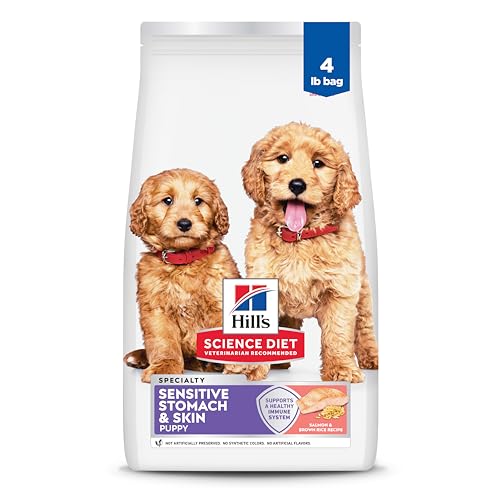
Hill’s Science Diet Puppy Sensitive Stomach & Skin Dry Dog Food

Open Farm Ancient Grains Dry Puppy Food, Chicken & Salmon, 4lb
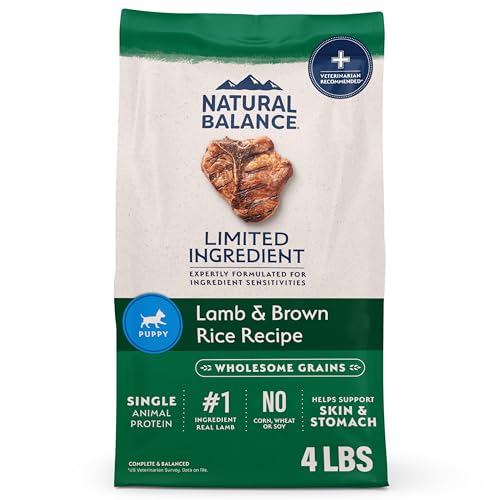
Natural Balance Limited Ingredient Lamb & Brown Rice Puppy Food, 4 lb
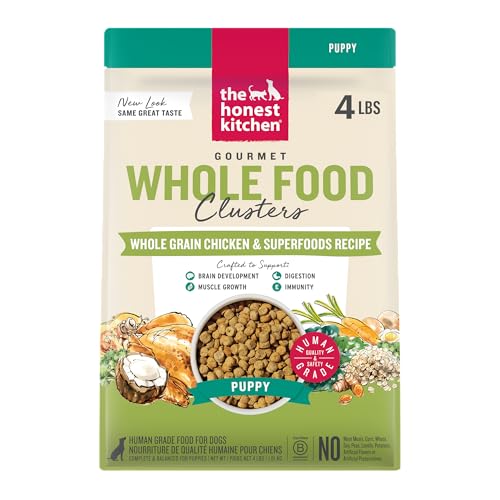
The Honest Kitchen Whole Grain Chicken Whole Food Clusters for Puppies, 4 lb

Blue Buffalo Wilderness Chicken & Wholesome Grains Puppy Dry Dog Food 4.5lb

Natural Balance Limited Ingredient Grain-Free Duck & Potato Puppy Food, 22 lb
What Each Pick Brings To The Table
Some puppies burn fuel faster than their bowls can keep up. Working-breed pups, rescues rebuilding condition, and lanky adolescents often need more energy per scoop than standard growth formulas provide, and that’s the exact gap this slow-cooked chicken recipe targets.
The headline number is 600 calories per cup, roughly double a typical kibble. In practice that means smaller portions deliver full nutrition, useful for dogs who tire of eating or owners managing multiple feedings around training sessions.
What Pays Off
- 600 calories per cup supports healthy weight gain without forcing huge meal volumes
- High protein content helps muscle development in growing large and small breeds alike
- Flaxseed adds omega fatty acids for coat condition alongside the calorie load
- Works for both puppies and adults, so you won’t need a mid-growth food switch
Things To Consider
- The density cuts both ways: casual house pets may gain weight quickly, so portion carefully
- A 4lb bag disappears fast with a large-breed puppy, meaning frequent reorders
Key Specs
Who It Suits Best
Owners of underweight, highly active, or working-line puppies who need serious caloric support from a single bowl.
Reach For A Different Pick When
A calm apartment puppy with average energy will do better on the NutriSource Small & Medium Breed formula, which isn’t built for aggressive weight gain.
First-time puppy owners rarely want drama from a food bag. This NutriSource recipe keeps things steady: chicken meal leads the ingredient list, supplying the amino acids a growing body uses to build muscle, and the kibble size suits smaller jaws still learning to chew.
Where it earns its place is digestive support. Prebiotics and probiotics, live beneficial bacteria that help balance gut flora, are built into the formula rather than added as an afterthought supplement.
A Strong Showing
- Chicken meal as the first ingredient delivers concentrated protein for lean growth
- Built-in probiotics mean fewer loose-stool surprises during food transitions
- L-carnitine and taurine support heart development during the rapid-growth window
- Omega fatty acids contribute to skin and coat health without extra supplements
Worth Noting
- This listing comes from a third-party seller, so check seller ratings before ordering
- The 4lb bag suits toy and small breeds better than a fast-growing medium dog
Made For
New owners of beagles, cocker spaniels, French bulldogs, and similar small-to-medium pups who want a low-fuss everyday feeder.
Swap It Out When
Your puppy shows recurring stomach upset despite gradual transitions; the Hill’s Science Diet Sensitive Stomach & Skin recipe later in this list is purpose-built for that problem.
Every litter seems to include one puppy with a temperamental gut. Loose stools after every new food, occasional vomiting, dull coat: these are the dogs this Hill’s formula was designed around, pairing a highly digestible base with prebiotic fiber that feeds good gut bacteria.
Unlike the Bully Max above, which chases calorie density, this recipe prioritizes absorption. A puppy can eat plenty of food yet stay undernourished if the digestive tract can’t extract nutrients, so gentleness here translates directly into visible growth.
Notable Upsides
- Prebiotic fiber supports smoother stools and steadier digestion week over week
- Vitamin E plus omega-3 and omega-6 fatty acids improve coat shine within a typical bag or two
- DHA supports brain development during the critical early months
- Vitamins C and E act as antioxidants backing the developing immune system
Points To Note
- Available in 4lb and 13lb bags; large-breed owners will cycle through the small size quickly
- Formulated for sensitivity, not elimination diets, so true allergies may need a limited-ingredient option like Natural Balance instead
Feature Snapshot
Right Fit For
Puppies with recurring soft stools or itchy skin whose owners want a widely available, vet-formulated answer.
Another Choice May Suit
Confirmed protein allergies point toward the Natural Balance Limited Ingredient Lamb & Brown Rice recipe, which strips the formula down to one animal protein.
Shoppers who read sourcing pages before price tags tend to land on Open Farm. The brand publishes where its ingredients come from, and this puppy recipe pairs humanely raised chicken with wild-caught salmon, a combination that brings both land and marine protein to the bowl.
Ancient grains like oats and quinoa replace the corn and wheat fillers found in budget kibble. These older grain varieties digest easily and add fiber, vitamins, and minerals, giving the formula a middle path between grain-free trends and conventional recipes.
Practical Pluses
- Dual animal proteins from chicken and salmon support muscle growth and skin health together
- Oats and quinoa offer gentle, fiber-rich carbohydrates instead of cheap fillers
- Non-GMO fruits and vegetables round out micronutrient coverage naturally
- Multiple recipe variants exist, so multi-pet homes can align adult and puppy foods under one brand
Honest Caveats
- Premium sourcing usually means a higher cost per pound than mainstream brands
- The 22lb option exists, but first-time buyers often start with the 4lb bag and reorder often
Who Will Love This
Ingredient-conscious owners raising puppies in homes that already prioritize organic produce and ethically sourced meat.
Where A Sibling Pick Shines
Budget-focused shoppers get comparable digestive support from the Blue Buffalo Wilderness recipe at a friendlier price point.
Limited-ingredient diets work on subtraction. Instead of adding solutions, they remove suspects: one animal protein, one main carbohydrate, fewer total components. That makes reactions easier to trace when a puppy scratches, chews paws, or produces inconsistent stools.
Lamb serves as the single premium protein here, delivering essential amino acids for muscle development, while brown rice supplies steady energy. The simplified structure also means fewer chances for an ingredient to disagree with a sensitive system.
What Stands Out
- Single animal protein makes allergy identification far simpler than multi-meat formulas
- Lamb offers a less common protein, helpful for puppies already sensitized to chicken
- Brown rice provides digestible fiber supporting consistent digestion
- Chicken, salmon, and lamb variants let you rotate proteins within the same trusted framework
Softer Spots
- Grain-inclusive by design, so strictly grain-free households should look at the duck and potato Reserve recipe instead
- Simpler formulas sometimes mean fewer added extras like probiotics or joint support
Core Details
Whose Shelf It Belongs On
Homes managing a puppy with suspected food sensitivities who want a structured way to pinpoint triggers.
Consider Something Else When
A healthy puppy with no known issues gets broader nutritional extras from the Honest Kitchen clusters reviewed next.
Human grade means every ingredient meets the safety standards applied to food made for people, a bar ordinary kibble doesn’t clear. The Honest Kitchen builds these clusters with cage-free chicken, then roasts them into golden bites that look closer to baked granola than extruded pellets.
You can see the difference in the bowl, and picky puppies seem to notice too. Carrots, broccoli, kale, pumpkin, apples, and live probiotics ride along with the protein, covering immunity and digestion in the same serving.
Benefits That Matter
- DHA from quality fish oil backs brain and eye development in the critical growth window
- Live probiotics plus pumpkin and apple support digestion from day one
- Human-grade certification gives unusually transparent ingredient accountability
- Roasted cluster texture tempts fussy eaters who turn away from standard kibble
Trade Offs
- Cost per pound runs well above conventional puppy kibble, noticeable with large breeds
- The softer, denser bite may crumble in storage bags; an airtight container helps
Quick Facts
Who Should Grab It
Owners of picky small-breed puppies who treat food quality as non-negotiable and don’t mind paying for it.
Look Elsewhere When
Feeding a rapidly growing large breed on a budget, the Blue Buffalo Wilderness 13lb format stretches further per dollar.
Wilderness is Blue Buffalo’s protein-forward line, and this puppy version leads with real chicken while keeping wholesome grains in the mix. That combination answers a common dilemma: high-protein nutrition without committing to a fully grain-free diet, which some owners prefer to avoid.
The signature touch is LifeSource Bits, dark kibble pieces packed with antioxidants and vitamins. They’re cold-formed, a process meant to protect heat-sensitive nutrients that standard extrusion can degrade.
Bright Spots
- Real chicken as the first ingredient fuels sustained energy for playful pups
- DHA supports cognitive development during peak learning months
- LifeSource Bits add antioxidant coverage aimed at immune health
- Grain-free and grain-inclusive versions share the same recipe family, easing transitions
Small Caveats
- Some dogs pick around the darker LifeSource Bits, leaving uneven nutrition in the bowl
- Rich protein levels can loosen stools during abrupt switches, so transition over a week or more
The Right Fit
Active medium and large-breed puppies whose owners want strong protein numbers with the reassurance of grains.
Not Your Match When
Maximum calorie density matters more than variety; the Bully Max Pro 2X at the top of this list packs far more energy per cup.
This is the bulk-format sibling of the lamb recipe earlier in the list, swapping lamb for duck and brown rice for potato. Duck remains the single animal protein, keeping the limited-ingredient logic intact while removing both grain and chicken from the equation entirely.
The 22-pound bag changes the ownership math. Multi-puppy homes, foster carers, and anyone past the trial stage save themselves constant reordering, though you’ll want a sealed bin since large bags lose freshness once opened.
Practical Advantages
- Duck-only protein suits puppies sensitive to chicken, the most common trigger
- Potato supplies grain-free fiber supporting digestive regularity
- Small kibble bites fit developing puppy mouths, with DHA included for brain growth
- Every batch goes through the brand’s Feed with Confidence testing program, verifiable online
Details To Watch
- A 22lb commitment is risky before confirming your puppy tolerates the recipe
- Large bags demand proper airtight storage to prevent staleness and pests
At A Glance
Best Suited To
Households with multiple puppies or confirmed chicken sensitivities ready to commit to a proven recipe in volume.
Skip It When
You’re still trialing a new food; start with the 4lb Natural Balance Lamb & Brown Rice bag before scaling up.
Choosing Well: What Actually Matters In Puppy Food
Match The Formula To The Breed Trajectory
A Great Dane puppy and a Chihuahua puppy have opposite feeding problems. Large breeds grow slowly on purpose, and overly dense calories can push joints harder than they’re ready for, while toy breeds risk blood sugar dips and need energy-packed small meals. Read the feeding chart against your puppy’s expected adult weight, not current weight.
Protein Quality Beats Protein Hype
The first named ingredient tells you more than any marketing banner. Chicken meal, for instance, is rendered chicken with moisture removed, so it carries more protein per gram than fresh meat. Look for a named animal source up front and a guaranteed analysis appropriate for growth.
Sensitivity Signs Deserve Respect
Chronic soft stools, paw licking, ear flare-ups, and dull coats often trace back to diet. A limited-ingredient recipe with one novel protein gives you a clean baseline. Change one variable at a time and give each food two to three weeks before judging results.
Budget For The Full Year
Puppies eat a lot. A 4lb bag that lasts a Chihuahua a month vanishes in days for a Labrador. Calculate cost per day across your puppy’s expected adult size before falling for a premium formula you can’t sustain, because consistency matters more than occasional splurges.
Key Considerations Across These Picks
Traps First Timers Fall Into
Switching foods overnight is the classic error; a seven-day gradual blend protects young digestive tracts. Another trap is judging a formula within three days, before coats and stools reflect the change. And skipping the feeding chart leads to overfeeding, the fastest route to growth problems in large breeds.
When Paying More Pays Off
Premium tiers buy sourcing transparency, human-grade handling, and extras like probiotics and DHA built into the recipe. Those upgrades earn their cost for sensitive puppies and picky eaters. A healthy, easygoing pup on a budget does fine on mid-tier options, so spend where your specific dog actually needs it.
Frequently Asked Questions
How long should a puppy stay on puppy food?
Most puppies eat growth formulas until around 12 months old. Large and giant breeds often benefit from staying on longer, following your veterinarian’s guidance based on growth plates.
Can I mix two of these foods together?
Blending two complete puppy foods is generally safe and sometimes eases transitions. Keep proportions stable rather than rotating randomly, so digestion stays predictable.
Is grain-free automatically healthier for puppies?
No. Unless your puppy has a diagnosed grain sensitivity, grains like oats and brown rice supply useful fiber and energy. Discuss grain-free choices with your vet given ongoing research into diet-linked heart concerns.
What’s DHA and why do puppy foods include it?
DHA is an omega-3 fatty acid concentrated in fish oil. It supports brain and eye development during the first year, which is why nearly every quality puppy formula includes it.
How do I switch my puppy to a new food safely?
Blend increasing amounts of the new food into the old over seven to ten days. Slow transitions dramatically reduce loose stools and refusal to eat.
Closing Thoughts
Your puppy’s first-year diet sets patterns that outlast the kibble bag. Start with the profile that matches your dog: calorie density for hard gainers, limited ingredients for sensitive systems, human-grade clusters for fussy appetites. Buy small first, transition slowly, and watch stools and coat as your honest report card. The right choice is the one your specific puppy thrives on, and now you know exactly where to look.
