

Ticks ruin good walks fast. One latch onto your dog after a hike through tall grass, and you’re dealing with removal, worry, and a house check. The eight options below lean on plant oils, permethrin fabric treatment, or chewable formulas instead of harsh chemical collars, so you can match protection to your dog’s size, coat, and lifestyle without dreading application day.
Your Options, Compared
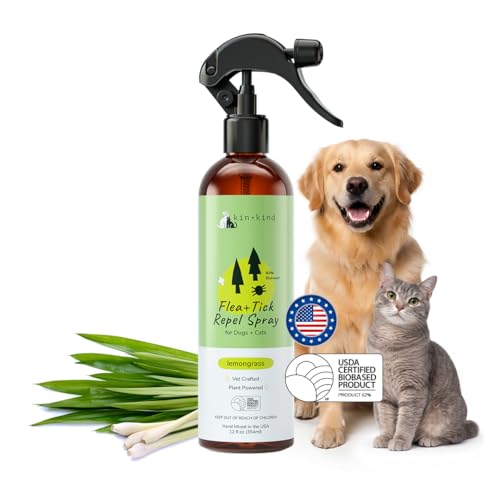
kin+kind Flea & Tick Repel Coat Spray, Lemongrass, 12 fl oz
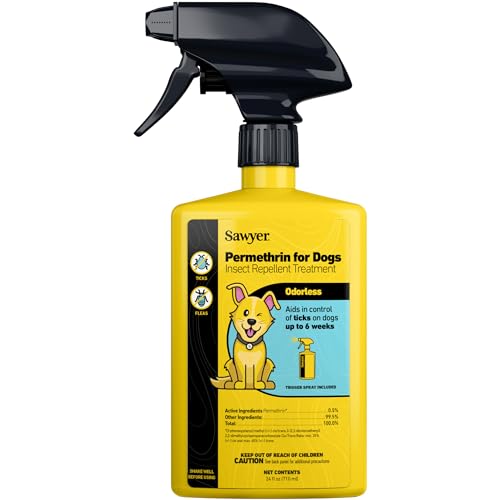
Sawyer SP624 Permethrin for Dogs Treatment

kin+kind Flea & Tick Repel Dog Coat Spray, Lavender Mint

Wondercide Flea Tick & Mosquito Spot On, Small

Wondercide Flea Tick & Mosquito Spot On, Large

Wondercide Flea Tick & Mosquito Spot On, Medium

Pawzitive Pets Chewable Flea and Tick Prevention, 120 Soft Chews

Trail Guard Extra Strength Flea & Tick Spray, 16oz
More On The Choices That Made The List
This lemongrass-based coat spray earns its spot near the top because it works across species. Most plant sprays are dogs-only, so a household with both a beagle and a tabby usually ends up buying two bottles. Here, one 12-ounce bottle covers both, which simplifies the morning routine before backyard time.
The formula leans on lemongrass alongside cedarwood and rosemary, oils that interfere with how pests detect a host. Daily misting before walks is the intended rhythm, so think of it like sunscreen rather than a one-and-done treatment.
Everyday Wins
- Labeled for dogs and cats, so one bottle handles the whole fur family.
- Lemongrass, cedarwood, and rosemary blend masks your pet’s scent signature from pests.
- The 12 fl oz bottle lasts weeks of once-a-day use for most single-dog homes.
- Light botanical scent beats the chemical smell many owners report with conventional sprays.
Things To Consider
- Daily reapplication is the deal; skip a day in heavy tick season and coverage thins out.
- Essential-oil sprays can bother pets with sensitive skin, so a small patch check first is wise.
At A Glance
Who It Suits Best
Owners of both dogs and cats who want a single plant-based spray for daily pre-walk use.
Where A Sibling Pick Shines
Dogs heading into deep woods for days at a stretch will hold up better with the Sawyer SP624 Permethrin treatment below.
Where the kin+kind sprays ask for daily effort, this Sawyer treatment plays the long game. Permethrin, a synthetic version of a compound found in chrysanthemums, bonds to coat and fabric so one application keeps working for weeks. Hunters, trail runners, and anyone whose dog spends weekends in tick country tend to gravitate here for exactly that reason.
The 24-ounce trigger bottle treats generously, and Sawyer notes it won’t harm fabrics or finishes, so treating bedding and gear alongside the dog is fair game. It’s odorless too, which sensitive noses appreciate.
Key Advantages
- Tick control on dogs for up to six weeks per application, per the manufacturer.
- Flea and lice control lasting around 35 days cuts down your maintenance calendar.
- Odorless once dry, unlike most botanical sprays that announce themselves.
- Safe on fabrics, so kennels, blankets, and gear can be treated in the same session.
Points To Note
- Permethrin is toxic to cats when wet, so keep felines away until the coat fully dries.
- You’ll need to apply it ahead of exposure and let it set, which takes more planning than a quick spritz.
Quick Facts
Made For
Owners of outdoor working or sporting dogs who need multi-week coverage through dense tick habitat.
Consider Something Else When
Cat owners should reach for the kin+kind Lemongrass Coat Spray instead, since its botanical formula carries no permethrin risk around felines.
Same brand, same 12-ounce format, different personality. This version swaps lemongrass for a peppermint-forward blend rounded out by cedarwood and rosemary, and the lavender-mint character reads calmer in a small apartment than sharp citrus does. Anxious dogs that flinch at strong smells often tolerate this one better, based on what owners commonly report.
Like its sibling, it’s built for daily use before walks or yard time. The trade-off versus the Sawyer permethrin option above is duration: you’re committing to a habit, not a six-week shield.
What It Does Well
- Peppermint and cedarwood disrupt how pests zero in on your dog.
- Gentler scent profile suits indoor living and smell-sensitive pets.
- Dog-specific labeling keeps dosing simple for single-dog homes.
Small Caveats
- Daily application is required, and missing sessions during peak season weakens the barrier.
- Not labeled for cats, so multi-pet homes need the Lemongrass version instead.
Right Fit For
City dwellers with one dog whose walks stick to parks and sidewalks rather than deep brush.
Swap It Out When
Homes sharing space with a cat will find the kin+kind Lemongrass Coat Spray the safer shared-bottle choice.
Spot-on treatments sit between sprays and chews: one squeeze along the spine each month, then hands off. This small-dog version ships three 0.05 oz tubes, a three-month supply sized for little frames where overdosing is the main worry. First-time natural-treatment users tend to find the monthly rhythm easier to remember than a daily spray.
Each tube targets fleas and ticks for roughly a month, with about a week of mosquito benefit layered on top. Essential oils do the work, so there’s no pesticide collar sitting against your dog’s neck.
Standout Benefits
- Monthly dosing means twelve quick applications a year instead of hundreds of sprays.
- Small-dog tube sizing reduces the guesswork that comes with dividing adult doses.
- Mosquito coverage adds value during humid summer evenings.
- Three tubes per box simplify stocking up before season starts.
Worth Noting
- Oily residue at the application site is common with spot-ons; keep your dog from furniture until it absorbs.
- Mosquito protection fades within about a week, well short of the flea and tick window.
Key Attributes
Who Will Love This
Owners of toy and small breeds under roughly 15 pounds who want set-and-forget monthly care.
Another Choice May Suit
Dogs over 55 pounds need the Wondercide Large Spot On later in this list, since the small tubes won’t deliver enough volume.
Big dogs burn through undersized doses fast, and a Great Dane treated with small-breed tubes simply won’t get an even barrier along that much spine. This large version triples the tube volume to 0.17 oz each, still three tubes per box, still a three-month supply. Same essential-oil platform as the smaller Wondercide tubes, just scaled honestly.
Expect the same month-long flea and tick window and week-long mosquito benefit. The honest read is that thick double coats may need parting the fur carefully so the oil reaches skin rather than sitting on top.
Benefits That Matter
- 0.17 oz tubes match the dose large frames actually require.
- Three-month supply keeps big-dog costs predictable across a season.
- Plant-powered formula avoids the collar-and-pesticide setup some owners want to skip.
Trade Offs To Consider
- Application through dense coats takes patience; part the hair down to skin for even spread.
- Greasy spots near the shoulder blades can transfer to couches for a day or so.
Best Suited To
Households with large or giant breeds spending regular time in grassy, tick-heavy yards.
Reach For A Different Pick When
Moderate-sized dogs around 30 to 50 pounds fit the Wondercide Medium Spot On better than either end of this range.
The middle child of the Wondercide trio lands where most American dogs actually live, weight-wise. At 0.10 oz per tube across three tubes, it splits the difference between the small and large versions without asking you to halve or double anything. Labradors, border collies, and mixed breeds in the mid-range get a properly matched dose straight from the box.
Performance mirrors its siblings: about a month of flea and tick benefit per tube, roughly a week against mosquitoes. Nothing new to learn if you’ve used the other sizes.
The Helpful Details
- Mid-range dosing fits the most common weight bracket without math.
- Same three-month supply structure as the rest of the line.
- Essential-oil base keeps the ingredient story simple and readable.
Less Ideal Details
- Weight boundaries matter; a dog near the top of the range may do better stepping up a size.
- Spot-on residue near the application point can rub off on bedding early on.
Who Should Grab It
Families with average-sized dogs in the middle weight range who prefer monthly routines over daily spraying.
Not Your Match When
Toy breeds belong with the Wondercide Small Spot On, whose lighter tubes suit their frame far better.
Some dogs treat a spray bottle like a personal insult. For those pets, a soft chew changes the entire conversation: the daily dose arrives as a treat, and the wrestling match disappears. This tub holds 120 chews, made in the USA, positioned as a skin and coat supplement with flea and tick support folded in.
It works differently from everything else on this list. Rather than repelling pests on contact, the chew approach supports your dog’s system from within, so expectations should stay realistic. Owners commonly report it pairs best alongside a topical or environmental measure during heavy season.
A Few Strong Suits
- Treat-format dosing removes the struggle sprays and spot-ons create.
- 120-chew supply stretches across four months of daily use.
- Suites all breed sizes, from puppies through large adults.
- Skin and coat ingredients add a secondary benefit beyond pest season.
Details To Watch
- Daily consistency matters; skipped chews mean skipped coverage.
- Oral supplements alone may fall short in heavy tick regions, so layering is worth considering.
Core Details
Whose Shelf It Belongs On
Owners of picky or squirmy dogs who reject sprays and hate having their back touched.
Look Elsewhere When
Deep-woods exposure calls for the Sawyer SP624 Permethrin treatment, whose longer-lasting barrier suits serious tick terrain.
Camping families, take note: this is the only bottle here labeled for dogs, cats, people, and the home itself. Trail Hound’s extra-strength formula uses cedarwood and rosemary in a generous 16-ounce bottle, designed around outdoor enthusiasts who want one canister in the RV covering everyone, two-legged and four.
The manufacturer describes strong by-contact performance against fleas and ticks plus a residual barrier against new arrivals. Compared with the kin+kind sprays earlier in the list, you give up the boutique branding and gain volume, versatility, and a lower cost per ounce.
Noteworthy Benefits
- One bottle serves pets, people, and household surfaces alike.
- 16 oz of extra-strength formula outlasts typical 12 oz pet sprays.
- Cedarwood and rosemary base keeps the ingredient list plant-driven.
- Contact action helps knock down pests already on gear or bedding.
Factors To Consider
- Stronger concentration means patch-checking pets with sensitive skin first.
- Botanical sprays fade with swimming or rain, so reapply after wet outings.
The Numbers That Matter
The Right Fit
Outdoor households that camp, hike, or travel with pets and want one versatile spray for the whole crew.
Skip It When
Apartment dwellers with one small dog will find the Wondercide Small Spot On simpler and less scented for indoor life.
What Matters Most Before Choosing Natural Dog Tick Repellents
Match The Format To Your Routine
Sprays demand daily attention, spot-ons run monthly, and chews slot into mealtime. Honest self-assessment matters more than any ingredient list: a busy owner who forgets a daily mist gets worse results than one who reliably applies a monthly tube. Pick the cadence you’ll actually keep.
Weight And Species Fit Come First
Tube sizing exists for a reason. A small-breed dose on a Labrador leaves gaps in coverage, while a large dose on a terrier risks over-application. Cat households face a harder constraint, since permethrin products pose real danger to felines, especially while wet. Always confirm the label covers every animal in your home.
Know Your Terrain
Suburban lawn ticks and deep-forest ticks are different problems. Light yard use rarely justifies heavy-duty chemistry, while regular hunting or hiking trips argue for longer-duration options like permethrin treatments. Coastal humidity adds mosquitoes to the equation, which pushes multi-pest formulas forward.
Layering Beats Any Single Product
Veterinarians generally agree that no single natural product matches the staying power of pharmaceutical preventives. Combining a chew or spot-on with environmental measures, like keeping grass short and checking coats after walks, closes most of that gap without leaning on stronger chemicals.
Key Considerations Across These Picks
Traps First Timers Fall Into
The classic error is buying a cat-unsafe permethrin product into a mixed-pet home, or applying a large-dog tube to a puppy. Another frequent slip: assuming one application lasts all season. Read the weight brackets, note the reapplication window, and calendar it.
What Separates Premium From Basic
Higher-tier options justify their cost through duration and breadth. A six-week permethrin treatment or a three-tube monthly system costs more upfront but demands less of your attention, and multi-use bottles like the Trail Guard replace several separate purchases. Paying up buys convenience and coverage, not magic.
Frequently Asked Questions
Do natural tick repellents really work on dogs?
Plant-based options can meaningfully reduce tick encounters when applied on schedule. Their duration runs shorter than pharmaceutical products, so consistent reapplication is what makes them effective.
How often should I apply a natural tick spray?
Most botanical sprays call for daily use before outdoor time. Reapply after swimming, heavy rain, or vigorous play that wets the coat.
Are essential oil sprays safe around cats?
Many are specifically formulated and labeled for cats, like the kin+kind lemongrass version. Never share a dog-only product with a cat, and watch for skin sensitivity either way.
Can I combine a chew with a topical spray?
Yes, and many owners do exactly that during peak season. The formats work differently, so layering adds coverage rather than doubling a dose.
When is tick season for dogs?
Ticks activate whenever temperatures climb above freezing, with peaks in spring and fall. In warmer regions, year-round vigilance is the realistic baseline.
Closing Thoughts
Your best choice depends less on the bottle and more on your calendar. Daily walkers with mixed pets will get the most from the kin+kind lemongrass spray, while big-dog owners in tick country should look hard at Sawyer’s long-window permethrin treatment. Whatever you land on, pair it with post-walk coat checks and short grass, and you’ve covered the bases that matter most.
