

Puppy training lives or dies by the reward in your pocket. The right natural puppy treats keep sessions frequent because they’re small, low-calorie, and made from ingredients you can actually pronounce. This roundup covers eight options that fit real training routines, from soft bite-sized bits to single-ingredient freeze-dried rewards. Each one earns its place through clean formulas and practical handling, not marketing gloss.
A Closer Look At The Lineup
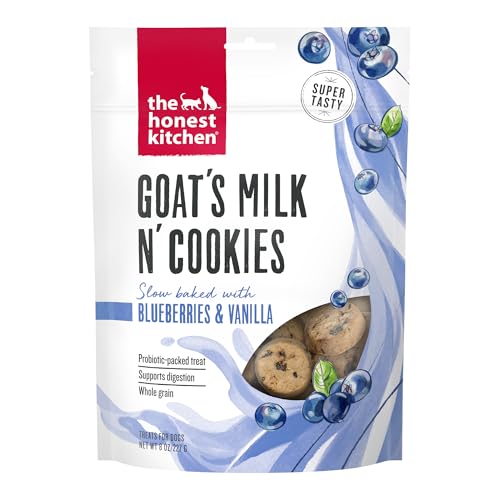
The Honest Kitchen Goat’s Milk N’ Cookies Blueberry & Vanilla 8 oz

Wellness CORE Brainiac Soft Puppy Training Treats Beef & Turkey 6 oz

Bocce’s Bakery Bac’n Nutty Puppy Training Treats PB & Bacon 3 oz

Blue Dog Bakery Perfect Trainers Beef Mini Treats 6 oz

Pupford Freeze Dried Training Treats 1lb Beef Bundle

Pupford Freeze Dried Training Treats Chicken 4 oz 3 Pack

Pupford Freeze Dried Training Treats Sweet Potato 4 oz
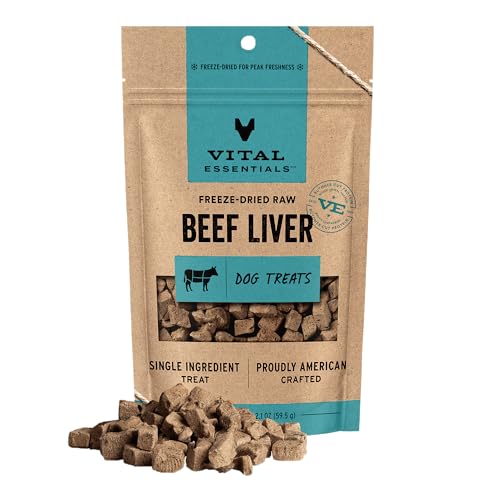
Vital Essentials Freeze Dried Dog Treats Beef Liver 2.1 oz
A Closer Look At Each Pick
Most puppy biscuits are just filler with a flavor name. This one leans on goat’s milk, a naturally gentle ingredient many owners reach for when young stomachs are still settling into new food. The blueberry and vanilla recipe keeps the ingredient list short and recognizable.
In a busy household where treats get handed out all day, a crunchy biscuit that doubles as everyday rewarding makes sense. It suits dogs of any size, so it can outlast the puppy phase instead of being replaced at adulthood.
Points In Its Favor
- Goat’s milk base offers gentle support for developing digestion without extra supplements.
- Crunchy texture gives teething pups something satisfying to work through.
- No artificial preservatives, flavors, or GMO ingredients in the formula.
- Versatile enough for training rewards, enrichment toys, or casual treating.
Things To Consider
- Crunchy biscuits crumble in pockets and pouches, so a sealed container works better for carry-along use.
- Larger pieces may need breaking in half for very small breeds during rapid-fire sessions.
Key Specs
Who It Suits Best
Families who want one dependable biscuit for daily rewarding and gentler digestion support as their puppy grows.
Where Another Pick Shines
For high-volume clicker training, the Wellness CORE Brainiac soft treats deliver faster reward cycles at six calories apiece.
Early training means dozens of repetitions per day, and calorie math matters fast. At six calories per piece, these soft bites let you run long sessions without blowing your pup’s daily budget. The grain-free beef and turkey recipe adds vitamins formulated specifically for growing dogs.
Where the Honest Kitchen biscuits lean crunchy, this pick goes soft and chewy, which puppies swallow quickly and stay focused for. Salmon oil brings DHA, an omega fatty acid tied to brain development, plus skin and coat support on the side.
Reasons It Performs
- Six calories per treat keeps multi-session days manageable.
- Salmon oil supplies DHA for cognitive development during the critical early months.
- Soft texture suits baby teeth and fast-paced reward timing.
- Quality proteins lead the short ingredient list rather than fillers.
Small Caveats
- Soft treats dry out once opened, so press the bag closed tightly between sessions.
- Grain-free formulas don’t suit every household preference, worth checking with your vet first.
Feature Snapshot
Made For
First-time puppy owners running structured obedience or crate training who need a reliable, low-calorie soft reward.
Swap It Out When
Walk-based training calls for something pocket-stable, and the Bocce’s Bakery three-ounce pouch travels lighter.
Leash training happens in motion, and bulky bags don’t. Bocce’s sized this peanut butter and bacon recipe into a small pouch that slips into a jacket pocket or car console, which is exactly where loose-leash practice actually occurs. The soft, chewy format keeps reward timing quick.
Compared to the Wellness soft bites, these trade the DHA focus for pure portability and a flavor combination most puppies find hard to ignore. Bacon aroma carries well outdoors, useful when distractions compete for attention.
The Helpful Details
- Pocket-sized three-ounce bag fits walks, car rides, and park sessions.
- Soft chew format lets puppies eat fast and refocus on you.
- Peanut butter and bacon pairing delivers strong outdoor-level motivation.
Worth Noting
- The small bag empties quickly under daily use, so multi-pack options make more sense for heavy trainers.
- Chewy treats can stick together in warm weather, worth storing somewhere cool.
Right Fit For
Owners doing leash manners and recall work outside the home who want a compact, high-aroma reward.
Another Choice May Suit
Home-based session work benefits more from the larger Blue Dog Bakery Perfect Trainers pouch and its resealable storage.
House training rewards need to be tiny, tasty, and endlessly repeatable. These batch-baked mini bites hit three calories each, built around USA-sourced beef, sweet potato, and beef tallow. Nothing artificial shows up in the formula, which matches the brand’s stated mission across its whole treat line.
The resealable pouch is the quiet advantage here. Unlike the Bocce’s travel pouch, this one holds freshness through weeks of counter-side grab-and-go moments, which is how house training actually plays out. Owners commonly report the soft-chew texture holds up well for young teeth.
Good Reasons To Consider
- Three calories per piece supports the high frequency house training demands.
- Resealable bag keeps treats fresh between spontaneous potty victories.
- No artificial colors, flavors, preservatives, or animal by-products anywhere in the recipe.
- USA beef and sweet potato give the formula a short, readable label.
Points To Note
- Mini size means hands get greasy from the tallow after long sessions, a quick wash handles it.
- Beef-forward recipes won’t suit households managing specific protein sensitivities.
Who Will Love This
Anyone mid-house-training who wants a counter-friendly pouch of tiny, clean rewards always within reach.
Reach For A Different Pick When
Long-term bulk supply matters more, and the Pupford one-pound beef bundle stretches much further per dollar.
Serious training burns through treats like kindling. This bundle ships eight two-ounce bags of beef liver, a full pound total, so a multi-month reinforcement plan doesn’t require constant reordering. Freeze-drying, a process that removes moisture while preserving flavor and nutrients, keeps each piece lightweight and shelf-stable.
Three simple ingredients carry the whole formula, keeping calories low enough for aggressive repetition schedules. Compared with the smaller Pupford packs below, this bundle is purely about volume economics for committed trainers.
What It Does Well
- One-pound supply covers months of consistent daily sessions.
- Three-ingredient recipe keeps nutritional density high and calories low.
- Individual two-ounce bags stay fresh until opened, reducing waste.
- Lightweight pieces make quick reward delivery effortless.
Honest Caveats
- Freeze-dried liver has a strong smell humans notice more than biscuits produce.
- Opened bags need sealing well, since moisture softens the texture over time.
Quick Facts
Who Should Grab It
Dedicated trainers working through obedience classes or sport foundations who need volume without label compromise.
Look Elsewhere When
Casual treat-givers will find the Vital Essentials 2.1-ounce bag a more sensible starting quantity.
Chicken is the flavor most puppies respond to first, and this three-pack keeps a steady supply on hand. Two ingredients make up the entire recipe, which keeps calories down and nutritional value up. That simplicity also lowers the odds of triggering a sensitive stomach during heavy training weeks.
Against the beef bundle above, this pack trades liver intensity for a milder protein many fussy eaters prefer. The pieces are small and light, built for the rapid-fire timing that marker training depends on.
A Few Highlights
- Two-ingredient chicken formula suits delicate young digestion.
- Three-bag pack spreads supply across several months of moderate use.
- Tiny, lightweight pieces speed up reward delivery mid-session.
Less Ideal Details
- Chicken-only recipes limit variety, and some pups plateau on a single flavor over time.
- Crumb dust collects at the bottom of bags near the end.
Best Suited To
Owners running daily reinforcement with a chicken-motivated puppy who wants backup stock without committing to a full pound.
Consider Something Else When
Meat sensitivities are in play, since the sweet potato Pupford option skips animal protein entirely.
One ingredient, full stop. This sweet potato version contains nothing but the vegetable itself, freeze-dried into small training-sized pieces. For puppies with suspected meat sensitivities or households that prefer plant-based rewards, the label reads about as cleanly as the category allows.
The honest caveat is motivation level. Sweet potato rarely competes with liver or bacon in drive-heavy situations, though plenty of pups take to it happily. In our view, it works best as a rotation treat alongside a higher-value option rather than a standalone reward for difficult behaviors.
Everyday Advantages
- Single-ingredient list removes nearly all allergy guesswork.
- Naturally low calorie content supports generous session volumes.
- Mild aroma keeps indoor training pleasant for everyone else in the room.
Details To Watch
- Lower scent appeal may fall flat with distracted or food-selective puppies outdoors.
- Pieces can soften if the bag sits open in humid kitchens.
Core Details
Whose Shelf It Belongs On
Homes managing food sensitivities or preferring single-source plant rewards for everyday reinforcing.
Not Your Match When
High-distraction recall work demands stronger pull, which the Vital Essentials beef liver delivers far more reliably.
Every trainer needs one jackpot reward, and freeze-dried raw beef liver fills that role better than almost anything. Single-source protein means the entire bag is liver, nothing padded in, giving a hearty texture and a scent dogs find magnetic even amid park chaos.
This is the pick to reserve for breakthrough moments: first successful recall past a squirrel, calm behavior at the vet. Using it sparingly stretches the 2.1-ounce bag further and keeps its motivational power intact. Larger sizes exist for households that go through it faster.
The Case For It
- Single-source beef liver delivers meat-first nutrition with no filler ingredients.
- Strong natural aroma cuts through outdoor distraction effectively.
- Freeze-drying preserves flavor and nutrients without refrigeration.
- Hearty bite-sized pieces suit both training and occasional treating.
Factors To Weigh
- The smell is genuinely strong, so sealed storage away from living spaces is wise.
- Rich organ meat warrants moderation, particularly for puppies new to treats.
Technical Reference
Perfect Match For
Trainers building a reward hierarchy who need a top-tier motivator reserved for hard-won wins.
A Better Fit Elsewhere
Everyday low-stakes rewarding costs less per session with the Pupford chicken three-pack.
What Matters Most Before Choosing Natural Puppy Treats
Ingredient Lists Tell The Real Story
Short lists win here. A treat built from named proteins, fruits, or vegetables gives you confidence about what enters a developing digestive system, while long chemical-sounding tails usually signal filler. Check the first three ingredients specifically, since they dominate the formula by weight.
Calorie Count Shapes Your Training Ceiling
Puppies learn through repetition, and repetition means many treats per day. Soft bites at three to six calories each allow fifty rewards without derailing balanced nutrition, while dense biscuits demand stricter rationing. Match the treat’s calorie load to how often your sessions actually run.
Texture Determines Where Training Happens
Crunchy biscuits suit home use and slower pacing, while soft or freeze-dried pieces vanish in one gulp, keeping momentum during leash work. Storage matters too: resealable pouches protect chewy textures, and freeze-dried formats tolerate glove boxes and jacket pockets far better than baked goods.
Size And Motivation Should Match The Task
Tiny pieces handle high-frequency drills, whereas a richer reward like liver belongs at the top of your hierarchy for difficult behaviors. Rotating two or three options prevents boredom and keeps every reward meaningful.
Key Considerations Across These Picks
Traps First Timers Fall Into
The most common slip is buying large, calorie-dense biscuits for rapid training, then wondering why sessions stall or weight creeps up. Another frequent miss is ignoring storage: opened soft treats dry out within days, wasting both money and motivation. Start with a small bag before committing to bulk quantities of any flavor your puppy hasn’t tried.
What Separates Premium From Basic
Higher-tier freeze-dried options cost more per ounce because moisture removal concentrates real meat or vegetable content, not filler. That concentration buys stronger scent, cleaner labels, and better results in distracting environments. For routine home rewarding, basic biscuits do the job; the upgrade pays off when proofing behaviors against real-world distraction.
Frequently Asked Questions
When can puppies start eating training treats?
Most puppies can begin soft, small treats once weaned onto solid food, typically around eight weeks. Choose pieces sized for baby teeth and check the label for puppy-specific formulations.
How many treats per day are safe?
A widely used guideline keeps treats under ten percent of daily calories. Low-calorie options at three to six calories per piece make staying within that range straightforward.
Are grain-free treats necessary for puppies?
No, grain-free matters mainly for dogs with diagnosed grain sensitivities. Many puppies digest grains comfortably, so prioritize overall ingredient quality over the grain-free label alone.
Do freeze-dried treats need refrigeration?
They don’t, which is their core convenience advantage. Keep bags sealed and stored in a cool, dry spot to preserve texture and aroma.
What makes a good high-value reward?
A high-value reward combines strong aroma, soft or quick-eating texture, and rarity in your routine. Reserve it for challenging behaviors so its motivational power stays sharp.
Closing Thoughts
Building a reward system around two or three of these picks covers nearly every scenario a new puppy owner faces. Pair an everyday biscuit or soft bite with one premium motivator, keep portions small, and store everything sealed. Your puppy does the rest, one earned reward at a time.
