

Keeping your indoor cat active is crucial for their health and happiness. Without enough indoor cat exercise, your cat may face serious health issues like obesity and diabetes. You might find it challenging to provide enough stimulation, especially if your living space is limited. Boredom can lead to destructive behaviors or stress. The good news? There are plenty of fun and engaging ways to ensure your cat stays active indoors. From interactive toys to creative playtime activities, you can make indoor cat exercise a regular part of your cat’s day!
Indoor Cat Exercise: Playtime Ideas
Engaging Toys
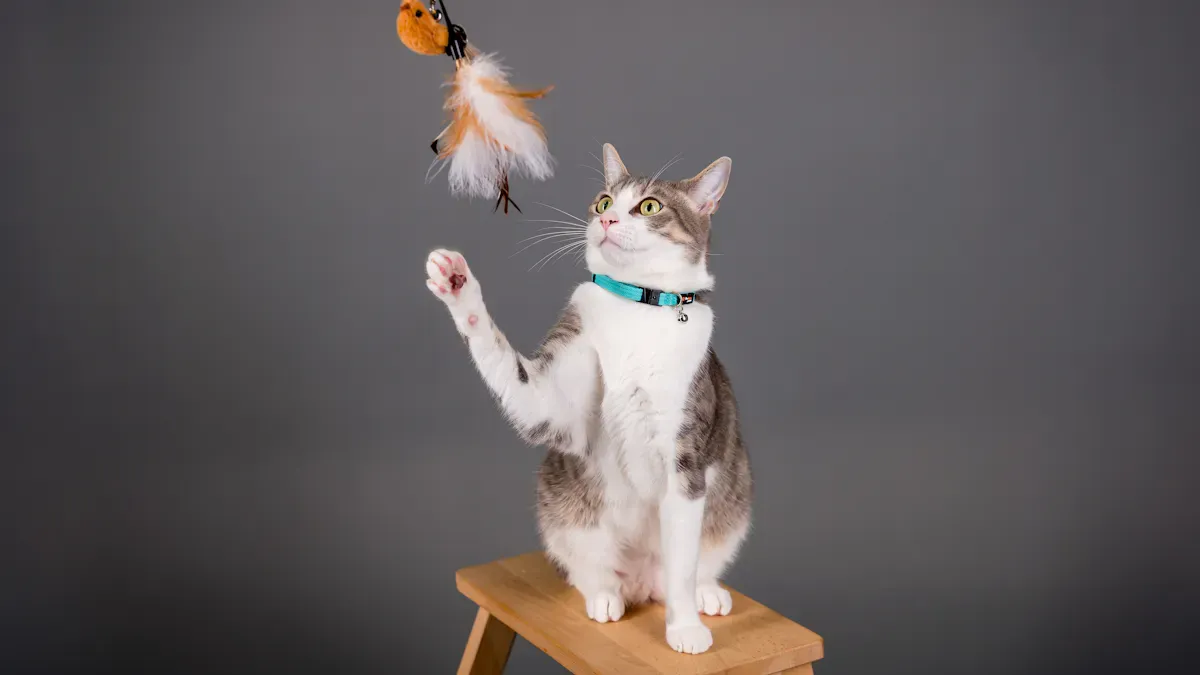
When it comes to keeping your cat active, engaging toys are a must-have! These toys not only provide physical exercise but also stimulate your cat’s mind. Here are some of the best toys for indoor cats that you can consider:
Type of Toy | Description |
|---|---|
Interactive Toys | Designed for physical and mental stimulation, highly popular among pet owners. |
Chew Toys | Gaining popularity due to dental health benefits, with a 20% market share. |
Feather Toys | Engaging and mimics hunting behavior, appealing to indoor cats. |
Ball Toys | Simple and effective for exercise, often used in play. |
Plush Toys | Soft and comforting, often used for cuddling. |
Laser Toys | Provides active play and exercise through chasing light. |
Interactive toys are especially beneficial. They teach kittens appropriate play and help prevent boredom. Engaging in daily play sessions satisfies your cat’s natural hunting instincts and can even ease tension in multi-cat households. Plus, playing together strengthens your bond with your furry friend!
Don’t forget about catnip! A sprinkle of this magical herb can turn a lazy cat into an energetic ball of fluff. Catnip contains nepetalactone, which stimulates the brain’s pleasure centers. This interaction can lead to increased activity levels during playtime. Here are some benefits of using catnip:
Encourages physical activity
Provides mental stimulation
Laser Pointer Fun
Laser pointers can be a fantastic way to keep your cat active! Behavioral studies show that just 10 minutes of laser play can equate to 20 minutes of moderate running. This helps your cat burn approximately 25 calories! To make the most of laser play, consider incorporating tangible rewards at the end of the chase. This approach can reduce stress behaviors in 82% of cats, according to research from the University of California, Davis.
While laser pointers are great for exercise, remember to keep your cat engaged and satisfied. After a fun chase, reward them with a treat or a toy they can catch. This way, your cat feels accomplished and happy after their play session.
Incorporating these playtime ideas into your routine can significantly enhance your indoor cat exercise regimen. By providing engaging toys and fun activities like laser play, you can keep your cat active and entertained!
Keep Indoor Cats Active: Obstacle Courses
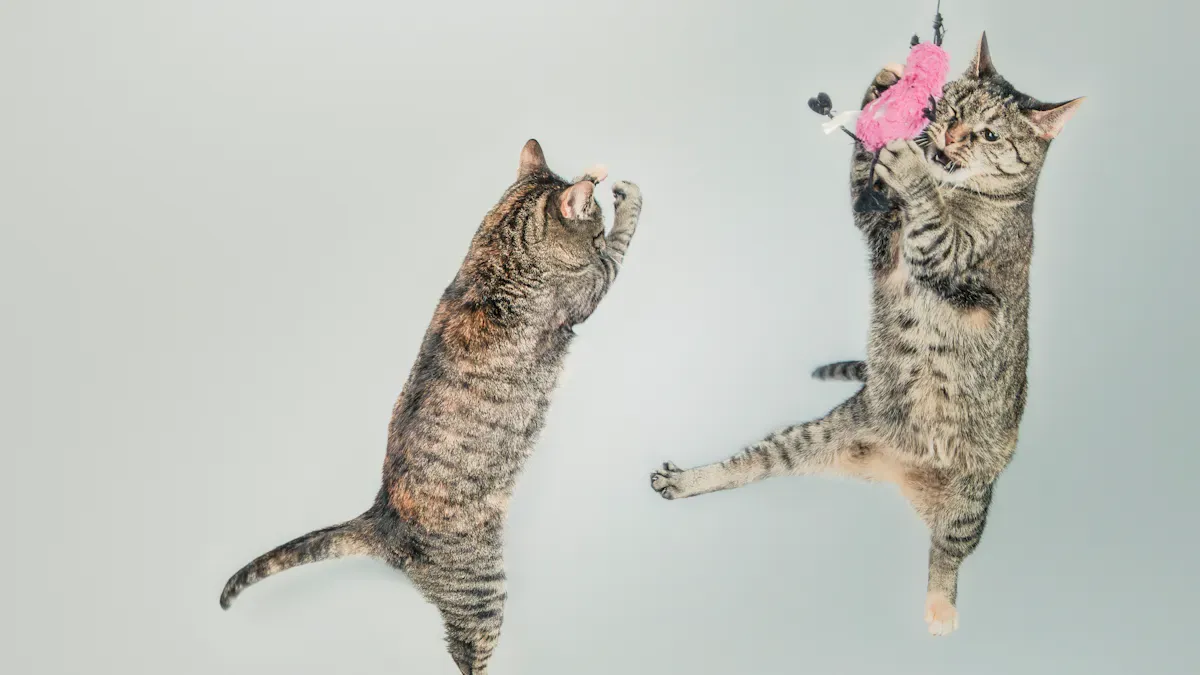
Creating an indoor obstacle course can be a fun and effective way to keep indoor cats active. Not only does it provide physical exercise, but it also stimulates their minds. Let’s dive into how you can set up a DIY course that your cat will love!
DIY Course Setup
Start by gathering some common household items. You can use cardboard boxes, pillows, and even furniture to create a playful environment. Here are some steps to help you set up your indoor obstacle course:
Choose a Space: Find a safe area in your home where your cat can run and jump without obstacles that could cause injury.
Start Simple: Begin with a basic layout. Use items like stacked cardboard boxes or cushions to create hurdles and tunnels.
Add Variety: Incorporate different elements like scratching posts, tunnels, and small hurdles. This variety keeps your cat engaged and encourages exploration.
Gradually Increase Difficulty: As your cat becomes more comfortable, you can make the course more challenging. Add more obstacles or rearrange the layout to keep things fresh.
Tip: Always supervise your cat during playtime to ensure they stay safe and avoid any accidents.
Furniture Arrangement
The way you arrange your furniture can significantly impact your cat’s activity levels. Here are some strategies to optimize your space for play:
Strategy | Description |
|---|---|
Creating Vertical Spaces | Cat towers and wall-mounted perches provide elevated areas for exercise without taking up floor space. |
Ensuring Clear Pathways | Arranging furniture to respect natural walking routes allows cats to move freely and encourages activity. |
Providing Multiple Resting Options | Offering various resting and climbing spots prevents boredom and promotes natural movement throughout the day. |
By thoughtfully arranging your furniture, you can create an environment that encourages your cat to explore and play. This setup not only keeps indoor cats active but also enhances their overall well-being.
Obstacle courses can greatly benefit your cat’s physical health. Engaging in these activities can improve cardiovascular fitness, muscle tone, and joint flexibility. Studies show that regular participation in obstacle courses can increase daily activity levels by up to 26%. This means your cat will be healthier and happier!
Incorporating an indoor obstacle course into your cat’s routine can be a game-changer. It provides a fun way for them to exercise while also allowing you to bond through play. So, gather your supplies and get creative—your cat will thank you!
Mental Stimulation for Cats
Keeping your cat mentally stimulated is just as important as physical exercise. Engaging their minds helps prevent boredom and can reduce behavioral issues. Here are two great ways to provide mental stimulation for your indoor cat.
Puzzle Feeders
Puzzle feeders are fantastic tools for indoor cat enrichment activities. They encourage your cat to think and work for their food, mimicking natural hunting behavior. Here are some benefits of using puzzle feeders:
They promote both mental and physical stimulation during feeding.
Engaging in problem-solving keeps your cat active and prevents boredom.
Puzzle feeders help meals last longer, increasing physical activity.
They provide a fun challenge, acting as a ‘brain teaser’ for your cat.
Without stimulation, indoor cats can become bored, leading to anxiety and behavioral problems. Common issues include aggression and over-grooming. By using puzzle feeders, you can create an engaging feeding experience that keeps your cat entertained and healthy.
Training Sessions
Training sessions are another excellent way to stimulate your cat’s mind. They not only provide mental engagement but also improve your cat’s behavior. Here’s how training can benefit your cat:
Evidence Type | Description |
|---|---|
Mental Stimulation | Training exercises engage your cat’s natural instincts. |
Behavioral Improvement | Positive reinforcement helps your cat learn new behaviors, improving their overall behavior. |
Bonding | Training sessions strengthen the bond between you and your cat, enhancing your relationship. |
You can teach your cat fun tricks like shaking hands or jumping through hoops. Using positive reinforcement, such as treats, encourages your cat to participate. This not only keeps them engaged but also makes training a rewarding experience for both of you.
Combining these activities with physical play can create a well-rounded routine for your cat. Remember, a mentally stimulated cat is a happy cat!
Vertical Spaces for Exercise
Cat Trees
Cat trees are a fantastic addition to any indoor environment. They provide your cat with a place to climb, scratch, and relax. Here are some key benefits of having a cat tree:
Joint Health & Agility: Climbing helps maintain joint flexibility and muscle strength, especially in older cats.
Weight Management: Encouraging your cat to climb and jump is crucial for avoiding obesity.
Stress Reduction: A cat tree offers a secure perch, helping your cat feel in control, especially in busy households.
Scratching Relief: It satisfies your cat’s natural urge to scratch, protecting your furniture in the process.
Cat trees support your cat’s natural instincts. They reduce unwanted behaviors like scratching furniture and provide hiding spots that help your cat feel secure.
Wall-Mounted Shelves
Wall-mounted shelves are another great way to create vertical spaces for your cat. They allow your cat to explore and observe their surroundings from a height. Here’s why you should consider adding shelves:
Encourages Exploration: Cats with access to vertical spaces spend more time exploring and less time feeling vulnerable.
Sense of Security: Elevated spots give your cat a safe vantage point, helping them feel in control of their environment.
Natural Behaviors: Cats engage in climbing and perching, which are essential for their physical health and mental enrichment.
Dr. Crowell-Davis emphasizes that vertical space is a necessity for cats. It’s not just a luxury; it’s vital for their well-being. In multi-cat households, vertical territory can prevent confrontations and reduce stress.
By incorporating cat trees and wall-mounted shelves into your home, you create an enriching environment that keeps your cat active and happy. So, why not give your furry friend the gift of vertical space?
Keeping your indoor cat active is essential for their health and happiness. Here are some key takeaways to remember:
Regular exercise helps prevent obesity and related health issues.
Mental stimulation reduces boredom and stress, leading to better behavior.
Engaging environments satisfy your cat’s natural instincts.
Try out different activities like interactive toys, puzzle feeders, and obstacle courses. Observe what your cat enjoys most. Remember, a happy cat is an active cat! 🐾
Tip: Aim for 10–20 minutes of exercise twice a day, especially during their natural hunting times. This will keep your furry friend engaged and healthy!
FAQ
What are some signs my cat needs more exercise?
Look for signs like excessive weight gain, boredom, or destructive behavior. If your cat seems lethargic or uninterested in play, it might be time to increase their activity levels.
How much exercise does my indoor cat need?
Aim for 10–20 minutes of exercise twice a day. This routine helps keep your cat healthy and engaged, especially during their natural hunting times.
Can I use regular household items for cat toys?
Absolutely! Items like cardboard boxes, paper bags, and string can make great toys. Just ensure they’re safe and free from small parts that could be swallowed.
How can I tell if my cat enjoys a particular activity?
Watch your cat’s body language. If they pounce, chase, or show excitement, they likely enjoy the activity. If they seem disinterested or walk away, try something else!
Is it safe to leave my cat alone with toys?
Most toys are safe, but always supervise your cat during playtime. Remove any toys that show signs of wear or have small parts that could pose a choking hazard.
