

Have you ever found yourself covered in cat hair right before guests arrive? Cat shedding can turn your cozy home into a fur-filled mess. Not only does it make cleaning a hassle, but it can also affect your air quality. Cat shedding releases tiny skin flakes that contribute to indoor air pollution, potentially triggering allergies and respiratory issues. Understanding cat shedding is key to effective cat shedding control. In this post, you’ll discover practical strategies to keep your home fur-free while enjoying life with your feline friend.
Causes of Cat Shedding

Natural Shedding Cycles
Shedding is a natural part of your cat’s life. It helps them maintain a healthy coat and skin. Cats go through shedding cycles, which can vary based on several factors. For instance, kittens shed their baby fur between 4 and 6 months old as they transition to adult fur. This process is essential for their growth.
As seasons change, you might notice your cat shedding more fur. In spring, they lose their winter coats to prepare for warmer weather. Conversely, in fall, they grow thicker fur to stay warm during colder months. Indoor cats may shed differently due to controlled environments, leading to more consistent shedding throughout the year.
Here are some key points about natural shedding cycles:
Shedding helps cats regulate their body temperature.
It allows them to get rid of old or damaged hair, making way for new growth.
Each hair strand has its own growth cycle, which means shedding happens at different times.
Health and Environment Factors
Your cat’s health and environment play significant roles in shedding. Various health conditions can lead to excessive shedding. For example, skin infections, allergies, and endocrine problems can all cause increased fur loss. Here’s a quick overview of some common health issues associated with shedding:
Health Condition | Description |
|---|---|
Skin Infections | These can be caused by bacteria or parasites, leading to inflammation and itchiness. |
Allergies | Allergies can cause skin irritation, resulting in hair loss and increased shedding. |
Endocrine Problems | Hormonal imbalances, like hyperthyroidism, are common in older cats and can lead to excessive shedding. |
Behavioral Issues | Anxiety or depression can cause cats to groom excessively or not enough, both of which can increase shedding. |
Cancer | Some cancers can lead to shedding as part of a syndrome where tumors affect the immune system. |
Environmental factors also influence shedding. Indoor heating and air conditioning can confuse your cat’s natural shedding patterns. These conditions may lead to more consistent shedding throughout the year, rather than the seasonal shedding you might expect.
To help manage shedding, keep your cat healthy and provide a comfortable environment. Regular vet check-ups can help catch any health issues early, and maintaining a stable home environment can reduce stress for your furry friend.
Tools for Cat Shedding Control
Grooming Tools
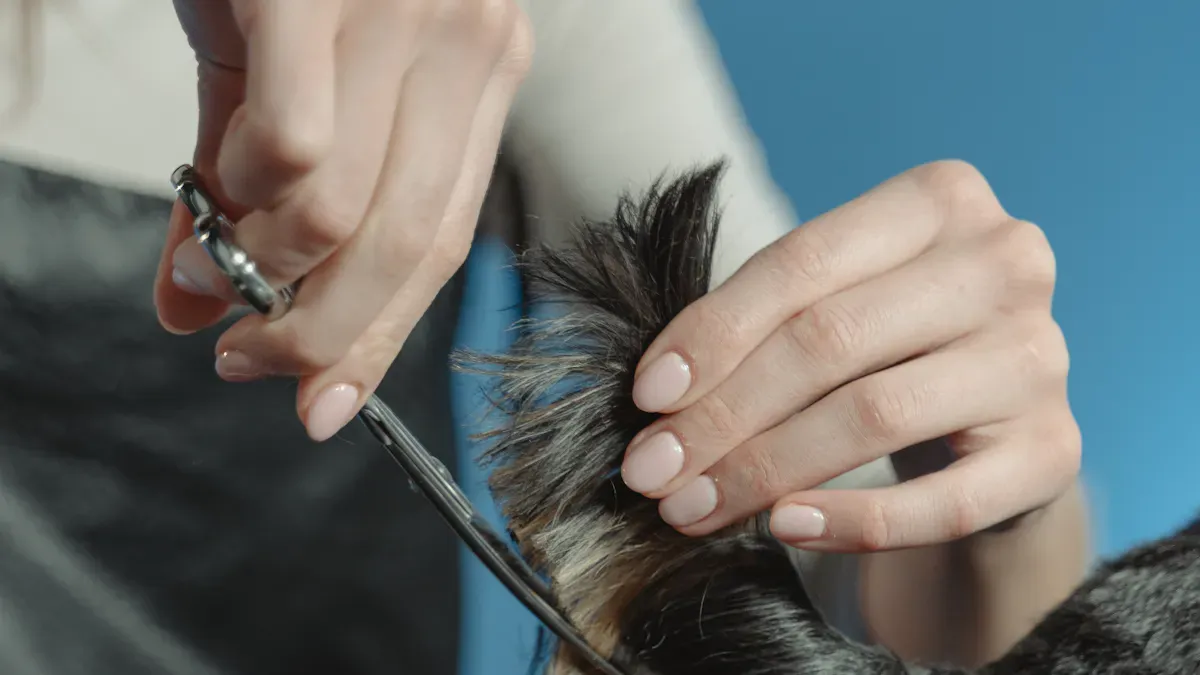
To effectively manage cat shedding, having the right grooming tools is essential. Regular grooming not only reduces loose fur but also helps keep your cat’s coat healthy. Here are some of the best grooming tools you should consider:
Self-Cleaning Comb: This tool is perfect for daily use. It can reduce loose hair by 80-90%, making it ideal for peak shedding seasons or homes with allergy sufferers.
Rubber Mitt: Use this tool 3-4 times a week to remove 60-70% of loose fur. It’s great for moderate shedders and helps distribute natural oils in your cat’s coat.
Pet Spray Comb: For low-shedding periods, a weekly grooming session with this tool can reduce fur by 30-40%. It’s gentle and effective for maintaining your cat’s coat.
Here’s a quick overview of grooming frequency and effectiveness:
Grooming Frequency | Estimated Loose Hair Reduction | Best For | Tool Recommendation |
|---|---|---|---|
Daily (5-10 min) | 80-90% reduction | Peak shedding, allergy households | Self-Cleaning Comb |
3-4 times weekly | 60-70% reduction | Moderate shedders, maintenance | Rubber mitt + comb |
Weekly | 30-40% reduction | Low shedding periods | Pet Spray Comb |
For long-haired cats, daily grooming is crucial to prevent matting. Short-haired cats benefit from grooming 1-2 times a week. During shedding season, double your usual grooming frequency to keep your home fur-free.
Cleaning Techniques
Even with regular grooming, cat fur can still accumulate around your home. Implementing smart cleaning strategies can help you get rid of cat fur effectively. Here are some techniques to consider:
Invest in a Quality Vacuum: Look for the best vacuum for cat hair. A vacuum designed specifically for pet hair will enhance your cleaning efficiency.
Chom Chom Roller: This handy tool works wonders on couches and taut fabrics, making it easy to remove fur without damaging the material.
Evriholder Tool: This unique tool combines a broom and squeegee, making it ideal for carpets.
Mr. Clean Magic Eraser: Use this on various surfaces to lift away embedded fur.
Reusable Lint Rollers: Keep these handy for quick touch-ups on furniture and clothing.
For deeper cleaning, frequent vacuuming is key. You can also use household items to tackle cat fur:
Dampen rubber gloves and wipe them across surfaces to collect embedded fur.
A damp sponge can serve as an alternative if you don’t have rubber gloves.
Mix water and fabric softener in a spray bottle to loosen fur for easier removal with a damp rag.
These methods are convenient alternatives to using a vacuum cleaner and may even outperform vacuums in removing pet hair from furniture. By combining grooming and cleaning techniques, you can create a fur-free space that you and your cat can enjoy together.
Daily Habits to Reduce Cat Shedding
Diet and Nutrition
Your cat’s diet plays a crucial role in maintaining a healthy coat and minimizing shedding. A balanced diet rich in high-quality proteins, healthy fats, and essential vitamins is key. Here are some important nutrients to focus on:
Protein: Essential for hair structure and growth.
Omega fatty acids: These healthy fats, especially omega-3 and omega-6, enhance skin flexibility and reduce inflammation.
Vitamins A, E, and B12: Important for regulating cell growth in hair and skin.
Zinc: Vital for coat health.
Many pet owners notice significant improvements in their cat’s coat quality and reduced shedding after switching to fresh food. To help reduce cat shedding, ensure your cat’s diet is rich in these nutrients.
Regular Grooming Routines
Establishing a regular grooming routine is another effective way to manage shedding. Here’s how you can make grooming a part of your daily life:
Brush Daily: Long-haired cats should be brushed daily to remove loose hair and prevent tangles. Short-haired cats benefit from brushing a few times a week.
Use a Cat Self Groomer: These tools encourage your cat to groom themselves, helping to get rid of cat fur while providing a fun activity.
Monitor Health: Regular grooming helps you spot any skin conditions or health issues that may lead to excessive shedding.
By incorporating these habits into your routine, you can significantly reduce fur around your home. Remember, a healthy diet and consistent grooming not only keep your cat looking great but also help you enjoy a cleaner living space.
Managing cat shedding is essential for a cleaner home and happier pets. You can tackle shedding by understanding its causes, maintaining a healthy diet, and establishing a regular grooming routine. Remember, proactive cat shedding control leads to improved coat health and a more comfortable living environment. Try these strategies and share your experiences! Enjoy your time with your furry friend while keeping your home fur-free.