
Cat eye discharge can tell you a lot about your feline friend’s health. It might seem minor, but the type of discharge matters. Different colors and consistencies can indicate various health issues. For instance, a clear discharge often signals minor problems, while cloudy or foul-smelling discharge could mean more serious conditions. Keeping an eye on these signs helps you ensure your cat stays healthy and happy.
Cat Eye Discharge Types
Clear Discharge
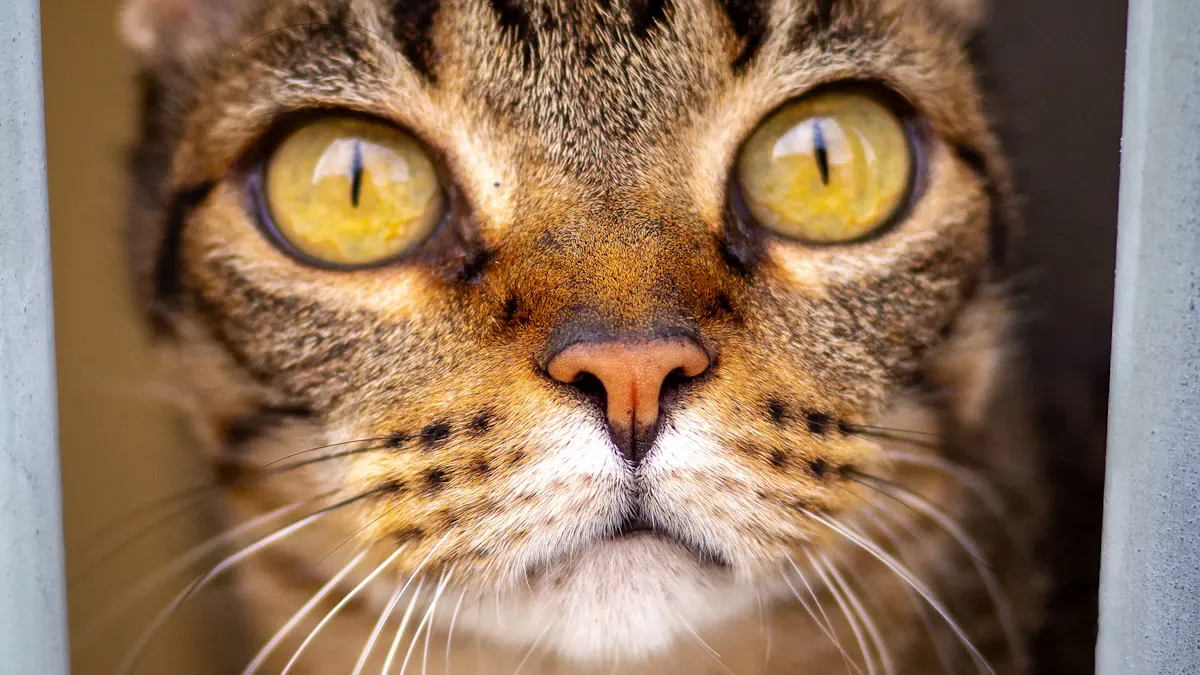
When you notice clear discharge from your cat’s eyes, it often indicates minor issues. This type of discharge can be caused by several factors, including:
Allergies: Environmental allergens like pollen and dust can lead to watery eyes.
Conjunctivitis: This condition causes red, inflamed eyes and significant discharge.
Upper Respiratory Infections: These infections can cause eye discharge along with sneezing and coughing.
Blocked Tear Ducts: If the tear ducts are blocked, tears can overflow, leading to discharge.
Foreign Bodies: Dust or debris in the eye can irritate it, causing clear discharge.
You should keep an eye on the symptoms. If the discharge is accompanied by redness or swelling, it might be time to consult your vet.
Yellow or Green Discharge
Yellow or green discharge is often a sign of a more serious issue. This type of discharge can indicate:
Health Condition | Description |
|---|---|
Conjunctivitis | Inflammation of the tissue around the eye, often due to allergies or irritants. |
Upper Respiratory Infection (URI) | Commonly causes eye discharge, usually with other respiratory symptoms. |
Corneal Ulcer | A painful condition where the surface of the eye is damaged, leading to discharge. |
Eye Injuries or Trauma | Physical damage to the eye can result in discharge. |
If you see yellow or green discharge, it’s crucial to act quickly. This could mean your cat has an infection or another serious condition that needs veterinary attention.
Brown or Cloudy Discharge
Brown or cloudy discharge can indicate chronic issues. Here are some signs to watch for:
Brown staining at the inner corner often indicates chronic tearing or drainage problems.
Cloudy, bloody, or foul-smelling discharge suggests a more severe problem, possibly an infection.
Crusty, dried discharge can accumulate overnight, resulting from a mix of tears and irritants.
If you notice these symptoms, don’t hesitate to reach out to your veterinarian. They can help determine the underlying cause and recommend the best treatment for your cat.
Common Reasons for Cat Eye Discharge
Eye Infections in Cats
Eye infections in cats are one of the most common reasons for cat eye discharge. These infections can stem from various sources, leading to different symptoms. Here are some key types of eye infections you should be aware of:
Conjunctivitis: This inflammation of the conjunctiva often results from infections or irritants. You might notice red, swollen eyes along with discharge. It’s one of the most common eye problems in cats.
Feline Herpesvirus: This viral infection frequently causes eye discharge, especially in cats with upper respiratory infections. Symptoms can include sneezing and watery eyes.
Corneal Ulcers in Cats: These painful conditions can lead to increased tearing and discharge due to inflammation or injury to the eye.
If your cat has a thick, colored discharge, it likely indicates a bacterial infection. On the other hand, clear and watery discharge usually suggests a viral origin.
Allergies and Blocked Tear Ducts
Allergies are another significant cause of eye discharge in cats. Environmental allergens like pollen, dust, and even certain foods can trigger allergic reactions. When this happens, you may notice symptoms such as:
Excessive tearing
Red or swollen eyes
Clear discharge
Blocked tear ducts can also contribute to eye problems. Although this condition is rare in cats, it can lead to abnormal eye discharge. If tears can’t drain properly, they overflow and cause irritation.
Tip: If you suspect allergies, try to identify potential triggers in your cat’s environment. Reducing exposure to allergens can help alleviate symptoms.
Other Health Issues
Sometimes, eye discharge can signal underlying health issues beyond infections and allergies. Here are a few systemic diseases that can lead to eye problems:
Systemic Disease | Description |
|---|---|
Feline Leukemia Virus (FeLV) | A viral infection that can lead to various health issues, including eye problems. |
Feline Infectious Peritonitis (FIP) | A serious viral disease that can cause inflammation and eye discharge. |
Feline Immunodeficiency Virus (FIV) | This virus weakens the immune system, potentially leading to eye issues. |
Toxoplasmosis | A parasitic infection that can cause inflammation in the eyes. |
Cryptococcus | A fungal infection that can affect the eyes among other organs. |
If you notice persistent eye discharge or other concerning symptoms, it’s essential to consult your veterinarian. They can help determine the cause and recommend appropriate treatment.
When to See a Vet
Persistent or Thick Discharge
If your cat has persistent or thick eye discharge, it’s time to take action. This type of discharge often signals underlying issues. Common causes include allergies, infections, or even trauma. If you notice a thick, mucus-like discharge, it could point to conjunctivitis or an early infection. Remember, the longer you wait, the more serious the problem may become.
Accompanying Symptoms
Keep an eye out for other signs of cat eye problems. If your cat shows any of these symptoms, you should consult a veterinarian:
Squinting
Excessive blinking
Constantly pawing at their face
Gooey or crusty buildup around the tear ducts
Rubbing their face against surfaces
These signs can indicate that your cat is experiencing discomfort or pain.
Behavioral Changes
Behavioral changes can also be a red flag. If your cat starts hiding, becomes aggressive when you touch their face, or shows changes in appetite, it’s time to seek professional veterinary treatment. Other signs include reduced grooming, head tilting, or avoiding light. These behaviors often suggest that your cat is dealing with more than just a minor issue.
Don’t hesitate to reach out to your veterinarian if you notice any concerning symptoms. Early intervention can lead to better treatment options and a quicker recovery for your furry friend.
Monitoring your cat’s eye discharge is crucial for their health. Keep an eye out for:
Color and texture: Note any changes.
Duration: Discharge lasting over 24 hours needs attention.
Associated symptoms: Look for signs of pain or discomfort.
If you notice anything unusual, consult your veterinarian promptly. 🐾
FAQ
What causes eye discharge in cats?
Eye discharge can result from allergies, infections, or blocked tear ducts. Monitor your cat’s symptoms for better understanding.
Is cat eye discharge always a sign of illness?
Not always! Clear discharge may indicate minor issues, while colored discharge often signals a more serious problem.
When should I take my cat to the vet?
If you notice persistent discharge, accompanying symptoms, or behavioral changes, consult your vet promptly for advice.