

A soggy terrarium is how most bioactive builds die. Water pools at the base, roots rot, springtails drown, and the whole ecosystem turns anaerobic. A proper drainage layer fixes that by giving excess water somewhere to go, which is why it’s always the first thing experienced keepers install. This roundup covers seven options that handle that job well, from classic expanded clay pebbles to purpose-built draining substrates, plus a couple of living-soil layers worth pairing underneath your plants.
The Shortlist At A Glance

Josh’s Frogs False Bottom LECA Clay Pebbles (4 Quarts)

CARURBODY Black Lava Rocks for Plants
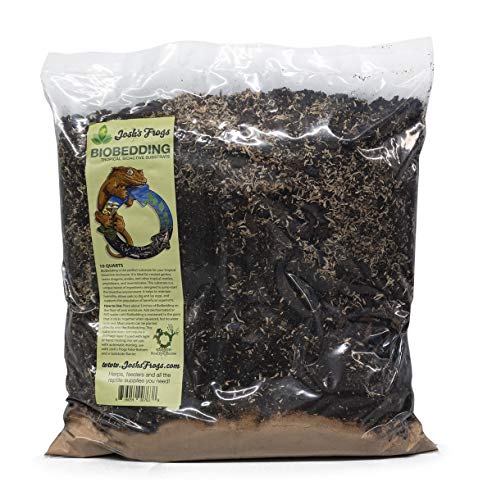
Josh’s Frogs BioBedding Tropical Bioactive Substrate (10 Quarts)

Riare Organic Expanded Clay Balls Terrarium Substrate

Exo Terra BioDrain Terrarium Substrate (4.4-Pound)
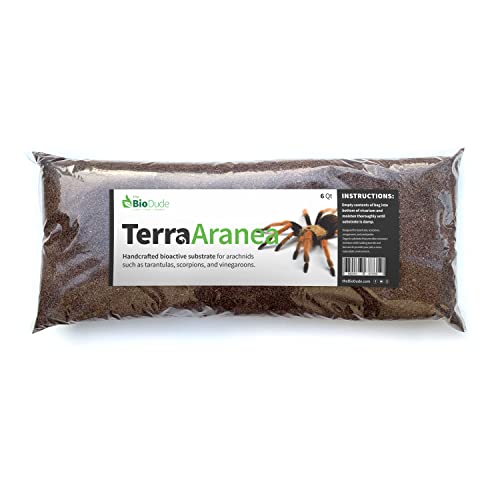
The Bio Dude Terra Aranea Bioactive Substrate (6 Quarts)

Exo Terra Sub Stratum Volcanic Soil (4.4 lb)
More Details On Our Top Picks
LECA stands for lightweight expanded clay aggregate, and these baked clay pebbles are the industry default for a false bottom, the open layer at the tank floor where runoff collects. In an automatically misted vivarium, that reservoir keeps standing water away from root zones while slowly feeding humidity back into the air.
The four-quart pack of three gives you enough volume for several standard glass enclosures, and because the clay is inert, it won’t break down or leach anything into your water table over time.
Strong Points
- Creates a water reserve that boosts ambient humidity between misting cycles
- Inert clay means no decomposition, so the layer lasts for years without replacement
- Spent pebbles can be repurposed in garden beds rather than tossed
- Sized and marketed specifically for vivarium use, not adapted from hydroponics
Things To Consider
- Rinse thoroughly before installation; owners commonly report fine clay dust clouding the first fill
- You’ll still want a mesh barrier above the pebbles to stop substrate from sifting down
Who It Suits Best
Frog and salamander keepers running daily misting systems who want a proven, humidity-friendly foundation layer.
A Better Fit Elsewhere
Dry-climate keepers who prefer mineral soil over pebbles will get more from the Exo Terra Sub Stratum below.
Volcanic rock brings something clay pebbles can’t: raw texture. These undyed black lava stones work double duty as a drainage medium in closed planters and as a naturalistic top dressing around succulents and bonsai, which makes them handy for terrarium hobbyists who also keep potted plants.
The porous structure absorbs excess water and releases it gradually, a trait that helps prevent root rot in containers without drainage holes. At roughly 2.8 pounds per bag, one purchase covers a small build plus decorative accents.
What We Like
- All-natural stone with no dyes or chemical coatings to worry about near animals
- Porous surface wicks moisture and buffers wet-dry swings in the lower layers
- Doubles as attractive hardscape or top dressing, stretching its value further
Worth Noting
- Jagged edges mean gloves are smart during handling, and sharp points aren’t ideal under delicate-skinned amphibians
- Bag quantity suits small projects; larger vivariums may need multiple orders
Made For
Budget-conscious builders mixing drainage with decorative rockwork in arid or semi-arid setups.
Swap It Out When
Keepers of tropical, high-humidity tanks should lean toward Josh’s Frogs LECA instead, since smooth rounded pebbles are safer under soft skin.
This isn’t a drainage layer itself but the living soil you lay on top of one, and it’s arguably the most important partner in the stack. BioBedding is formulated to host microfauna like springtails and isopods, tiny cleanup crews that consume waste and keep the substrate cycling indefinitely.
With a healthy crew established, keepers report going years between full substrate changes. The two-bag, ten-quart format covers a decent footprint, and live plants root into it readily, giving delicate-skinned animals a softer environment than plastic decor ever could.
Highlights
- Supports a self-sustaining waste cycle when seeded with springtails and isopods
- Cuts long-term maintenance dramatically compared to spot-cleaning loose bedding
- Looks convincingly like a rainforest floor once planted and established
- Plants establish well, improving both aesthetics and enclosure humidity
Softer Spots
- Needs a drainage layer beneath it; used alone in a sealed tank it will eventually saturate
- Requires patience, since the bioactive cycle takes weeks to stabilize
Key Specs
The Right Fit
Tropical species keepers, especially dart frogs and crested geckos, ready to commit to a fully planted ecosystem.
Where A Sibling Pick Shines
Invertebrate enthusiasts keeping burrowing tarantulas or millipedes will find The Bio Dude Terra Aranea better matched to tunneling behavior.
Where Josh’s Frogs sells volume, Riare sells convenience. The two-pound supply arrives in a resealable foil pouch, which sounds minor until you’ve stored half-used bags of substrate in a humid reptile room and dealt with the clumping that follows. Here you just zip it shut.
The balls run roughly 4 to 16 millimeters across, a range wide enough to interlock into a stable false bottom yet porous enough to hold moisture at the edges. Once retired from the tank, the clay can go straight into garden soil.
Plus Points
- Resealable packaging keeps unused media dry and dust-free between builds
- Mixed ball sizing compacts into a firmer base than uniform pebbles
- Degradable clay can be composted into outdoor beds after use
- Serves as both drainage layer and rooting medium for tank plants
Points To Note
- Two pounds fills only smaller enclosures, so measure your tank footprint before committing
- A pre-rinse is wise; some dust is typical with fired clay media
Quick Facts
Who Should Grab It
Hobbyists working in small formats, desktop paludariums, or anyone tired of torn substrate bags.
Consider Something Else When
Stocking a large 36-inch vivarium calls for the three-pack volume of Josh’s Frogs False Bottom instead.
Exo Terra built its reputation on habitat hardware, and BioDrain applies that engineering mindset to drainage. The material is non-organic, meaning bacteria have nothing to decompose, so the layer stays structurally sound year after year where bark-based media would eventually slump and sour.
The pack-of-two format yields nearly nine pounds total, enough for a generous false bottom in a tall front-opening tank. Pair it with Exo Terra’s separate draining mesh to keep your topsoil from migrating downward, and the whole system behaves like plumbing for your terrarium.
Reasons To Buy
- Won’t rot or break down, keeping the drainage gap open for the life of the build
- Two-bag bundle covers deep layers or multiple enclosures in one order
- Compatible with the brand’s matching mesh divider for clean layer separation
- Backed by a major herpetoculture brand with consistent quality control
Minor Gripes
- The separating mesh is sold separately, an extra line item many first-timers forget
- Gravel-like weight adds noticeable heft to large glass tanks on stands
Details At A Glance
Whose Shelf It Belongs On
Keepers planning permanent, multi-year planted displays who want set-and-forget reliability from the base up.
Reach For A Different Pick When
Anyone wanting nutrient value in the same layer should look at Exo Terra Sub Stratum, which feeds plants directly.
Burrowing animals destroy ordinary substrate. Tarantulas, scorpions, and millipedes excavate constantly, and loose mixes collapse on them mid-shed. Terra Aranea is blended specifically to hold tunnels, with a multi-ingredient recipe engineered so the middle and bottom layers manage water while the surface stays dry.
That moisture gradient matters enormously for invertebrates, which regulate hydration through their substrate contact. The mix also resists clogging and stagnation, a common failure point in heavily worked enclosures, and supports everything from succulents to tropical plants if you landscape the tank.
Bright Spots
- Structural integrity keeps burrows and tunnels from caving in
- Balanced moisture gradient: damp below, dry on top, exactly what burrowers need
- Multi-ingredient blend designed to last the animal’s entire life span
- Accommodates a broad plant palette, from arid succulents to humidity lovers
Small Caveats
- Six quarts goes quickly in deep-substrate invertebrate setups, so budget for refills
- Overkill for simple dart frog builds that don’t involve heavy digging
Who Will Love This
Invertebrate keepers housing tarantulas, centipedes, scorpions, isopods, or millipedes in deep, diggable enclosures.
Not Your Match When
Frog-focused tropical tanks are better served by Josh’s Frogs BioBedding, which prioritizes cleanup crews over load-bearing structure.
Sourced from volcanic deposits near Japan’s Aso volcano, this substrate blurs the line between drainage layer and growing medium. Andesitic and rhyolitic tephra, the technical terms for fragmented volcanic ejecta, give it a naturally porous crumb structure that drains fast while holding nutrients plants actually use.
In practice, that means you can build a planted display where roots grow straight into the drainage zone without rot risk. Compared to inert options like the BioDrain gravel reviewed earlier, this one actively feeds your flora, which shows in leaf color and growth rate over a season.
Upsides
- Mineral-rich volcanic composition nourishes vigorous plant growth
- Porous crumb texture delivers strong drainage and root aeration together
- Corrects moisture levels across layers, reducing wet-spot headaches
- Natural dark color reads beautifully against green foliage
Room For Improvement
- Finer particles than pebble media, so a mesh screen above it is strongly advised
- Single 4.4-pound bag limits coverage in larger footprints
Core Details
Built With In Mind
Plant-first hobbyists chasing lush growth in display-quality bioactive terrariums.
Another Choice May Suit
Keepers prioritizing pure water management over nutrition will find the non-organic Exo Terra BioDrain a simpler, longer-lasting base.
What Matters Most Before Choosing Drainage Layers For Bioactive Terrarium
Layer Order Is Everything
A bioactive build stacks like a cake: drainage media at the bottom, a mesh barrier, then living substrate, then plants and animals. Get the order wrong and water has nowhere to travel. Measure your tank’s interior height first, because every layer steals vertical space your animals need.
Material Behavior Over Marketing
Inert materials such as fired clay and volcanic rock won’t decompose, which keeps the drainage gap open for years. Organic matter breaks down, compacts, and eventually blocks flow. Match the material to your misting frequency: heavy automated misting demands a deeper reservoir than occasional hand spraying.
Animal Safety Considerations
Smooth, rounded pebbles suit amphibians with permeable skin, while rough lava rock belongs behind glass in arid setups or as decoration above the substrate line. Burrowing species change the equation entirely, since they need structural substrate rather than loose media.
Volume Math Before You Buy
Coverage depends on footprint times desired depth, not bag weight alone. A shallow two-inch layer across a 24-by-18-inch floor consumes far more media than newcomers expect, so calculate before ordering and buy accordingly.
Key Considerations Across These Picks
Traps First Timers Fall Into
The most common error is skipping the rinse. Fired clay and volcanic media ship with fine dust that clouds water and coats leaves until washed off. Another frequent miss is forgetting the mesh divider, letting soil migrate down and silently kill your drainage capacity within months.
What The Higher Tier Buys
Premium substrates like volcanic soils cost more because they combine drainage with nutrition, effectively replacing two products with one. That upgrade pays off in planted displays where growth quality is the goal. For purely functional water management, budget clay pebbles do the job just as well.
Closing Thoughts
Every solid bioactive terrarium starts at the bottom, literally. Pick a drainage medium matched to your animals’ needs, add a mesh barrier, cap it with living substrate, and let the ecosystem settle. Whether you choose humble clay pebbles or nutrient-rich volcanic soil, the principle stays identical: give water somewhere to go, and everything above it thrives. Build patiently, and the setup will reward you for years.
