

Feeding your dog food made to human standards sounds like a luxury until you read an ingredient panel full of rendered meals and unidentifiable meals. That’s the problem this list solves: every option here uses ingredients you’d recognize in your own kitchen, from ranch-raised beef to cage-free chicken. Some are complete dehydrated meals you rehydrate in three minutes, others are wet toppers or air-dried bites that upgrade a boring kibble bowl. Whether you’re managing a sensitive stomach, feeding a small breed, or just tired of guessing what’s actually in the bag, there’s a fit below.
The Shortlist At A Glance

The Honest Kitchen Wholemade Whole Grain Beef Recipe, 10 lb Box

The Honest Kitchen Whole Food Clusters Small Breed Chicken, 4 lb Bag

Open Farm Ancient Grains Grass-Fed Beef Kibble, 4lb Bag

Jinx Beef Grain Free Wet Dog Food Toppers, Homemades 6 Pack

The Honest Kitchen Wholemade Whole Grain Beef Recipe, 4 lb Box

The Pets Table Air Dried Dog Food, Chicken & Sweet Potato, 1 lb

Weruva Meals ‘n More Belly Belly Nice! Digestive Support Variety Pack
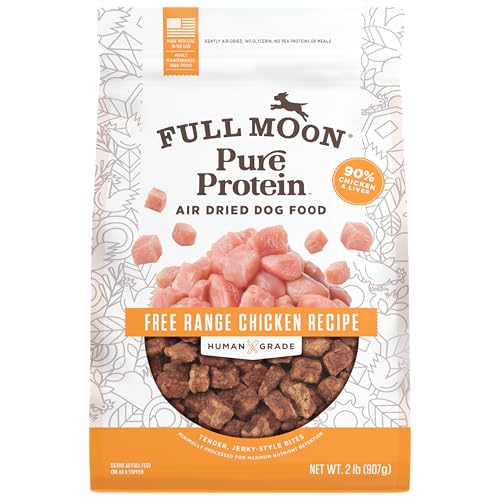
Full Moon Pure Protein Air Dried Dog Food Free Range Chicken 2lb
More Details On Our Top Picks
Dehydrated food works differently from kibble: gentle low-heat drying removes moisture instead of cooking at high temperatures, so you add warm water back before serving. This beef recipe leans on ranch-raised beef, oats, and carrots, and the 10 lb box expands to roughly 40 lbs of finished food once hydrated.
In a busy household with two or three dogs, that expansion math matters more than any single ingredient. You get fresh-meal texture without daily grocery runs, and the fiber-rich oats tend to sit well with dogs whose stomachs protest richer diets.
Strong Points
- A 10 lb box yields about 40 lbs of prepared food, stretching your budget compared with fresh delivery plans.
- Oats and carrots supply natural fiber, which owners commonly report firms up loose stools over a few weeks.
- Beneficial fats support coat shine from the inside, noticeable around shedding season.
- Warm water plus three minutes replaces an entire cooking routine.
- Doubles as a hydrating topper over dry food for dogs who drink reluctantly.
Things To Consider
- You’ll need fridge space for mixed batches; prepared portions keep a few days refrigerated.
- The powder-to-water step adds prep time versus scooping kibble straight from the bag.
Key Specs
Who It Suits Best
Multi-dog homes or large-breed owners who want fresh-style feeding without per-meal cooking costs.
Where Another Pick Suits Better
Small-breed owners will find the portioned clusters in The Honest Kitchen Whole Food Clusters Small Breed Chicken easier to serve daily.
Small dogs burn calories differently, and this cluster format was developed with a veterinary nutritionist to balance energy density for tiny frames. Cage-free chicken leads the recipe, backed by flaxseed, coconut oil, and fish oil for skin and coat, plus pumpkin, apple, and live probiotics for digestion.
The scoop-and-serve convenience is the real draw here. Unlike the dehydrated boxes elsewhere on this list, there’s no water step, which makes it practical for apartment dwellers juggling morning routines, and the small clusters suit little jaws better than standard kibble chunks.
What We Like
- L-carnitine and controlled calories help maintain healthy weight in less-active small breeds.
- Live probiotics support digestion, a common pain point for toy breeds with touchy stomachs.
- Works as a complete meal, a topper, or training treats thanks to the bite-size clusters.
- No mixing or measuring water, so breakfast takes seconds.
Worth Noting
- The 4 lb bag suits small appetites well, but multi-dog homes will empty it quickly.
- Cluster pieces can crumble at the bag bottom; storing upright helps.
Made For
Owners of small or toy breed adults who want human-grade nutrition in a true grab-and-go format.
Consider Something Else When
Larger dogs need bigger volume, where the Wholemade 10 lb Beef Box delivers far more prepared food per dollar.
Not every dog needs grain-free food, and Open Farm builds its case around ancient grains, older cereal varieties like oats and quinoa that many vets consider gentler than modern refined grains. Grass-fed beef supplies the protein, while non-GMO produce and superfoods such as pumpkin and coconut round out the blend.
This is the most conventional format on the list, plain kibble, which cuts both ways. There’s zero prep involved, but you lose the hydration benefit of the Honest Kitchen recipes. Owners who want traceable sourcing without changing their feeding routine tend to land here.
Highlights
- Oats and quinoa add fiber and minerals without relying on legume-heavy fillers.
- Grass-fed beef as the lead protein appeals to shoppers tracking sourcing quality.
- Pumpkin and coconut contribute digestibility support alongside the grain base.
Trade Offs
- Kibble lacks the moisture content that benefits dogs prone to dehydration.
- The 4 lb bag means frequent repurchasing for medium or large breeds.
- Some picky eaters reportedly prefer the softer textures of the wet options on this list.
At A Glance
Right Fit For
Dog parents committed to a traditional kibble routine who still want transparent, meat-first sourcing.
Not Your Match When
Dogs needing extra moisture do better with the Jinx Homemades wet toppers stirred into their bowl.
These 9 oz cups are built as upgrades, not replacements: moist beef and chicken with carrots and spinach, gently cooked in bone broth for flavor and nutrient absorption. Bone broth simmering also gives the mix a home-cooked aroma that even jaded kibble veterans tend to notice immediately.
Natural prebiotic fibers target gut health, and several owners report visibly improved stool quality within a couple of weeks. Because the recipe skips grains entirely, it’s positioned for dogs with sensitivities, though any diet change deserves a slow transition over seven to ten days.
Upsides
- Bone broth cooking boosts palatability, reviving interest in bland base kibble.
- Prebiotic fiber supports digestion for sensitive stomachs.
- Individual cups portion cleanly with no messy can storage.
- Moisture content helps hydration in dogs who under-drink.
Minor Gripes
- At 9 oz per cup, larger dogs may need multiple servings, raising the running cost.
- Opened cups require refrigeration and finish best within a day or two.
Who Will Love This
Owners of picky or senior dogs who need a moisture and flavor boost over their existing food.
Look Elsewhere When
You want a standalone complete meal; the Honest Kitchen Wholemade Beef Box covers full-meal duty better.
Same ranch-raised beef, oats, and carrot recipe as our top pick, scaled down to a 4 lb box that makes about 16 lbs of finished food. That smaller footprint is genuinely useful: it fits a cupboard shelf, stays fresher for single-dog homes, and lets you trial the recipe before committing to bulk.
Feeding math stays simple, warm water, three minutes, serve. Compared with the Full Moon air-dried option later on this list, this one costs meaningfully less per prepared pound because you’re adding the water yourself rather than paying to ship it.
Bright Spots
- Hydration built into every meal supports dogs who barely touch their water bowl.
- Fiber from oats and carrots is widely reported to settle sensitive digestion.
- Smaller box keeps the product fresher between feedings for one-dog households.
Room For Improvement
- Per-pound value trails the 10 lb version if your dog goes through food quickly.
- Rehydration means planning a few minutes ahead at mealtimes.
Quick Facts
The Right Fit
First-time dehydrated-food shoppers and single-dog homes testing whether fresh-style feeding sticks.
A Better Fit Elsewhere
Households with two or more dogs should jump to the 10 lb Wholemade box for better volume economics.
Air drying sits between kibble and raw: food dries slowly at low temperatures, preserving more nutrients than high-heat extrusion while staying shelf-stable. The Pets Table, a HelloFresh brand, developed this line with a board-certified veterinary nutritionist, pairing chicken with sweet potato, carrots, oats, barley, and spinach.
The 1 lb size reads as a sampler, and honestly that’s its strength. Rotating flavors like Turkey & Spinach or Salmon & Whitefish keeps dinner interesting, and the tender texture works as a soft treat for older dogs who struggle with hard kibble.
Reasons To Buy
- Low-temperature air drying retains more natural nutrients than conventional kibble processing.
- Veterinary nutritionist involvement lends credibility to the formulation.
- Multiple flavor options make rotation feeding simple.
- Soft, dense bites double as high-value training rewards.
Points To Note
- The 1 lb bag disappears fast as a sole food source for anything beyond a toy breed.
- Reseal the bag tightly; air-dried pieces can soften in humid kitchens.
Whose Shelf It Belongs On
Flavor-curious owners rotating proteins, or anyone using premium bites as meal enhancers and rewards.
Skip It When
You need bulk staple food; the Open Farm Ancient Grains kibble covers everyday volume more economically.
Weruva built its reputation on human-grade wet recipes, and this digestive-focused pack layers in pumpkin, quinoa, and inulin, a prebiotic fiber that feeds beneficial gut bacteria. Ten 3.5 oz cups span four recipes, including Grandma’s Chicken Soup Plus and Wok The Dog Plus, so sensitive stomachs get variety without formula roulette.
The small cup size is a quiet advantage for portion control. Small dogs get a complete serving, big dogs get a measured topper, and nothing sits open in the fridge losing appeal. Recipes skip grains, gluten, and carrageenan, a thickener some owners prefer to avoid.
Plus Points
- Pumpkin and inulin specifically target digestive regularity.
- Four recipes in one pack reduce boredom-driven fussiness.
- 3.5 oz cups eliminate leftover-storage guesswork.
- Formulas leave out grains, gluten, and carrageenan.
Softer Spots
- Cup lids aren’t fully rigid; stacking loosely in the pantry avoids crushed corners.
- Tiny portions mean frequent repurchase for medium and large breeds.
Built With In Mind
Small-breed and senior dogs with recurring digestive sensitivity who still deserve menu variety.
Reach For A Different Pick When
Your dog tolerates grains fine and eats more volume; the Open Farm Ancient Grains kibble stretches further.
Ninety percent real chicken is the headline, and it changes what the food looks like: tender, dark, meaty bites rather than uniform brown pellets. Full Moon deliberately avoids feed-grade material, pea protein fillers, grains, soy, glycerin, and artificial preservatives, leaning on air drying to preserve amino acids instead.
This is the most protein-forward option here, closer in spirit to a fresh diet than anything else on the list. The honest trade-off is price per pound, you’re essentially buying dried meat, so most owners deploy it as a topper or partial meal rather than a sole ration.
Standout Traits
- 90% chicken delivers amino-acid density that supports muscle maintenance in active dogs.
- Air drying preserves nutrients without synthetic preservatives doing the work.
- No pea protein or rendered fillers, just recognizable meat-first composition.
- Tender texture suits seniors and dogs with dental limitations.
- Works equally well crumbled over kibble or served solo.
Small Caveats
- Cost per serving runs high as a complete diet for medium or large dogs.
- Meat-only richness calls for a gradual transition to avoid stomach upset.
Feature Snapshot
Perfect Match For
Active dogs and discerning owners who prioritize meat density above all else and accept the premium cost.
Swap It Out When
Budget drives the decision; the Honest Kitchen Wholemade 4 lb Beef Box offers similar whole-food quality at a friendlier rate.
What Matters Most Before Choosing Human Grade Foods For Dogs
Ingredient Transparency First
Human grade means every component meets the safety and handling standards applied to food intended for people. Look for named proteins, ranch-raised or cage-free sourcing language, and short lists where you recognize each entry. Vague terms like “meat meal” signal feed-grade shortcuts.
Format Fits Your Routine
Dehydrated foods need warm water and three minutes; air-dried and kibble formats need nothing but a scoop. Wet cups offer moisture but demand fridge space after opening. Match the format to your actual mornings, not your ideal ones, because the best formula is the one you’ll serve consistently.
Digestive Support Signals
Pumpkin, oats, quinoa, probiotics, and prebiotic fibers like inulin all point toward gut-friendly formulation. Dogs with sensitive stomachs tend to do better with single-animal-protein recipes introduced gradually over a week or more.
Sizing And Yield Math
Always convert package weight into prepared weight. A 10 lb dehydrated box yielding 40 lbs beats a 4 lb ready-to-eat bag on cost per serving, while small bags win on freshness for single-dog homes.
Key Considerations Across These Picks
Traps First Timers Fall Into
Switching foods cold turkey is the classic error; abrupt changes commonly trigger loose stools regardless of quality. The second trap is judging by package weight alone, ignoring how much prepared food a dehydrated box actually yields.
What Separates Premium From Basic
Higher-tier products pay for named, traceable proteins, gentler drying processes, and functional additions like L-carnitine or live probiotics. That spend pays off fastest for dogs with sensitivities, seniors, or performance animals; easy keepers on a budget often do fine mid-list.
Frequently Asked Questions
What does “human grade” actually mean for dog food?
It means every ingredient and the facility handling it meet standards set for human-edible food. Feed-grade products, by contrast, may include rendered materials and by-products held to looser rules.
Can I mix these foods with my dog’s current kibble?
Yes, most work well as toppers or partial replacements. Transition gradually over seven to ten days to give your dog’s digestive system time to adjust.
Is dehydrated dog food as nutritious as fresh?
Low-temperature dehydration preserves nutrients far better than high-heat extrusion used for standard kibble. Once rehydrated, the eating experience closely resembles a freshly prepared meal.
How much should I expect a box or bag to last?
Dehydrated boxes expand significantly, so a 10 lb box can yield around 40 lbs of prepared food. Ready-to-eat bags and cups run out faster, especially for dogs over 30 pounds.
Are grain-free recipes automatically healthier?
No, grains like oats and quinoa provide valuable fiber and minerals for most dogs. Grain-free formulas mainly matter for dogs with specific grain sensitivities identified by a veterinarian.
Closing Thoughts
Every option on this list holds itself to a higher ingredient standard than typical supermarket kibble, so you’re choosing between good outcomes rather than gambling. Start with the format that matches your routine, transition slowly, and watch how your dog responds over a few weeks. Coat shine, stool quality, and mealtime enthusiasm tell you most of what you need to know. Trust those signals, and adjust from there.
