

Itchy skin, chronic ear infections, loose stools that never quite resolve. For owners of dogs with food sensitivities, these are daily frustrations, and ordinary kibble usually makes them worse. Hydrolyzed dog foods break proteins into fragments too small for the immune system to recognize, which is why veterinarians reach for them first during elimination trials and long-term management. The eight formulas below cover the two dominant veterinary lines, Hill’s z/d and Royal Canin HP, plus a budget-friendly alternative, in the bag sizes real households actually buy.
The Shortlist At A Glance

Hill’s Prescription Diet z/d Dry Dog Food

Hill’s Prescription Diet z/d Dry Dog Food

Hill’s Science Diet Adult 7+ Perfect Digestion

Hill’s Prescription Diet z/d Dry Dog Food

Royal Canin Hydrolyzed Protein Adult Dry Dog Food 25.3 lb

Royal Canin HP Hydrolyzed Protein Dog Food 7.7 lb
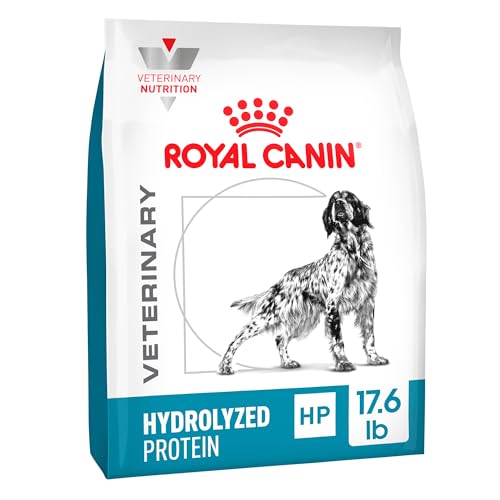
Royal Canin Hydrolyzed Protein Adult Dry Dog Food 17.6 lb
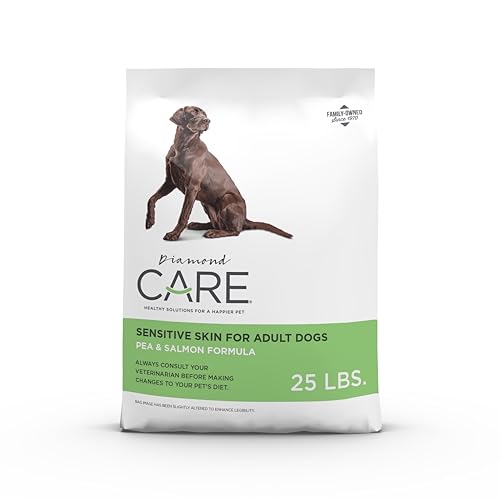
Diamond Care Sensitive Skin Hydrolyzed Salmon Dog Food 25 lb
More Details On Our Top Picks
Hill’s built z/d around one idea: take chicken protein and break it down so thoroughly that a reactive immune system stops recognizing it. That’s the whole point of hydrolysis, and it’s why vets so often write this name on the pad during an elimination trial. The small-bite kibble shape also helps smaller mouths and picky chewers.
In a household dealing with constant paw licking or recurring ear trouble, the appeal is simple. You feed one thing, nothing else, and watch the skin settle over eight to twelve weeks. Omega-6 and omega-3 fatty acids are built in, so you’re not juggling a separate coat supplement on top.
Strong Points
- Highly hydrolyzed chicken protein designed to slip past immune detection
- Formulated by Hill’s nutritionists and veterinarians specifically for adverse food reactions
- Omega-6 and omega-3 content supports coat condition without extra supplements
- Small bites suit toy breeds and dogs that gulp larger kibble
Things To Consider
- Prescription status means your vet needs to authorize the diet first
- Owners commonly report the chicken-forward aroma takes some dogs a few days to accept
Who It Suits Best
Dogs in the early stages of a vet-supervised elimination trial, especially small and medium breeds doing well on small-bite kibble.
Where Another Pick Suits Better
Large dogs already diagnosed and settled on this formula may suit the 25 lb bag of the same Hill’s z/d diet better, since it stretches further between orders.
This listing is the same z/d formula as our first pick, offered through a separate bag option that matters more than it sounds. Households running two sensitive dogs, or anyone who’d rather restock monthly instead of weekly, tend to appreciate having size flexibility on one product page. The recipe itself is unchanged: hydrolyzed chicken, skin-and-gut-focused nutrition, small bites.
One practical note from long-term z/d households: keep the bag sealed and stored cool, since hydrolyzed diets are often fed for months at a stretch and freshness matters for palatability.
What We Like
- Identical hydrolyzed-protein nutrition to the flagship z/d listing
- Multiple bag weights let you match supply to your dog’s daily ration
- Balanced for both skin and digestive signs of food reactions
Worth Noting
- Still a veterinary diet, so expect the authorization step before checkout
At A Glance
Made For
Owners of one or two sensitive dogs who want the proven z/d formula with the freedom to choose a bag size that fits their storage space.
Consider Something Else When
Dogs whose main complaint is itchy skin rather than gut upset may respond better to Royal Canin’s Hydrolyzed Protein Adult formula, which leans harder into skin-barrier support.
Not every senior with a touchy stomach needs a prescription hydrolyzed diet, and that’s exactly the gap this Science Diet formula fills. It’s a regular over-the-counter food built around ActivBiome+, Hill’s name for a prebiotic blend meant to feed the beneficial bacteria already living in your dog’s gut. Whole grain oats and pumpkin round out the fiber picture.
The honest framing: this won’t replace z/d for a true protein allergy. But for an older dog with inconsistent stools and no confirmed allergy, it’s a gentler first step that doesn’t require a vet order. Hill’s markets noticeable stool improvement within a week, and owner feedback on regularity is generally positive, though individual results vary with the dog.
Highlights
- ActivBiome+ prebiotic blend supports a balanced gut microbiome
- Real chicken listed as the first ingredient, rare in digestive formulas
- No prescription needed, so you can start right away
Trade Offs
- Contains intact proteins, so it’s unsuitable for confirmed protein allergies
- Only 3.5 lb and 22 lb bag options, an awkward gap for medium-size dogs
Right Fit For
Senior dogs seven and up with mild digestive irregularity whose vet has ruled out a true food allergy.
Not Your Match When
A diagnosed sensitivity calls for the hydrolyzed approach, and the Hill’s z/d diet in this lineup is the direct upgrade path.
Once your dog has cleared an elimination trial and z/d is the long-term answer, the 25 lb bag becomes the sensible home base. Per-pound cost on prescription diets drops meaningfully at this size, and a large breed burning through four or more cups a day will finish a small bag in under two weeks. Same hydrolyzed chicken base, same small bites, same skin-and-gut fatty acid profile as the listings above.
The trade-off is storage and freshness management. You’ll want an airtight container and a cool pantry spot, since this much food needs to stay palatable for a month or more.
Upsides
- Lowest per-pound cost within the z/d range for long-term feeding
- Fewer reorders, useful for large breeds with big daily rations
- Clinically proven nutrition for adverse food reactions
- Omega fatty acids support skin and coat through maintenance feeding
- Small-bite kibble works across a wide range of mouth sizes
Points To Note
- Bulk size demands proper sealed storage to preserve kibble freshness
- Overkill for toy breeds that would take months to finish the bag
Quick Facts
Best Suited To
Owners of large or multiple sensitive dogs who’ve confirmed z/d works and want to cut cost per pound on maintenance feeding.
Look Elsewhere When
First-time elimination trials are better served by the 7.7 lb Royal Canin HP bag, which keeps the commitment small until you know the diet agrees with your dog.
Where Hill’s z/d leads with hydrolyzed chicken, Royal Canin’s Adult HP builds its case around hydrolyzed soy protein, cut into low molecular weight peptides that digest easily and rarely trigger a reaction. The formula puts visible weight on dermatological health: B vitamins and amino acids aimed at the skin’s protective barrier, plus EPA and DHA fatty acids for skin and digestion alike.
For a dog whose sensitivity shows up mostly as scratching, hot spots, or dull coat, that skin-first orientation can make a real difference. The 25.3 lb bag is the economy entry in the range, best once the diet is confirmed. One honest caveat: soy-based hydrolysates don’t suit every dog, so your vet’s input matters before committing to a big bag.
Bright Spots
- Hydrolyzed soy peptides are highly digestible and gentle on the gut
- Targeted skin-barrier support from B vitamins and amino acids
- EPA and DHA enrichment backs skin and digestive health
- Sized for months of maintenance feeding on a large dog
Minor Gripes
- Soy base is a poor match for dogs with separate soy sensitivities
- Owners occasionally note the kibble crumbles more than Hill’s small bites
- Veterinary authorization still applies before purchase
Feature Rundown
Who Will Love This
Owners of large adult dogs whose food sensitivity is primarily dermatological and who’ve already confirmed the formula with their vet.
Another Choice May Suit
Chicken-preferring dogs or those with soy concerns fit the Hill’s z/d 25 lb bag more naturally, since it centers on hydrolyzed chicken instead.
Elimination trials run eight to twelve weeks, and committing to a 25 lb bag before you know the outcome is a gamble nobody needs. This 7.7 lb listing of Royal Canin’s HP formula is the trial-size answer. It carries the same hydrolyzed soy protein, skin-barrier nutrients, and EPA/DHA enrichment as the larger bags, just in a quantity that matches a small dog’s trial window or a medium dog’s first month.
The per-pound math is less friendly than the bulk bags, no way around it. But for a ten-pound terrier starting a supervised food trial, or a cat-sized portion household, the smaller footprint wins on freshness and waste avoidance. Royal Canin also positions this diet for short-term elimination feeding, which is exactly the scenario this size serves.
Plus Points
- Right-sized for the 8 to 12 week elimination trial window
- Full HP formula: hydrolyzed soy, skin barrier support, EPA and DHA
- Stays fresh through the trial without long storage
Softer Spots
- Higher cost per pound than the 17.6 lb and 25.3 lb versions
- Small dogs may still need two bags to finish a full trial
The Right Fit
Small-breed owners beginning a vet-directed elimination trial who want the complete HP formula without bulk-bag commitment.
Reach For A Different Pick When
Once the trial succeeds, the Royal Canin Hydrolyzed Protein 17.6 lb bag takes over as the better-value continuation.
Sitting between the trial-size and bulk HP listings, this 17.6 lb bag is the middle path most medium-dog households land on. It’s the same hydrolyzed soy peptide formula with the same skin-barrier and EPA/DHA support, but the quantity suits a 30 to 50 pound dog for roughly a month, which keeps kibble fresher than a half-empty 25 lb sack lingering in the pantry.
Compared with the Hill’s z/d listings earlier in this list, the Royal Canin kibble tends to run slightly larger, something owners of tiny breeds mention. For beagle-to-border-collie size dogs, that’s a non-issue. Storage is easier too: the bag fits a standard airtight bin without decanting gymnastics.
Reasons To Buy
- Balances per-pound value against freshness for medium dogs
- Complete hydrolyzed soy peptide formula for sensitivities
- Skin barrier nutrients and EPA/DHA built into every cup
- Fits standard storage bins without repackaging
Small Caveats
- Kibble size may challenge very small breeds
- Prescription authorization required, as with all veterinary diets here
Core Details
Whose Shelf It Belongs On
Households with a confirmed-sensitive medium dog feeding HP long term and wanting the freshest practical supply size.
Skip It When
Very small dogs on a first trial are better matched to the 7.7 lb Royal Canin HP listing, which matches their slower consumption rate.
Prescription hydrolyzed diets carry premium pricing, and Diamond Care is the value answer in this lineup. Instead of a veterinary-exclusive formula, it takes the limited ingredient diet (LID) route: hydrolyzed salmon as the single animal protein, peas for carbohydrates, and a guaranteed ratio of omega-6 to omega-3 fatty acids aimed squarely at skin and coat. Antioxidant levels, including vitamin E for immune support, are guaranteed on the label too.
The honest read is that this isn’t a substitute for a vet-directed elimination diet with a true hydrolyzed prescription food. But for dogs with milder skin sensitivities, or households where prescription diets aren’t feasible, it’s a credible middle ground at a friendlier number. The 25 lb bag also comes in an 8 lb option for smaller dogs.
Best Bits
- Single-source hydrolyzed salmon protein suits limited ingredient feeding
- Guaranteed omega fatty acid levels target skin and coat health
- Available in 8 lb and 25 lb bags to match dog size
Room For Improvement
- Not a veterinary therapeutic diet, so severe cases still need a prescription formula
- Pea-based carbohydrates don’t suit every dog’s digestion
- Salmon aroma is noticeable; some picky eaters need a slow transition
Details At A Glance
Who Should Grab It
Budget-conscious owners of adult dogs with mild skin sensitivities who want a single-protein, limited ingredient approach without a prescription.
Swap It Out When
Confirmed adverse food reactions call for a true veterinary hydrolyzed diet, and the Hill’s z/d listings in this guide are the stronger clinical choice.
What Matters Most Before Switching To A Hydrolyzed Diet
Get A Diagnosis First
Hydrolyzed foods work by hiding protein fragments from the immune system, but they only help when food is actually the culprit. Environmental allergies, parasites, and thyroid issues produce nearly identical symptoms. A vet-supervised elimination trial, eight to twelve weeks of strict feeding, is the only reliable way to confirm the diagnosis before you commit to months of premium kibble.
Prescription Versus Over-The-Counter
The Hill’s and Royal Canin formulas here are veterinary diets, meaning your vet authorizes them. That friction is a feature: it ensures the diet matches the diagnosis. Over-the-counter options like the Diamond Care salmon formula skip the authorization but also skip the clinical formulation, so they suit milder cases rather than confirmed adverse reactions.
Match The Bag To The Dog
Bag size sounds trivial until you’re storing 25 lb of kibble for a 12-pound dog. Small breeds do better with 7 to 8 lb bags that stay fresh; large breeds and multi-dog homes justify the bulk sizes. Whichever you choose, an airtight container in a cool spot protects both palatability and nutrient integrity.
Key Considerations Across These Picks
Pitfalls Shoppers Hit
The biggest mistake is self-diagnosing a food allergy and switching diets constantly, which resets the elimination clock every time. Another common slip is mixing in treats or table scraps during a trial, since even one non-hydrolyzed protein can invalidate weeks of progress. Read labels on everything your dog eats, including dental chews.
The Case For Spending Up
Prescription hydrolyzed diets cost more because the hydrolysis process itself is expensive, and the formulas carry clinical backing for skin and digestive signs. For a dog with confirmed adverse reactions, that premium buys predictable results. For milder sensitivity, a well-built limited ingredient diet may be the smarter spend.
Frequently Asked Questions
What does “hydrolyzed” actually mean in dog food?
It means the protein has been broken down with water into fragments so small the immune system typically can’t recognize them as allergens. That’s why these diets reduce the chance of an adverse reaction.
Do I need a prescription to buy these foods?
The Hill’s z/d and Royal Canin HP formulas are veterinary diets, so authorization from your vet is part of the purchase process. Diamond Care’s formula is available without that step.
How long before I see improvement?
Skin signs often take eight to twelve weeks to fully settle, while digestive improvements can appear sooner. Your vet will set the trial length based on your dog’s symptoms.
Can hydrolyzed food be fed long term?
Yes, both Hill’s and Royal Canin design these formulas to be complete and balanced for ongoing feeding. Many dogs stay on them for years once a trial confirms the benefit.
Is a limited ingredient diet the same as hydrolyzed?
No. A limited ingredient diet reduces the number of protein sources, while a hydrolyzed diet chemically alters the protein itself. They’re related strategies, but hydrolysis offers stronger protection for confirmed allergies.
Wrap Up
Food sensitivities turn mealtime into a source of stress, and the right diet changes that faster than almost any other intervention. The Hill’s z/d listings remain the reference point for vet-directed trials, Royal Canin’s HP line earns its premium with skin-focused nutrition, and Diamond Care offers a sensible budget path for milder cases. Start with your vet’s diagnosis, pick the bag size your dog will actually finish fresh, and give the diet the full trial window it deserves. Your dog’s coat and stomach will tell you the rest.
