

Indoor cats burn fewer calories than their outdoor counterparts, and that shows up fast in two places: the litter box and the waistline. The right food handles both without turning mealtime into a science project. This shortlist covers dry kibble, wet morsels, and variety packs built specifically for less-active house cats, from budget-friendly staples to premium high-protein formulas. Whether you’re dealing with a long-haired Persian who coughs up hairballs weekly or a neutered tabby who’s packed on a few pounds, there’s a fit here for your situation.
The Shortlist At A Glance

Whole Paws Grain-Free Indoor Dry Cat Food, Chicken & Pea, 3.5 lb
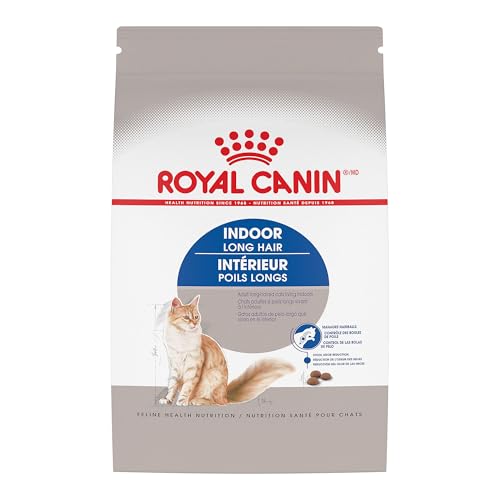
Royal Canin Indoor Long Hair Adult Dry Cat Food, 6 lb Bag

Royal Canin Indoor Adult Morsels in Gravy, 3 oz (Pack of 24)

Royal Canin Indoor Adult & Instinctive Wet Variety Pack, 3 oz, 12 Pack
IAMS Proactive Health Indoor Weight and Hairball Care Dry Cat Food, 3.5 lb

Purina Cat Chow Indoor Hairball + Healthy Weight Dry Cat Food, 6.3 lb

Tiki Cat Born Carnivore Trout & Menhaden Dry Cat Food, 3 lbs

Purina Pro Plan Adult Indoor High Protein Chicken and Rice, 3.5 lb
More Details On Our Top Picks
This chicken-and-pea kibble skips grains entirely, leaning on peas for carbohydrates instead of corn or wheat. Added fiber and prebiotics, which are ingredients that feed beneficial gut bacteria, target the digestive sluggishness common in cats that nap eighteen hours a day.
The 3.5-pound bag suits smaller households or a trial run before committing to a bigger size. Compared with the Royal Canin options later on this list, it’s the simpler, more affordable entry point into indoor-specific nutrition.
Strong Points
- Grain-free recipe suits cats with corn or wheat sensitivities
- Prebiotics support smoother digestion for low-activity cats
- Small bag keeps kibble fresh between purchases
- Chicken-forward flavor most cats accept readily
Things To Consider
- The 3.5-pound size runs out quickly in multi-cat homes, so expect frequent reordering
- Peas as a primary carb source won’t suit every owner’s ingredient philosophy
Made For
Solo-cat households wanting an affordable grain-free indoor formula without premium pricing.
A Better Fit Elsewhere
Homes with several cats will stretch their dollar further with the Purina Cat Chow Indoor’s 6.3-pound bag below.
Long-haired indoor cats face a problem short-haired ones don’t: swallowed fur has nowhere to go but the stomach. This formula answers that with a precise fiber blend designed to move hair through the digestive tract instead of letting it clump into hairballs.
Fatty acids and vitamins support skin and coat condition, which matters because a healthy coat sheds less in the first place. Highly digestible proteins round things out with firmer stool quality, something owners of Maine Coons and Persians tend to appreciate daily. It’s tailored for cats aged one to seven.
What We Like
- Fiber blend specifically targets hairball formation in long coats
- Fatty acids promote shinier fur and reduced shedding at the source
- Calorie content tuned to maintain healthy weight in sedentary cats
- Digestible proteins mean easier cleanup around the litter box
- Six-pound bag lasts a single cat roughly a month or more
Minor Gripes
- Kibble shape and size are breed-tuned, so some cats take a week or two to switch over
- Priced above mainstream grocery brands per pound
At A Glance
Who It Suits Best
Persian, Maine Coon, and Ragdoll owners tired of weekly hairball surprises on the carpet.
Where A Sibling Pick Shines
Short-haired cats get the same digestion benefits for less from the IAMS ProActive Health formula at number five.
Some cats simply refuse dry kibble, and gravy-based wet food is usually what wins them over. These soft morsels carry the same indoor-focused nutrition as the dry Royal Canin range: digestible proteins for stool quality, balanced vitamins and minerals, and calorie levels suited to spayed or neutered adults.
The protein-to-fat-to-carb ratio is tuned toward what cats instinctively prefer, which is why this line has a reputation for converting fussy eaters. Mixing a pouch with dry kibble also boosts palatability if your cat has gone bored with plain crunch.
Highlights
- Gravy texture appeals to cats that reject dry food entirely
- Added moisture supports hydration in cats that drink little water
- Formulated for spayed and neutered indoor adults
- Single-serve portions eliminate measuring and keep servings fresh
Small Caveats
- Twenty-four pouches generate more packaging waste than bagged kibble
- Open pouches need refrigeration and should be used within a day or two
Right Fit For
Owners of picky eaters or senior-leaning adults who need softer textures and extra moisture.
Swap It Out When
Cats that enjoy variety do better with the Royal Canin variety pack at number four, which pairs these morsels with thin slices in gravy.
Cat boredom is real: serve the same pouch every day and even enthusiastic eaters start leaving food behind. This twelve-can case splits evenly between the Indoor Adult Morsels in Gravy covered above and Adult Instinctive Thin Slices in Gravy, giving you two textures from one purchase.
Both halves share the same core goals, supporting ideal weight and healthy digestion in adult indoor cats. The alternating format works well as a twice-daily routine, one texture in the morning and another at night, without buying two separate cases.
Upsides
- Two recipes in one case keeps mealtime interesting
- Thin slices offer a different mouthfeel than chunky morsels
- Both formulas support weight management for indoor lifestyles
- Twelve cans cover roughly six days of twice-daily wet feeding
Points To Note
- A twelve-count case depletes fast compared with the twenty-four-pack of morsels alone
- Cats that fixate on one texture may ignore half the case
Whose Shelf It Belongs On
Multi-cat homes where different cats prefer different textures, saving you from buying two product lines.
Consider Something Else When
A single-texture household gets better value per can from the dedicated Royal Canin Morsels in Gravy twenty-four pack reviewed just above.
Weight gain and hairballs usually travel together in indoor cats, and this IAMS formula attacks both at once. L-carnitine, an amino acid derivative that helps the body convert fat into energy, supports metabolism, while beet pulp and prebiotic fibers aid digestion and help hair pass through rather than pile up in the stomach.
The recipe carries ten percent less fat than IAMS’ standard healthy adult chicken formula, a meaningful cut for a cat that spends its days on the windowsill. Seven essential nutrients round out heart support, which is a nice touch at this price tier.
Reasons To Buy
- L-carnitine helps less-active cats manage body condition
- Beet pulp fiber blend reduces hairball frequency for many owners
- Ten percent lower fat than the brand’s standard adult recipe
- Seven-nutrient blend supports cardiovascular health
Softer Spots
- Contains grains, so it’s not the choice for grain-sensitive cats
- The 3.5-pound bag means steady repurchasing for heavier feeders
Quick Facts
Best Suited To
Neutered indoor cats carrying extra weight who also leave the occasional hairball behind.
Not Your Match When
Grain-free households should look instead to the Whole Paws chicken and pea recipe at the top of this list.
Where the IAMS bag holds 3.5 pounds, this Purina Cat Chow option nearly doubles that at 6.3 pounds, which changes the ownership math considerably for anyone feeding more than one cat. Real farm-raised chicken leads the recipe, and the kibble contains no artificial flavors.
A natural fiber blend tackles hairballs, while the calorie profile accounts for the lower activity levels typical of indoor life. All twenty-five essential vitamins and minerals are included, making it a complete daily diet rather than a supplement to anything else.
Plus Points
- Real farm-raised chicken as the leading protein
- Natural fiber blend helps minimize hairball episodes
- No artificial flavors anywhere in the recipe
- Complete vitamin and mineral profile covers full daily needs
- Large bag reduces how often you’re reordering
Room For Improvement
- Once opened, a big bag needs an airtight container to stay fresh for weeks
- Formulation includes grains, ruling out sensitive-stomach cats
Feature Snapshot
Who Will Love This
Households running through small bags too quickly and wanting dependable grocery-brand nutrition.
Reach For A Different Pick When
Owners prioritizing meat-heavy, minimally processed recipes will prefer the Tiki Cat Born Carnivore formula coming up next.
Cats are obligate carnivores, meaning their bodies are built to run on animal protein rather than plant fillers. Tiki Cat takes that seriously here: real trout is the first ingredient, the recipe is grain-free, and there are no potatoes, corn, wheat, or soy anywhere in the mix.
It’s also minimally processed with non-GMO ingredients, and pumpkin provides gentle fiber for digestion alongside vitamins A and E, omega-6 fatty acids, and added taurine for whole-body support. The fish-forward profile tends to hook cats that have grown indifferent to chicken kibble.
Bright Spots
- Real trout listed as the first ingredient
- Free of potatoes, corn, wheat, soy, and grains overall
- Pumpkin fiber supports comfortable digestion
- Taurine and omega-6s back vision, coat, and immune function
- Non-GMO, minimally processed ingredient approach
Honest Caveats
- Fish-based recipes can produce noticeably stronger-smelling litter box visits
- The three-pound bag costs more per pound than the Purina Cat Chow option earlier
Core Details
Perfect Match For
Owners who read ingredient panels closely and want a biologically appropriate, meat-first kibble.
Another Choice May Suit
Budget-focused shoppers feeding multiple cats will find the Purina Pro Plan at number eight hits a middle ground on cost.
High protein does double duty for indoor cats: it preserves lean muscle and helps a cat feel satisfied on fewer calories. This Pro Plan chicken-and-rice formula leans into that, with real chicken among the leading protein sources and a nutrient set aimed at maintaining healthy weight.
Natural prebiotic fiber supports digestion, while omega-6 fatty acids and vitamin A nourish skin and coat. Taurine backs healthy vision, antioxidants support immune function, and the formula delivers complete, balanced nutrition for adult cats. Available sizes run from 3.5 pounds up to 16 pounds, so you can scale once your cat settles in.
Standout Traits
- High protein content maintains lean muscle mass
- Prebiotic fiber promotes digestive comfort
- Omega-6s and vitamin A improve coat condition over weeks of feeding
- Multiple bag sizes let you scale up after a successful trial
Worth Noting
- Contains rice and grains, unlike the Tiki Cat trout recipe above
- The entry 3.5-pound size disappears quickly with free-feeding setups
Details At A Glance
Who Should Grab It
Younger indoor adults with decent energy levels whose owners want muscle-supporting protein at a mid-tier price.
Look Elsewhere When
Long-haired cats battling constant hairballs will get more targeted relief from the Royal Canin Indoor Long Hair formula at number two.
What Matters Most Before Choosing Indoor Cat Foods
Match The Formula To The Coat
Hairball control matters far more for long-haired breeds than short-haired ones. Fiber blends like those in Royal Canin’s long-hair formula or IAMS’ beet pulp mix move swallowed fur through the gut. A short-haired domestic shorthair rarely needs that level of intervention.
Read The First Three Ingredients
The opening of an ingredient list tells you where most of the nutrition comes from. Recipes led by named meats such as chicken or trout generally deliver more species-appropriate protein than those led by grains or vague meals. Cats are obligate carnivores, so animal protein should dominate.
Factor In Activity And Spay Status
Spayed and neutered indoor cats burn noticeably fewer calories, which is why weight-management formulas exist. L-carnitine, reduced fat levels, and tuned calorie counts all address the slow creep of weight gain in a cat that sleeps most of the day.
Decide Between Dry, Wet, Or Mixed
Dry kibble is convenient and stores well; wet food adds moisture, which matters since many cats chronically under-drink. A mixed routine, kibble available all day plus a wet portion at dinner, captures both advantages and is easy to maintain long term.
Key Considerations Across These Picks
Traps First Timers Fall Into
Switching foods overnight is the classic error, and it usually ends in an upset stomach. Transition over seven to ten days by blending increasing amounts of the new kibble into the old. Another slip is ignoring bag size versus household size: a 3.5-pound bag vanishes in days with three cats.
Where The Extra Money Goes
Premium formulas spend more on named animal proteins, fewer fillers, and targeted additives like taurine and omega fatty acids. That investment pays off most visibly in coat condition, stool quality, and palatability for picky eaters. Grocery-tier brands still deliver complete nutrition, so the upgrade is about refinement, not necessity.
Frequently Asked Questions
Do indoor cats really need special food?
Yes, their lower activity levels change calorie and fiber needs. Indoor formulas account for slower metabolisms and higher hairball risk.
How long does a food transition take?
Plan on seven to ten days minimum. Gradually increase the new food’s share each day to avoid digestive upset.
Is wet food better than dry for indoor cats?
Neither is strictly better; they serve different purposes. Wet food adds hydration, while dry food offers convenience and dental texture.
Can hairball food replace regular grooming?
No, brushing remains essential, especially for long-haired breeds. Fiber-rich food complements grooming but doesn’t replace it.
How much should I feed an indoor cat daily?
Follow the feeding chart on the specific bag, since calorie density varies widely. Adjust based on your cat’s body condition over several weeks.
Closing Thoughts
Every cat on this list lives indoors, but no two cats bring the same problems to the bowl. Long-haired breeds need the Royal Canin hairball work, overweight cats benefit from IAMS’ l-carnitine approach, and ingredient-conscious owners will gravitate toward Tiki Cat’s trout-led recipe. Start with the formula that matches your cat’s most pressing issue, transition slowly, and give any new food a fair few weeks before judging results. Your cat’s coat, weight, and litter box will tell you whether you got it right.
