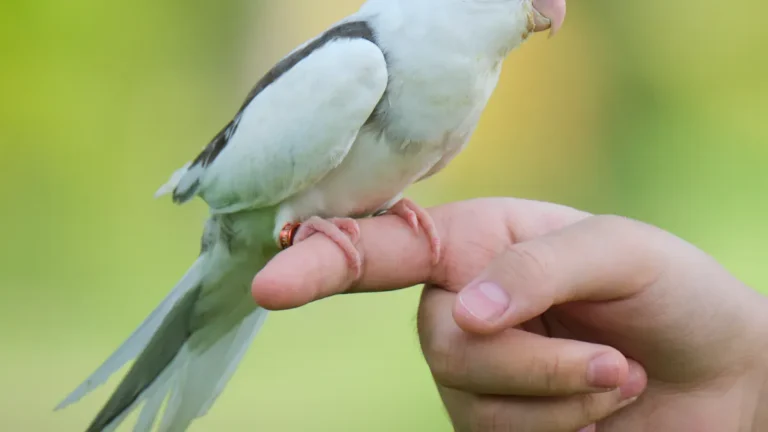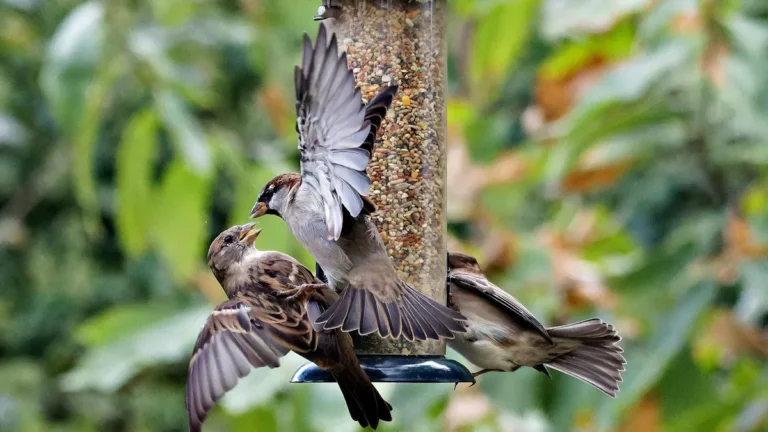

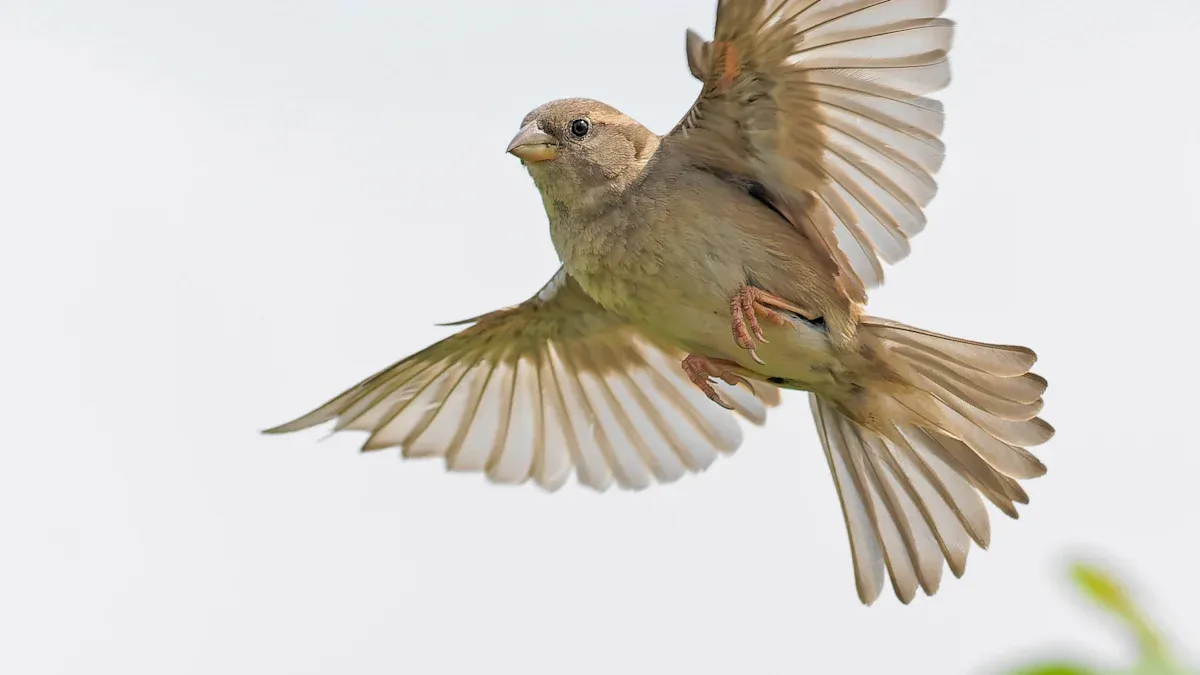
Bird feather loss can signal various health issues in birds. Understanding why bird feather loss occurs is crucial for pet owners. Common concerns include behavioral causes like boredom and environmental factors such as exposure to irritants. Health issues, including chronic diseases and nutritional deficiencies, also play a role in bird feather loss. By recognizing these signs, you can take proactive steps to ensure your bird’s well-being.
Key Takeaways
Bird feather loss can indicate health issues, including nutritional deficiencies and stress. Monitor your bird’s behavior and feathers closely.
Molting is a natural process where birds shed old feathers. It is essential for feather quality and can be influenced by seasonal changes.
A balanced diet rich in protein, vitamins, and minerals is crucial for maintaining healthy feathers. Ensure your bird receives proper nutrition.
Creating an enriched environment with toys and foraging opportunities can reduce stress and prevent feather plucking in birds.
Regular veterinary check-ups are vital for early detection of health issues. Schedule annual visits for healthy birds and more frequent visits for older or sick birds.
Natural Causes of Feather Loss
Molting
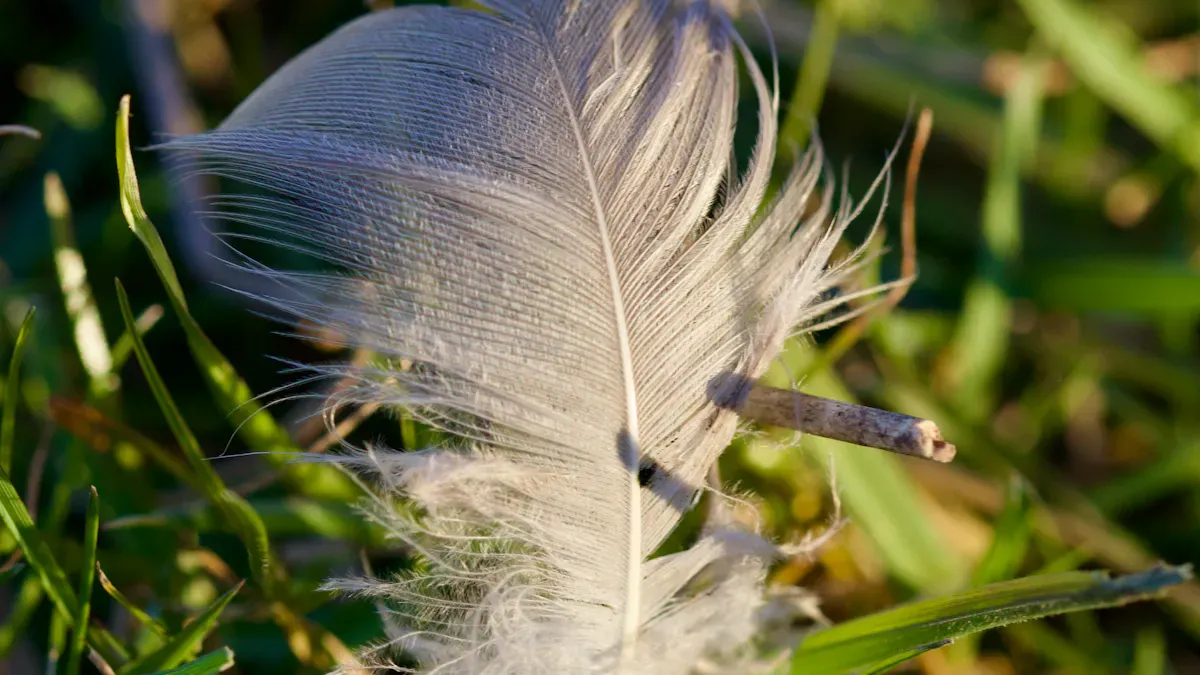
Molting is a natural process that all birds experience. During this time, birds shed old feathers and grow new ones. This process is essential for maintaining feather quality and overall health. Hormonal changes regulate molting, influenced by both internal and external signals. For example, the hypothalamic-pituitary-gonad (HPG) axis plays a significant role in this process. When birds molt, levels of corticosterone decrease, which can enhance feather quality by promoting protein mobilization.
You might notice that birds undergo molting in response to seasonal changes. As the climate shifts and daylight hours change, birds adapt by molting. This adaptation helps them maximize survival and reproductive success. The timing of molting often aligns with environmental cues, such as the length of the day.
Natural molting can occur at any time of the year, especially when birds experience stress. For instance, a hen under mild stress in late spring may see a drop in egg production, while the same stress in autumn can trigger molting. This illustrates how environmental factors can lead to feather loss as part of the natural molting process.
Seasonal Changes
Seasonal changes also contribute to feather loss. As temperatures fluctuate and daylight hours change, birds may shed feathers to adapt to their environment. This process is normal and not typically a cause for concern. You should observe your bird during these times and ensure it has a comfortable environment.
Health-Related Causes of Feather Loss
Nutritional Deficiencies
Nutritional deficiencies can significantly impact your bird’s feather health. A poor diet lacking essential nutrients can lead to feather loss and other health issues. Here are some common nutritional deficiencies linked to feather loss:
Protein Deficiency: Feathers primarily consist of protein, specifically keratin. A lack of high-quality protein can result in brittle and easily broken plumage. During molting, birds require increased protein intake to support feather growth.
Vitamin A Deficiency: This vitamin plays a crucial role in maintaining healthy feathers. A deficiency can lead to dull, brittle feathers and excessive shedding.
Mineral Deficiencies: Essential minerals like calcium and zinc are vital for feather development. A lack of these minerals can cause abnormal feathering and skin disorders.
Symptoms of nutritional deficiencies may include weight fluctuations, flaky skin, and inflammation around the eyes or ears. Malnutrition can directly cause feather abnormalities and negatively impact your bird’s organ function and immune system, leading to further health complications.
Parasitic and Fungal Diseases
Parasitic and fungal diseases can also lead to feather loss in birds. These diseases often cause irritation or pain, prompting your bird to pluck or lose feathers. Here’s a table summarizing some common diseases and their clinical signs:
Disease Type | Common Diseases | Signs |
|---|---|---|
Parasitic | Scaly Face Mite (Knemidocoptes) | Pale, crusty lesions, malformed beak, encrustations on mouth and legs |
Feather Mites (Dermanyssus gallinae) | Rarely cause feather loss, but may be linked to behavioral issues | |
Fungal | Aspergillus | Skin irritation leading to feather loss |
Candidiasis | Skin irritation leading to feather loss | |
Other | Polyomavirus | Severe feather loss, often fatal |
Psittacine Beak and Feather Disease | Severe feather loss, often fatal |
If you notice any signs of these diseases, consult a veterinarian for proper diagnosis and treatment. Early detection is crucial for effective management.
Serious Health Issues
Serious health issues can also contribute to feather loss. Conditions such as chronic liver disease and tumors often lead to true feather loss. Other potential causes include infections from viruses and bacteria, as well as parasites like Giardia. Here are some key points to consider:
Chronic Active Liver Disease: This condition can cause significant feather loss. Symptoms may include lethargy and changes in appetite.
Tumors: Tumors can disrupt normal bodily functions, leading to stress-induced feather loss.
Infections: Viral infections can also result in feather loss. Veterinarians can conduct tests to identify these infections, while skin cultures can help detect bacterial infections.
Monitoring your pet bird’s health is essential for early detection of these serious conditions. Regular veterinary check-ups can help ensure your bird remains healthy and vibrant.
Behavioral Causes of Feather Loss
Stress and Anxiety
Stress and anxiety can significantly impact your bird’s feather health. Birds often experience stress due to various factors, including changes in their environment or social dynamics. Research indicates that behavioral issues like separation anxiety and loneliness are closely associated with feather-damaging behavior (FDB) in birds, especially in psittacine species. When birds feel stressed, they may engage in self-mutilation, leading to feather loss.
Common environmental and social stressors include:
Separation anxiety
Boredom
Attention-seeking behavior
Anxiety from environmental changes
Lack of a rich environment
Mixed-species environments that provide social interaction benefits
You should observe your bird for signs of stress. If you notice changes in behavior, it may indicate underlying anxiety. Addressing these issues promptly can help prevent feather loss.
Feather Plucking
Feather plucking is a prevalent issue among various pet bird species. Birds such as African greys, cockatoos, and macaws are particularly affected. Studies show that about 10-15% of pet birds exhibit feather plucking behavior. This behavior often serves as a coping mechanism for stress, anxiety, and boredom. Birds that engage in feather plucking typically have higher levels of stress hormones compared to those that do not.
To reduce feather plucking, consider the following interventions:
Schedule a vet visit to rule out medical issues.
Focus on reducing stress by creating a calm environment.
Observe your bird to identify triggers for plucking.
Consult a bird behaviorist for expert advice.
Address overall well-being, including diet and social interaction.
Additionally, you can implement strategies to create a more stimulating environment. Provide toys and foraging opportunities to keep your bird engaged. Establish a predictable schedule to help your bird feel secure. Increasing human interaction can also reduce stress and promote a healthier lifestyle.
If behavioral modifications are insufficient, medications like nortriptyline may help. However, consult your veterinarian before starting any treatment.
By understanding the behavioral causes of feather loss, you can take proactive steps to support your bird’s mental and emotional well-being.
Prevention and Care for Feather Loss
Proper Nutrition
You can prevent feather loss by ensuring your bird receives a balanced diet. A diet rich in essential nutrients supports feather health. Here are some key components to include:
Essential Amino Acids: These are vital for strong feathers. Good sources include sprouted seeds, high-quality pellets, and cooked eggs.
Healthy Fats: These support skin hydration and feather quality. Red palm oil and walnuts are excellent choices.
Vitamins: Vitamins play a crucial role in feather growth and skin health. Carrots, whole grains, and leafy greens are great options.
Minerals: Minerals strengthen feathers and support nerve function. Dark leafy greens and nuts provide these nutrients.
Hydration: Fresh water and hydrating fruits help prevent dryness and itching.
By following these nutritional guidelines, you can help your bird maintain healthy feathers and avoid nutritional causes of feather loss.
Environmental Enrichment
Creating a stimulating environment is essential for your bird’s well-being. Studies show that birds in enriched environments are less likely to pluck their feathers. Here are some effective ways to enhance your bird’s habitat:
Provide foraging opportunities with hidden treats.
Include chew toys to keep your bird engaged.
Offer varied perches to encourage movement and exploration.
These activities can reduce stress and boredom, which often lead to feather loss.
Veterinary Check-ups
Regular veterinary check-ups are crucial for monitoring your bird’s health. Your veterinarian can identify potential issues before they become serious. Here’s a recommended frequency for check-ups:
Bird Type | Recommended Frequency |
|---|---|
Healthy Adult Birds | Annual |
Older Birds | Every 6 to 9 months |
Birds with Chronic Conditions | Every 6 to 9 months |
By scheduling regular visits, you can ensure your bird remains healthy and vibrant, reducing the risk of feather loss.
Understanding the causes of feather loss is vital for your bird’s health. Key factors include natural processes like molting, nutritional deficiencies, and health-related issues. Behavioral causes, such as stress and feather plucking, also play a significant role.
To monitor your bird’s feather health, pay attention to:
Changes in activity, appetite, or behavior
Dull, frayed, or patchy feathers
Over-preening or feather plucking
Regular veterinary check-ups are essential for early detection of potential health issues. By creating an enriching environment and ensuring a balanced diet, you can help prevent feather loss. Take these proactive steps to support your bird’s well-being and keep those feathers healthy!