
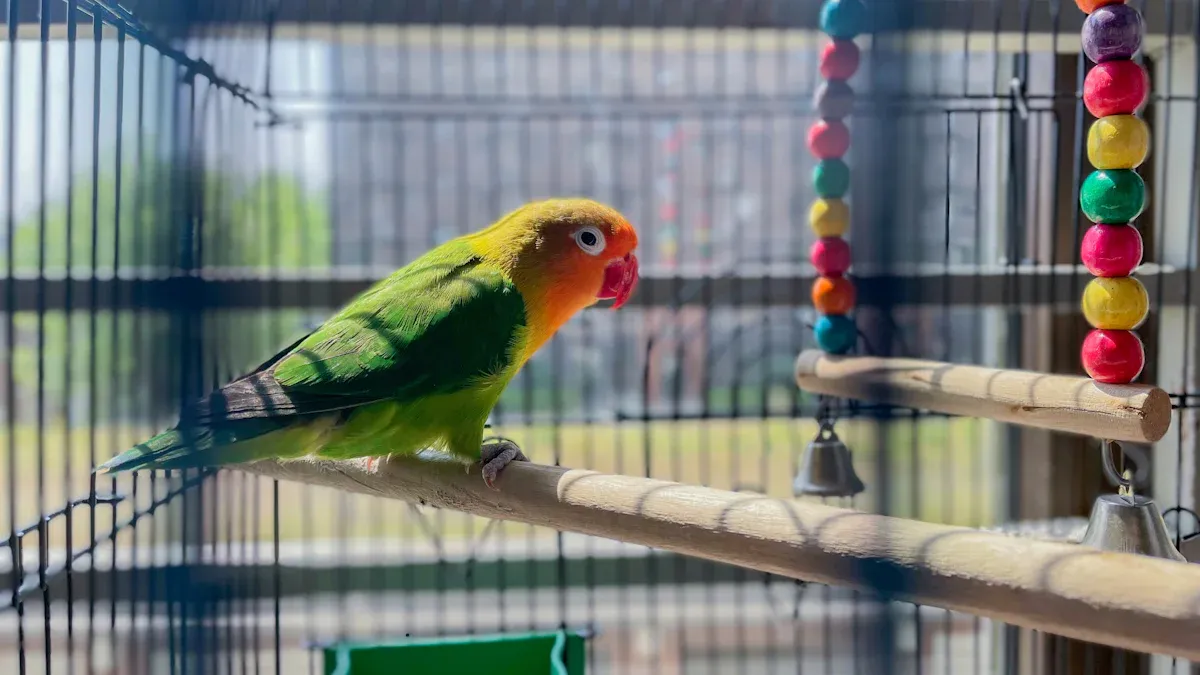
Creating a comfortable bird cage setup is crucial for your feathered friend’s happiness and health. Birds thrive in environments that meet their core needs. Here are some essential aspects to consider:
Proper Housing: Ensure adequate space for movement and shelter.
Nutrition: Offer a balanced diet tailored to your bird’s species.
Social Interaction: Provide opportunities for bonding with other birds or humans.
Mental Stimulation: Include toys and activities to keep their minds engaged.
By focusing on these elements, you can enhance your bird’s wellbeing and create a joyful living space.
Key Takeaways
Choose the right cage size based on your bird’s species to ensure enough space for movement and exercise.
Incorporate safety features like proper bar spacing and non-toxic materials to protect your bird from harm.
Create distinct activity zones in the cage for feeding, resting, and playing to keep your bird engaged and happy.
Maintain a clean and well-ventilated environment to promote your bird’s health and prevent respiratory issues.
Regularly assess and adjust the cage setup to enhance your bird’s comfort and overall well-being.
Cage Size
Space for Movement
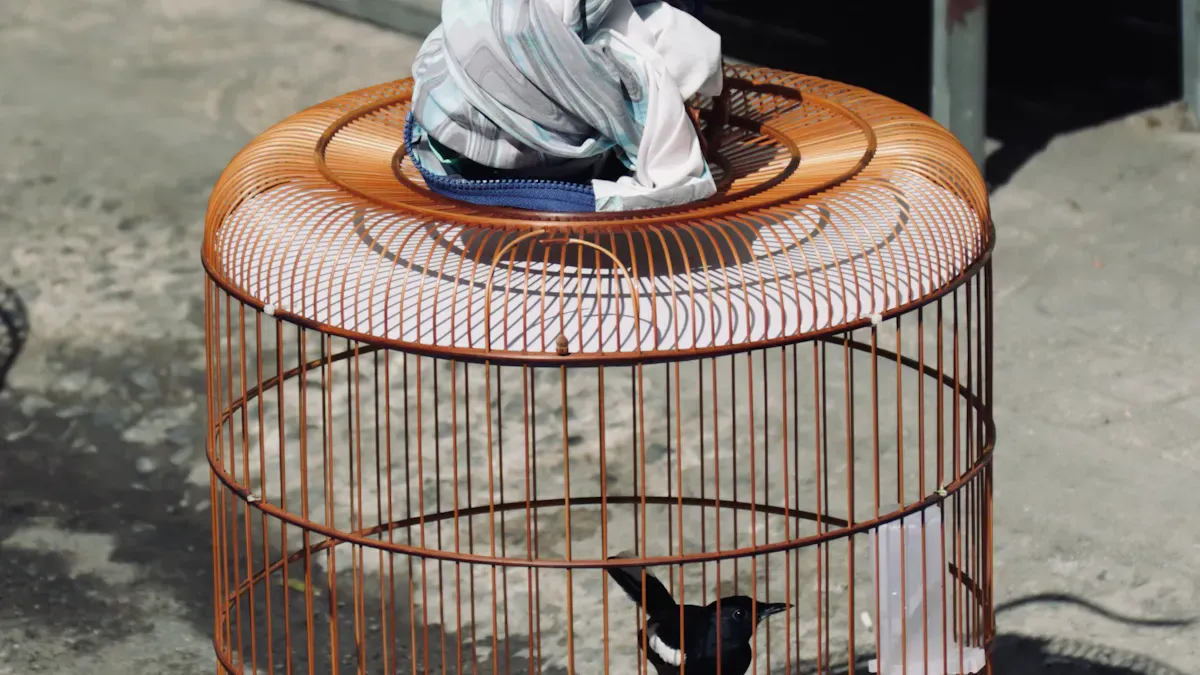
When you set up a bird cage, size matters! Different bird species have unique space requirements that directly affect their health and happiness. A cage that’s too small can lead to stress and health issues. On the other hand, a properly sized cage allows your bird to fly, stretch, and exercise, which are essential for their well-being.
For popular pet birds, here are some recommended minimum cage sizes:
Bird Species | Minimum Cage Size (W x D) | Bar Spacing |
|---|---|---|
Budgerigar | 27″ x 24″ | 1/2″ or less |
Cockatiel | 27″ x 24″ | 3/4″ or less |
African Grey | 36″ x 30″ | 3/4″ to 1″ |
These dimensions ensure your feathered friend has enough room to move around comfortably. For example, if you have a cockatoo, aim for a cage that’s at least 34″ x 24″ x 36″ high. This size gives them space to flap their wings and play without feeling cramped.
Remember, a spacious cage can prevent boredom and behavioral problems. Birds need room to explore and engage with their environment. You want to create a lively space where they can thrive. So, when you think about cage placement, consider not just the size but also how it fits into your home. A well-placed cage can enhance your bird’s quality of life.
Bird Cage Setup: Safety Features
Accessories for Comfort
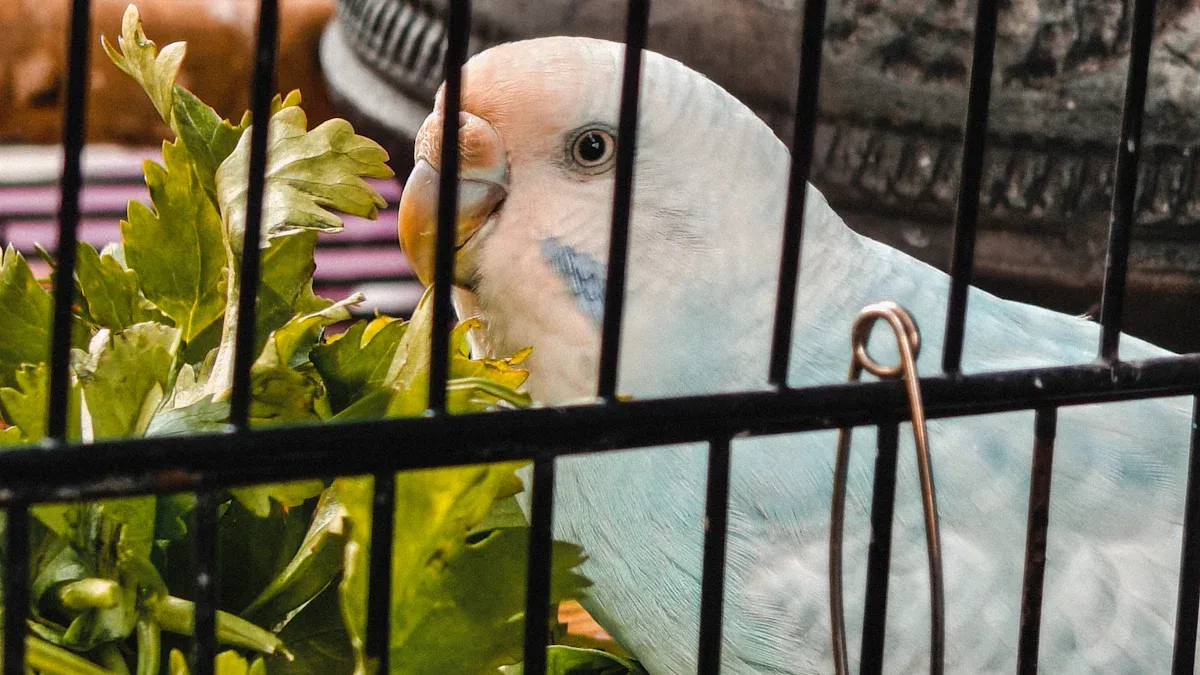
When setting up your bird’s cage, safety features are just as important as comfort. One key aspect is bar spacing. You want to ensure that the bars are close enough to prevent your bird from escaping or getting its head stuck. The recommended spacing varies by species. For example, smaller birds like budgerigars need spacing of about 1/2 inch, while larger birds like African Greys can have spacing of 3/4 to 1 inch. This careful consideration helps keep your feathered friend safe and secure.
Next, let’s talk about the materials used in the cage. Not all materials are safe for birds. Here’s a quick list of what to look for and what to avoid:
Safe Materials:
Woods: Pine, balsa, birch, basswood, poplar, maple, walnut, ash, apple, elm, cactus (cholla), manzanita.
Rope: 100% natural fiber ropes such as cotton, hemp, and sisal.
Chain: Stainless steel, zinc and lead-free.
Acrylic: Safe and durable, at least 3/16″ thick.
Leather: Only vegetable-tanned leather.
Unsafe Materials:
Woods: Cedar, red cherry, plywood, oak (avoid treated wood).
Rope: Avoid nylon.
Chain: Avoid zinc-coated or galvanized chain.
Acrylic: Avoid toys meant for smaller birds for larger birds.
Leather: Avoid dyed or chemically tanned leather.
Fasteners: Avoid split key ring type fasteners and snap hooks.
Using non-toxic materials not only protects your bird but also enhances its comfort. You want your bird to feel at home in its cage, and that starts with safe accessories.
Additionally, be mindful of common household hazards. Birds are curious creatures, and they can get into trouble if you’re not careful. Here are some things to watch out for:
Electrical Cords: Birds may chew on cords, risking electrocution and fire hazards.
Open Windows or Doors: Birds can escape easily, so keep them closed.
Lead and Zinc Poisoning: Common household items can contain these metals, which are toxic to birds.
Unsafe Toys: Some toys may contain harmful materials or have dangerous parts.
Harmful Chemicals: Cleaning agents and other chemicals can pose serious health risks to birds.
Finally, consider the cage’s locks and doors. Secure locks and escape-proof doors help prevent your bird from flying away or getting injured. Keeping windows closed and locked prevents birds from flying into them, which can lead to serious injuries. Drawing curtains or blinds can also help avoid accidental collisions with glass.
By focusing on these safety features, you create a secure environment where your bird can thrive. Remember, a safe cage setup contributes significantly to your bird’s overall comfort and happiness.
Activity Zones
Resting Areas
Creating distinct activity zones in your bird’s cage is essential for their overall well-being. By designating areas for feeding, resting, and playing, you help your bird feel secure and engaged. Here’s how to set up these zones effectively:
Top Zone: This area is perfect for swings, hanging foraging toys, or bells. These items keep active birds engaged and encourage them to explore their space.
Middle Zone: Use this space for puzzle toys and chew blocks. These allow your bird to interact while resting, providing a balance between activity and relaxation.
Bottom Zone: This area is suitable for foot toys and foraging trays. It encourages exploration during quieter times, giving your bird a chance to engage with their environment at their own pace.
Strategically placing perches at different heights and angles also promotes movement. This mimics the varied terrain birds would experience in the wild. It helps maintain their physical health by engaging different muscle groups.
In addition to these zones, rotating toys regularly is crucial. Doing so prevents boredom and keeps your bird mentally stimulated. Here are some effective options to consider:
Foraging Toys: These encourage natural foraging behaviors, allowing your bird to search for treats.
Chewable Toys: They satisfy your bird’s instinct to chew, which is vital for their beak health.
Interactive Toys: These engage your bird’s problem-solving skills, making playtime more rewarding.
To keep things fresh, aim to rotate about one-third of the cage items weekly. This approach provides continuous novelty while retaining familiar elements for comfort. You might find that changing toys every few days works better for your bird, depending on their preferences.
Incorporating enrichment activities is also vital for mental well-being. Consider hiding treats within toys to stimulate foraging instincts. Providing tunnels and platforms creates an interactive environment for climbing and exploring. Cozy hiding spots offer a secure place for relaxation, making your bird feel safe and comfortable.
By thoughtfully designing activity zones and regularly updating the toys, you create a vibrant environment that supports your bird’s physical and mental health. Remember, ample playtime and engaging activities are key to a happy, healthy bird!
Environmental Factors
Creating a comfortable environment for your bird goes beyond just the cage setup. You need to consider natural light, temperature, humidity, and air quality. These factors play a significant role in your bird’s health and happiness.
First, let’s talk about natural light. Birds thrive on exposure to daylight. A general guideline is to provide 12 hours of daylight and 12 hours of uninterrupted darkness. This balance helps regulate their circadian rhythms, which is crucial for their overall well-being. You can set a timer for 10-12 hours of light daily to mimic natural daylight cycles. This simple step can reduce stress and keep your bird feeling energetic.
Next, temperature control is vital. Most pet birds prefer a comfortable environment. Aim for a temperature range between 65°F and 80°F. Avoid placing the cage near drafts, heaters, or air conditioning vents. Sudden temperature changes can stress your bird.
Humidity also matters. The ideal humidity level for most birds is between 40% and 50%. For parrots, a range of 40-60% is preferable. This moisture level helps prevent respiratory issues and keeps your bird’s skin and feathers healthy. If your home is too dry, consider using a humidifier to maintain the right balance.
Lastly, pay attention to air quality. Poor air quality can harm your bird’s respiratory health. Dust, fumes, and aerosol particles can irritate their lungs. This irritation can lead to coughing and increase the risk of respiratory infections. Ensure good ventilation in the room where your bird’s cage is located. Regularly clean the area to minimize dust and allergens.
By focusing on these environmental factors, you create a nurturing space for your bird. A well-lit, temperature-controlled, and clean environment contributes significantly to your bird’s comfort and happiness.
Maintenance Tips
Keeping your bird’s cage clean and well-maintained is essential for their health and happiness. Regular maintenance helps prevent diseases and keeps your feathered friend comfortable. Here are some guidelines to follow:
Cleaning Routines
Daily Cleaning Tasks:
Remove droppings and uneaten food to prevent bacteria buildup.
Clean food and water bowls to avoid illness.
Wipe down surfaces to maintain cleanliness.
Weekly Deep Cleaning Routines:
Empty the cage and shake out debris.
Wash the base with warm, soapy water and disinfect with a vinegar solution.
Scrub bars and crevices to remove hidden dirt.
Clean accessories like perches and toys thoroughly.
Using safe cleaning agents is crucial. Here are some effective options:
Vinegar and Water Solution: This mix cleans surfaces, kills germs, and removes odors without harmful chemicals.
Baking Soda: It absorbs odors and keeps the cage smelling fresh.
Bird-Safe Commercial Cleaners: These products are gentle yet effective for cleaning bird cages.
Troubleshooting Common Issues
Regular maintenance helps you spot potential problems early. Here are some common issues to watch for:
Cleanliness: A dirty cage can lead to respiratory infections. Keeping it clean reduces dust and allergens.
Ventilation: Ensure good airflow to avoid respiratory issues. Place the cage in a well-ventilated area.
Environmental Stability: Maintain a stable temperature and humidity level to prevent stress-related issues like feather plucking.
Enrichment: Providing toys and activities can prevent behavioral problems such as obesity.
By following these maintenance tips, you can create a safe and healthy environment for your bird. Regular cleaning and attention to detail will keep your feathered friend happy and thriving!
Creating a comfortable and safe cage for your bird is essential for its happiness and health. Remember these key points:
Customize the cage to meet your bird’s specific needs.
Ensure safety features protect your bird from harm.
Provide proper ventilation and exposure to natural sunlight.
Regularly assess your bird’s living environment. A well-designed cage can significantly improve your bird’s quality of life. By making small adjustments, you can enhance its comfort and well-being. So, take the time to create a nurturing space where your feathered friend can thrive!
FAQ
What size cage do I need for my bird?
The cage size depends on your bird species. Generally, aim for a cage that is 2-3 times your bird’s wingspan. This ensures enough space for movement and exercise.
How often should I clean my bird’s cage?
You should clean your bird’s cage daily by removing droppings and uneaten food. A deep clean once a week helps maintain hygiene and prevents illness.
Can I use any type of wood for perches?
Not all wood is safe for perches. Avoid treated woods and opt for safe options like pine, birch, or manzanita. Always check for toxicity before using any wood.
How can I keep my bird entertained?
Provide a variety of toys, such as foraging toys, chewable items, and interactive puzzles. Rotate these toys regularly to keep your bird engaged and prevent boredom.
Is it safe to place the cage near a window?
Placing the cage near a window can be risky. Direct sunlight may overheat your bird, while open windows pose escape risks. Ensure the area is safe and comfortable.