

Kittens burn through energy and nutrients at a pace adult cats never match, and the wrong kibble can slow that growth down. This shortlist covers eight dry formulas built for the first year of life, from budget-friendly starter bags to breed-specific and raw-coated options. Each one earns its place on formulation quality, digestibility support, and how well it fits a real household with a new kitten underfoot.
The Shortlist At A Glance

ORIJEN Grain Free WholePrey Kitten Recipe 4lb Bag
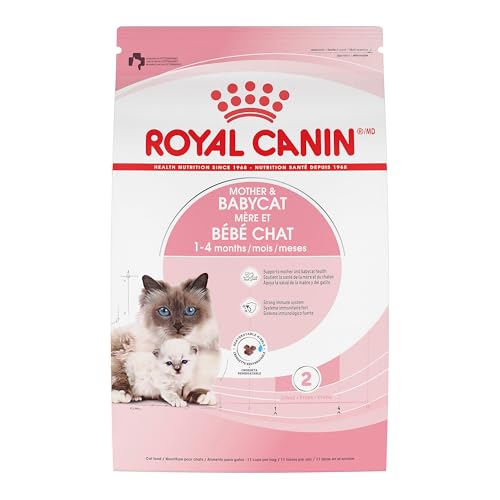
Royal Canin Mother & Babycat Dry Cat Food 6 lb
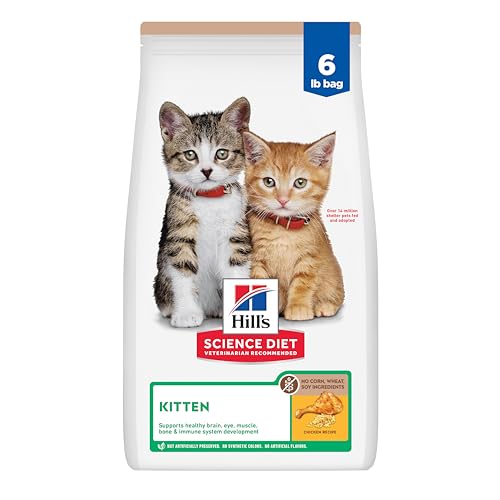
Hill’s Science Diet Kitten No Corn Wheat Soy Formula

Royal Canin Maine Coon Kitten Dry Food 3 lb

Wellness CORE Kitten Turkey & Chicken 5 lb

Stella & Chewy’s Raw Coated Cage-Free Chicken Kibble 2.5 lb

Meow Mix Kitten Li’l Nibbles 3.15 lb

Hill’s Science Diet Sensitive Stomach & Skin Kitten
More Details On Our Top Picks
The ORIJEN approach leans hard into meat: chicken paired with fish options like salmon or tuna, in a grain-free recipe shaped around what a small predator would actually hunt. In a busy household with a fast-growing kitten, that protein density translates into steady energy rather than sugar-style spikes from heavy carb fillers.
You get size flexibility here too, from a 4-pound trial bag up to a 7-pound bag once you know your kitten likes it. The honest trade-off is cost per pound, which runs above mainstream brands.
Strong Points
- Chicken-and-fish recipes give kittens animal protein at every meal instead of plant filler
- Grain-free formulation suits owners who prefer ancestral-style diets
- Multiple bag sizes let you test before committing to bulk storage
- Dense nutrition means smaller portions per feeding, which stretches the bag further than you’d expect
Things To Consider
- Cost per pound sits noticeably higher than grocery-shelf kitten foods
- Rich recipes can be too intense for very young kittens still weaning, so transition gradually over a week or so
Who It Suits Best
Owners who want maximum meat content and don’t mind paying premium pricing for a kitten past the weaning stage.
Where A Sibling Pick Shines
Kittens under four months old generally do better on the Royal Canin Mother & Babycat formula, whose tiny rehydratable kibble is built for baby teeth.
Few foods serve two animals at once, and this one does: it feeds a pregnant or nursing queen and her kittens from roughly one to four months. The kibble is deliberately tiny and soft enough to chew with baby teeth, and you can soak it to ease the jump from milk to solids. That dual-purpose design is why foster homes and breeders keep coming back to it.
What We Like
- Vitamins E and C work together as antioxidants while the immune system is still developing
- Prebiotics plus highly digestible proteins keep young stomachs settled during the messiest growth phase
- One bag covers mom and litter alike, simplifying feeding in multi-cat situations
- Rehydratable kibble makes early weaning far less stressful for everyone involved
- Pairs cleanly with the matching wet food if you want texture variety
Minor Gripes
- Once kittens pass four months, you’ll need to plan a switch to a junior formula
- Bags should be sealed tightly after opening since the small kibble stales faster than larger pieces
At A Glance
Made For
Foster carers, breeders, and anyone bottle-raising or weaning a litter who needs one reliable food for mother and babies.
Skip It When
A single healthy kitten over four months is better served by the broader Hill’s Science Diet No Corn, Wheat or Soy formula designed for general growth.
This is the sensible middle ground of the list: science-led nutrition without corn, wheat, or soy, priced well below the premium raw-coated options. DHA from fish oil supports brain and eye development, which matters most in those first frantic months when a kitten is learning coordination and litter habits at the same time.
Compared with the ORIJEN above, it trades some protein intensity for a gentler, more affordable everyday profile. Most first-time owners will find that trade entirely reasonable.
Highlights
- Balanced minerals back growing bones and teeth without overdoing it
- Fish-oil DHA supports the brain and eye development happening fastest right now
- Antioxidant blend helps an immune system still finding its footing
- No corn, wheat, or soy appeals to owners avoiding common grain fillers
Softer Spots
- Not grain-free overall, so strict grain-free households should look elsewhere
- Some picky kittens reportedly take a few days to warm up to the flavor
Quick Facts
Right Fit For
First-time kitten owners who want a trusted, widely available formula without boutique pricing.
Another Choice May Suit
Kittens with frequent loose stools are usually better matched to the Hill’s Sensitive Stomach & Skin recipe later in this list.
Maine Coons grow slowly, sometimes not reaching full size until 15 months, and generic kitten food isn’t calibrated for that marathon. This breed-specific recipe stretches its nutritional support across that entire window, with energy and protein levels tuned for a kitten destined to be genuinely large.
The kibble itself is the clever part: sized and textured for a Maine Coon’s broad jaw, so a big-mouthed kitten can actually grip and chew rather than swallow whole. Compared with the all-kitten Royal Canin Mother & Babycat earlier, this one narrows its focus and commits fully to one breed’s timeline.
Reasons To Buy
- Formulated specifically for the long 15-month growth period purebred Maine Coons need
- Jaw-adapted kibble shape encourages proper chewing in large-mouthed kittens
- Precisely balanced vitamins including vitamin D support bone and joint development under serious future weight
- Highly digestible proteins protect a developing digestive system and promote balanced intestinal flora
Points To Note
- Only worth the premium for confirmed Maine Coon lineage; mixed-breed kittens gain little from it
- The 3-pound bag goes quickly with a giant-breed appetite, so expect frequent repurchasing
Whose Shelf It Belongs On
Homes with a registered or clearly purebred Maine Coon kitten under 15 months old.
Swap It Out When
Any other breed or mix fits the Wellness CORE Kitten formula better, which delivers similar protein density without breed-specific pricing.
Wellness CORE splits the difference between the meat-heavy ORIJEN and the more conventional Hill’s picks. Each bite carries 55 percent animal protein from turkey and chicken, with salmon oil supplying DHA for brain development. The recipe was put together by the brand’s own vets and nutritionists, and it shows in how completely it covers the bases: energy, coat, digestion, immunity, teeth, eyes.
Controlled mineral levels also support healthy hydration, a detail that matters more than most shoppers realize in young cats.
Plus Points
- 55 percent high-quality animal protein matches a kitten’s natural craving for meat
- Salmon-oil DHA backs brain development during the steepest learning curve of a cat’s life
- Omega blend supports skin and coat, so less shedding on your furniture during growth
- Available in 5-pound and 11-pound bags for multi-kitten households
Trade Offs
- Grain-free recipes cost more per serving than conventional kitten kibble
- Transition slowly over about a week; rich formulas can upset unaccustomed stomachs, as owners commonly report
Feature Snapshot
Who Will Love This
Owners of energetic, playful kittens who want grain-free density without stepping up to raw-coated pricing.
Reach For A Different Pick When
Budget matters most; the Meow Mix Li’l Nibbles below covers complete growth nutrition at a fraction of the cost.
Here’s the trick this brand pulls off: ordinary high-protein kibble dusted with freeze-dried raw coating, so your kitten gets raw-style aroma and taste with kibble convenience. Freeze-drying removes moisture at low temperature, keeping the meaty scent intact, and that scent is exactly what wins over kittens who turn their nose up at everything else.
In our view, this is the list’s problem-solver for fussy eaters. The cage-free chicken recipe follows a whole-prey philosophy similar to ORIJEN’s, just with the raw coating doing the persuading.
Bright Spots
- Freeze-dried raw coating delivers irresistible aroma for hesitant eaters
- Cage-free chicken anchors a protein-rich, grain-free recipe
- Whole-prey ingredient approach mirrors natural feline diets
- Multiple pack sizes, from single bags up to three-packs, suit different household scales
Small Caveats
- Raw-coated pieces are oily by nature, so store the bag cool and sealed to prevent the coating degrading
- Per-pound cost lands near the top of this list, and the 2.5-pound entry size disappears fast
Who Should Grab It
Anyone battling a picky kitten who has rejected two or three other premium formulas already.
Not Your Match When
Value-focused shoppers will find the Wellness CORE Kitten recipe delivers comparable protein enthusiasm at a friendlier price point.
Not every kitten needs a boutique diet, and this is the proof. Meow Mix packs four proteins (chicken, ocean fish, salmon, turkey) into bite-sized nibbles made for little mouths, and it’s produced in the U.S.A. from globally sourced ingredients. Complete and balanced nutrition for growing kittens comes standard, along with DHA, the nutrient found in mother cats’ milk that supports vision and brain development.
Against the Stella & Chewy’s above, you’re giving up raw coating and grain-free status, not completeness.
Positives
- Four-protein flavor mix keeps mealtime interesting for curious young palates
- DHA inclusion mirrors a key nutrient in mother’s milk for vision and brain support
- Labeled complete and balanced for growing kittens, so nothing essential is missing
- Easy on the wallet, which matters during a year of constant refills
Worth Noting
- Contains grains, so it won’t suit grain-free households
- Lower meat density than premium rivals; very active kittens may eat noticeably more per day
Core Details
Best Suited To
Multi-kitten fosters and budget-minded families feeding healthy kittens with no known sensitivities.
Consider Something Else When
A kitten with recurring tummy trouble belongs on the Hill’s Sensitive Stomach & Skin formula instead.
Some kittens simply have touchy digestion, and switching foods repeatedly only makes it worse. This salmon-and-brown-rice style formula targets exactly that kitten: highly digestible ingredients, prebiotic fiber (fiber that feeds beneficial gut bacteria), and gentle processing for optimal nutrient absorption. Growth support doesn’t take a back seat either, with DHA for brain development and quality protein for muscle.
It’s the targeted sibling of the standard Hill’s kitten formula reviewed earlier, narrowed to stomach and skin concerns.
Standout Traits
- Triple-action design covers stomach, skin, and immune system together
- Prebiotic fiber promotes smoother stools and better nutrient uptake
- Vitamin E plus omega-3 and omega-6 fatty acids encourage lustrous fur and calm skin
- Clinically proven antioxidants, vitamins C and E, back immune development
Honest Caveats
- Overkill for kittens with no sensitivity issues; the standard formula costs less
- Open bags need airtight storage since the fatty acid profile can oxidize over time
Details At A Glance
The Right Fit
Kittens prone to occasional digestive upset or dull coats whose owners want one food to address both.
Look Elsewhere When
Healthy, unfussy kittens get everything they need from the cheaper Hill’s No Corn, Wheat or Soy formula higher up this list.
What Matters Most Before Choosing Kitten Dry Food Vet Recommendeds
Match The Food To The Growth Stage
A kitten’s needs at eight weeks look nothing like they do at ten months. Weaning-age kittens need tiny, softenable kibble and dense calories, while older juniors can handle standard-sized pieces. Check the age range printed on every bag before committing, because a mismatch means wasted money and a hungry kitten.
Read The Protein Story First
Cats are obligate carnivores, meaning their bodies are built to run on animal tissue rather than plants. Formulas listing named meats like chicken, turkey, or salmon among the first ingredients generally deliver better amino acid profiles than grain-heavy alternatives. Higher meat content costs more per bag but often means smaller daily portions.
Factor In Sensitivities Early
Loose stools, excessive scratching, or a dull coat often trace back to diet. Kittens showing these signs tend to do better on prebiotic-fiber formulas or limited-ingredient recipes. Switch gradually over seven to ten days regardless of which food you choose, mixing increasing amounts of the new kibble into the old.
Think About Household Logistics
Multi-cat homes benefit from foods that serve several animals at once, like queen-and-kitten blends. Single-kitten apartments can justify smaller premium bags that stay fresher. Whatever you buy, seal it well: dry food loses aroma and nutritional punch within weeks of opening.
Key Considerations Across These Picks
Traps First Timers Fall Into
The most common mistake is buying adult cat food to save money, then wondering why growth seems slow. Another frequent slip is switching foods abruptly, which invites digestive chaos even with a quality formula. Skipping the age-range check on the label rounds out the trio.
What Separates Premium From Basic
Higher-tier foods spend their extra cost on named animal proteins, DHA sourcing, and digestibility research rather than filler. That translates into smaller portions, firmer stools, and shinier coats for many cats. The upgrade pays off most for sensitive or highly active kittens; easy-going kittens often thrive on mid-tier options.
Frequently Asked Questions
How long should a kitten stay on kitten food?
Most kittens need growth-formula nutrition until around 12 months of age. Large breeds like Maine Coons may benefit from extended timelines closer to 15 months.
Can I mix dry and wet kitten food?
Yes, and many owners do, since wet food adds hydration while dry kibble supports dental chewing. Just keep total daily portions within feeding guidelines.
Is grain-free always better for kittens?
Not necessarily. Grain-free suits some sensitivities, but grains aren’t inherently harmful, and a complete-and-balanced label matters more than the absence of any single ingredient.
How do I switch my kitten to a new food?
Blend the new food into the old over seven to ten days, increasing the ratio gradually. Slow transitions help avoid stomach upset and refusal.
Do kittens need DHA in their food?
DHA supports brain and vision development during rapid early growth, and most quality kitten formulas include it. It’s especially valuable in the first six months.
Wrap Up
Your kitten’s first year sets the template for a lifetime of health, and the right dry food makes that job easier. Match the formula to your kitten’s age, appetite, and any sensitivities, then commit to a slow transition and consistent feeding. Any of these eight will serve a growing cat well; the differences come down to budget, breed, and temperament. Trust the label details, watch how your kitten responds, and adjust from there.
