

Maine Coon kittens grow slowly and grow big, which means their nutrition window stretches far past what an average kitten needs. Feed them like a generic kitten and you risk shortchanging fifteen months of bone, joint, and muscle development. This roundup sorts through dry, wet, raw topper, and breed-specific options so you can match food to your kitten’s age, jaw size, and appetite without guesswork.
The Shortlist At A Glance

ORIJEN Grain Free WholePrey Kitten Recipe 4lb Bag
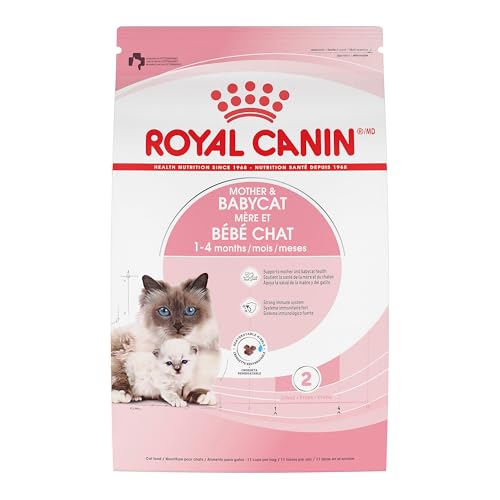
Royal Canin Mother & Babycat Dry Cat Food 6 lb

Royal Canin Maine Coon Kitten Dry Food 3 lb

Tiki Cat Baby Shreds Wet Kitten Food 12 Count

Stella & Chewy’s Magical Dinner Dust Topper 7 oz

Weruva Kitten Fur Baby Favorites Variety Pack 12 Cans

Tiki Cat Baby Pate Wet Kitten Food Variety Pack

Sheba Perfect Portions Kitten Pate Salmon 24 ct
More Details On Our Top Picks
The WholePrey approach mirrors how wild felines eat: muscle meat, organs, and bone in ratios close to nature’s own recipe. For a breed that can eventually top twenty pounds, that protein-first foundation matters more than most shoppers realize.
You get chicken paired with fish sources like salmon or tuna depending on the variant you choose, and the grain-free formula suits kittens with sensitive digestion. The 4lb bag is the practical starting size; larger bags make sense once your Coon hits its growth stride.
Strong Points
- Animal-based protein leads the ingredient list, matching a growing carnivore’s actual needs
- Grain-free formulation tends to sit easier on developing stomachs
- Multiple protein pairings let you rotate flavors across the year
- Dry format stores well and works in automatic feeders
Things To Consider
- Premium pricing per pound adds up fast once a Maine Coon reaches adult portions
- The rich recipe is too dense for very young kittens still weaning; pair it with a softer starter first
Key Specs
Made For
Owners committed to biologically appropriate feeding who want one premium dry food to carry their Coon from kittenhood onward.
A Better Fit Elsewhere
Kittens under eight weeks do better on the Royal Canin Mother & Babycat formula, whose rehydratable kibble bridges the milk-to-solid transition.
Few foods serve two animals at once, and this one does: a pregnant or nursing queen and her litter share the same bowl. The tiny kibble softens in water, which gives toothless four-week-old kittens their first taste of solids without choking risk.
Antioxidants like vitamins E and C back up the immune system at its most fragile stage, while prebiotics and highly digestible proteins keep young guts settled. In a busy multi-kitten household, one bag covering mom and babies simplifies feeding considerably.
What We Like
- Rehydratable micro-kibble eases the jump from milk to solid food
- Antioxidant blend supports immune development during weeks one through sixteen
- Prebiotics plus digestible proteins promote balanced gut bacteria
- Feeds the queen and her litter from a single bag
Minor Gripes
- Once kittens pass four months, they outgrow this stage and need a follow-on formula
- Small kibble offers little chewing resistance for older, teething kittens
Who Should Grab It
Foster homes and breeders managing a nursing queen alongside her litter through the weaning months.
Swap It Out When
Your purebred Coon has passed early weaning and needs longer-term support; the Royal Canin Maine Coon Kitten formula covers growth up to fifteen months instead.
Maine Coons keep growing until roughly fifteen months, far longer than typical kittens, and this diet is calibrated to that extended timeline. The kibble itself is shaped larger and firmer to fit the breed’s broad jaw, encouraging proper chewing rather than gulping.
Balanced vitamin D and minerals target bone and joint development, which matters enormously in a cat destined for substantial adult weight. Highly digestible proteins protect the digestive tract while intestinal flora stays balanced through rapid growth phases.
Highlights
- Kibble geometry matches the breed’s large jaw and encourages slower eating
- Vitamin D and mineral balance supports skeletal growth over a long window
- Digestible proteins suit developing digestive systems
- Formula covers the full fifteen-month growth period
Softer Spots
- The 3lb bag disappears quickly once a Coon kitten hits its appetite surge; expect frequent repurchasing
- Breed-specific formulas cost more than all-breed equivalents
At A Glance
Whose Shelf It Belongs On
Owners of registered purebred Coon kittens who want nutrition matched to the breed’s documented growth curve.
Where A Sibling Pick Shines
Mixed-breed or mystery-lineage kittens get equal benefit from the ORIJEN WholePrey Kitten Recipe, whose whole-prey protein profile suits any fast-growing carnivore.
Shredded texture sits between pate and chunky cuts, giving kittens something to practice on once teeth arrive around eight weeks. The variety pack rotates chicken and egg, chicken and salmon, tuna with liver, and duck with liver, so flavor fatigue rarely sets in.
DHA supports brain and vision development, taurine backs heart function, and prebiotics keep digestion gentle. Everything skips grains, carrageenan, and artificial additives, and the non-GMO stance will appeal to label-conscious owners.
Reasons To Buy
- Four recipes in one case prevent boredom and broaden early taste exposure
- DHA and taurine target brain, vision, and heart development
- Shreds build chewing skills that smooth pates never challenge
- No grains, fillers, or artificial ingredients anywhere in the lineup
Points To Note
- Not suitable before eight weeks; younger kittens need the smoother Tiki Cat Baby Pate below
- Opened cans need refrigeration and lose appeal quickly when cold
Quick Facts
Right Fit For
Homes with kittens past the two-month mark who want high-protein wet food with genuine ingredient transparency.
Skip It When
Your kitten is still at four to seven weeks; the Tiki Cat Baby Pate pack handles that earlier window with its soft, spoonable texture.
This is not a meal, it’s a rescue mission for the bowl. Freeze-dried wild-caught salmon and cage-free chicken are milled into a fine powder that clings to whatever your kitten already eats, and even confirmed refusers tend to change their minds.
The 98 percent meat, organ, and bone composition carries natural nutrients that processing usually strips out, and the fine grind distributes evenly so every bite tastes the same. Half a tablespoon over a quarter cup of food goes a long way, stretching the 7oz bag across many meals.
Upsides
- Converts food refusal into enthusiasm, widely reported by owners of stubborn eaters
- 98 percent meat, organ, and bone delivers nutrients in their natural form
- Suitable for all life stages, so it grows with your cat
- Small-batch USA production with extensive safety checks per package
Small Caveats
- It supplements rather than replaces complete meals, so a full diet still costs extra
- Freeze-dried powder absorbs moisture; seal the bag tightly after each use or it clumps
Who Will Love This
Anyone battling a kitten that sniffs dinner and walks away, especially rescued cats with shaky appetites.
Consider Something Else When
You need a standalone complete diet rather than a booster; the Weruva Fur Baby Favorites cans below function as full meals on their own.
Where the Tiki Cat shreds lean toward firm texture, Weruva goes the other way entirely: gravies, purées, and au jus formats built for kittens that prefer to lap before they chew. The chicken-forward recipes include pumpkin for digestion and tuna for variety.
Every can skips grain, gluten, carrageenan, and artificial flavors, and the hydration-heavy formats quietly solve the low water intake problem common in dry-fed kittens. That moisture matters for urinary health down the road, particularly in a large breed.
Plus Points
- Gravy and purée textures suit kittens still mastering chewing
- High moisture content supports hydration and long-term urinary comfort
- Pumpkin inclusion gently aids digestion
- Clean label free of grains, gluten, and carrageenan
Trade Offs
- Gravy-heavy cans can leave messier bowls than pate formats
- Chicken dominates the lineup, limiting rotation for cats needing novel proteins
Feature Snapshot
Who It Suits Best
Kittens transitioning off milk who find shredded or chunked foods intimidating, and owners prioritizing hydration.
Reach For A Different Pick When
Your kitten chews confidently and craves texture; the Tiki Cat Baby Shreds pack offers more bite resistance per forkful.
Four-week-old kittens have needle teeth and zero patience, and this smooth pate meets them exactly there. Finely minced chicken, duck, salmon, tuna, and organ meats require no chewing at all, making it one of the earliest complete wet foods on this list.
DHA and added taurine support brain and nervous system maturation, prebiotics ease immature digestion, and the grain-and-potato-free recipe leaves out carrageenan, tapioca, and fillers. The soft texture also doubles as a hydration source during weaning.
Bright Spots
- Usable from four weeks old, earlier than nearly everything else here
- Organ meats add nutrient density most adult formulas skip
- Smooth consistency helps kittens graduate from milk without frustration
- Minimal processing with no grains, potatoes, or thickeners
Room For Improvement
- Kittens outgrow the texture within weeks and may reject it once they want to chew
- Pate dries out fast in the bowl; serve small portions and refresh often
The Right Fit
Foster carers and new owners hand-raising kittens through the earliest solid-food stage.
Another Choice May Suit
Once chewing begins around week eight, step up to the Tiki Cat Baby Shreds variety pack for texture that builds jaw strength.
The snap-apart tray solves a problem nobody talks about enough: half-used cans going stale in the fridge. Each 2.6oz tray splits into two fresh servings, so nothing dries out between meals and portion control stays automatic.
The salmon pate delivers complete, balanced growth nutrition with protein and fats sized for active play, and the recipe avoids grains, corn, and soy. Compared with the Tiki Cat packs, ingredient sourcing is less boutique, but the convenience-per-dollar ratio is hard to argue with for a household feeding a growing giant twice daily.
Positives
- Individual snap trays eliminate leftovers and fridge storage entirely
- Complete and balanced for growth, no supplementation required
- Grain, corn, and soy-free recipe
- 24-count case keeps a hungry kitten stocked for weeks
Honest Caveats
- Single-flavor case limits rotation compared with the Tiki Cat variety packs
- Plastic trays create more packaging waste than recyclable cans
Who Should Grab It
Budget-minded owners of one or two kittens who value zero-fuss serving over artisanal ingredient lists.
Look Elsewhere When
Ingredient provenance tops your priority list; the ORIJEN WholePrey Kitten Recipe offers a stricter sourcing standard in dry form.
What Matters Most Before Choosing Kitten Foods For Maine Coon
Growth Timeline Comes First
A Maine Coon kitten develops for up to fifteen months, roughly double the standard kitten window. Food labeled simply “kitten” often assumes twelve months of growth, so check the stated age range before committing. Breed-specific or extended-growth formulas prevent the nutritional taper-off that generic diets impose right when your cat is still filling out.
Texture Matches The Teeth
Weaning kittens under eight weeks need pate or rehydratable kibble they can lap. From two months onward, shredded and chunked formats build jaw strength. Matching texture to dental stage avoids both choking risk and the pickiness that develops when texture never progresses.
Protein Quality Over Protein Claims
Read past the guaranteed analysis to the ingredient order. Named meats such as chicken, salmon, or duck leading the list signal better bioavailability than vague meat by-products. Organ meat inclusions add micronutrients synthetic premixes approximate imperfectly.
Hydration Deserves Deliberate Planning
Large breeds carry higher urinary loads as adults, and wet food contributes moisture dry diets cannot. Many experienced owners run a wet-plus-dry combination: kibble for convenience and dental action, canned food for water intake and palatability.
Key Considerations Across These Picks
Traps First Timers Fall Into
The classic error is buying adult maintenance food because a Coon kitten looks big for its age. Size is not maturity; bones and joints are still forming well past the first birthday. Another slip is switching foods abruptly during weaning, which commonly triggers digestive upset. Transition over seven to ten days, blending increasing amounts of the new formula into the old.
The Case For Spending Up
Premium formulas justify their cost through named protein sources, organ inclusions, and targeted nutrients like DHA and balanced calcium-to-phosphorus ratios. During the single growth window a cat gets, those details compound. Once adulthood arrives, a mid-tier maintenance diet is perfectly reasonable; the investment belongs in kittenhood.
Frequently Asked Questions
How long should a Maine Coon stay on kitten food?
Most breed guidance points to twelve to fifteen months given the breed’s extended growth. Your veterinarian can confirm readiness based on body condition and growth plates.
Can I mix dry and wet kitten foods together?
Yes, and many owners do exactly that. Combining formats adds hydration from wet food while keeping the convenience and shelf stability of kibble.
Is grain-free food necessary for Maine Coon kittens?
Not strictly, since true grain allergies are uncommon in cats. Grain-free formulas mainly help kittens with sensitive digestion, so choose based on how your individual kitten responds.
When should kittens switch from pate to textured food?
Around eight weeks, once teeth erupt and chewing instinct kicks in. Moving to shredded or chunked formats then helps develop jaw muscles naturally.
Do Maine Coon kittens really need more food than other breeds?
During growth, yes, their intake runs higher to fuel a larger frame over a longer period. Follow feeding guides on the specific product and adjust for activity level.
Closing Thoughts
Feeding a Maine Coon kitten well comes down to respecting the timeline: soft textures early, protein-dense formulas throughout, and patience with a growth curve that refuses to hurry. Any of these eight picks serves that goal from a different angle, whether breed-specific precision, whole-prey density, or budget-friendly convenience. Match the food to your kitten’s current stage, watch how the bowl empties, and adjust from there.
