

A kitten with a touchy gut turns every meal into a gamble. Loose stools, gassy litter boxes, half-eaten bowls, and a coat that never quite shines are signs the food isn’t agreeing with that small digestive system. The right formula changes all of that, usually within a couple of weeks of consistent feeding. This shortlist covers wet, dry, raw-coated, and limited-ingredient options built for young cats whose stomachs need a softer landing.
The Shortlist At A Glance

Tiki Cat Baby Wet Kitten Food Shreds 12-Count

Hill’s Science Diet Sensitive Stomach & Skin Wet Variety Pack

Instinct Limited Ingredient Rabbit Wet Cat Food 5.5 oz

Stella & Chewy’s Raw Coated Cage-Free Chicken Kitten Kibble

Hill’s Science Diet Kitten Sensitive Stomach & Skin Dry Food

Purina Pro Plan Complete Essentials Kitten Chicken & Rice

I AND LOVE AND YOU Feed Meow Tummy Tuna + Pumpkin Pouches
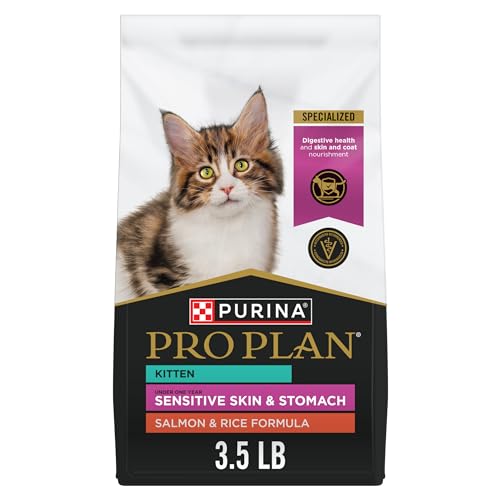
Purina Pro Plan Sensitive Skin and Stomach Kitten Salmon & Rice
More Details On Our Top Picks
Weaning-age kittens burn enormous energy while their guts are still learning their job, and this is exactly the window where Tiki Cat Baby aims. The shreds come in four recipes across the twelve cans, so you can rotate proteins without switching brands mid-transition. Everything is non-GMO, grain-free, and free of carrageenan, a thickener some sensitive cats handle poorly.
DHA supports brain and eye development, while added taurine and balanced calcium-to-phosphorus ratios back bone growth. Prebiotics feed beneficial gut bacteria, which matters most during the fussy weeks right after weaning.
Strong Points
- Four recipes in one pack keep mealtime interesting without upsetting a fragile stomach
- Prebiotics gently support digestion during the post-weaning adjustment period
- No grains, fillers, or artificial ingredients means fewer common triggers to worry about
- DHA, taurine, and mineral balance cover the growth fundamentals in one bowl
Things To Consider
- The 2.4 oz cans suit tiny appetites, but owners of multiple kittens report going through packs quickly
- Wet-only feeding requires daily dish washing and opened-can refrigeration
Key Specs
Made For
Newly weaned kittens between eight weeks and several months old who need high protein and fat in an easily digested soft format.
A Better Fit Elsewhere
Older or adult-sensitive cats do better with the Hill’s Science Diet Sensitive Stomach & Skin Wet Variety Pack, which targets mature digestive systems instead of growth.
Where the Tiki Cat Baby line is built for growth, this Hill’s variety pack targets adult cats whose stomachs complain about everything else. The minced texture in chicken, tuna, duck, and salmon recipes goes down easy, and easy-to-digest ingredients sit at the center of the formula rather than being an afterthought. Natural fiber helps produce firmer stools, which anyone scooping a litter box will appreciate immediately.
Omega-6 fatty acids and vitamin E round out the skin-and-coat side of the equation, since digestive trouble and dull fur often travel together. In our view, this is the sensible maintenance choice once your cat outgrows kitten formulas.
Bright Spots
- Multiple protein flavors prevent boredom in cats who refuse the same can twice
- Minced consistency suits cats with dental quirks or low chewing interest
- Natural fiber translates into easier litter box cleanup within days of switching
Worth Noting
- This is an adult formula, so growing kittens need a growth-stage option like the Hill’s dry kitten recipe later in this list
- Some owners note the gravy-heavy minced style leaves more residue on bowls than pate formats
Who Should Grab It
Owners of adult cats with recurring mild digestive upset who want a trusted, widely stocked everyday wet food.
Swap It Out When
Cats with suspected protein allergies should move to the Instinct Limited Ingredient Rabbit formula, which strips the recipe down to one animal protein.
Rabbit is one of those novel proteins most cats have simply never eaten, which makes it a smart starting point when chicken or fish seem to be the problem. Instinct builds this pate around a single animal protein and a single vegetable, nothing else doing heavy lifting. There’s no chicken, beef, fish, dairy, egg, grain, potato, corn, wheat, or soy anywhere in the can, and no by-product meals or artificial colors either.
The smooth, hearty texture wins over picky eaters according to plenty of owner reports, and rabbit delivers complete amino acids for lean muscle. For elimination-style feeding under a vet’s guidance, this short ingredient list makes cause-and-effect much easier to read.
Reasons To Buy
- One animal protein and one vegetable make trigger identification straightforward
- Rabbit offers amino-acid-complete nutrition most sensitive cats haven’t been exposed to
- Smooth pate format works well for cats who reject shredded or chunked textures
- Free of the eight most common feline food allergens
Small Caveats
- Novel proteins cost more per ounce than mainstream chicken formulas, and the 5.5 oz cans mean leftovers need refrigerating between meals
- Single-flavor feeding can create boredom in cats accustomed to rotating varieties
Feature Snapshot
Right Fit For
Cats with confirmed or suspected protein sensitivities whose owners want a clean-slate diet without prescription pricing.
Where A Sibling Pick Shines
Growing kittens with mild, non-allergic tummy trouble are better served by the Purina Pro Plan Complete Essentials Kitten formula, which adds probiotics without restricting proteins.
Not every sensitive-stomach kitten needs wet food, and this bag solves the storage-and-spoilage problem entirely. Stella & Chewy’s coats a grain-free, protein-rich kibble with freeze-dried raw, a process that keeps raw nutrition intact without refrigeration. The cage-free chicken recipe follows a whole-prey philosophy, meaning organ meat and bone content mirror what a cat would eat naturally.
The honest trade-off shows up at the register: raw-coated formulas run noticeably pricier per pound than standard kibble. Owners commonly report strong enthusiasm at the bowl, though, and the 2.5 lb bag stays fresh far longer than any opened can.
Upsides
- Freeze-dried raw coating delivers whole-prey nutrition in a shelf-stable format
- Grain-free, protein-dense base suits obligate carnivores with grain reactions
- No refrigeration or dish-washing routine compared with wet feeding
Points To Note
- Per-pound cost sits well above conventional kitten kibble, so multi-cat homes feel it fastest
- Raw-coated pieces can leave greasy residue in the bag and bowl, worth wiping down regularly
- Kibble-only diets provide less moisture, so fresh water access becomes even more important
Whose Shelf It Belongs On
Owners of picky kittens who want raw-style nutrition with pantry convenience and a single-bag feeding routine.
Reach For A Different Pick When
Budget-focused households get comparable digestive support for less money from the Purina Pro Plan Complete Essentials Kitten Chicken & Rice bag.
This is the growth-stage answer to the adult Hill’s wet pack reviewed earlier, and it covers three fronts at once: stomach, skin, and immune system. A prebiotic fiber blend feeds the gut bacteria responsible for smooth digestion and nutrient absorption, which matters enormously when a kitten is doubling in size every few weeks. Vitamin E alongside omega-3 and omega-6 fatty acids handles coat quality from the inside.
DHA supports brain development, and clinically studied antioxidant vitamins C and E back immune function during the vulnerable first year. Available in 3.5 lb and 6 lb bags, it scales neatly from single-kitten homes to litters.
What We Like
- Prebiotic fiber supports nutrient absorption during peak growth phases
- Omega fatty acids visibly improve coat condition over several weeks of feeding
- DHA and antioxidants address brain and immune development together
- Two bag sizes fit both solo kittens and multi-kitten households
Softer Spots
- Dry-only diets deliver little moisture, so a water fountain or wet-food topper helps sensitive kittens stay hydrated
- The salmon and brown rice base won’t suit cats with fish-specific reactions
At A Glance
Who Will Love This
Owners of growing kittens with occasional digestive upset who prefer a scoop-and-serve dry routine backed by veterinary-formulated science.
Consider Something Else When
Kittens showing true allergic symptoms, not just mild upset, belong on the Instinct Limited Ingredient Rabbit diet until triggers are identified.
Chicken and rice has been the bland-diet pairing vets reach for first, and Purina builds an entire growth formula around it. Real chicken leads the ingredient list, bite-sized crunchy kibble suits small mouths, and guaranteed live probiotics ship in every bag to seed the gut with beneficial bacteria. DHA nourishes developing brains and eyes, while vitamin A and taurine protect vision as it matures.
Compared with the Hill’s kitten dry food above, this one leans harder on live cultures rather than prebiotic fiber alone, and it typically costs less per pound in larger bags. No artificial colors or flavors appear anywhere in the recipe.
Plus Points
- Guaranteed live probiotics actively support digestive and immune health
- Chicken-first recipe with rice keeps the formula familiar and gentle
- Bite-sized kibble suits kittens still mastering chewing
- Three bag sizes up to 16 lb make bulk buying practical for multi-cat homes
Minor Gripes
- Chicken-based formulas won’t work for cats already flagged for poultry sensitivity
- Large bags need an airtight container to keep the coated kibble fresh past opening
Quick Facts
Best Suited To
Value-minded owners raising healthy kittens with mild, occasional stomach sensitivity who still want premium-tier ingredients.
Not Your Match When
Kittens with both skin irritation and digestive complaints get more targeted support from the Purina Pro Plan Sensitive Skin and Stomach Salmon & Rice formula at number eight.
Pumpkin is the old home-remedy trick for loose stools, and this pouch puts it directly into a complete meal. Wild-caught tuna shreds arrive in a rich gravy alongside fiber-loaded pumpkin, with prebiotics layered in for extra digestive backup. The grain-free recipe comes in single-serve 3 oz pouches, which means no half-empty cans drying out in the fridge overnight.
Salmon + tuna and sardine + tuna variants exist for rotation, though the pumpkin version is the one aimed squarely at irregular digestion. One thing worth considering: the gravy format is messier than pate, so expect a bit more bowl cleanup.
Standout Traits
- Real pumpkin adds soluble fiber that firms up loose stools naturally
- Single-serve pouches eliminate leftover-storage hassles entirely
- Shredded wild-caught tuna delivers strong palatability for reluctant eaters
- Added prebiotics reinforce the fiber benefit
Honest Caveats
- Gravy-heavy pouches leave more residue on dishes and whiskers than pate formats
- Tuna-forward recipes aren’t ideal for cats with fish sensitivities or those needing low-mercury rotation
The Right Fit
Owners dealing with soft stools who want a food-based fix rather than supplements, especially in single-cat homes where pouch portions match appetite.
Another Choice May Suit
Cats needing a strict single-protein trial should skip the fish blends here and use the Instinct Limited Ingredient Rabbit cans instead.
Think of this as the sibling to pick six with a different engine underneath. Where the Complete Essentials bag runs on chicken, this formula pairs real salmon with rice and oatmeal, two grains chosen specifically because they digest easily and sit lightly on irritated systems. Natural prebiotic fiber nourishes the intestinal bacteria tied to digestive balance, and omega-3s from the salmon pull double duty for skin comfort.
DHA and calcium-phosphorus cover the growth checklist, while taurine and vitamin A maintain skin and coat. For kittens scratching as much as they’re gulping, this combination addresses both complaints in one bowl.
Highlights
- Rice and oatmeal base is deliberately gentle on reactive digestive tracts
- Salmon-first recipe brings omega-3s for skin relief alongside protein
- Prebiotic fiber sustains the gut bacteria linked to firm stools
- DHA, calcium, and phosphorus keep growth milestones on track
Areas To Watch
- Fish-based formulas carry a stronger odor some households notice around the bowl
- Not suitable for kittens already identified as fish-sensitive
Details At A Glance
Who It Suits Best
Kittens showing the classic double complaint, occasional diarrhea plus itchy or flaky skin, whose owners want one kibble addressing both.
Look Elsewhere When
Households avoiding fish entirely should choose the chicken-based Purina Pro Plan Complete Essentials Kitten formula at number six.
What Matters Most Before Choosing Kitten Foods For Sensitive Stomach
Read The First Five Ingredients
The opening of an ingredient list tells you most of what you need. A named animal protein leading the list signals a meat-forward formula suited to obligate carnivores. Vague entries or filler grains crowding the top often correlate with the digestive upset you’re trying to fix.
Match The Format To Your Routine
Wet food hydrates and tempts picky eaters but demands daily dish duty and refrigeration after opening. Dry food stores for weeks and simplifies portioning, yet provides minimal moisture. Many owners of sensitive kittens land on a mixed routine, using dry as the base and wet as a topper.
Change Foods Slowly
A sudden switch can cause the exact upset you’re trying to solve. Blend increasing amounts of the new food into the old over seven to ten days, watching stool quality throughout. Kittens with persistent vomiting, blood in stool, or weight loss need a veterinarian before any dietary experiment.
Know Your Suspect
Mild, occasional looseness points toward a gentle formula with prebiotics or probiotics. Reactions tied to specific proteins call for a limited-ingredient diet with a novel protein. Skin symptoms alongside digestive ones suggest an omega-rich sensitive skin and stomach formula.
Key Considerations Across These Picks
Traps First Timers Fall Into
Switching foods too fast tops the list, followed by judging results after only two days. Give any new formula a full week or two before drawing conclusions. Another common slip is treating grain-free as automatically gentler; rice and oatmeal digest easily, so the grain itself is rarely the villain.
What Separates Premium From Basic
Higher-priced formulas typically spend more on named animal proteins, guaranteed live probiotics, and functional add-ins like DHA and prebiotic fiber. Budget options still deliver complete nutrition, but the upgrade pays off when symptoms persist on basic food or when a picky kitten refuses cheaper textures outright.
Frequently Asked Questions
How long does a sensitive stomach take to settle on new food?
Most kittens show firmer stools within seven to fourteen days of a gradual transition. Persistent symptoms past two weeks warrant a vet visit.
Can adult sensitive-stomach food be fed to kittens?
No, kitten-specific formulas carry higher protein, fat, DHA, and mineral levels that growth demands. Adult formulas lack these growth-stage nutrients.
Is grain-free always better for sensitive kittens?
Not necessarily. Easily digested grains like rice and oatmeal appear in several respected sensitive-stomach formulas. Protein sources matter more than grain presence.
Should I mix wet and dry food?
A mixed routine adds hydration and palatability while keeping dry food convenient. Introduce both gradually and watch how the combination affects stools.
When does a sensitive stomach signal something serious?
Blood in stool, repeated vomiting, lethargy, or stalled weight gain are red flags. Stop experimenting and consult a veterinarian promptly.
Closing Remarks
Sensitive stomachs in kittens are common, manageable, and usually solved with patience plus the right formula. Start with a gradual transition, give each food a fair two-week window, and let stool quality and energy levels guide your judgment. Any of these eight picks gives a tender tummy a fair chance to settle, and your future self scooping the litter box will thank you for choosing carefully.
