
Birds exhibit fascinating sleeping patterns that often lead them to sleep early. Several factors contribute to this behavior:
Biological rhythms dictate their sleep cycles and influence their activity levels.
Environmental conditions, such as daylight hours and seasonal changes, affect when they feel the need to rest.
Predation risks play a crucial role, as sleeping early helps them avoid danger.
Understanding these aspects can deepen your appreciation for bird sleeping patterns.
Key Takeaways
Birds sleep early due to their biological rhythms, which are influenced by light and temperature.
Environmental factors, like daylight hours and seasonal changes, significantly affect when birds feel the need to rest.
Predation risks lead birds to adapt their sleeping habits, often resulting in shorter sleep cycles to stay alert.
Some birds can sleep while flying, using unihemispheric sleep to remain aware of their surroundings.
Understanding bird sleeping patterns can enhance your appreciation for their survival strategies and conservation needs.
Bird Biological Rhythms
Circadian Rhythms
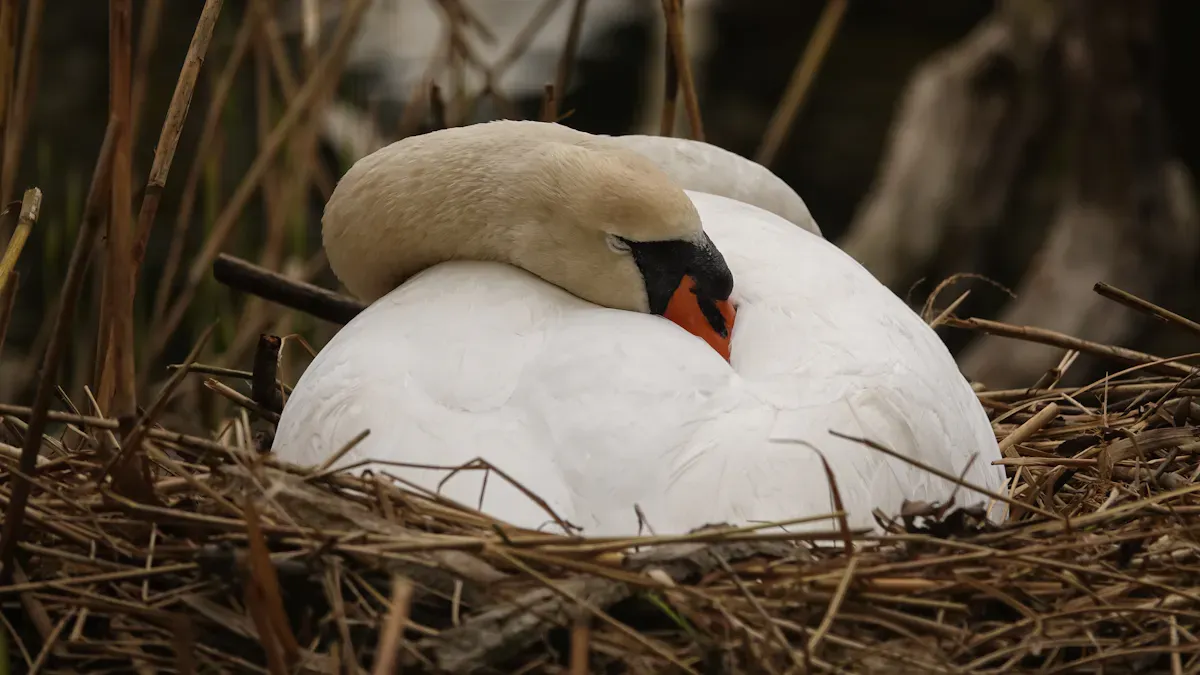
Birds have a natural internal clock known as circadian rhythms. These rhythms help regulate their daily activities, including when they sleep. Circadian rhythms are closely linked to environmental cycles, especially the light-dark cycle. This means that as daylight fades, birds start to prepare for sleep.
Key Points about Circadian Rhythms in Birds:
They are maintained by biological clocks that can function even in constant light or dark conditions.
The pineal gland and the suprachiasmatic nucleus (SCN) play crucial roles in regulating these rhythms.
These structures help birds respond to changes in light, which signals when to be active or rest.
Understanding these rhythms helps you appreciate why birds tend to sleep early. As night approaches, their bodies signal that it is time to wind down.
Sleep Cycles
Birds experience sleep cycles similar to mammals, including both REM (rapid eye movement) and NREM (non-rapid eye movement) sleep. However, their sleep patterns can differ significantly based on species and environmental factors.
Typical Sleep Cycle Characteristics:
Most birds sleep for about 8 to 12 hours, depending on the species and the season.
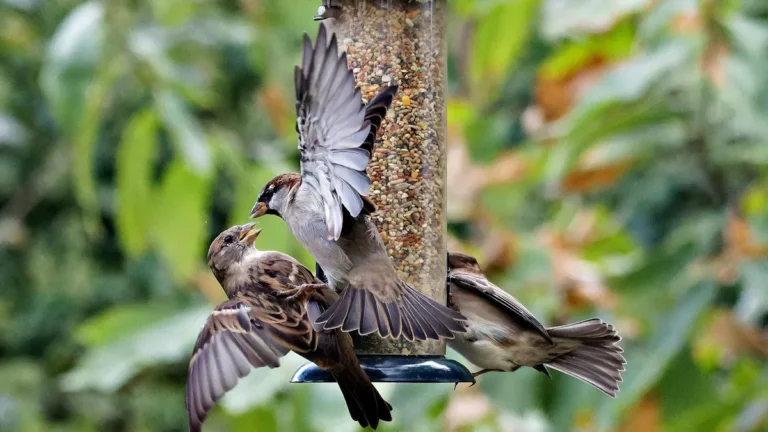
Diurnal birds, like sparrows, sleep at night, while nocturnal birds, such as owls, rest during the day.
Birds in predator-rich environments often have shorter and less deep sleep cycles to remain vigilant against threats.
Interestingly, some birds can engage in unihemispheric sleep. This means one half of their brain sleeps while the other half stays alert. This adaptation allows them to watch for predators while resting.
Environmental Influences on Sleep
Daylight and Seasons
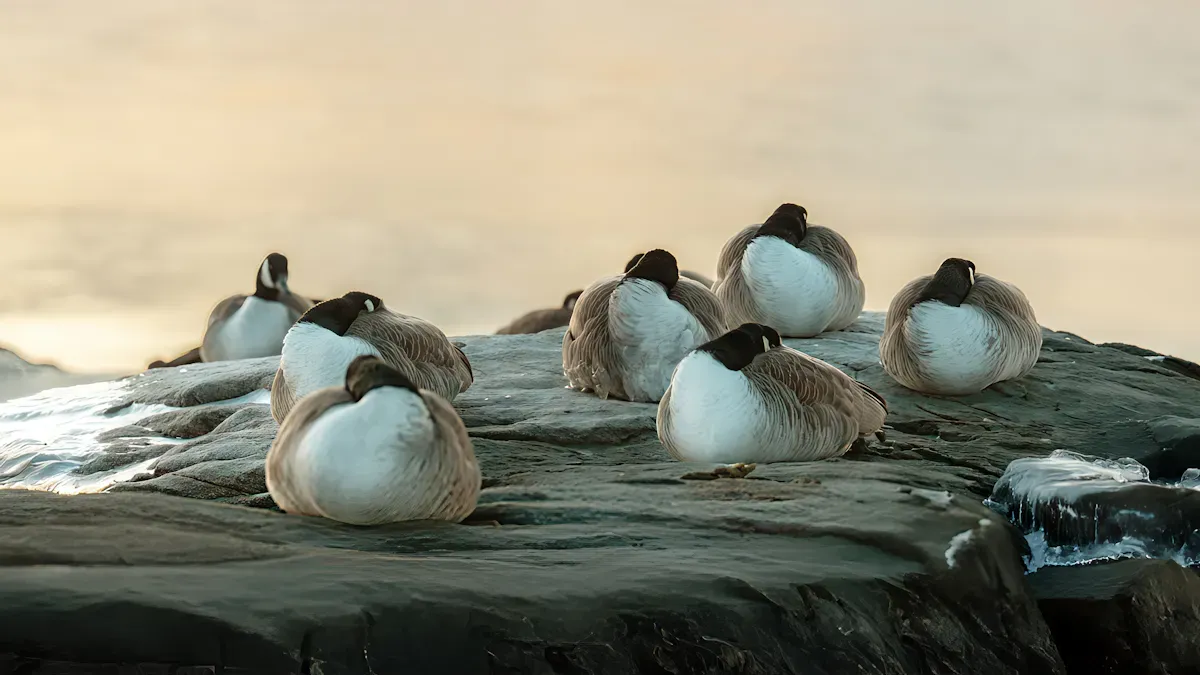
Daylight plays a crucial role in determining when birds sleep. As the sun sets, birds begin to feel the urge to rest. This behavior aligns with their circadian rhythms, which respond to changes in light. During different seasons, birds adjust their sleep patterns accordingly.
In winter, nights are longer, leading many birds to sleep more. For example, research shows that the European starling sleeps up to five hours longer in winter than in summer. This extra sleep helps them conserve energy during colder months when food is scarce.
Seasonal changes also affect migration. Birds often alter their sleep patterns as they prepare for long journeys. They may sleep less before migration to maximize their time for feeding and resting.
Understanding these seasonal adaptations helps you appreciate how birds manage their energy and survival.
Temperature Effects
Temperature significantly impacts bird sleeping behavior. Birds often adapt their sleep patterns based on ambient temperature to conserve energy. Here are some key points to consider:
At lower temperatures, birds may enter states of hypothermia or torpor. This allows them to reduce energy expenditure during sleep. Migratory birds, for instance, often use shallow torpor to save energy while resting.
Research indicates that while temperature affects metabolic rates, it does not significantly impact the frequency or depth of torpor use. This means that birds can still maintain their sleep cycles even in varying temperatures.
Additionally, habitat types influence how temperature affects sleep. Birds living in urban areas may experience different sleep behaviors compared to those in forests. The presence of artificial light in cities can disrupt their natural sleep patterns. Urban birds often wake earlier and sleep less due to the confusion caused by artificial light, which mimics dawn.
Habitat Type | Sensitivity to ALAN | Activity Patterns Under White Light |
|---|---|---|
Forest Birds | More Sensitive | Higher nocturnal activity |
Urban Birds | Less Sensitive | Similar nocturnal activity |
These differences highlight how environmental factors shape bird sleeping patterns. By understanding these influences, you can gain insight into the challenges birds face in their habitats.
Predation and Safety During Sleep
Avoiding Predators
Predation risk significantly influences when and how birds sleep. Birds living in high-risk environments often adapt their sleeping habits to enhance safety. Here are some key behaviors:
Birds exposed to predation cues maintain higher body temperatures at night. This adaptation helps them stay alert and escape quickly if needed.
Species in predator-rich areas tend to sleep less. They prioritize vigilance over extended rest, which directly links predation risk to sleep behavior.
Some birds, like Great Tits, actively choose safe roosting sites. They avoid areas with signs of predators, such as fur or feathers.
Sleeping Postures
Birds exhibit various sleeping postures that enhance their safety. For instance, many practice unihemispheric sleep. This means one half of their brain remains alert while the other rests. This adaptation allows them to monitor their surroundings even while sleeping.
Additionally, birds often gather in groups or find secure perches to sleep. This behavior provides warmth and safety from threats. Some birds, like Mallards, increase unihemispheric sleep when positioned on the edges of a group. This strategy allows them to remain vigilant while resting.
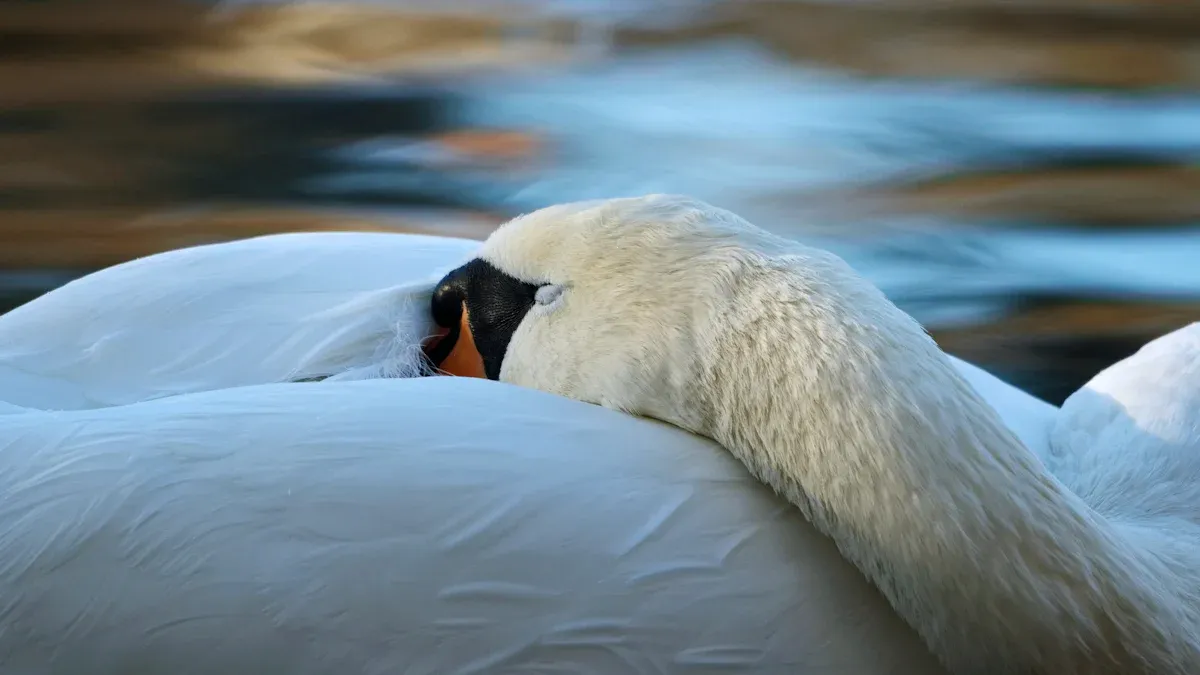
Birds also tuck their heads into their feathers or sleep on one leg. These postures help them stay secured to their perch and offer added protection.
Understanding these adaptations reveals how crucial safety is in bird sleeping patterns. By recognizing these behaviors, you can appreciate the lengths birds go to ensure their survival during rest.
Variations in Bird Sleeping Patterns
Nocturnal vs. Diurnal
Birds can be classified as either nocturnal or diurnal based on their sleeping habits. Nocturnal birds, like owls, are active at night and sleep during the day. They have adaptations that help them navigate in low light. Their large eyes enhance their night vision, allowing them to hunt effectively after sunset.
In contrast, diurnal birds, such as sparrows and robins, are active during the day. They typically sleep at night when it is dark. These birds rely on daylight for foraging and social interactions. Their sleep patterns align with the sun’s cycle, ensuring they rest when it is dark.
Species Adaptations
Different bird species exhibit unique adaptations that allow them to thrive in their environments. For example, the common swift utilizes unihemispheric sleep, enabling it to rest while flying. This adaptation is crucial during long migratory journeys, helping the bird avoid predators and conserve energy.
Chinstrap penguins engage in over 10,000 microsleeps daily, accumulating more than 11 hours of sleep through brief episodes. This behavior allows them to remain vigilant over their nests while still getting the rest they need.
Migratory birds also adjust their sleep patterns during long flights. They use unihemispheric slow-wave sleep (USWS), which allows them to rest while staying partially alert. Frigatebirds primarily engage in this type of sleep while in flight, showcasing this adaptation in action.
Different ecological contexts influence sleep requirements among bird families. For instance, male pectoral sandpipers significantly reduce their sleep during mating season. They may sacrifice up to 95% of their usual sleep time to remain active and find mates. Such adaptations highlight how sleep needs can vary based on environmental pressures and behaviors.
Understanding these variations in bird sleeping patterns enriches your knowledge of avian life. You can appreciate how different species adapt to their surroundings and the challenges they face.
Birds sleep early for several reasons. Their biological rhythms, influenced by light and temperature, dictate when they rest. Environmental factors, such as urban noise and light pollution, can disrupt their sleep quality. This disruption can lead to reduced vocalization, affecting communication and mating success.
Understanding bird sleeping patterns is crucial for conservation efforts. For instance, studies show that birds can sleep while flying, using unihemispheric sleep to stay aware of their surroundings. This adaptation highlights the importance of sleep for survival and reproduction. By recognizing these patterns, you can appreciate the challenges birds face in their habitats.
FAQ
What time do most birds typically sleep?
Most birds sleep shortly after sunset. Their internal clocks, influenced by daylight, signal them to rest as night approaches.
Do all birds sleep at night?
No, not all birds sleep at night. Nocturnal birds, like owls, are active during the night and sleep during the day.
How do birds stay safe while sleeping?
Birds use various strategies to stay safe while sleeping. They choose secure roosting sites, sleep in groups, and often practice unihemispheric sleep to remain alert.
Can birds sleep while flying?
Yes, some birds can sleep while flying. They use unihemispheric slow-wave sleep, allowing one half of their brain to rest while the other stays alert.
How does temperature affect bird sleep?
Temperature influences bird sleep patterns. In colder conditions, birds may enter torpor to conserve energy, adjusting their sleep duration based on environmental temperatures.