

Weaning is a messy, wonderful window. Between four and eight weeks, kittens move from mother’s milk to solid food, and their tiny digestive systems are still figuring things out. The right food makes that transition smoother: soft textures, digestible proteins, and nutrients like DHA that support brain development. This list covers complete kitten formulas, hydrating purees, a raw topper for fussy eaters, and a calorie-dense recovery mousse, so you can match the product to your litter’s stage.
The Shortlist At A Glance
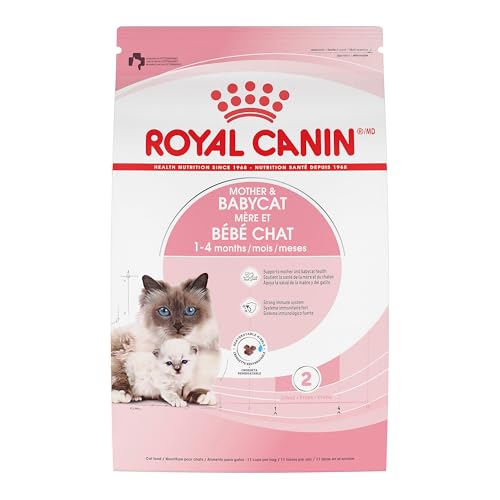
Royal Canin Mother & Babycat Dry Cat Food 6 lb Bag

Delectables Squeeze Up Kitten Variety Pack

Tiki Cat Baby Shreds Wet Kitten Food 12 Count

Stella & Chewy’s Magical Dinner Dust Topper 7 oz

Weruva Kitten Fur Baby Favorites Variety Pack

Tiki Cat Baby Pate Variety Pack 12 Count

Tiki Cat Baby Mousse Chicken & Liver 2.4 oz

Tiki Cat Baby Thrive Mousse Pouch 20 Servings
More Details On Our Top Picks
Few products cover two animals at once, but this one does. Royal Canin built it for pregnant and nursing queens and their kittens from one to four months, so one bag feeds the whole household during the busiest stretch of a litter’s life.
The kibble itself is unusually small and soft enough to rehydrate with warm water, which matters when baby teeth are barely through the gums. Owners commonly report mixing it into a gruel as a first solid, then offering it dry as teeth strengthen.
Strong Points
- Antioxidant blend with vitamins E and C supports an immune system still under construction.
- Prebiotics plus highly digestible proteins help keep young stomachs settled during the milk-to-kibble switch.
- Rehydratable kibble doubles as a stepping stone between nursing and full solids.
- A 6 lb bag lasts a small litter several weeks, cutting down reorders mid-weaning.
Things To Consider
- Dry food alone won’t cover hydration needs; most owners pair it with a wet formula or fresh water stations.
- Once kittens pass four months, you’ll need to transition to a standard kitten recipe.
Key Specs
Made For
Homes fostering or breeding litters who want a single bag covering queen and kittens through month four.
Where A Sibling Pick Shines
Kittens younger than four weeks do better starting on Tiki Cat Baby Mousse, whose spoonable texture suits mouths too small for any kibble.
This isn’t a meal replacement, and it doesn’t pretend to be. It’s a thick tuna-and-salmon puree in a squeeze tube, built for the moment a shy kitten needs to associate your hand with good things. Anyone socializing a rescue litter will recognize how useful that is.
Each 0.5 oz tube carries roughly 90% moisture, a sharp contrast to crunchy treats at around 10%, so it quietly adds water to a kitten’s day. Vitamins A and D plus calcium and phosphorus round out the growth support.
Upsides
- Hand-feeding format turns nervous kittens into lap cats faster than bowl feeding usually manages.
- High moisture content helps offset the dehydration risk that comes with dry-heavy diets.
- Grain-free recipe with no added fillers, by-products, or preservatives keeps the label short.
- Twenty tubes per pack means a multi-week supply for one kitten or a short run for a litter.
Small Caveats
- At half an ounce per tube, cost per calorie runs high; treat status only, not a staple.
- Opened tubes don’t keep well, so plan servings around what a kitten finishes in one sitting.
Who Should Grab It
Foster carers and first-time owners working on trust, handling tolerance, and early socialization with kittens under a year.
Swap It Out When
For actual daily nutrition, Weruva’s Fur Baby Favorites cans deliver complete meals at a far better cost-per-calorie ratio.
Once a kitten clears eight weeks and shows real chewing interest, shredded texture becomes the logical next step after pate. This variety pack handles that stage with four recipes: chicken and salmon, chicken with tuna and liver, chicken and duck with liver, and chicken with egg.
The formulation leans carnivore-first. High protein and fat match a growing kitten’s energy burn, DHA supports brain and vision development, and taurine (an amino acid cats can’t synthesize well themselves) is added alongside balanced calcium and phosphorus for bone growth.
Bright Spots
- Four flavors in one box let you map preferences before committing to a case of a single recipe.
- Prebiotics gently support digestion while the gut matures.
- No grains, fruit, vegetables, carrageenan, fillers, or artificial ingredients; everything is non-GMO.
- Shreds encourage natural chewing behavior that smooth purees skip entirely.
Points To Note
- Shredded pieces can be intimidating for kittens still under eight weeks; start them on the pate instead.
- Open cans need refrigeration and taste best within a day or two.
Quick Facts
Right Fit For
Owners of two-to-four-month-old kittens ready to graduate from purees toward real texture.
Another Choice May Suit
Younger or hesitant eaters should stay on the Tiki Cat Baby Pate pack until chewing confidence catches up.
Every foster home eventually meets the kitten who sniffs the bowl and walks away. This fine powder exists for exactly that standoff. It’s freeze-dried raw, meaning moisture is removed at low temperature to preserve nutrients, made from 98% wild-caught salmon, cage-free chicken, organs, and bone.
The serving math is generous: half a tablespoon over a quarter cup of food transforms it, and a 7 oz bag stretches across many meals. Because it suits all life stages, it keeps earning its shelf space long after weaning ends.
Reasons To Buy
- Palatability boost that owners widely credit with reviving refused meals, including for kittens.
- Fine powder distributes evenly, so every bite carries flavor rather than just the top layer.
- Grain-free and protein-rich, adding digestion, skin, and coat support on top of taste.
- Small-batch USA production with safety and freshness checks on each package.
Softer Spots
- It’s a supplement, not complete nutrition; kittens still need a balanced base diet underneath.
- Freeze-dried powder should stay sealed and dry, or it clumps and loses aroma.
- Cost per ounce sits well above conventional food, which adds up for large litters.
Whose Shelf It Belongs On
Anyone battling a stubborn appetite, whether the holdout is a weaning kitten or an opinionated adult cat.
Reach For A Different Pick When
Underweight kittens needing calories rather than persuasion belong on Tiki Cat Baby Thrive, which packs fat and energy into every serving.
Weruva built its reputation on short, readable labels, and this kitten line follows suit: no grains, no gluten, no carrageenan, nothing artificial. The 12-can pack rotates through chicken-forward formats including gravy recipes, a hydrating puree, and pumpkin-blended options for digestive variety.
That range of textures within one brand is the real draw here. A kitten can move from puree to gravy to chunkier preparations without a jarring switch, and the pumpkin formulas give sensitive stomachs something gentler on off days.
Plus Points
- Multiple textures in one case support gradual progression through the weaning stages.
- Chicken and pumpkin pairing offers a mild option for kittens with touchy digestion.
- Gravy and au jus styles add moisture for kittens who drink little water on their own.
- Formulated specifically for growing kittens rather than adapted from adult recipes.
Minor Gripes
- Chicken dominates the lineup, so kittens who turn up their nose at poultry have limited alternatives here.
- Three-ounce cans suit single kittens well but go quickly with a whole litter.
Details At A Glance
Who Will Love This
Owners who read ingredient panels closely and want a single trusted brand spanning several weaning phases.
Not Your Match When
Kittens craving fish-based variety fit the Tiki Cat Baby Shreds pack better, with its salmon, tuna, and duck rotations.
Four weeks old is when curiosity about the food bowl usually starts, and this pate meets kittens right at that threshold. Finely minced chicken, duck, salmon, tuna, and organ meats come in a smooth consistency that asks almost nothing of undeveloped teeth.
Compared with the mousse entry later in this list, the pate sits one texture step firmer, making it a sensible second stage. Each can also delivers meaningful hydration, which young kittens often won’t seek out from a water dish on their own.
What We Like
- Texture eases the jump from milk to solids without frustrating tiny mouths.
- DHA and taurine back brain and nervous system development during the fastest growth phase.
- Prebiotics support digestion while the gut adjusts to new foods.
- Free of grains, potatoes, tapioca, carrageenan, and fillers; minimally processed overall.
Trade Offs
- Some kittens find plain pate boring once they’ve tasted shredded or gravy formats.
- Leftover portions require refrigeration and should be used promptly.
Core Details
Best Suited To
Four-to-eight-week-old kittens taking their very first bites, especially those raised on wet diets from the start.
Consider Something Else When
Kittens past eight weeks with established chewing get more value from the Tiki Cat Baby Shreds variety pack.
This is the gentlest entry point on the entire list. The mousse whips chicken broth, chicken, and liver into a texture close enough to milk that four-week-old kittens typically accept it on first contact, no coaxing required.
Chicken liver deserves a mention beyond flavor. It contributes essential vitamins and minerals that a strictly muscle-meat diet would miss, and it’s a normal component of a feline’s natural prey diet. DHA and supplemental taurine handle brain and heart development duties.
Standout Traits
- Smoothest possible introduction to solids, ideal for the first week off milk.
- Real chicken broth, chicken, and liver lead the ingredient list.
- High protein matches the steep energy demands of rapid growth.
- Free of potatoes and GMO ingredients.
Worth Noting
- Single-flavor format means picky kittens may tire of it; rotating with another recipe helps.
- As kittens mature, the soft texture stops challenging them, so plan a follow-up food.
The Right Fit
Very young weaners around four weeks, orphaned kittens being bottle-transitioned, and cautious first-time eaters.
Look Elsewhere When
Kittens needing concentrated calories for weight gain do better with Tiki Cat Baby Thrive, whose higher fat content targets that problem directly.
Rescue workers know the worry of a kitten losing weight during weaning. This functional mousse answers it with numbers: 28% fat and roughly 25 calories per sachet, drawn from real chicken, chicken liver, and easily digested egg. That density promotes healthy weight gain without forcing volume onto a small stomach.
The pouch format earns its place too. Twenty individual servings mean no refrigeration juggling, no guessing portion sizes, and clean dosing for syringe-fed or hand-fed kittens. In our view, that convenience alone justifies keeping a pouch on hand for any foster situation.
Highlights
- Calorie and fat levels purpose-built for underweight or slow-growing kittens.
- Individual sachets eliminate storage guesswork and waste.
- Egg adds a highly bioavailable protein source alongside chicken and liver.
- Soft mousse texture stays appealing even to lethargic or reluctant eaters.
Honest Caveats
- It’s formulated as a supplemental booster, so healthy kittens thriving on regular food don’t need the extra fat daily.
- Per-serving cost exceeds standard canned kitten food; reserve it for cases that call for it.
Feature Snapshot
Who It Suits Best
Foster carers, rescuers, and anyone nursing an underweight kitten back to steady growth under veterinary guidance.
Skip It When
Healthy kittens eating well are better served by the everyday Tiki Cat Baby Pate pack, which offers complete meals without surplus calories.
What Matters Most Before Choosing Kitten Foods For Weaning
Match Texture To Age
A four-week-old kitten has needle teeth and a tongue built for licking, not chewing. Mousse and pate suit that stage; shreds and small kibble belong to weeks eight and beyond. Pushing texture too early frustrates kittens and can stall the transition entirely.
Read The Nutrient Panel, Not The Marketing
DHA supports brain and eye development, taurine is non-negotiable for feline heart health, and balanced calcium-to-phosphorus ratios protect growing bones. Complete-and-balanced labeling matters more than flavor names on the front.
Hydration Counts More Than You Think
Young kittens rarely drink enough on their own. Wet foods carrying high moisture content quietly solve that problem, which is why purees and gravies earn their spot in a weaning rotation alongside any dry option.
Plan For Waste And Rotation
Open cans last a day or two refrigerated, kittens abandon flavors without warning, and litter-sized appetites drain small packs fast. Buying variety packs before committing to bulk cases saves money and spoiled food alike.
Key Considerations Across These Picks
Traps First Timers Fall Into
The classic error is buying adult cat food and calling it close enough. Kittens burn calories at nearly double the adult rate and need targeted nutrients. The second trap is switching foods overnight; blend new food into the old over several days to avoid stomach upset.
What Separates Premium From Basic
Higher-tier formulas spend on named proteins, organ meats, DHA, and prebiotics instead of fillers and vague meal by-products. That investment pays off most during weaning, when digestion is fragile and every calorie needs to count. For healthy older kittens, the gap narrows considerably.
Frequently Asked Questions
When should kittens start eating solid food?
Most begin showing interest around four weeks of age. Start with a soft mousse or pate mixed with warm water or kitten formula into a thin gruel.
Can I feed kitten treats like squeeze tubes as meals?
No, they’re designed as supplements and bonding tools. Use them alongside a complete-and-balanced kitten food.
How long does the weaning process usually take?
Full transition from milk to solid food typically spans four to eight weeks of age. Every kitten moves at a slightly different pace.
Do kittens need both wet and dry food?
Not strictly, though many owners combine them for hydration plus dental texture variety. Consistent access to fresh water matters either way.
What if my kitten refuses all solid food?
Try a softer texture, warm the food slightly to boost aroma, or add a palatable topper. Persistent refusal warrants a vet visit.
Closing Thoughts
Weaning rewards patience more than any single product choice. Start soft, watch how your kitten responds, and step up texture as confidence grows. Keep a topper or calorie-dense mousse in reserve for the inevitable fussy week. Your kitten will tell you what works; your job is listening closely and adjusting.
