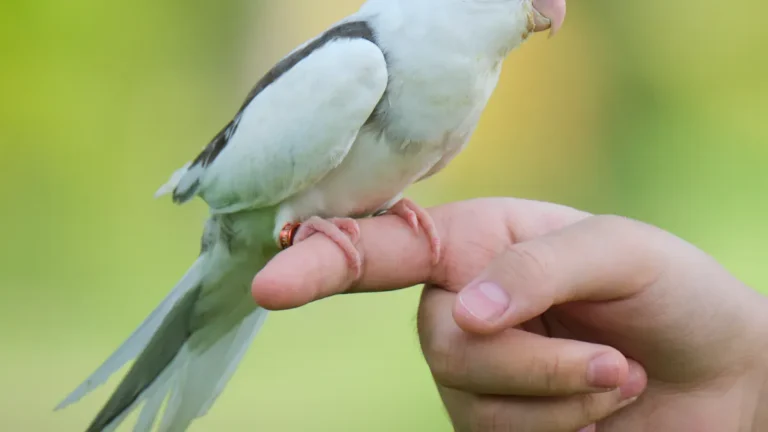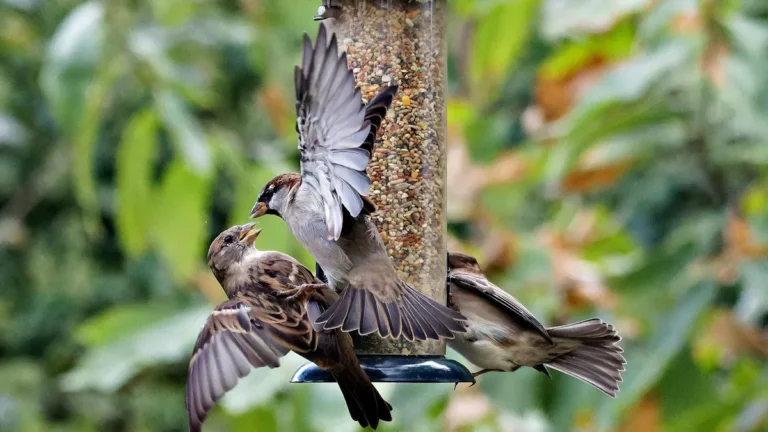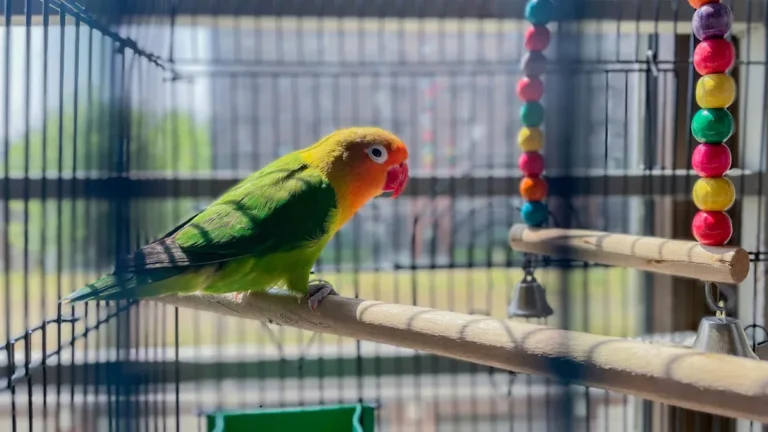

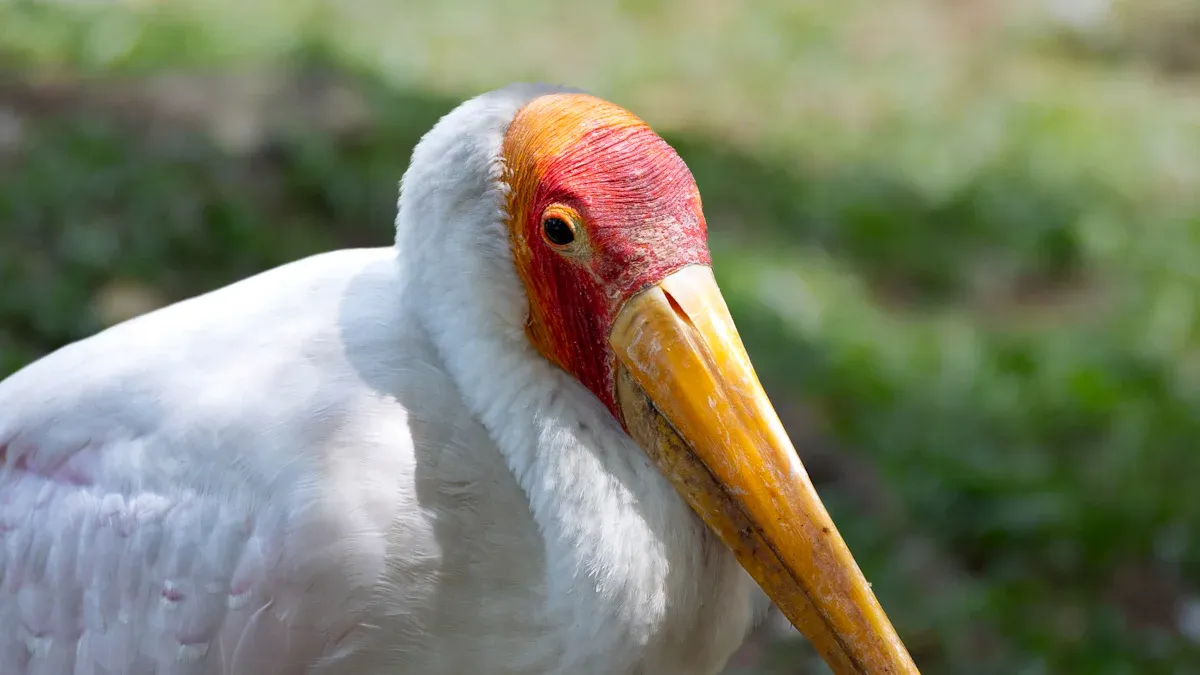
Monitoring your bird’s beak health is crucial. Changes in the beak can signal underlying health issues. You should conduct daily health checks for signs like cracks or discoloration. Early detection allows you to consult an avian veterinarian about uneven growth, which may indicate serious problems. Additionally, providing chewing toys and using various textures of perches can help maintain bird beak health. By staying proactive, you can ensure your feathered friend remains healthy and happy.
Key Takeaways
Regularly check your bird’s beak for signs of health issues like cracks or discoloration. Early detection can lead to better health outcomes.
Provide a balanced diet rich in vitamins and minerals to prevent nutritional deficiencies that can cause beak problems.
Create an enriching environment with toys and activities to promote natural beak wear and reduce stress.
Schedule routine veterinary check-ups to monitor your bird’s beak health and catch any issues early.
Be aware of behavioral changes in your bird, as they can indicate discomfort or health problems related to the beak.
Beak Problems
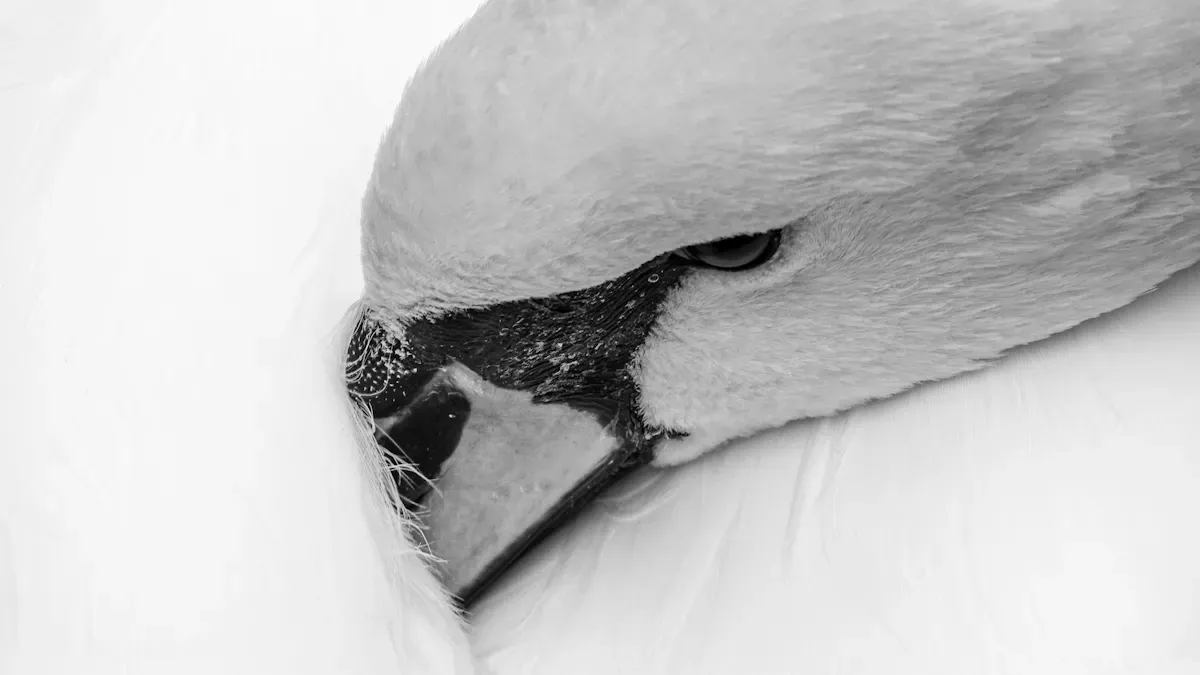
Birds can experience various beak problems that affect their health and well-being. Understanding these issues helps you take better care of your feathered friend.
Overgrowth
Overgrowth occurs when a bird’s beak grows excessively. This condition can lead to difficulties in eating and grooming. If you notice that your bird’s beak appears longer than usual, it may struggle to pick up food. Common causes of overgrowth include nutritional deficiencies, particularly in vitamin A and calcium. Additionally, lack of appropriate wear surfaces can prevent natural beak abrasion.
Type of Beak Problem | Description |
|---|---|
Overgrowth | Excessive growth of the beak, leading to potential issues with feeding and health. |
Fractures | Breaks in the beak that can cause pain and difficulty in eating. |
Necrosis | Death of tissue in the beak, which can lead to severe health complications. |
Progressive Deformities | Changes in beak shape, such as elongation or softening, particularly noted in parrots. |
Discoloration
Discoloration of the beak can indicate underlying health issues. For example, Psittacine Beak and Feather Disease (PBFD) often leads to dull, brittle, and malformed beaks. This viral condition primarily affects parrots and can result in feather abnormalities alongside beak issues. If you observe any changes in color, consult a veterinarian promptly.
Deformed Beaks
Deformed beaks can arise from genetic abnormalities or environmental factors. Congenital beak deformities appear shortly after hatching, while acquired deformities may develop due to poor diet or trauma. You might notice that your bird has difficulty eating or grooming if it has a deformed beak. This can lead to malnutrition and other health problems.
Congenital deformities are linked to genetic issues.
Acquired deformities often result from improper care or nutrition.
Recognizing these common beak problems in birds is essential for maintaining their overall health. Early intervention can prevent more severe complications down the line.
Symptoms of Beak Issues
Eating Difficulties
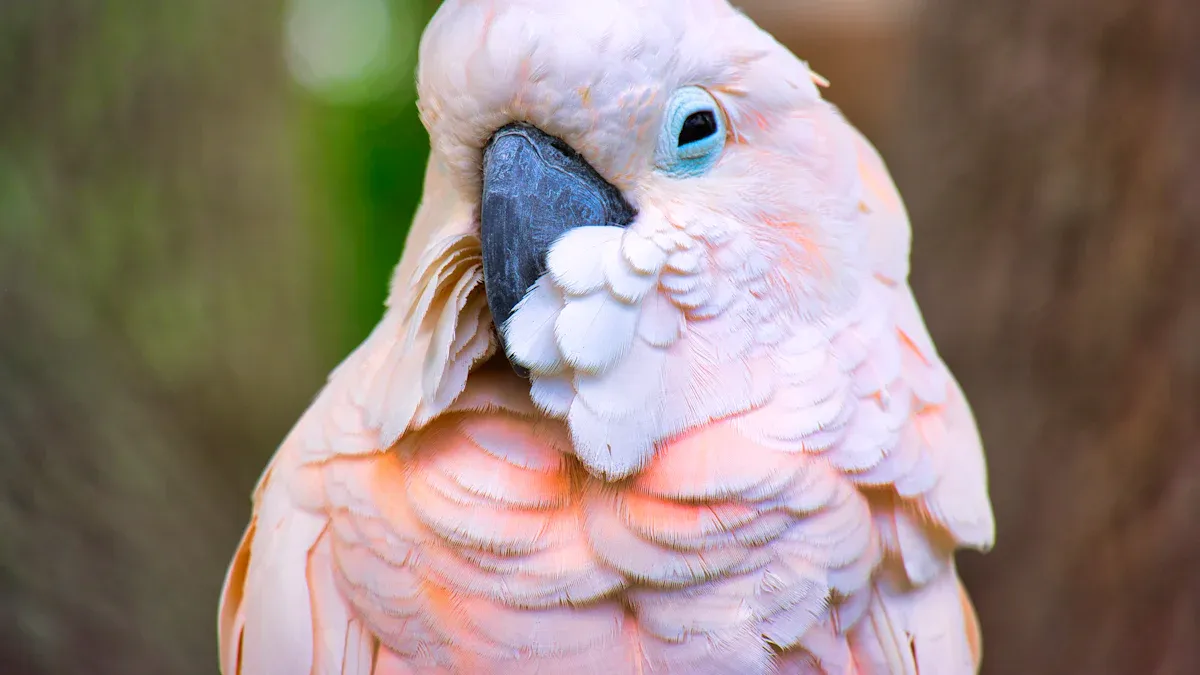
You may notice your bird struggling to eat if it has beak health problems. Eating difficulties can manifest in several ways:
Dropping food: Birds with beak abnormalities often drop food while trying to eat.
Longer feeding times: Affected birds may take longer to eat, as they struggle with tasks like cracking seeds.
Challenges drinking: Drinking water can become difficult, affecting their ability to stay hydrated.
These issues can lead to malnutrition, which impacts your bird’s overall health. The health of a bird’s beak is interconnected with its physiological condition. If your bird has trouble feeding, it may not get the nutrients it needs, leading to serious health implications.
Behavioral Changes
Beak problems can also cause noticeable changes in your bird’s behavior. Here are some signs to watch for:
Agitation during feeding: You might see your bird becoming frustrated or agitated while trying to eat.
Altered preening behavior: If your bird experiences beak pain, it may preen less or change its preening habits.
Painful reactions: Your bird may react negatively when you touch its beak, indicating discomfort.
These behavioral changes can lead to social isolation. Birds that struggle to eat or preen may withdraw from interactions with other birds or even with you. The psychological distress caused by these difficulties can further affect their social interactions.
Physical Appearance
The physical appearance of your bird’s beak can provide important clues about its health. Look for these signs:
Overgrowth: An excessively long beak can indicate health issues.
Discoloration: Changes in color, such as dullness or unusual hues, may signal underlying problems.
Texture changes: A healthy beak should feel smooth and firm. If you notice a soft or rubbery texture, this could indicate a serious issue.
Healthy beaks are typically smooth, symmetrical, and align properly. In contrast, unhealthy beaks may show signs of erosion, swelling, or abnormal grooves. Monitoring these physical changes can help you catch potential health problems early.
By being vigilant about these symptoms, you can take proactive steps to ensure your bird’s well-being. Early detection of beak issues can lead to timely veterinary care and better health outcomes for your feathered friend.
Causes of Beak Problems
Understanding the causes of beak problems is essential for maintaining your bird’s health. Several factors can contribute to these issues, including nutritional deficiencies, environmental factors, and health conditions.
Nutritional Deficiencies
A balanced diet is crucial for your bird’s overall health. Nutritional deficiencies can lead to serious beak problems. Here are some key deficiencies to watch for:
Vitamin A Deficiency: This deficiency can cause various health issues, including beak deformities. It affects multiple organ systems and can lead to chronic conditions.
Iodine Deficiency: Lack of iodine can lead to goiter, which affects breathing and overall health. This deficiency may contribute to weakness in birds.
Calcium Deficiency: Imbalances in calcium, phosphorus, and vitamin D can lead to serious health issues, including beak problems.
These deficiencies can weaken your bird’s immune system and make it more susceptible to diseases. A well-rounded diet rich in fruits, vegetables, and high-quality pellets can help prevent these issues.
Environmental Factors
The environment plays a significant role in your bird’s beak health. Poor living conditions can lead to stress and health problems. Here are some environmental factors to consider:
Toxic Substances: Exposure to harmful chemicals or pollutants can affect your bird’s health. Ensure that your bird’s environment is free from toxic substances.
Inadequate Space: Birds need enough space to move around and exercise. A cramped environment can lead to stress and health issues, including beak problems.
Lack of Enrichment: Birds require mental stimulation. Without toys and activities, they may develop behavioral issues that can affect their beak health.
Creating a safe and enriching environment for your bird can help prevent beak problems and promote overall well-being.
Health Conditions
Certain health conditions can also lead to beak abnormalities. Beak and Feather Disease is a viral infection that significantly affects the beak and feathers of parrots, leading to deformities. Other viral infections, such as those caused by Papillomavirus and Herpes Virus, are also linked to beak abnormalities. Additionally, metabolic conditions, particularly nutritional deficiencies, can adversely affect beak health.
Other health issues that can contribute to beak problems include:
Aspiration pneumonia
Bacterial diseases
Yeast infections
Viral diseases (including polyoma virus, avian bornavirus, circovirus)
By understanding these causes of beak problems, you can take proactive steps to ensure your bird’s health. Regular check-ups with an avian veterinarian can help catch any issues early.
Diagnosis and Treatment
Veterinary Examination
When you suspect your bird has a beak problem, a veterinary examination is essential. Veterinarians use several diagnostic methods to identify beak disorders effectively. These methods include:
PCR testing: This test detects the genetic material of pathogens, such as those causing Psittacine Beak and Feather Disease (PBFD).
Skin biopsy: This method examines feather samples to diagnose PBFD.
Serological tests: These tests identify antibodies related to PBFD infection.
A thorough examination helps your veterinarian determine the best course of action for your bird.
Treatment Methods
Once your veterinarian diagnoses the issue, they will recommend appropriate treatment methods. Here’s a table summarizing common beak problems and their treatments:
Beak Problem | Description | Treatment Method |
|---|---|---|
Overgrown Beak | Upper or lower beak overgrowth, often due to health issues. | Regular trimming by a veterinarian; maintaining a hard diet and proper grooming can prevent overgrowth. |
Scissors Beak | Lateral deviation of the beak, often due to developmental issues. | Mild cases may be corrected with finger pressure; severe cases may require surgical intervention. |
Prognathism | Mandibular prognathism where the upper beak overlaps the lower. | Treatment varies; may involve finger pressure for chicks or acrylic appliances for older birds. |
Home Care Strategies
You can take several steps at home to support your bird’s beak health. Here are some effective strategies:
Regularly monitor for signs of unhealthy beaks, such as overgrowth, discoloration, or deformities.
Maintain a balanced diet to support beak health. Include fresh fruits, vegetables, and high-quality pellets.
Provide natural chew toys to promote beak wear. Chewing helps keep the beak trimmed and healthy.
Schedule routine check-ups with an avian veterinarian to catch any issues early.
By following these strategies, you can help ensure your bird maintains a healthy beak and overall well-being.
Prevention of Beak Problems
Proper Diet
A balanced diet is crucial for preventing beak problems. You should include various dietary components to support your bird’s health. Here’s a table that outlines essential components:
Dietary Component | Role in Beak Health |
|---|---|
Carbohydrates | Energy source, essential for overall health and function. |
Calcium | Vital for bone health and necessary for beak structure. |
Vitamins | Support various bodily functions, including beak maintenance. |
Minerals | Essential for overall health, impacting beak integrity. |
Fruits | Provide sugars and hydration, but should be limited. |
Vegetables | Offer greater nutritional benefits, crucial for overall health. |
Protein | Important for growth and repair, affecting beak strength. |
Fats | Provide energy and support cellular functions. |
Water | Essential for all bodily functions, including beak health. |
Regular monitoring for signs of beak health issues can lead to early intervention. A balanced diet, along with proper beak care, can prevent common beak disorders. Ensuring a healthy beak supports your bird’s ability to eat and play comfortably.
Regular Check-ups
Regular veterinary check-ups are vital for maintaining beak health. The frequency of these check-ups can vary based on your bird’s species, age, health, and environment. Here are some guidelines:
Some birds may require trims every 4–6 weeks.
Other birds may manage well for several months without a trim.
These visits help catch any potential issues early, allowing for timely treatment.
Environmental Enrichment
Providing an enriching environment can significantly reduce the risk of beak problems. Here are some effective strategies:
Offer daily opportunities for bathing to encourage normal preening behavior.
Provide a variety of stimulating toys to alleviate boredom, including preening toys.
Use foraging devices to hide food and treats, promoting natural behaviors.
Ensure daily exposure to natural sunlight or full-spectrum light.
Maintain a clean environment free from toxins.
By focusing on these preventive measures, you can help your bird thrive and avoid beak health issues. Remember, preventing beak problems is essential for the well-being of both pet and wild birds.
Monitoring your bird’s beak health is vital for its overall well-being. Changes in beak appearance can indicate serious health issues, such as the psittacine beak and feather disease virus (BFDV). Recent research highlights the importance of early detection and intervention.
To ensure your bird stays healthy, remember to:
Provide a balanced diet rich in essential nutrients.
Regularly inspect your bird’s beak for signs of problems.
Schedule routine check-ups with an avian veterinarian.
By taking these proactive steps, you can help your feathered friend thrive and avoid potential health complications.
FAQ
What should I do if my bird’s beak is overgrown?
If your bird’s beak is overgrown, schedule a visit with an avian veterinarian. They can trim the beak safely and recommend dietary changes to prevent future overgrowth.
How can I tell if my bird has a beak health issue?
Look for signs like difficulty eating, changes in behavior, or unusual beak appearance. If you notice any of these symptoms, consult a veterinarian promptly.
What foods are best for maintaining my bird’s beak health?
Provide a balanced diet rich in fruits, vegetables, and high-quality pellets. Ensure your bird gets enough calcium and vitamins to support healthy beak growth.
How often should I check my bird’s beak?
You should check your bird’s beak daily. Regular inspections help you catch any changes early, allowing for timely veterinary care if needed.
Can environmental factors affect my bird’s beak health?
Yes, environmental factors like stress, lack of enrichment, and exposure to toxins can impact your bird’s beak health. Create a safe and stimulating environment to promote well-being.