

Fleas and ticks don’t care how clean your house is. One walk through tall grass or a romp at the dog park, and your pup can bring hitchhikers home that multiply fast. Many dog owners now reach for essential-oil-based options instead of conventional chemical treatments, whether that’s because of a sensitive pet, young puppies in the house, or simply a preference for plant-based formulas.
The seven products below cover the full range: spot-on tubes, sprays for coat and couch, chewables, and supplement drops. Each one suits a different routine, so the right choice depends on your dog’s size, temperament, and how much of your home needs coverage.
The Shortlist At A Glance

Wondercide Flea Tick & Mosquito Dog Spot On, Small (3 Tubes)
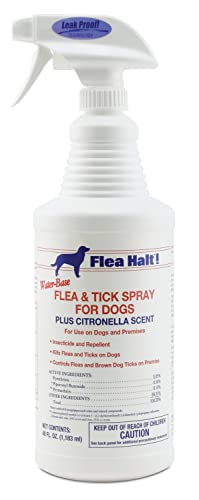
Farnam Flea Halt! Water-Based Spray with Citronella Scent, 40 fl oz

Chewable Flea and Tick Prevention Soft Chews, 120 Count

Trail Guard Extra Strength Flea & Tick Spray, Cedarwood & Rosemary, 16oz
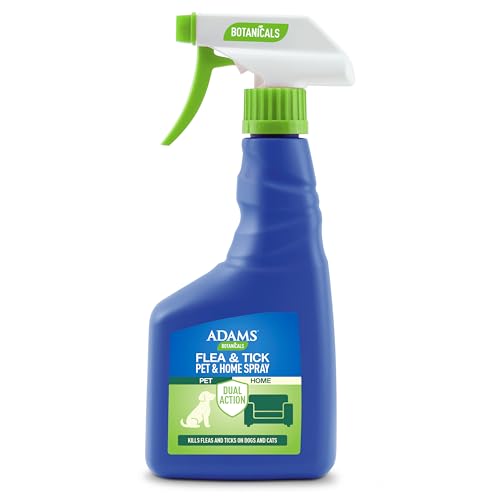
ADAMS Botanicals Flea & Tick Pet & Home Spray, 16 Oz

Wondercide Flea, Tick and Mosquito Spray, 4 oz, Peppermint & Rosemary

Flea and Tick Oral Prevention Drops with Multivitamin
More Details On Our Top Picks
Spot-on treatments sit between a collar and a spray: you part the fur, apply the liquid to the skin, and let it work for weeks. This Wondercide version uses plant-derived essential oils rather than synthetic insecticides, which appeals to households with young kids crawling on the same carpet the dog naps on.
The small-dog sizing matters more than people expect. A formula built for a 70-pound Lab can overwhelm a 10-pound terrier’s system, so weight-specific tubes are worth seeking out. Each package holds three tubes, enough for a full season of monthly applications.
Strong Points
- No greasy residue to wipe off your hands after application
- Monthly schedule means fewer reminders than daily chews or sprays
- Weight-specific small-dog formulation reduces overdose risk
- Plant-based active ingredients suit chemical-sensitive households
Things To Consider
- Some dogs lick the application spot before it dries; distracting them for a few minutes helps
- Three tubes per pack means repurchasing roughly every quarter during peak season
Who It Suits Best
Owners of small breeds who want set-and-forget monthly protection without handling a spray bottle every few days.
A Better Fit Elsewhere
Multi-dog homes burning through product quickly will get better value from the Farnam Flea Halt! spray further down this list.
Where the Wondercide tubes treat one dog quietly, this Farnam jug treats everything: coats, bedding, carpets, and the corner of the sofa where your beagle sleeps. The 40-fluid-ounce volume is the largest container in this roundup by a wide margin, which is exactly why multi-pet families keep reaching for it year after year.
The water-based base matters too. Alcohol-heavy sprays can sting broken skin and dry out coats with repeated use, while a water carrier tends to feel gentler across weekly applications. Citronella gives it a recognizable scent most people either like or tolerate fine.
What We Like
- One bottle covers dogs plus indoor resting areas, cutting down separate purchases
- Water-based formula is less likely to irritate than alcohol carriers
- Large volume keeps cost per application low across a whole season
- Ready to use straight from the bottle, no mixing required
Worth Noting
- The citronella aroma lingers in enclosed rooms longer than some owners expect
- Spraying a wiggly dog solo takes practice; a second pair of hands helps
Right Fit For
Households with two or more pets, or anyone treating both the animal and its favorite nap spots in one pass.
Another Choice May Suit
Apartment dwellers with a single small dog may prefer the compact Wondercide 4 oz spray instead of committing to 40 ounces.
Every household has that one dog who bolts at the sound of a spray bottle. For those animals, an oral format changes the entire dynamic: no restraint, no wet coat, no drama. These soft chews from Pawzitive Pets deliver daily prevention in a treat-shaped dose made in the USA, sized for everything from toy breeds up through large dogs.
The 120-count tub stretches to roughly four months for a single dog on a once-daily schedule, so you’re not reordering constantly. Because they double as skin and coat supplements, many owners report their dog’s coat looking healthier as a side benefit, though individual results vary.
Bright Spots
- Treat format removes the wrestling match entirely
- Four-month supply per tub means fewer repeat orders
- Sized for all breeds, from Chihuahuas to Great Danes
- Doubles as a skin and coat supplement
- Made in the USA manufacturing
Small Caveats
- Daily commitment means missing doses breaks the protection chain
- Chews can soften in humid climates; reseal the tub tightly
- Not suitable for cats, unlike some other picks here
Made For
Owners of spray-shy or pill-spitting dogs who can commit to a consistent daily routine.
Consider Something Else When
Cat-and-dog households should look at the MaxBuddy drops later in this list, since those work across both species.
Most flea sprays stop at the dog. Trail Guard doesn’t: the label covers dogs, cats, people, and the home, which makes it a genuinely different proposition from the Farnam jug earlier in this list. Hikers, campers, and trail runners can mist their own ankles and their dog’s belly with the same bottle before heading into tick country.
The extra-strength formula leans on cedarwood and rosemary oils, a pairing long used in natural pest circles. At 16 ounces it splits the difference between the purse-friendly Wondercide mini and the bulk Farnam container, making it a sensible middle ground for weekend adventurers.
Reasons To Buy
- Single bottle serves pets, humans, and living spaces alike
- Cedarwood and rosemary scent reads outdoorsy rather than medicinal
- Extra-strength concentration targets heavy pest pressure areas
- 16 oz size fits a backpack side pocket without weighing it down
Points To Note
- Essential oil concentrations strong enough for trails may bother sensitive-nosed dogs indoors
- Contact-based action means thorough coverage matters; light mists leave gaps
Who Will Love This
Outdoor enthusiasts whose dogs join every hike and who want one bottle doing double duty on human skin and pet fur.
Swap It Out When
Strictly indoor cats and lap dogs will find the gentler ADAMS Botanicals formula a calmer match.
ADAMS has been a fixture in the pest-control aisle for decades, and this botanicals line brings that pedigree to plant-based formulas. The 16-ounce bottle handles dogs, cats, puppies, and kittens, plus bedding and upholstered furniture, which makes it the broadest-species option among the sprays here.
Two details stand out against the Trail Guard bottle reviewed just above. First, it’s water-based and alcohol-free, a combination that tends to feel less harsh on puppy and kitten skin. Second, the herbal scent skews fresh rather than sharp, easier to live with in a small apartment.
Plus Points
- Approved for puppies and kittens, not just adult animals
- Alcohol-free base is gentler on young or sensitive skin
- Treats pet bedding and furniture in the same pass
- Trusted brand lineage in the category
Softer Spots
- Botanical strength may fall short against a heavy established infestation
- Reapplication cadence runs more frequent than monthly spot-ons
Key Specs
The Right Fit
Families with very young animals or mixed cat-and-dog homes wanting gentle, everyday indoor coverage.
Reach For A Different Pick When
Heavy outdoor exposure calls for the stronger Trail Guard formula instead.
This is the bottle that lives in the glovebox or hangs off the leash bag. At 4 ounces, the peppermint and rosemary Wondercide spray is built for touch-ups: a quick mist before the dog park, another after the wooded loop. It works by contact on fleas, ticks, and mosquitoes, and also targets eggs and larvae, interrupting the pest life cycle rather than just the adults.
Compared with the same brand’s spot-on tubes at number one, this format trades duration for immediacy. You’ll apply it far more often, but you’ll also see results on contact, which matters when you spot a tick mid-walk.
Highlights
- Small enough for pockets, purses, and leash pouches
- Targets eggs and larvae, not only adult pests
- Peppermint scent doubles as a pleasant deodorizer
- Works on contact when you need instant response
Minor Gripes
- 4 oz empties quickly with a large dog or frequent use
- Needs reapplying after swimming or heavy rain
Who Should Grab It
Urban walkers and travelers who want backup protection that fits alongside a primary treatment, not replaces it.
Look Elsewhere When
Whole-home coverage seekers will do better with the ADAMS Botanicals 16 oz bottle.
Liquid drops solve a problem chewables can’t: dosing precision. MaxBuddy’s supplement comes in dropper form, letting you adjust the amount for a 6-pound kitten or an 80-pound shepherd without buying two products. The formula pairs natural flea and tick support with a multivitamin base, aiming at overall wellness alongside pest defense.
It covers fleas, ticks, eggs, larvae, and mosquitoes according to the maker, and suits puppies and kittens as well as adults. Where the Pawzitive chews at number three demand a dog willing to chew, drops mix into food or go straight into the mouth, sidestepping texture pickiness altogether.
Standout Traits
- Dropper allows precise weight-based dosing across species
- Multivitamin component supports general health alongside protection
- Suitable for kittens and puppies, widening the use case
- No pills to hide or chews to refuse
Honest Caveats
- Daily liquid dosing takes more consistency than a monthly tube
- Supplement-style formulas vary in effect between individual animals
Feature Snapshot
Whose Shelf It Belongs On
Multi-pet homes mixing cats and dogs, especially where one animal refuses chews outright.
Where A Sibling Pick Shines
Dogs that happily take treats will find the Pawzitive soft chews simpler to stick with long term.
What Matters Most Before Choosing Essential Oils For Fleas On Dogs
Match The Format To Your Routine
A monthly spot-on rewards forgetful owners; a daily chew punishes them. Be honest about your habits before choosing. Sprays offer immediate contact action but demand repetition, while oral formats build protection gradually through consistency.
Check Species And Age Labels Carefully
Not every botanical formula is safe for cats, and fewer still clear puppies or kittens. Cats lack certain liver pathways for metabolizing concentrated essential oils, so a dog-safe product can genuinely harm a feline. Read the label twice.
Scent Tolerance Counts
Cedarwood, peppermint, citronella, and rosemary each carry distinct aromas that linger on fur, hands, and furniture. In small apartments, a sharp scent becomes a daily companion. Milder herbal profiles tend to win for indoor-only pets.
Severity Of The Problem
Prevention and infestation treatment are different jobs. Light seasonal pressure responds well to any pick on this list. An established infestation usually needs a coordinated approach covering the animal, bedding, and flooring simultaneously.
Key Considerations Across These Picks
Traps First Timers Fall Into
The most common slip is buying a dog-formulated product for a household that includes cats. Another frequent error: assuming “natural” means zero reapplication needed. Essential oil products generally require more frequent use than conventional treatments, and skipping doses opens gaps pests exploit.
Why Top Tier Costs More
Pricier options typically justify the jump through concentration, broader species approval, or lifecycle coverage targeting eggs and larvae rather than adults alone. Paying up makes sense for heavy outdoor exposure or multi-pet complexity; casual urban walks rarely demand it.
Closing Thoughts
Protection works best as a habit, not a purchase. Pick the format you’ll actually stick with, whether that’s a monthly tube, a morning chew, or a pre-walk mist, and stay consistent through warm months when pest pressure peaks. Pairing a primary treatment with a travel-size backup covers most real-world situations comfortably.
