

Robins are ground and platform feeders by nature, so a tall tube feeder full of sunflower seed will mostly sit ignored. What they want is an open tray, a shallow dish, or a caged platform stocked with mealworms, fruit, or soft seed blends. This shortlist covers seven options built around that behavior, from simple hanging trays to squirrel-resistant designs. Whether you’re starting your first backyard setup or adding to an established station, there’s a fit here.
The Shortlist At A Glance

BOLITE Hanging Platform Bird Feeder Metal Mesh

LCSEVEN Squirrel Proof Metal Bird Feeder 3.6LB (Green)

Kingsyard Squirrel Proof Platform Bird Feeder

Pennington Songbird Lantern Bird Feeder
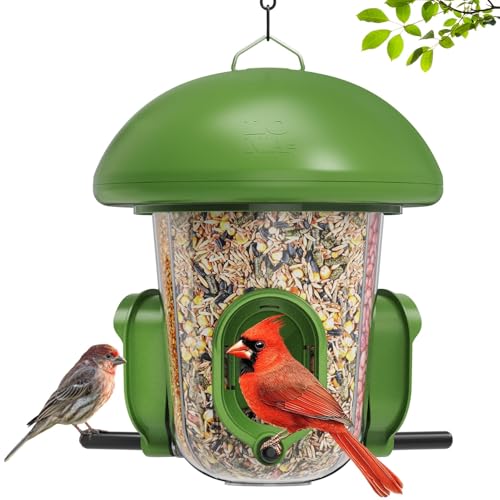
LONA Dome Bird Feeder with 3 Compartments (Green)

VUWEZ Hanging Bird Feeder & Bath Trays 10″

Gbekery Bluebird Mealworm Feeder with Glass Bowl (Blue)
More Details On Our Top Picks
Open trays are the closest thing to natural robin feeding, and this one gives you plenty of it. The rust-proof metal mesh tray shrugs off rain, sun, and snow without cracking or warping, which matters when a feeder hangs outside all year. Because the surface is mesh, moisture drains through instead of pooling in soggy seed.
The oversized platform fits several birds at once, so you won’t watch robins queue up while one dominant starling eats. Seed level is visible at a glance too, meaning fewer surprise empty mornings.
Strong Points
- Rust-proof metal mesh survives seasons of weather without fading or bending
- Drainage through the mesh keeps seed drier than solid plastic trays
- Wide platform lets multiple birds feed side by side, cutting squabbles
- Visible seed level means refills happen before the feeder goes bare
Things To Consider
- An open tray offers no squirrel defense, so hang it out of jumping reach
- Mesh surfaces need an occasional scrub where wet seed residue builds up
Key Specs
Who It Suits Best
Backyard hosts who want a durable, no-fuss open tray that welcomes several robins and songbirds at once.
A Better Fit Elsewhere
Shoppers battling persistent squirrels should look at the Kingsyard Squirrel Proof Platform Bird Feeder instead, since its caged cover blocks larger raiders.
This one plays defense. A weight-activated mechanism closes the feeding ports whenever something heavy lands on it, and the patented spring design makes it hard for squirrels to get a grip. Lighter birds like finches, chickadees, and cardinals trigger nothing, so their meals stay theirs.
The powder-coated metal body resists both rust and chewing, and the 3.6-pound seed capacity stretches time between refills considerably compared with the smaller Pennington lantern later in this list. Refilling takes one hand: release the latch, pour, done.
What We Like
- Weight-activated ports shut automatically under a squirrel’s load
- 3.6-pound capacity cuts refill trips down to roughly weekly for most yards
- Powder-coated metal stands up to chewing and rust alike
- Latch-release refill pours seed in one-handed
Worth Noting
- Tube-style ports suit perching songbirds more than ground-feeding robins
- Determined squirrels may still reach it from overhanging branches, so placement matters
Built With In Mind
Anyone whose yard sits under mature trees and loses more seed to squirrels than to birds.
Where A Sibling Pick Shines
For a true robin-friendly open tray, the BOLITE platform feeder serves ground-feeders better; this LCSEVEN model favors perching species.
Here’s the compromise most robin lovers actually need: an open platform wrapped in a protective cage. The metal mesh cover uses 1.5 by 1.5-inch openings, wide enough for bluebirds, chickadees, nuthatches, and robins to slip through, yet tight enough to keep grey squirrels and bigger intruders out.
All-round openings create a fly-through layout, so nervous birds can enter from any side rather than committing to one exposed port. In practice that tends to mean more frequent visits and longer feeding sessions, especially for skittish species still learning your yard.
Highlights
- Caged cover admits small songbirds while blocking grey squirrels
- Fly-through design lets birds approach from every direction
- Platform base matches the open feeding style robins prefer
- Metal mesh construction handles year-round outdoor exposure
Small Caveats
- Very large birds such as jays and doves can’t fit through the grid
- Seed husks collect on the platform floor, so plan on regular cleaning
Feature Snapshot
Right Fit For
Suburban yards with active squirrel traffic where you still want the open-platform experience robins prefer.
Swap It Out When
If your main goal is attracting bluebirds specifically, the Gbekery mealworm feeder near the end of this list offers a dedicated food setup.
Everyone starts somewhere, and this lantern-style feeder keeps the entry cost low while still doing the job properly. Six feeding perches give small songbirds room to settle, and a raised center inside diverts seed outward toward each opening so the supply feeds evenly instead of jamming at the bottom.
The perforated base drains rainwater, which is the detail that separates a feeder that lasts from one that turns into a moldy seed brick after the first storm. It accepts a variety of seed types, so you can experiment with blends until you learn what your local robins and finches actually eat.
Plus Points
- Six perches host several small birds simultaneously
- Raised center distributes seed evenly to every port
- Perforated base drains water and keeps seed fresher
- Works with many seed varieties as you learn local preferences
Points To Note
- Small capacity means more frequent topping-up during peak season
- No squirrel protection, so choose your hanging spot carefully
Quick Facts
Who Will Love This
First-time birders and anyone testing whether their yard attracts robins before investing in heavier gear.
Another Choice May Suit
Once you’re hooked, the LONA three-compartment dome feeder adds seed variety this single-hopper design can’t offer.
Most feeders hold one seed and hope for the best. This Dutch-designed hanging feeder splits into three compartments, letting you offer mealworms, fruit, and seed mix side by side from a single station. Robins are opportunists, and variety is often what converts a passing glance into a daily routine.
The dome roof shields the food from drizzle, and the smart hanging system gives you flexibility in where and how you mount it. The green finish blends into foliage rather than shouting from the branch, which some gardeners will appreciate more than others.
Bright Spots
- Three compartments serve different foods at one station
- Dome top keeps rain off mealworms and seed
- Flexible hanging system adapts to different mounting spots
- Original patented design from a Netherlands-based team
Softer Spots
- Three sections mean three areas to clean during maintenance
- Compartment size limits bulk storage compared with large-capacity hoppers
Made For
Gardeners who enjoy offering mixed menus and want one attractive station instead of three separate feeders.
Reach For A Different Pick When
Capacity matters more than variety? The LCSEVEN’s 3.6-pound hopper holds far more seed between refills.
Water draws birds almost as reliably as food, and this two-pack covers both needs in one purchase. You get two matching 10.3-inch trays: one with drainage holes for seed, one sealed for water. Each hangs from a 16-inch iron chain, and the 2.3-inch depth suits everything from seed mixes to a shallow bath.
The polypropylene plastic is BPA-free and weather-tough, with no sharp welded edges to injure delicate feet. That last detail sounds minor until you realize how many cheap trays have rough seams. Robins in particular use shallow water sources enthusiastically, so the bath half of this set earns its keep.
Reasons To Buy
- Two-tray set covers feeding and bathing in one buy
- 10.3-inch width gives robins comfortable landing space
- Smooth PP plastic protects birds’ feet from sharp edges
- 16-inch chains hang easily from branches or hooks
Honest Caveats
- Plastic trays lack the chew resistance of the metal options earlier in this list
- Bath water needs changing every day or two in warm weather
Details At A Glance
The Right Fit
Yard owners who want a complete food-and-water corner without buying separate equipment.
Not Your Match When
Squirrel pressure is high in your yard; the Kingsyard caged platform will protect your seed investment better.
Mealworms are robin candy, and this feeder is built around serving them safely. A thick-gauge metal cage with a 1.7 by 1.7-inch grid keeps adult squirrels and large birds outside while bluebirds, robins, and other small songbirds pass through freely to the glass bowl inside.
The heavy-duty mesh resists chewing and bending, and the weatherproof lid shields live or dried mealworms from rain. Compared with the Kingsyard’s general-purpose platform, this one is a specialist: narrower purpose, tighter build, better results for its specific audience. The glass bowl also cleans up faster than plastic after sticky dried-worm residue.
Standout Traits
- 1.7-inch grid excludes adult squirrels and big birds
- Heavy-gauge metal withstands chewing and harsh weather
- Glass bowl holds mealworms and wipes clean easily
- Weatherproof lid keeps food dry between visits
Minor Gripes
- Narrow openings exclude larger desirable birds like cardinals
- Specialist design works best with mealworms rather than standard seed
Core Details
Whose Shelf It Belongs On
Dedicated bluebird and robin enthusiasts ready to invest in a purpose-built mealworm station.
Consider Something Else When
Your budget or interest is casual; the Pennington Songbird Lantern covers general feeding at a friendlier entry point.
Choosing Between These Feeders: What Actually Matters
Match The Style To Robin Behavior
Robins hunt on the ground, so open platforms and shallow trays beat enclosed tube hoppers nearly every time. A tray around ten inches wide gives them confident landing space. Caged platforms work well too, provided the grid openings admit robin-sized bodies.
Think About Your Squirrel Situation
Be honest about your yard. Heavy squirrel traffic justifies a weight-activated or caged design even at higher cost, because unprotected seed disappears fast. Quiet suburban gardens can run a simple open tray and save the difference.
Capacity Versus Cleaning Effort
Big hoppers mean fewer refills but more seed sitting exposed to moisture. Smaller trays stay fresher and clean faster, though you’ll top them up more often in winter. Most households land happily in the middle.
Placement Beats Price
Even the best feeder fails hung in the wrong spot. Aim for shelter from driving rain, partial shade, and enough distance from jump-off points that squirrels can’t leap aboard. Ten feet of clearance solves most raids.
Key Considerations Across These Picks
Where Shoppers Go Wrong
The classic error is buying a tube feeder for robins and wondering why it stays full. Another common slip is ignoring drainage; solid-bottom trays collect rainwater and spoil seed within days. Check hanging hardware too, since thin chains bend under a loaded tray.
When Paying More Pays Off
Higher-tier models earn their price through materials and engineering: powder-coated steel, weight-triggered mechanisms, precision grids. Those features matter most in squirrel-heavy yards or four-season climates. Mild-climate beginners rarely need them yet.
Closing Thoughts
Robins reward patience and the right setup. Start with an open tray in a sensible spot, add water if you can, and upgrade to squirrel defenses only once your yard proves it needs them. Any of these seven will put you on the right track this season.
