

Planted tanks live or die by water movement. Too much current flattens delicate stems and stirs substrate; too little lets debris settle and film form on the surface. The seven filters below cover the whole range, from a 2.5-gallon desktop nano to a 150-gallon turtle setup, so you can match flow to your plants instead of fighting it. Each pick was chosen for how it behaves in a real aquascape: quiet operation, gentle output, media you can actually maintain.
The Shortlist At A Glance
Atlantis Aqua Submersible Aquarium Filter (Up to 55 Gallons)

NICREW Slim Aquarium Filter Cartridges (6 pcs) with Intake Sponges

NICREW 2.5 Gallon Nano Nature Aquarium Kit (Black)

TARARIUM Turtle Tank Filter 290GPH Adjustable 20-75 Gal
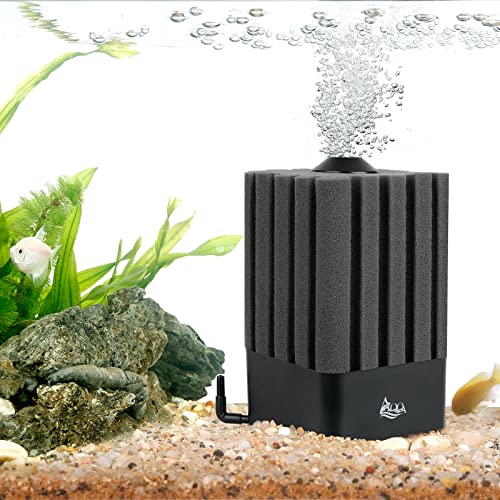
AQQA Aquarium Sponge Filter (S-Filter, 5-20 Gallon)

coospider-repta Aquarium Filter for 55-150 Gallon Tanks
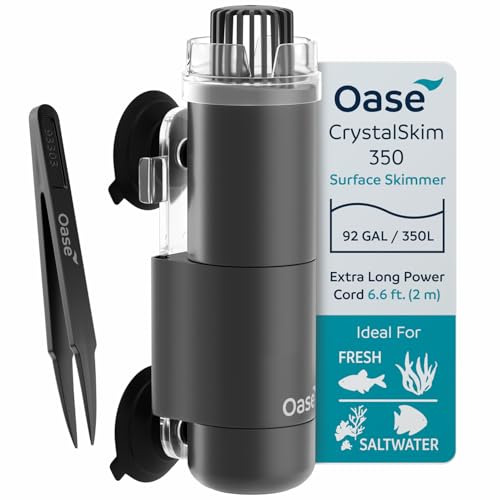
OASE CrystalSkim 350 Surface Skimmer
More Details On Our Top Picks
Most internal filters pull water in from the sides, which means some of it shortcuts past the media barely filtered. This Atlantis Aqua unit draws from the bottom instead, forcing the whole column through the system before it exits. In a planted tank that matters, because detritus settles low around your stems where it can foul roots.
The submersible body hides inside the tank, so there’s no hang-on-back clutter breaking your sightline. Owners commonly report it runs quietly enough for a bedroom or office desk, which is more than most budget internals can claim.
Strong Points
- Bottom intake forces water through the entire filter path rather than letting it bypass the media
- Rated for tanks up to 55 gallons, giving headroom over smaller internal units
- Fully submersible design keeps hardware out of view behind your aquascape
- Quiet operation suits living rooms, offices, and bedrooms alike
Things To Consider
- Internal placement means reaching into the tank for routine sponge rinses during water changes
- No adjustable flow valve is listed, so heavily planted low-flow scapes may need baffle improvisation
Made For
Planted-tank hobbyists running 20 to 50 gallons who want hidden hardware and thorough filtration without plumbing.
A Better Fit Elsewhere
Turtle keepers generating heavy waste will get more mileage from the TARARIUM’s three-stage waterfall system below.
This one isn’t a filter at all; it’s the consumables that keep one alive. Six cartridges plus two intake sponges give NICREW Slim Filter owners roughly a half-year of scheduled swaps without hunting down odd-sized refills. Anyone who has owned a proprietary cartridge filter knows that pain.
Each cartridge layers mechanical and biological filtration, meaning it traps particles while hosting the bacteria that process ammonia. The sponges slip over the intake to screen out shrimp, fry, and loose plant matter before they reach the impeller.
Highlights
- Six-cartridge pack covers about six months of maintenance on a monthly swap rhythm
- Precise fit for the NICREW Slim Filter, no trimming or improvising required
- Included intake sponges protect small livestock and keep plant clippings out of the motor
Small Caveats
- Compatible only with the NICREW Slim Filter, so check your model before ordering
- Cartridge-based systems mean recurring cost, unlike sponge setups you rinse indefinitely
Who Will Love This
Nano-tank keepers already running a NICREW Slim who want a simple, predictable maintenance schedule.
Swap It Out When
Hobbyists wanting zero consumables should look at the AQQA sponge filter later in this list instead.
Starting a planted tank usually means piecing together glass, light, and filtration separately. This kit collapses all three into one rimless 2.5-gallon package sized for a desk or countertop. The high-clarity glass carries strong light transmittance, so your moss carpet and stem colors read true rather than greenish.
The basic version ships without gravel and rock, which suits aquascapers who already have hardscape opinions. A step-by-step guide walks first-timers through setup, and the built-in filter handles circulation in a footprint small enough for a dorm room.
Reasons To Buy
- Rimless ultra-clear glass delivers an unobstructed, immersive view of your aquascape
- Light and filter included, removing the guesswork for beginners
- 2.5-gallon size fits desks, counters, and other tight spots
- Beginner-focused setup guide shortens the learning curve considerably
Points To Note
- Basic kit excludes gravel and rock, so budget for hardscape separately
- Small volume means water parameters shift fast; consistent testing becomes part of the routine
Quick Facts
Right Fit For
First-time aquascapers setting up a betta or shrimp nano on a desk, where simplicity beats expandability.
Where A Sibling Pick Shines
Keepers planning a larger community planted tank should step up to the Atlantis Aqua filter and buy glass separately.
Turtles are filtration stress tests. They eat messily, shed constantly, and overload undersized filters within days. This TARARIUM internal unit answers with a 290 GPH pump across a 20-to-75-gallon range and a waterfall return that agitates the surface, boosting oxygen exchange naturally.
Filtration runs three stages: a double-sided mesh sponge catches waste and shredded leaves, ceramic bio-balls host bacteria that break down ammonia, and the adjustable flow dial lets you calm the current for shy fish or frog species sharing the tank. Freshwater and saltwater both work here.
Upsides
- Three-stage design pairs mechanical debris capture with biological breakdown via ceramic media
- Adjustable flow tames the current for delicate tankmates or low-flow plant zones
- Waterfall return aerates the column while adding pleasant ambient sound
- Handles low water levels, useful for semi-aquatic reptile setups
Trade Offs
- Ceramic bio-balls need an occasional rinse in removed tank water to prevent clogging
- Internal body occupies visible tank space compared with a canister tucked below
Feature Snapshot
Who Should Grab It
Reptile and rough-fish keepers running 30 to 75 gallons who need serious turnover and forgiving maintenance.
Look Elsewhere When
Serene planted display tanks with shrimp will treat the AQQA sponge filter far more gently.
Sponge filters are the quiet workhorses of breeding and shrimp tanks. Air pushed through the sponge lifts water gently through its pores, trapping particles while growing a dense bacterial colony. There’s no impeller to suck up fry, and the flow is soft enough that baby shrimp ride it without stress.
This AQQA unit uses a vertical-pattern sponge for a two-stage clean, and it runs off any external air pump with standard 4mm airline tubing. One honest note: the pump isn’t included, so factor that into your setup plan before ordering.
Bright Spots
- Air-powered operation produces no dangerous intake for fry, shrimp, or bettas
- Dual-stage vertical sponge traps debris while supporting heavy bacterial colonization
- Whisper-level noise profile works in bedrooms and offices
- Rinse-and-reuse sponges eliminate recurring cartridge costs entirely
Minor Gripes
- Requires a separate air pump and 4mm hose, neither of which comes in the box
- Mechanical polish falls short of powered filters in heavily stocked tanks
Who It Suits Best
Breeders and shrimp keepers running 5 to 20 gallon planted tanks where gentle flow outweighs raw power.
Another Choice May Suit
Larger community tanks needing stronger turnover are better served by the coospider-repta unit reviewed next.
Where the TARARIUM tops out at 75 gallons, this coospider-repta internal keeps climbing. Its 300 GPH pump is rated for tanks up to 150 gallons, including koi ponds, which tells you something about its tolerance for heavy bioloads. An adjustable aeration valve adds oxygen on demand, and a wave-making mode keeps dead spots from forming behind large driftwood pieces.
Filtration relies on dual deep biochemical sponges that strip odors and impurities while staying rinseable. Compared with the AQQA sponge above, this is the powered, high-volume sibling built for big water.
Plus Points
- 300 GPH pump sustains tanks from 55 up to 150 gallons, ponds included
- Adjustable aeration valve raises dissolved oxygen for active fish and turtles
- Wave-making function eliminates stagnant zones common in large aquascapes
- Dual biochemical sponges handle odor control alongside particle capture
Softer Spots
- Strong output may overwhelm delicate stem plants near the outflow without repositioning
- Large internal body demands open swimming space to install cleanly
Core Details
Built With In Mind
Owners of oversized freshwater tanks, turtle habitats, or koi ponds who want one powerful internal unit doing everything.
Reach For A Different Pick When
Surface film is your main complaint rather than bulk filtration; the OASE CrystalSkim 350 targets that problem directly.
Protein film on the water surface is the silent killer of planted-tank looks and gas exchange. OASE, a German brand with decades of pond pedigree, built the CrystalSkim 350 specifically to skim biofilm, floating leaf matter, and dust off the top layer of tanks up to 92 gallons, freshwater or marine.
Two details separate it from generic internals. A bottom outlet pushes filtered water back down into low-circulation zones, and a removable collection basket shields small fish and shrimp from the intake. Flow adjusts quietly, so you can run it beside a CO2-injected scape without blasting your carpet plants.
What We Like
- Actively removes surface biofilm, restoring oxygen exchange at the waterline
- Bottom outlet improves circulation in stagnant corners of the tank
- Shrimp-safe collection basket protects tiny livestock from the intake
- Works in both freshwater and saltwater up to 92 gallons
Honest Caveats
- It complements rather than replaces a primary biological filter in most setups
- The collection basket needs emptying regularly once floating plant growth takes off
At A Glance
Perfect Match For
High-tech planted tank owners battling oil film who already run a main filter and want polished surface clarity.
Not Your Match When
Complete beginners starting from scratch will find the all-in-one NICREW nano kit a simpler entry point.
What Matters Most Before Choosing Filters For Planted Aquarium
Match Flow To Your Plants
Delicate species like carpeting plants and fine-stemmed varieties suffer under strong current, bending flat and collecting debris unevenly. Check the rated tank range against your actual volume, then favor models with adjustable valves or baffles. A 290 GPH pump in a 30-gallon tank is overkill unless you keep turtles.
Understand Filtration Stages
Mechanical filtration traps particles; biological filtration hosts bacteria that convert ammonia into safer compounds. Sponge-heavy designs excel at both in small tanks, while ceramic media like bio-balls add biological capacity for heavier loads. The best setups combine stages rather than relying on one.
Plan Maintenance Before You Buy
Cartridge filters cost money every month; sponge filters cost only a rinse in removed tank water. Internal units require hands-in-the-tank servicing, which matters in a fully aquascaped layout. Decide how much recurring effort fits your schedule honestly.
Account For Livestock Sensitivity
Fry, shrimp, and bettas need gentle intakes or protective sponges. Turtles and koi demand raw turnover. Matching the filter to your animals prevents both tragedy and wasted spending.
Key Considerations Across These Picks
Traps First Timers Fall Into
The classic error is sizing a filter to the exact tank volume with zero headroom. Stock grows, plants thicken, and an undersized unit struggles within months. Another frequent misstep: buying a skimmer or cartridge pack incompatible with existing gear. Verify model numbers first.
What Separates Premium From Basic
Higher-tier units like the OASE add refinement: quieter motors, adjustable flow, livestock-safe baskets, and better materials that resist cracking over years. Budget picks handle basics well but often lack those controls. Paying up makes sense once your tank holds expensive livestock or a mature aquascape worth protecting.
Closing Thoughts
A planted tank rewards the right filter with clearer water, healthier plants, and less weekly scrubbing. Start by matching capacity and flow to your setup, then weigh maintenance style against your routine. Any of these seven will do its job well in the right tank; the trick is choosing honestly for yours.
