

Bettas are fussy eaters with tiny stomachs and big personalities, and the wrong food shows up fast in dull colors, ragged fins, and cloudy water. Anyone keeping one of these fish in a five-gallon tank on a desk or dresser knows the daily routine matters more than fancy equipment. This shortlist covers staple pellets, protein treats, and even vacation blocks, so you can build a feeding plan that fits your fish and your schedule.
The Shortlist At A Glance

Northfin Betta Bits Slow-Sinking Pellets 1mm

Fluval Betta Freeze Dried Bloodworms

Invert Aquatics Extreme Color Betta Bits

Hikari Betta Bio-Gold Baby Pellets 0.7oz 2-Pack
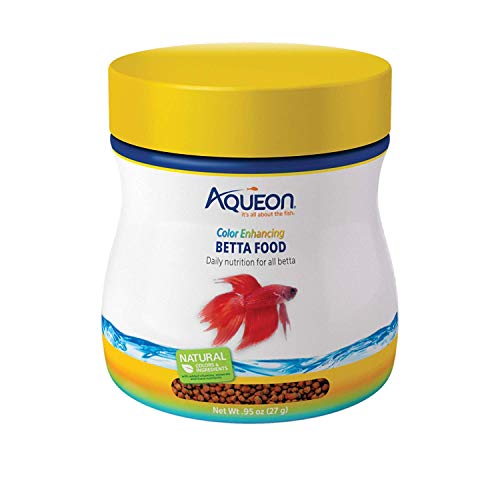
Aqueon Color Enhancing Betta Food Pellets 3 Pack

Zoo Med Betta Dial-A-Treat

Penn Plax Pro Balance 7-Day Betta Blocks
More Details On Our Top Picks
Most betta pellets float forever, which pushes your fish to gulp air at the surface and leaves crumbs drifting into the filter. Northfin takes a different route with slow-sinking 1mm pellets sized for a betta’s upturned mouth, built around whole Antarctic krill meal instead of cheap grain fillers. That protein-first approach suits an active fish burning energy all day in a small tank.
The formula also carries astaxanthin, a natural pigment compound that supports deep reds and blues, plus garlic and vitamins aimed at immune health. Owners commonly report less waste in the water compared with filler-heavy brands, which matters a lot in anything under ten gallons.
Strong Points
- Krill-based marine protein fuels high activity without bloating
- Astaxanthin helps maintain rich, saturated coloration over time
- No fillers means less uneaten debris fouling a small tank
- Garlic and vitamin enrichment supports everyday immune function
Things To Consider
- The 20g tub is compact, so frequent feeders will restock sooner than expected
- Slow-sinking pellets can slip behind decor, so spot-check the substrate weekly
Key Specs
Made For
Dedicated betta keepers running planted or bare-bottom tanks under ten gallons who want a clean daily staple.
Where A Sibling Pick Shines
Shoppers who want a bigger supply at a friendlier cost should look at the Aqueon Color Enhancing Betta Food Pellets 3 Pack instead.
Every betta owner eventually learns the bloodworm dance: drop a few in and your fish goes from lazy to hunting mode in seconds. Fluval freeze-dries these worms, a process that removes moisture while locking in protein and flavor, so you get the appeal of live food without keeping cultures in your fridge. The 0.18 oz tub lasts months when used as designed, meaning two or three times a week alongside a pellet staple.
Treats like this earn their place by triggering natural foraging behavior, which keeps a captive betta mentally engaged. The honest caveat is that bloodworms alone are not a complete diet, and some fish get so hooked they snub pellets afterward.
Highlights
- Freeze-drying preserves protein without refrigeration or mess
- Triggers the hunting instinct most pellets never touch
- Handy portioning keeps overfeeding in check
Small Caveats
- Not nutritionally complete, so it works only as a supplement
- Some bettas become picky once hooked on worms, so rotate carefully
Who Should Grab It
Owners of finicky or bored bettas who want a reliable reward food for training and enrichment sessions.
Swap It Out When
If variety across several treat types appeals more, the Zoo Med Betta Dial-A-Treat bundles three options in one dispenser.
Halfmoon and crowntail owners spend good money on finnage, and this formula exists to protect that investment. Invert Aquatics builds its Extreme Color Betta Bits around an intense color-enhancing recipe delivered in small floating pellets, with added vitamins and minerals rounding out the daily profile. Where Northfin leans on krill and astaxanthin, this option casts a wider net across its ingredient list to push vibrancy.
Floating format suits surface-oriented bettas well, since the species naturally feeds at the top of the water column. One practical note from long-term keepers: only offer what disappears within a couple of minutes, then net out strays, because uneaten floating bits are the fastest route to fouled water in a nano tank.
Upsides
- Aggressive color-enhancing blend targets reds, blues, and iridescence
- Floating pellets match a betta’s natural surface-feeding habit
- Added vitamins and minerals cover daily nutritional gaps
- Small bits suit narrow betta mouths
Worth Noting
- Requires disciplined portion control to keep water clear
- Ingredient transparency is thinner than premium competitors provide
Quick Facts
Right Fit For
Hobbyists showing off halfmoons, plakats, or crowntails who prioritize visual impact above all else.
Consider Something Else When
Keepers who prefer documented marine-protein sourcing will find the Northfin Betta Bits formula better aligned.
Hikari has decades of aquarium nutrition behind it, and the Bio-Gold line reflects that pedigree. These baby-sized floating pellets carry a superior protein source formulated specifically for bettas, and the brand emphasizes a key promise for small enclosures: the pellets disperse evenly and will not cloud the water in a bowl or unfiltered tank. For anyone keeping a betta in a bowl-style setup without heavy filtration, that single attribute changes daily maintenance.
The two-pack of 0.7 oz containers also stretches value, since a betta eats only a few pellets per meal. Compared with the Invert Aquatics bits earlier in this list, Hikari trades some color-marketing punch for a reputation for consistency and water stability.
Bright Spots
- Pellets resist clouding water, ideal for low-filtration setups
- Baby pellet size suits juvenile and small-mouthed adults alike
- Two-container pack reduces how often you reorder
- Color-enhancing diet supports long-term vibrancy
Points To Note
- Smaller container size means careful storage away from humidity
- Premium positioning costs more per ounce than budget staples
At A Glance
Whose Shelf It Belongs On
Bowl keepers and office-desk aquarists whose tanks lack strong filtration and need a water-stable staple.
Another Choice May Suit
Fully filtered tank owners chasing maximum color payoff may prefer the Invert Aquatics Extreme Color Betta Bits.
Three 0.95 oz containers in one purchase is the headline here, and for multi-betta households that volume translates into months of uninterrupted feeding. Aqueon builds these pellets around shrimp and other ingredients bettas reliably go for, with balanced daily nutrition and a pellet size deliberately chosen to discourage overfeeding. The brand also avoids artificial colors, letting the ingredient list do the work.
Against the premium picks above, this is the sensible middle path: solid formulation, generous supply, and a price point that stings less when a container gets damp and clumps. Widely reported feedback suggests acceptance is strong across most bettas, though the very pickiest fish sometimes favor krill-forward formulas.
Plus Points
- Three-container pack delivers serious supply per dollar
- Shrimp-based recipe earns quick acceptance from most fish
- Pellet sizing naturally limits accidental overfeeding
Softer Spots
- Large total volume demands dry, sealed storage between refills
- Ultra-finicky eaters may still prefer krill-heavy alternatives
Who Will Love This
Households running two or more betta tanks, or anyone stocking a classroom or office aquarium on a budget.
Reach For A Different Pick When
Single-fish keepers wanting top-shelf ingredients will get more mileage from the Hikari Betta Bio-Gold Baby Pellets.
Rotation is the secret weapon against picky eating, and Zoo Med packs three distinct proteins into one rotating-lid dispenser. Mysis shrimp, daphnia, and bloodworms each bring a different texture and flavor profile, so your betta gets variety without you juggling separate tubs on a crowded shelf. The dial mechanism dispenses a measured pinch, which quietly solves the portion-control problem that trips up most treat feeding.
Think of it as a tasting flight for your fish. Compared with the single-worm Fluval tub reviewed earlier, this option trades depth in one favorite for breadth across three, and daphnia in particular is valued by keepers as a gentle digestive aid.
Reasons To Buy
- Three treat varieties eliminate the need for multiple containers
- Dial-top dispensing keeps portions consistent
- Daphnia adds gentle roughage many keepers appreciate
Minor Gripes
- Small 0.12 oz capacity runs out quickly with daily use
- Lid compartments can mix crumbs if stored on its side
Core Details
Best Suited To
Enthusiasts building a varied weekly feeding schedule who want treat rotation without extra clutter.
Look Elsewhere When
Keepers who know bloodworms are the only treat their fish accepts should stick with the dedicated Fluval Betta Freeze Dried Bloodworms.
Weekend trips happen, and a hungry betta waiting on a delayed flight home is nobody’s idea of relaxation. Penn Plax shapes each Pro Balance block at roughly 0.75 by 0.5 inches, sized to dissolve gradually and release food across about a week in a standard betta enclosure. Drop one block in before leaving, and the fish grazes on released particles instead of fasting cold turkey.
To be clear about expectations, blocks are an emergency bridge rather than a replacement for daily pellet feeding, and heavily filtered tanks can disperse the release faster than intended. Used occasionally and exactly as directed, though, they solve a real problem nothing else on this list addresses.
What We Like
- Covers roughly seven days of grazing per block
- Compact block dimensions fit bowls and nano tanks
- Removes the scramble of finding a fish sitter for short trips
Honest Caveats
- Strong filtration may speed dissolution beyond the intended window
- Blocks leave minor residue, so a partial water change after use is wise
- Nutritionally lighter than a proper pellet diet
Details At A Glance
The Right Fit
Travelers and shift workers who face regular overnight absences and need dependable backup coverage.
Not Your Match When
Home-every-day keepers should put that budget toward the Northfin Betta Bits as a superior daily staple.
What Matters Most Before Choosing Fish Foods For Bettas
Protein Comes First
Bettas are carnivores in the wild, living on insects and larvae at the water’s surface. Scan any label for a named animal protein, krill, shrimp, or fish meal, leading the ingredient list, because plant-heavy formulas pass through a betta largely unused. Higher protein also means denser calories, so portion discipline matters just as much as ingredient quality.
Match The Format To Your Tank
Floating pellets suit the species’ surface-feeding instinct, while slow-sinking bits encourage mid-water hunting and reduce air gulping. Bowl keepers without filtration should prioritize non-clouding formulas like the Hikari option above. Tank shape, filter strength, and decor density all change which format behaves best in practice.
Treats Are Seasoning, Not Dinner
Bloodworms, mysis, and daphnia trigger natural foraging and help with conditioning, yet none forms a complete diet on its own. Cap treats at two or three sessions weekly and keep a quality pellet as the backbone. Variety prevents boredom, but balance prevents deficiency.
Size And Freshness Count
Pellets above roughly 2mm frustrate small betta mouths, so sub-2mm sizing is the safe default. Buy quantities you’ll finish within a few months, store containers sealed and dry, and discard anything that smells rancid or crumbles oddly.
Key Considerations Across These Picks
Traps First Timers Fall Into
The classic error is overfeeding, since a betta’s stomach is roughly the size of its eye. Two to four pellets per meal, once or twice daily, beats a heaping pinch every time. Another common slip is buying one food and never rotating, which invites both boredom and nutritional gaps. Skipping the ingredient list is the third trap: pretty packaging hides plenty of filler-first formulas.
What Separates Premium From Basic
Higher-tier foods spend their budget on named marine proteins, natural pigments like astaxanthin, and tighter quality control, which shows up as cleaner water and steadier color. Budget staples still feed a fish adequately, and the Aqueon trio proves volume value is real. Pay up when your tank is small, unfiltered, or your fish is a showpiece; save when you’re stocking several hardy pets.
Closing Thoughts
Feeding a betta well comes down to one strong daily pellet, a rotating cast of protein treats, and the restraint to portion small. Any combination from this list covers those bases, whether you lean toward Northfin’s clean krill formula or Aqueon’s practical bulk supply. Match the format to your tank, watch how your fish responds over a few weeks, and adjust from there. Your betta will tell you what’s working.
