

Guppies are small fish with big appetites, and what goes in the tank shows up on their tails within weeks. A dull, washed-out male usually traces back to a low-quality diet, while a well-fed colony breeds faster, grows stronger fry, and keeps water chemistry easier to manage. The catch is that guppy keepers juggle three feeding jobs at once: adults need a balanced staple, juveniles need protein-dense growth food, and picky or newly shipped fish often want something live-like to trigger a feeding response. This shortlist covers all three lanes, from an instant brine shrimp bottle you can dose with a dropper to bulk flakes that feed a whole community tank without emptying your wallet. Each entry below breaks down what it does well, where it falls short, and which kind of keeper it actually fits.
The Shortlist At A Glance
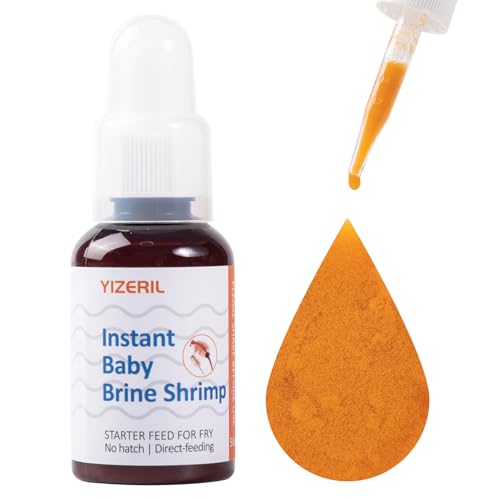
Instant Baby Brine Shrimp Fry Food 50ml

Capuca Ultrathin Tropical Fish Flakes 8 OZ

Aquatic Foods Krill Spirulina Flake 1/4-lb

JADINGSFARM Freeze Dried Bloodworms 3.5 oz
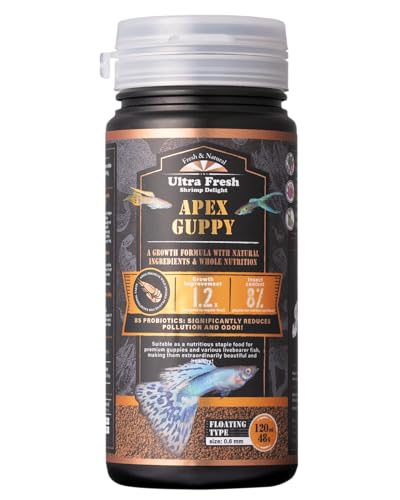
Ultra Fresh Apex Guppy Food 1.69oz

Ultra Fresh Apex Guppy Food 4.23oz

Aquatic Foods Community & Tropical Flakes 1.30oz
More Details On Our Top Picks
Anyone who has hatched live brine shrimp knows the routine: saltwater mix, air pump, 24 hours of waiting, then separating shells from nauplii over a bright lamp. This yizeril bottle skips that entire ritual. The baby brine shrimp arrive ready to feed, so a dropper squeeze at the glass gets newborn guppy fry eating within seconds of spotting them.
The liquid format matters most during the first week of life, when fry mouths are tiny and crushed flake often goes untouched. Astaxanthin, a natural pigment compound that supports color development, plus added vitamins round out the profile. A triple sterilization process lets the bottle sit at room temperature rather than hogging fridge space.
Strong Points
- No hatching equipment needed, which saves counter space and roughly a day of prep per batch.
- Dropper dosing puts food exactly where fry school, cutting waste that would otherwise foul the water.
- High protein content supports the fast early growth window guppies are known for.
- Works across freshwater and saltwater species, so one bottle covers a betta grow-out tank too.
- Sterilized formulation stores without refrigeration between spawns.
Things To Consider
- The 50ml volume disappears quickly in a busy breeding setup, so heavy spawners may want two bottles on hand.
- Liquid foods can cloud water when overdosed; owners commonly report best results with small, frequent squirts.
Key Specs
Who It Suits Best
Breeders raising guppy or betta fry who want live-food nutrition without the hatching hassle.
Where Another Pick Suits Better
Keepers feeding adult colonies daily will get more mileage from the Capuca Ultrathin Tropical Fish Flakes 8 OZ instead.
Where the yizeril bottle targets newborns, this capuca tub handles the whole tank. The ultrathin flake cut is the detail worth noticing: thin flakes sink slowly and shatter easily, so both surface-feeding guppies and mid-water tetras get a share before anything hits the gravel. An 8-ounce supply comfortably feeds a modest community tank for months.
The ingredient list leans on Antarctic krill and spirulina, an algae rich in carotenoids that deepen red and orange tones. Probiotics in the blend help break down waste and leftover residue, which translates into fewer water changes over time. That combination makes this a sensible single-tub answer for mixed-species aquariums.
What We Like
- Ultrathin flakes suit small guppy mouths better than thick generic flakes.
- Krill and spirulina work together on color depth in reds and oranges.
- Added probiotics support cleaner water between maintenance days.
- Large 8-ounce format means fewer reorders for multi-tank keepers.
Worth Noting
- Flake containers lose freshness once opened, so sealing the lid tightly after each feeding preserves the oils.
- You may find the tub bulky on a narrow shelf next to smaller canisters.
Feature Snapshot
Right Fit For
Community tank owners running guppies alongside tetras, angelfish, or zebra danios who want one reliable staple.
Consider Something Else When
Fry-focused breeders should reach for the Instant Baby Brine Shrimp Fry Food 50ml, since flakes rarely suit week-old mouths.
This Aquatic Foods Inc. listing plays the bulk game. A quarter-pound bag holds roughly eight times the capuca tub’s content, and the brand sells it in 4-ounce and 8-ounce sizes too, so you can scale up as your colony grows. The formula centers on krill meal and spirulina, the same color-supporting pair found in pricier blends.
The brand sifts its flakes before shipping to strip out dust and crumbled fragments, a step that matters more than it sounds. Fine powder drifting through a tank feeds nothing and clouds everything, so pre-sifted bags tend to start cleaner. In our view, this is the practical choice for anyone feeding several tanks from one stash.
Highlights
- Quarter-pound quantity stretches far for multi-tank setups.
- Krill and spirulina base mirrors costlier color formulas.
- Pre-shipping sifting reduces dusty fines in the bag.
- Multiple pack sizes let you match supply to colony size.
Trade Offs
- Bag packaging seals less airtight than a screw-top canister, so decanting into a jar protects freshness.
- Color-enhancing claims rest on the ingredient list rather than published analysis figures.
Best Suited To
Budget-minded hobbyists stocking several guppy or livebearer tanks who buy food a few times a year.
A Better Fit Elsewhere
Single-tank keepers who prefer a resealable lid will find the Capuca Ultrathin Tropical Fish Flakes 8 OZ more convenient.
Every guppy keeper eventually meets a fish that ignores flake entirely, and bloodworms are the classic fix. These JADINGSFARM worms are frozen at peak freshness, then freeze dried, a process that removes moisture while keeping the flavor and nutrient profile close to live food. Even shy or newly shipped fish tend to strike at them fast.
The 3.5-ounce jar is generous by supplement standards, since bloodworms work best as a treat two or three times weekly rather than a daily staple. There are no additives or preservatives listed, just the worms themselves, which suits keepers who read labels closely. Cichlids, goldfish, and turtles can share the jar in mixed-animal homes.
Bright Spots
- Freeze drying locks in the taste that triggers reluctant feeders.
- Protein, minerals, and multivitamins support conditioning ahead of breeding.
- Clean label with no artificial flavors or preservatives.
- One jar serves freshwater and saltwater tanks alike.
Minor Gripes
- As a rich supplement, overfeeding commonly leads to digestive trouble, so portion discipline is essential.
- Rehydrated worms can stick to glass and decor; a quick rinse before feeding limits the mess.
At A Glance
Who Will Love This
Keepers conditioning adult guppies for breeding, or coaxing fussy new arrivals onto prepared food.
Look Elsewhere When
Daily staple feeding calls for a flake like the Aquatic Foods Community & Tropical Flakes 1.30oz, which balances better over time.
Most tropical foods are built for every fish, then adapted to guppies. This Ultra Fresh Apex formula runs the other direction, built around wild sword prawns, sardines, anchovies, garlic, spirulina, and seaweed with tubifex worm layered in. All the protein comes from named meat and algae sources rather than generic meals or byproducts.
The vitamin spread is unusually wide for a small canister: A, C, D3, E, and the full B complex, plus fresh reishi. That stack aims at metabolism and immunity alongside color, and the brand notes natural coloring without unwanted discoloration. One honest caveat: the 1.69-ounce size suits trial runs, and committed keepers usually graduate to the larger tub.
Reasons To Buy
- Guppy-focused recipe rather than a generic tropical blend.
- Tubifex worm addition boosts palatability for hesitant eaters.
- No artificial colors, flavors, or byproducts in the mix.
- Broad vitamin panel supports immunity and steady metabolism.
- Garlic and seaweed add nutrients most staples skip.
Points To Note
- The small canister empties fast in a breeding colony; plan on the 4.23-ounce version for daily use.
- Premium ingredients mean a higher cost per ounce than bulk flakes.
Quick Facts
Perfect Match For
Hobbyists chasing show-grade finnage and color who treat diet as part of the breeding program.
Skip It When
Value-first keepers feeding large mixed schools will prefer the Aquatic Foods Krill Spirulina Flake 1/4-lb on cost alone.
Same recipe, bigger canister. This 4.23-ounce version carries the identical sword prawn, sardine, anchovy, and tubifex formula as the 1.69-ounce Apex above, so the only real decision is supply length. Guppies fed twice daily burn through small containers quickly, and the larger size roughly matches the rhythm of a typical reorder cycle.
Everything said about the smaller tub applies here: named meat proteins, no artificial colorants, the full B-complex lineup, and fresh reishi in the blend. The trade-off is upfront commitment. You may find it sensible to start with the small canister to confirm your colony takes to it, then shift to this size once feeding response proves consistent.
Plus Points
- Identical premium formula at a more economical per-ounce rate.
- Feeds a breeding colony for noticeably longer between orders.
- Same wide vitamin and reishi support as the flagship size.
Small Caveats
- Larger opened containers gradually lose aroma potency, so a cool, dark cupboard slows that decline.
- First-time buyers of the brand commit to more food before confirming their fish accept it.
Built With In Mind
Established guppy keepers already sold on the Apex formula who feed daily and hate running dry.
Another Choice May Suit
Unsure newcomers should sample the Ultra Fresh Apex Guppy Food 1.69oz first before upsizing.
Busy community tanks are awkward to feed because bottom dwellers ignore floating flake while top swimmers ignore sinking wafers. This Aquatic Foods Inc. canister solves that with one purchase: a base flake, a 12-type pellet mix, and a 4-type wafer mix packed together. Guppies take the flake, corydoras and loaches work the wafers, and mid-level fish chase the pellets.
Like the brand’s bulk krill flake earlier in this list, every component is sifted before shipping to remove dust and broken fragments. The 1.30-ounce canister is a starter size, with 2.65-ounce and 7-ounce versions available as your stock list grows. Nothing flashy here, just a tidy answer to the one-jar-per-species problem.
Best Bits
- Three food formats cover every swimming level in the tank.
- Pre-sifted contents reduce cloudy dust on opening.
- Explicitly formulated for guppies, livebearers, loaches, and catfish together.
- Scalable sizes suit growing collections.
Honest Caveats
- The smallest canister suits only one or two tanks; heavier stocking demands the 7-ounce option.
- Jacks-of-all-trades blends rarely maximize color the way dedicated krill or astaxanthin formulas do.
Core Details
Whose Shelf It Belongs On
Owners of mixed community aquariums who want one canister instead of five separate products.
Swap It Out When
Color-focused guppy displays get better results from the Ultra Fresh Apex Guppy Food 4.23oz formula.
What Matters Most Before Choosing Fish Foods For Guppies
Match The Food To Life Stage
Adult guppies thrive on a flake or micro-pellet staple fed once or twice daily, while fry under four weeks old need finely divided, protein-heavy food they can actually fit in their mouths. Buying one product for both jobs usually means the fry go underfed. Breeders do best pairing a staple with something like instant brine shrimp.
Read The First Three Ingredients
Ingredient lists run in descending order by weight, so the opening entries tell you whether protein comes from named sources such as krill, prawn, or anchovy, or from vague fillers. Guppies are omnivores, but meat-forward openings generally support faster growth and richer color than grain-heavy blends.
Consider Water Impact
Every uneaten flake becomes ammonia, and guppy tanks are often small and heavily stocked. Formulas with probiotics, slow-sinking flakes, or precise dosing formats reduce leftovers reaching the substrate. Heavily planted tanks forgive more; bare breeding tanks forgive almost nothing.
Balance Cost Against Colony Size
A 1.69-ounce canister lasts weeks for five fish and months for none in a 40-fry grow-out. Work backward from how many mouths you feed daily, then choose container size accordingly, since opened food loses nutritional punch over time regardless of brand.
Key Considerations Across These Picks
Traps First Timers Fall Into
The classic error is buying one giant tub of cheap flake and calling the diet done. Guppies need variety: a staple, a color enhancer, and an occasional protein treat produce visibly better results than any single product. Overfeeding is the second trap, since excess food degrades water faster than any formula can compensate.
What Separates Premium From Basic
Higher-tier foods spend their budget on named animal proteins, natural pigments like astaxanthin and spirulina, and complete vitamin panels instead of filler meals. That difference shows up in fin condition and breeding success over months. Casual keepers with a handful of fish may never notice; serious hobbyists usually do.
Bottom Line
Feeding guppies well comes down to matching the food to the job: a dependable flake for daily life, a targeted formula for color and growth, and a treat that wakes up reluctant eaters. Any of the seven above covers its lane honestly, and the right choice depends mostly on whether you run one display tank or a full breeding rack. Start with the scenario that sounds most like yours, and your fish will tell you within a month whether the menu works.
