

Anyone keeping a leopard gecko knows the floor of the tank matters more than almost any other accessory. The wrong bedding can cause impaction, harbor bacteria, or turn a weekly clean into an all-day chore. This shortlist covers washable liners, coconut fiber options, cypress mulch, and one bioactive blend, so you can match the substrate to your setup and your cleaning habits.
The Shortlist At A Glance

Helidrago Leopard Gecko Tank Liner Mat

Fluker’s Loose Coconut Fiber Bedding 5QT

Legigo 4 Pack Coconut Fiber Substrate

Legigo 2 Pack Coconut Fiber Substrate

ZeeDix 10 Pcs Reptile Carpet 12×12 Inch Mats

Fluker’s Premium Tropical Cypress Bedding 10 Pound
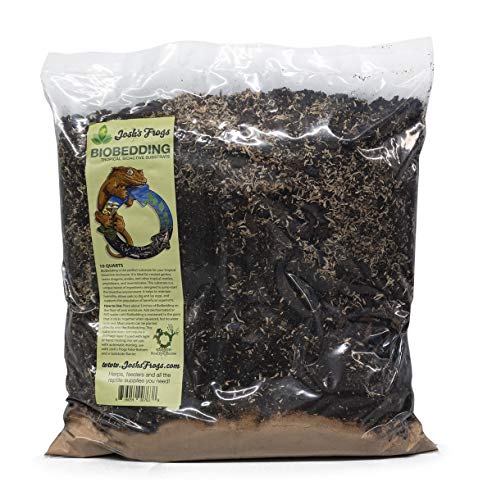
Josh’s Frogs BioBedding Tropical Bioactive Substrate

Halatool 2 Pack Compressed Coconut Fiber Substrate
More Details On Our Top Picks
A flat mat beats loose bedding in one big way: nothing goes in your gecko’s mouth by accident. The Helidrago liner lays across the tank floor like a fitted sheet, sized for common enclosures from 20 up through 75 gallons. Its textured surface gives your gecko traction while it hunts and climbs, which matters more than most new keepers expect.
Spot cleaning takes seconds with this setup. Wipe the mess, rinse the whole mat when needed, and lay it back down. For anyone juggling work schedules with pet care, that convenience is the real selling point.
Strong Points
- No ingestion risk since there are no loose particles your gecko can swallow during feeding time
- The textured finish helps prevent slips and the joint strain that comes with them
- Rinses fully clean, so a monthly deep wash replaces constant substrate replacement
- Fits a wide range of standard tank sizes without trimming
Things To Consider
- You’ll want a spare mat on hand so one can dry while the other stays in service
- It won’t hold humidity the way loose fiber does, which limits its role in moist hides
Who Should Grab It
Busy keepers running a simple dry setup who want the fastest possible cleaning routine.
Where A Sibling Pick Shines
Keepers needing moisture retention inside a humid hide will get better results from Fluker’s Loose Coconut Fiber Bedding instead.
Coconut fiber, often sold as coco coir, is shredded husk material that holds water without rotting quickly. Fluker’s version arrives loose and ready to spread, which saves you the soaking step compressed bricks demand. That makes it a strong candidate for the humid side of a leopard gecko enclosure, where shedding support matters most.
The brand has been in reptile supplies for decades, and this bedding reflects that experience. It absorbs moisture steadily and breaks down slowly, so a single bag stretches further than you might expect in a small hide box.
What We Like
- All-natural coconut husks with no added fillers or dyes
- Retains moisture well enough to stabilize humidity in tropical-style hides
- Resists decay, meaning fewer full changes compared with soil-based bedding
- Works double duty for arachnids and amphibians if your collection grows
Worth Noting
- Loose fibers can cling to feeder insects, so feeding outside the hide reduces accidental swallowing
- Damp coir needs periodic stirring to prevent compaction at the bottom layer
Right Fit For
Intermediate keepers who maintain a dedicated humid hide and don’t mind light weekly upkeep.
Another Choice May Suit
Beginners who prefer zero loose particles should lean toward the Helidrago Tank Liner Mat covered above.
Four bricks beat two when you run more than one enclosure or simply hate reordering. Each Legigo brick measures roughly 7.87 by 3.94 by 1.97 inches and weighs about 1.4 pounds before expansion. Soak one in warm water and it fluffs into a generous volume of usable coir within minutes.
Compared with the single-bag Fluker’s option earlier in this list, the trade here is preparation time versus shelf life. Bricks store compactly for months, which suits keepers who buy bedding in bulk once or twice a year.
Highlights
- Natural coco coir with good breathability once hydrated
- Compressed bricks take up minimal storage space between uses
- Four-pack quantity covers several substrate changes or multiple tanks
- Suitable for amphibians and invertebrates alongside lizards
Small Caveats
- Bricks need soaking and breaking apart by hand before first use, adding prep time
- Fiber quality can vary slightly between batches, a commonly reported quirk with compressed coir
Who It Suits Best
Multi-tank hobbyists and breeders who want a stockpile of natural bedding ready to hydrate on demand.
Swap It Out When
Single-tank owners will find the smaller Legigo 2 Pack covers their needs without leftover bricks sitting around.
This is the same Legigo coir formula as the four-pack, trimmed down for keepers with one gecko and one tank. Two bricks still deliver plenty of hydrated fiber for a standard 20-gallon long, including a deep humid hide refill. The smaller commitment also makes it a low-stakes way to test whether your gecko tolerates loose bedding well.
Storage stays simple too. The bricks tuck into a drawer until needed, unlike bulky bags of loose substrate that shed dust everywhere.
Upsides
- Natural coconut fiber that stays breathable after hydration
- Two-brick quantity matches typical single-tank change cycles
- Compact bricks mean no messy bags cluttering your supply shelf
Points To Note
- Hydration takes planning, since each brick needs a soak before it’s usable
- Heavy use across several tanks will burn through two bricks quickly
Made For
New leopard gecko owners setting up their first enclosure who want natural bedding without overbuying.
Reach For A Different Pick When
Keepers managing three or more enclosures should step up to the Legigo 4 Pack for better coverage per order.
Ten mats in one package changes the cleaning math entirely. Each ZeeDix square measures 12 by 12 inches, so two or three tiles cover a standard tank floor with spares rotating through the wash. Pull out a soiled tile, drop in a fresh one, and the tank never sits bare.
The coconut fiber construction breathes well and holds a little moisture, sitting somewhere between the Helidrago liner’s wipe-clean surface and true loose coir. Owners commonly report these mats also pull duty as nesting box liners and garden mulch, which softens the cost per piece considerably.
Bright Spots
- Ten-piece set supports a continuous swap-and-wash rotation
- Natural coconut fibers offer decent airflow under the mat
- Versatile enough for poultry nesting boxes or plant beds around the house
- Modular tiles let you cover only the zones that need flooring
Softer Spots
- Edges may fray over repeated washing cycles, a widely reported wear pattern with cut fiber mats
- Standard sizing means seams can shift unless you anchor tiles under heavy decor
Whose Shelf It Belongs On
Keepers who clean weekly and want a hygienic rotation system without buying a custom-cut liner.
Not Your Match When
Large custom enclosures needing seamless coverage fit the Helidrago Tank Liner Mat better than modular squares.
Cypress mulch consists of shredded cypress wood, milled twice here for a finer, less splintery texture than cheap bagged mulch. That finer cut matters because chunky bark pieces are exactly what causes impaction trouble in geckos that strike at moving prey. Ten pounds fills a substantial enclosure or lasts through many partial top-ups.
Its flexibility is the headline. Mist it lightly for tropical species, keep it dry for desert dwellers, and the same bag serves both ends of your collection. In our view, that adaptability justifies its place over single-purpose coir for mixed-species homes.
Reasons To Buy
- Twice-milled texture reduces sharp edges and oversized chunks
- Performs in both high-humidity and arid habitat styles
- Generous ten-pound volume stretches across multiple changes
- Wood chips give the tank a naturalistic look coir can’t match
Trade Offs
- Loose chips require spot checks after feeding sessions near the floor
- Damp cypress needs occasional turning to stop the lower layer going sour
Best Suited To
Experienced keepers housing frogs, snakes, and lizards together who want one versatile bedding across habitats.
Consider Something Else When
Purely gecko-focused dry setups stay simpler with the Helidrago liner, which removes loose particles from the equation entirely.
Bioactive means the substrate runs a living cleanup crew. Springtails and isopods, tiny beneficial invertebrates you add yourself, break down waste inside the tank so the floor largely maintains itself. Josh’s Frogs formulated this ten-quart blend specifically to sustain that cycle, and the brand’s vivarium pedigree shows in the mix quality.
Done right, you may go years without a full substrate change. Live plants root happily in it too, replacing plastic hides with safer greenery. The honest caveat: bioactive setups reward patience and research, and they punish shortcuts.
Standout Traits
- Microfauna compatibility means dramatically fewer full substrate swaps over the years
- The bioactive cycle processes waste naturally, supporting a cleaner habitat overall
- Blended texture replicates native forest-floor conditions more convincingly than plain coir
- Roots establish readily, opening the door to a fully planted vivarium
Honest Caveats
- You must source and seed springtails or isopods separately for the system to function
- Initial setup costs and learning curve exceed every conventional option on this list
Who Will Love This
Dedicated hobbyists building planted, self-sustaining vivariums who enjoy the ecosystem side of the hobby.
Skip It When
First-time owners wanting a straightforward floor should start with the Halatool compressed bricks below instead.
Halatool ships two compressed bricks of pure coconut husk fiber, each about 1.4 pounds, marketed directly toward leopard gecko keepers. Hydrated, the pair fills roughly a 4-gallon terrarium, which covers a humid hide plus partial floor coverage in a standard tank. The fiber arrives cleaned, with no dirt or foreign debris mixed in.
Against the Legigo bricks reviewed earlier, the differences come down to positioning rather than format. Both compress similarly; Halatool leans harder into the gecko-specific angle, and the cleaned fiber gives sensitive reptiles a gentler first contact.
Plus Points
- Pre-cleaned fiber means no rinsing stage before first use
- Bricks expand quickly into soft, humidity-friendly bedding
- Reusable material keeps long-term costs down across changes
- Two-brick pack suits modest enclosures without surplus leftovers
Minor Gripes
- Total expanded volume falls short for large 40-gallon-plus floors in one go
- Like all loose coir, it demands vigilance around feeding time to avoid swallowed fibers
The Right Fit
Budget-conscious first-time gecko owners who want clean, natural bedding in a manageable quantity.
Look Elsewhere When
Planted-vivarium builders chasing a living substrate will find Josh’s Frogs BioBedding far better matched to that goal.
What Matters Most Before Choosing Leopard Gecko Substrates
Safety Comes Before Looks
Loose particles pose an impaction risk, a blockage caused when a gecko swallows indigestible material. Younger geckos and enthusiastic hunters face the highest exposure, so solid liners or careful feeding practices matter most early on. Natural materials without added dyes or chemicals reduce unknown variables further.
Match The Bedding To Your Cleaning Style
A washable mat rewards keepers who prefer quick wipes over full substrate changes. Loose coir and cypress suit those comfortable with scooping, stirring, and periodic replacement. Honest self-assessment here prevents the abandoned-tank problem that plagues busy households.
Humidity Needs Vary By Zone
Leopard geckos need a dry main floor but benefit from a moist hide for shedding. Coir excels in that hide; liners excel everywhere else. Many experienced keepers combine both rather than committing to a single material.
Quantity And Storage Reality
Compressed bricks store for months and expand on demand, while loose bags demand shelf space and shed dust. Bulk packs lower the per-use cost but only pay off across multiple tanks or frequent changes.
Key Considerations Across These Picks
Traps First Timers Fall Into
The classic error is choosing bedding on appearance alone. Colorful sands and gravel look appealing yet carry real impaction risk for geckos. Another slip is skipping the spare: one washable mat means downtime during every cleaning, so budget for a backup.
Where The Extra Money Goes
Premium blends like bioactive substrates cost more because they’re engineered systems, not just ground cover. You’re paying for sustained microfauna cycles, plant-ready composition, and years between changes. Casual keepers rarely recoup that investment; dedicated vivarium builders usually consider it money well spent.
Frequently Asked Questions
How often should leopard gecko substrate be changed?
Solid liners need rinsing whenever soiled and a deeper wash monthly. Loose bedding typically warrants a full replacement every one to three months depending on spot-cleaning diligence.
Is sand safe for leopard geckos?
Loose calcium sand carries a well-documented impaction risk, especially for juveniles. Most experienced keepers recommend liners, tile, or carefully managed natural fiber instead.
Can I mix different substrates in one tank?
Yes, and it’s actually common practice. A dry liner across the main floor paired with coconut fiber inside a humid hide covers both needs cleanly.
Do leopard geckos need a humid hide?
They do, particularly around shedding periods. Dampened coconut fiber inside a covered hide box provides the localized moisture a full-tank substrate change cannot.
Are bioactive setups suitable for leopard geckos?
They can be, though leopard geckos’ arid preferences make tropical bioactive blends a better match for related species. Research microfauna care thoroughly before committing.
Closing Thoughts
Your gecko spends its entire life on whatever you put at the bottom of that tank, so the choice deserves more thought than it usually gets. Solid liners win on safety and speed, coconut fiber wins on humidity control, and bioactive blends win on realism for those willing to learn. Start with your cleaning habits, add your tank size, and the right pick from this list becomes obvious. Your gecko will thank you in its own quiet way.
