

Dogs with bilious vomiting syndrome tend to bring up yellow foam on an empty stomach, usually first thing in the morning or late at night. The fix often starts in the bowl: smaller, low-fat, easily digested meals fed at steadier intervals keep stomach acid from building up with nothing to work on. That’s the problem this list solves. Below you’ll find nine options, from prescription wet stews to bland-diet cans and a soothing drop supplement, matched to different dogs, budgets, and vet guidance levels.
The Shortlist At A Glance

Hill’s i/d Low Fat Digestive Care Wet Dog Food
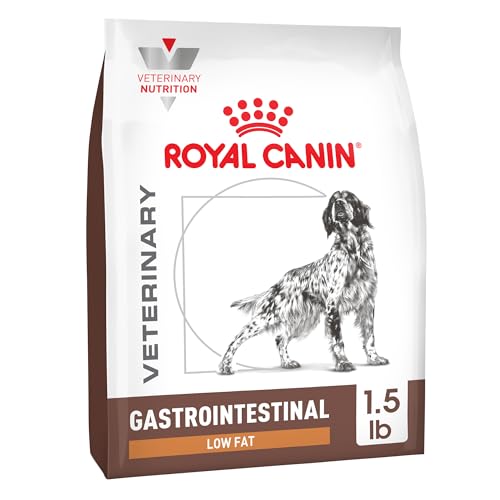
Royal Canin GI Low Fat Dry Dog Food 1.5 lb

Dave’s Pet Food Bland Diet Chicken & Rice 12 pk

Weruva Belly Belly Nice! Digestive Support Cups
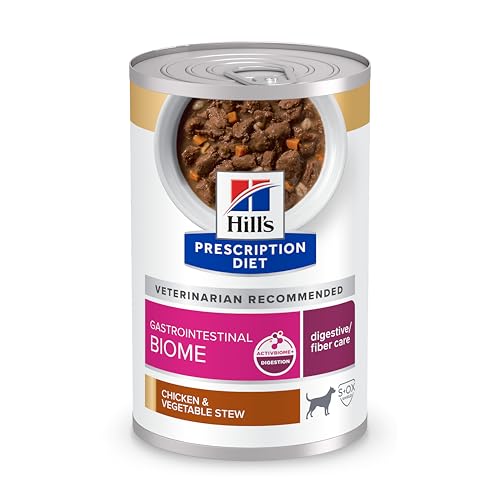
Hill’s GI Biome Digestive/Fiber Care Wet Food

Hill’s Science Diet Perfect Weight & Joint Dry Food

T-Relief Pet Digestive GI Relief Drops 1.69 oz

VICTOR Sensitive Skin & Stomach Salmon & Rice 5 lb

SquarePet Hydrolyzed Protein Skin & Digestive Support Pork
More Details On Our Top Picks
Fat is the trigger most likely to set off an empty-stomach vomit episode, which is why a genuinely low-fat formula sits at the top of this list. This canned stew from Hill’s was developed by the brand’s nutritionists and veterinarians specifically for digestive upset, pairing highly digestible ingredients with a rice, vegetable, and chicken base that goes down easy.
In a real household, that translates to something you can spoon out at 6 a.m. before the walk, when bile buildup tends to peak. The stew texture also tempts dogs whose appetite dips during rough patches, a common frustration with dry kibble.
Strong Points
- Low-fat formulation aimed directly at settling digestive upsets
- Soft stew consistency suits morning feedings and reluctant appetites
- Multiple can sizes, from 5.5 oz multipacks up to 13 oz cans, match small and large dogs
- Backed by Hill’s therapeutic nutrition team rather than a generic recipe
Things To Consider
- Prescription positioning means a vet conversation comes first for many owners
- Canned food costs more per serving than kibble over a month of feedings
Key Specs
Who It Suits Best
Dogs in active flare-ups whose vet has recommended a therapeutic low-fat diet, especially those fed early mornings or late evenings.
Where A Sibling Pick Shines
Owners wanting a non-prescription stopgap will find Dave’s Pet Food Bland Diet Chicken & Rice easier to start with right away.
Where the Hill’s stew handles the acute phase, Royal Canin’s Gastrointestinal Low Fat kibble is built for the long haul. It targets dogs that struggle to digest or tolerate fat, layering prebiotics and a blend of dietary fibers into the kibble itself to help maintain a balanced gut bacterial population. That matters because a stable microbiome is what keeps digestion predictable week after week.
The 1.5 lb bag deserves special mention. Small trial bags let you confirm your dog tolerates the recipe before committing to the 28.6 lb size, which owners of large breeds will eventually want for cost reasons. Kibble also stores more easily than cans, no refrigeration, no half-open tins drying out in the fridge.
What We Like
- Prebiotic and multi-fiber blend supports steady gut function
- Five bag sizes from 1.5 lb to 28.6 lb suit trial runs and bulk buying alike
- Dry format simplifies storage and measured portioning for split daily feeds
Worth Noting
- Kibble alone won’t suit dogs with dental issues or very poor appetite during episodes
- The smallest bag runs out fast for medium and large dogs
Made For
Adult dogs needing an ongoing low-fat maintenance diet once the acute vomiting phase has settled.
Consider Something Else When
A dog refusing dry food during recovery does better on the Hill’s i/d Low Fat stew reviewed above.
Every dog owner eventually faces a 2 a.m. cleanup and a next-day scramble for plain chicken and rice. Dave’s Pet Food bottles that classic bland approach into a shelf-stable can, with a simple chicken and white rice recipe carrying just 6% crude fat. For dogs prone to diarrhea, gas, or stomach upset, that stripped-back profile is exactly the point.
No prescription stands between you and the pantry here, which makes the 12-pack a sensible thing to keep on hand before trouble starts. The trade-off shows up in scope: this is short-term supportive feeding, not a complete long-term therapeutic program, so plan transitions back to regular food once things calm down.
Highlights
- Only 6% crude fat for gentle digestion during flare-ups
- Available without a prescription, ready when you need it
- Twelve 13.2 oz cans cover a full bland-diet stretch for most dogs
- Brand offers lamb, turkey, and other specialty recipes if chicken doesn’t agree
Minor Gripes
- Intended as transitional feeding rather than permanent nutrition
- Open cans need refrigeration and get used quickly
At A Glance
Right Fit For
Budget-minded households managing occasional episodes who want a vet-style bland diet waiting in the cupboard.
Not Your Match When
Dogs needing a fully balanced long-term diet should move to Royal Canin GI Low Fat kibble once recovered.
Variety is the quiet weapon against fussy eaters, and this ten-cup variety pack leans into it. Four different digestive-support recipes come mixed in one box, each built around pumpkin, quinoa, and inulin, a prebiotic fiber that feeds beneficial gut bacteria. Pumpkin in particular is a longtime home remedy for loose stools, so its presence here fits the brief naturally.
The 3.5 oz cup format earns its keep in small kitchens and travel bags alike: peel, serve, done, with no leftovers spoiling in the fridge. All recipes are grain-free and carrageenan-free, details worth checking if you’ve been reading labels closely. One honest caveat, these cups skew small, so bigger dogs go through the box quickly and the per-ounce math favors smaller breeds.
Upsides
- Pumpkin, quinoa, and inulin target digestive health directly
- Four recipes in one pack keep uninterested eaters engaged
- Single-serve cups eliminate storage waste and measuring guesswork
- Grain-free, gluten-free, carrageenan-free formulations
Small Caveats
- 3.5 oz portions mean multiple cups per meal for large dogs
- Not a therapeutic diet, better as a topper or rotation option
Who Will Love This
Owners of small or picky dogs who want gentle, interesting meals without committing to a full case of one flavor.
Look Elsewhere When
A diagnosed condition calls for Hill’s GI Biome, whose fiber system is designed for clinical digestive support.
Some dogs don’t just vomit; their whole digestive rhythm runs irregular, alternating loose stools with sluggish ones. Hill’s built GI Biome for exactly that pattern. Its ActivBiome+ ingredient technology is designed to rapidly activate beneficial gut bacteria, while an optimally balanced mix of soluble and insoluble fibers promotes regular bowel movements. Soluble fiber dissolves and feeds gut microbes; insoluble fiber adds bulk that keeps things moving.
High levels of omega-3 fatty acids, specifically DHA and EPA, round out the formula. Compared with the i/d Low Fat stew earlier in this list, this one trades the ultra-low-fat angle for microbiome and stool regularity, so the two aren’t interchangeable. Your vet’s read on your dog’s specific pattern should decide between them.
Bright Spots
- ActivBiome+ technology supports a balanced GI microbiome
- Balanced soluble and insoluble fibers promote consistent stools
- Rich in DHA and EPA omega-3 fatty acids
- Chicken and vegetable stew format appeals to hesitant eaters
- Developed by Hill’s nutritionists and veterinarians for GI care
Points To Note
- Prescription positioning requires veterinary sign-off before switching
- Higher price tier than everyday sensitive-stomach foods
Quick Facts
Best Suited To
Dogs whose vet has flagged irregular stools alongside vomiting, where fiber balance matters as much as fat content.
Swap It Out When
Fat tolerance is the primary concern, and the Hill’s i/d Low Fat stew remains the more targeted choice.
Extra body weight puts real pressure on a dog’s digestive system, and overweight dogs show up disproportionately in discussions of reflux-type symptoms. This Science Diet recipe attacks both problems at once: a breakthrough formula targeting the unique cell function of overweight pets to support healthy metabolism and body weight, plus clinically tested omega-3 rich fish oil for hips and joints.
It’s a mainstream kibble rather than a prescription diet, which keeps it accessible for maintenance feeding. The honest framing: this isn’t a treatment for active bilious vomiting, it’s a sensible foundation for the overweight dog whose episodes seem tied to weight and metabolism. Bag sizes run from 3.5 lb up to 25 lb, covering everything from apartment beagles to backyard Labradors.
Reasons To Buy
- Formula designed to support healthy metabolism and body weight
- Omega-3 fish oil supports joint comfort and mobility
- Three bag sizes fit small apartments and multi-dog homes
- Widely available without a prescription
Softer Spots
- Not formulated specifically for digestive upset or low-fat requirements
- Weight results depend on strict portion control by the owner
Whose Shelf It Belongs On
Overweight adult dogs needing combined weight and joint support as part of a broader digestive management plan.
Another Choice May Suit
Dogs with confirmed fat intolerance belong on Royal Canin GI Low Fat instead of a general weight formula.
Food is only half the toolkit. MediNatura’s T-Relief drops take a complementary route, combining soothing aloe with thirteen plant-based and mineral homeopathic actives aimed at nausea, bloating, constipation, and loose stools tied to diet changes, emotional stress, or travel. The dropper bottle slips into a glovebox or jacket pocket, which is precisely where car-sick dogs need it.
The formula is positioned as gentle enough to sit alongside a pet’s existing prebiotic or probiotic routine, useful for households already running gut-support supplements. Fair warning on expectations: homeopathic products divide opinion, and results vary dog to dog, so treat this as a supporting player beside dietary changes rather than the headline fix. At 1.69 oz, one bottle lasts a good while at typical dosing.
Plus Points
- Aloe plus thirteen plant-based actives for multi-symptom GI discomfort
- Addresses stress and motion-related nausea, not just food triggers
- Compatible with existing prebiotic and probiotic routines
- Pocket-sized bottle travels well for road trips and vet visits
Honest Caveats
- Homeopathic approach means outcomes differ noticeably between dogs
- Liquid dosing takes patience with squirmy or suspicious pets
Who Should Grab It
Owners of anxious or travel-prone dogs seeking a gentle add-on to pair with a low-fat feeding routine.
Reach For A Different Pick When
The core problem is dietary, and Dave’s Bland Diet cans deliver more direct nutritional relief.
Chicken is the most common protein allergen in dogs, and plenty of sensitive-stomach formulas still lean on it. VICTOR skips it entirely. Salmon meal leads the ingredient list here, paired with brown rice and gluten-free grains, while added prebiotics and probiotics strengthen gut health and nourish the microbiome. Omega-3, omega-6, and vitamin E round things out for skin and coat.
The brand’s proprietary VPRO blend of supplements, vitamins, and minerals appears across its lineup, aimed at digestibility and immune function regardless of breed or activity level. Owners commonly report the kibble suiting itch-prone dogs well, which tracks with the no-chicken, no-gluten design. As a complete and balanced everyday food, it fills the gap between bland diets and prescription formulas nicely.
Standout Traits
- Salmon meal is the first ingredient, no chicken anywhere in the recipe
- Fortified with prebiotics and probiotics for digestion and immunity
- Gluten-free grains suit allergy-prone dogs
- Omega fatty acids and vitamin E support skin and coat condition
- Protein percentages published openly on the bag
Areas To Watch
- Not a reduced-fat formula, fat-sensitive dogs still need a dedicated diet
- Salmon scent is noticeable, some finicky dogs take time to adjust
Feature Rundown
The Right Fit
Dogs whose stomach troubles come bundled with itchy skin or suspected chicken sensitivity.
Skip It When
Your vet has prescribed a strictly low-fat regimen, where SquarePet’s hydrolyzed formula or a prescription diet fits better.
Hydrolyzed protein sounds technical until you learn the trick: the protein is broken into fragments so small the immune system struggles to recognize it as a trigger. Veterinary hydrolyzed diets usually require a prescription, and SquarePet’s veterinarian-formulated alternative skips that step entirely, pairing the hydrolyzed pork protein with a limited ingredient list and one primary carbohydrate source.
Omega-3 and omega-6 fatty acids including DHA and EPA support skin, coat, immune function, and brain health, which explains why the brand positions this for hot spots and itchiness alongside digestive concerns. For dogs whose vomiting seems tangled up with food sensitivities, this bridges the gap affordably. The 22 lb bag rewards larger dogs; the 4.4 lb size handles trials.
Positives
- Hydrolyzed protein helps limit skin and GI reactions to common proteins
- Available without a prescription at a friendlier cost than clinic diets
- Limited ingredient recipe with a single primary carbohydrate source
- DHA and EPA support coat quality and immune health
Trade Offs
- Transition onto hydrolyzed diets should be gradual to avoid new upset
- Pork flavor won’t appeal to every dog immediately
Spec Overview
Built With In Mind
Dogs with suspected food sensitivities driving both digestive upset and skin irritation, managed under veterinary guidance.
Where Another Pick Suits Better
Confirmed fat intolerance points back to the Hill’s i/d Low Fat stew rather than a hydrolyzed formula.
Choosing Wisely For A Queasy Stomach
Fat Content Comes First
Fatty meals linger in the stomach longer, giving acid more time to build and more reason to rebel. Low-fat formulas, generally under 10% crude fat for wet food, give the stomach less to fight about. Check the guaranteed analysis on every bag or can rather than trusting front-label claims.
Meal Timing Beats Any Single Ingredient
An empty stomach overnight is the classic setup for yellow morning vomit. Splitting the daily ration into three or four small meals, with a modest snack before bed, often matters as much as the food itself. A slow-feeder bowl adds a few minutes of pacing for gulpers.
Match The Formula To The Diagnosis
Vomiting with itchy skin suggests a sensitivity angle, pointing toward chicken-free or hydrolyzed recipes. Vomiting with irregular stools favors fiber-balanced therapeutic diets. Bring your observations to the vet; the pattern you describe at home shapes the recommendation far more than any product page can.
Transition Slowly, Always
Even the gentlest new food can provoke upset when swapped in overnight. Blend increasing amounts of the new food into the old across seven to ten days, watching stool quality and morning behavior as your guideposts along the way.
Key Considerations Across These Picks
Traps First Timers Fall Into
The most common slip is buying a “sensitive stomach” label without reading the fat percentage, since many such foods run moderate fat. Another is switching foods repeatedly during a flare-up, which resets progress each time. Stick with one change for at least a week before judging it.
When Paying More Pays Off
Therapeutic diets cost more because they’re built around specific mechanisms, targeted fiber systems, hydrolyzed proteins, controlled fat ceilings, developed with veterinary nutrition teams. For a diagnosed condition, that precision earns its premium. For an otherwise healthy dog with occasional morning queasiness, a well-chosen mid-tier option usually suffices.
Frequently Asked Questions
What causes bilious vomiting syndrome in dogs?
It typically happens when bile and stomach acids accumulate in an empty stomach, irritating the lining until the dog vomits yellow foam. Long gaps between meals, especially overnight, are the usual trigger.
Will a low-fat food really make a difference?
For many dogs, yes, because lower-fat meals empty from the stomach faster and provoke less acid response. Results vary, so pair the diet change with adjusted meal timing.
Do I need a prescription for these foods?
The Hill’s and Royal Canin therapeutic lines are positioned as prescription diets, so expect a vet conversation. Dave’s, Weruva, VICTOR, and SquarePet are available without one.
How long before I see improvement?
Many owners report calmer mornings within one to two weeks of smaller, low-fat, more frequent meals. Persistent vomiting beyond that window warrants a veterinary visit.
Can I mix wet and dry options?
Mixing works well, for example a morning serving of canned stew with kibble at midday. Just transition gradually and keep total daily calories consistent.
Wrap Up
Managing bilious vomiting rarely comes down to one heroic purchase; it’s the combination of the right formula, smarter meal timing, and a patient transition. Start with the profile that matches your dog, low-fat stew for flare-ups, kibble for maintenance, hydrolyzed recipes for sensitivity suspects, and loop in your vet before major switches. Steadier mornings are a realistic goal, and the right bowl is where they begin.
