

Fleas don’t wait for an invitation. One trip to the dog park or one stray cat under the porch, and suddenly your pet is scratching at 2 a.m. and your carpet is hosting a colony. A good spray handles the adults on your pet’s coat while interrupting the egg-and-larva cycle that keeps infestations coming back. This roundup covers seven options across different budgets, pet types, and ingredient philosophies, so you can match the formula to your household instead of guessing.
The Shortlist At A Glance
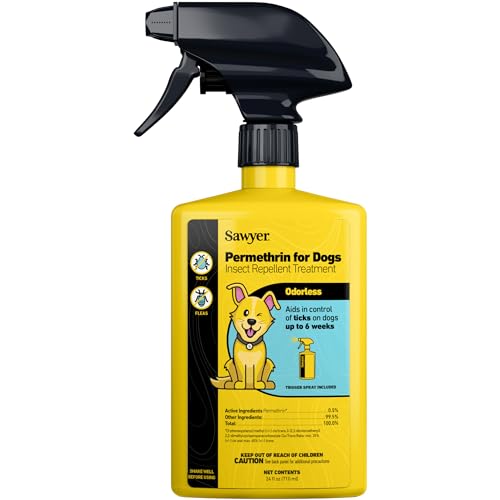
Sawyer SP624 Permethrin Insect Repellent Treatment for Dogs

Zodiac Flea & Tick Spray for Dogs & Cats 16 oz (Pack of 2)

ADAMS Plus Flea and Tick Spray 32 Fl Oz

Hartz UltraGuard Plus Cat Flea & Tick Spray 8 oz
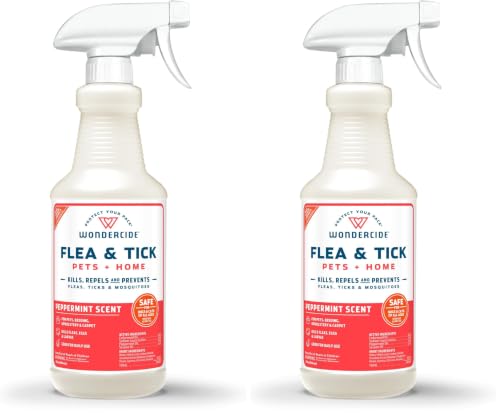
Wondercide Peppermint Flea & Tick Spray for Pets Plus Home

Adams Pet Spray + Shampoo Bundle

Hartz UltraGuard Plus Flea & Tick Spray for Dogs
More Details On Our Top Picks
Permethrin works differently from most sprays here: it’s applied to your dog’s coat and allowed to dry, then keeps working for weeks rather than hours. Sawyer lists tick control lasting up to six weeks, with fleas and lice covered for about 35 days. That timeline suits anyone whose dog runs through tall grass, wooded trails, or fields where deer ticks are a seasonal certainty.
The treatment is described as odorless once dry, which matters more than it sounds when your dog sleeps beside you. Unlike the contact sprays further down this list, this one isn’t a quick knockdown product, so plan application well before peak tick season.
Strong Points
- Weeks of residual protection mean far fewer reapplications during peak season.
- Odorless finish won’t linger on bedding or your hands after handling.
- Won’t harm fabrics or finishes, so accidental overspray near gear or furniture is less stressful.
- Covers lice alongside fleas and ticks, a bonus most competitors skip.
Worth Noting
- It’s a treatment, not an instant killer, so heavily infested dogs may need a faster-acting companion product.
- Permethrin products are generally intended for dogs only; cat owners should look elsewhere entirely.
At A Glance
Who It Suits Best
Dog owners in rural or wooded areas who want set-it-and-forget-it seasonal protection rather than weekly spraying.
Where Another Pick Suits Better
Cat households should reach for the Zodiac spray instead, since it’s formulated for both species including kittens.
Most sprays stop at adult pests. Zodiac pairs botanically derived pyrethrins, which knock down adult fleas and ticks quickly, with an insect growth regulator that prevents flea eggs from maturing. That two-front approach matters because adult fleas are only the visible fraction of an infestation; the eggs hiding in your carpet are what bring the problem back three weeks later.
The dual dog-and-cat labeling, extending down to puppies and kittens, makes this the most flexible option in the lineup. Two 16-ounce bottles per pack also means you’re not reordering mid-season, which multi-pet homes will appreciate given how fast a single bottle disappears across several animals.
Reasons To Buy
- Growth regulator breaks the flea life cycle instead of just treating symptoms.
- Labeled for dogs, cats, puppies, and kittens, so one product covers the whole house.
- Two-bottle pack stretches through a full season for multi-pet families.
Small Caveats
- Pyrethrin-based formulas require careful label adherence around young animals, so read age directions closely before use.
- You’ll still want to treat bedding and resting areas separately for best results.
Right Fit For
Households juggling both species who want lifecycle control without buying separate dog and cat products.
Consider Something Else When
Owners wanting plant-only ingredients will prefer the Wondercide peppermint spray, which leans on essential oils instead.
Adams built its reputation on no-nonsense pest control, and this 32-ounce jug reflects that. It starts working on contact, targets deer ticks specifically, and adds mosquito repellency, which the smaller Hartz bottles don’t attempt. Reinfestation control extends up to two months according to the manufacturer, giving you breathing room between applications.
The size is the real story. Compared to the 8-ounce Hartz cat spray earlier in spirit but later in this list, you get four times the volume, which translates to roughly a season of coverage for a large breed. Owners commonly report the trigger mechanism holds up fine with regular use, though storing the bottle upright avoids nozzle clogging over time.
Highlights
- Immediate action on fleas and ticks, including the deer ticks associated with Lyme disease transmission.
- Mosquito repellency adds value in humid southern yards.
- Up to two months of reinfestation control reduces your maintenance schedule.
- Labeled for dogs, cats, puppies, and kittens alike.
Things To Consider
- The 32-ounce size is overkill for a single small cat or apartment-dwelling pet.
- Conventional pesticide formula won’t suit shoppers seeking botanical ingredients.
Quick Facts
Who Will Love This
Owners of big, outdoorsy dogs in mosquito-heavy regions who’d rather buy once than restock monthly.
Look Elsewhere When
Apartment cat owners will find the Hartz UltraGuard Plus cat spray better sized and priced for their needs.
Cats are notoriously difficult to treat: they groom constantly, resent being restrained, and react badly to heavy-handed application. Hartz designed this bottle around those realities. The nozzle emits a wide, gentle stream meant to be held about six inches from the coat, dampening fur tips rather than soaking skin. Knockdown begins within ten minutes per the manufacturer, which is fast enough to matter when you spot a live flea during brushing.
Coverage extends past adults to hatching eggs and larvae, echoing the lifecycle approach of the Zodiac spray but in a cat-specific format. The two-pack doubles your runway through kitten season, when shelter adoptions often arrive with stowaways.
Bright Spots
- Kills fleas within ten minutes, useful for visible infestations discovered mid-grooming session.
- Wide, gentle stream reduces stress compared to concentrated jet nozzles.
- Targets eggs and larvae, not just the adults you can see.
- Two 8-ounce bottles keep a spare on hand for months.
Honest Caveats
- Shake well before every use; settling between applications is a commonly reported quirk with this format.
- Small 8-ounce volume goes quickly on long-haired breeds like Maine Coons.
Feature Snapshot
The Right Fit
Cat owners, especially those with newly adopted kittens, who want a purpose-built feline formula at a modest cost.
Skip It When
Your problem animal is a large dog; the Hartz UltraGuard dog version below is formulated and sized for that job.
Not every household wants synthetic pesticides near a crawling baby or a pet that licks everything. Wondercide takes the plant-powered route, using natural essential oils with a peppermint scent profile to address fleas, ticks, and mosquitoes on both animals and indoor surfaces. The dual-use positioning is genuinely convenient: one bottle handles the dog, the couch cushions, and the baseboards where larvae hide.
The trade-off shows up in staying power. Essential-oil formulas typically demand more frequent reapplication than the permethrin or growth-regulator chemistry elsewhere on this list, so expect a hands-on routine during heavy season. In our view, that’s a fair exchange for households prioritizing gentler ingredients, especially since the scent beats chemical odors by a wide margin.
Upsides
- Plant-based essential oil formula suits homes avoiding conventional pesticide actives.
- One product covers pets and home surfaces, simplifying your treatment routine.
- Peppermint scent doubles as mild air freshening rather than a chemical smell.
- Two-bottle pack supports the more frequent application schedule these formulas need.
Trade Offs
- Shorter residual effect than synthetic alternatives means reapplying more often in peak season.
- Essential oils still warrant caution around certain pets, so follow label directions carefully.
Whose Shelf It Belongs On
Families with young children or ingredient-sensitive households who accept more frequent spraying for a gentler formula.
Reach For A Different Pick When
Severe infestations call for the Adams Pet Spray + Shampoo Bundle, whose insect growth regulator attacks the problem harder.
A bad infestation needs a reset, not a patch. This Adams pairing gives you exactly that: a shampoo bath strips adults off immediately, then the ready-to-use trigger spray maintains the result. The shampoo carries an insect growth regulator, the same lifecycle-interrupting chemistry concept the Zodiac spray uses, keeping flea development suppressed for up to 28 days after washing. Its creamy base includes aloe, lanolin, and oatmeal aimed at irritated skin.
The spray side repels mosquitoes for two weeks and blocks flea eggs from hatching for up to two months. Age minimums differ slightly between components, with the spray starting at 10 weeks for puppies and 12 weeks for kittens, so check each label before combining them on a young animal.
What We Like
- Shampoo-plus-spray sequence handles both immediate knockdown and ongoing prevention.
- Growth regulator in the shampoo suppresses flea development for nearly a month post-bath.
- Soothing aloe, lanolin, and oatmeal base comforts skin already aggravated by bites.
- Trigger-spray format requires no mixing or measuring.
Points To Note
- Two products mean two sets of usage directions to track, which some owners find fiddly.
- Bathing a reluctant cat regularly isn’t realistic for everyone; the spray alone may carry the load.
Key Specs
Built With In Mind
Owners facing an active infestation who want a structured wash-then-maintain protocol rather than a single standalone product.
Swap It Out When
Light prevention between seasons calls for the simpler single-bottle Adams Plus spray instead of the full kit.
This is the dog-side sibling of the Hartz cat spray reviewed earlier, sharing the same wide, gentle nozzle philosophy but adding aloe to soothe canine skin. Adult fleas and ticks are killed and repelled for up to seven days per application, while flea eggs are prevented from hatching for 30 days. That split timeline tells you how to use it: a weekly spray cadence during season, with the egg suppression quietly working underneath.
It won’t outlast the Sawyer permethrin treatment or match the Adams bundle’s two-month window, and that’s fine. For a short-haired backyard dog with modest exposure, seven-day coverage at a low entry cost covers the realistic risk without overpaying for chemistry the situation doesn’t demand.
Plus Points
- Aloe enrichment helps calm skin that’s already itchy from bites.
- 30-day egg-hatch prevention quietly undermines the next generation of fleas.
- Weekly reapplication rhythm is easy to remember and cheap to sustain.
- Multiple size and pack configurations let you scale to your dog’s coat length.
Room For Improvement
- Seven-day adult protection trails the longer residuals offered by pricier picks on this list.
- Consistent shaking before use is required, and skipping it weakens the mist pattern.
Core Details
Made For
Budget-minded owners of low-exposure dogs who prefer frequent light applications over long-interval heavy treatments.
Not Your Match When
Trail dogs facing heavy tick pressure belong with the Sawyer SP624 permethrin treatment and its multi-week residual.
Choosing Between Flea And Tick Sprays Without Guesswork
Match The Chemistry To Your Problem
Contact killers such as pyrethrins work in minutes but fade fast, making them right for visible flare-ups. Residual treatments like permethrin bond to the coat and keep working for weeks, which suits prevention. Growth regulators, sometimes labeled IGRs, don’t kill adults at all; they stop eggs from becoming biting adults, which is what actually ends an infestation. The strongest routines combine at least two of these modes.
Species And Age Labels Come First
Never assume a dog product transfers to cats. Feline metabolisms handle many common actives poorly, and misapplication causes genuine harm. Check the minimum age printed on the label too, since puppy and kitten thresholds vary between even similar-looking bottles. When a product states it covers both species down to young ages, that flexibility usually justifies a slightly higher cost for mixed households.
Size, Frequency, And Honest Budgeting
A 32-ounce jug looks expensive until you calculate cost per week against an 8-ounce bottle you replace monthly. Long-haired and large breeds consume spray quickly, so buy volume accordingly. Also weigh your tolerance for reapplication: a weekly spritz fits some schedules, while others need a set-and-forget monthly treatment to stay consistent.
Key Considerations Across These Picks
Traps First Timers Fall Into
The classic error is buying a contact killer for an established infestation and declaring defeat when fleas return in three weeks. Adults were never the whole problem. Another slip: skipping bedding, carpets, and pet resting zones, where most of the flea population lives off-animal. Treat the environment alongside the pet or the cycle simply restarts.
The Case For Spending Up
Higher-tier options earn their price through duration and lifecycle coverage. A permethrin treatment lasting six weeks replaces five or six applications of a basic spray, and growth-regulator chemistry addresses eggs that budget formulas ignore. Paying more upfront buys fewer purchases, less handling, and a genuinely finished job rather than a repeating chore.
Closing Thoughts
The right choice comes down to your pet, your region, and how much maintenance you’ll realistically sustain. Heavy tick country points toward Sawyer’s long-residual permethrin, mixed dog-and-cat homes fit Zodiac nicely, and ingredient-cautious families will feel best with Wondercide. Whatever you select, read the label fully, treat the home environment too, and stay consistent through the season. That discipline does more than any single bottle ever will.
