

Fleas don’t stay on the dog. They ride into your living room, settle into carpet fibers and couch cushions, and start a life cycle that’s miserable to break. Anyone with pets knows that sinking feeling of spotting a flea hopping across a throw pillow.
The right indoor spray handles the problem at its source: killing adults on contact while interrupting eggs and larvae hiding in bedding, rugs, and furniture. This shortlist covers seven options for 2026, from gentle botanical formulas to heavy-duty home treatments. Each one suits a different household, so match the pick to your pets, your flooring, and how stubborn the infestation is.
The Shortlist At A Glance

Nature-Cide All Natural Flea & Tick Spray 8 oz
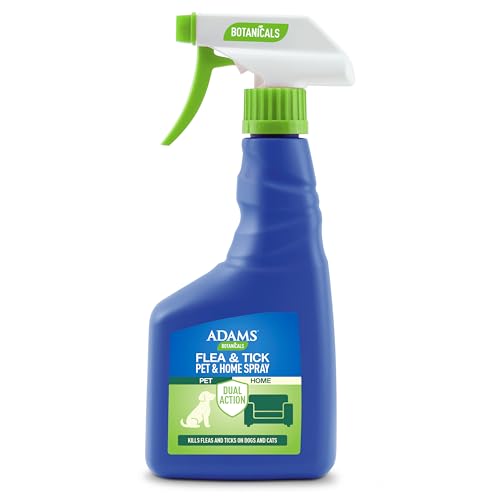
ADAMS Botanicals Flea & Tick Pet & Home Spray 16 Oz

SimpleSource® Flea & Tick Home & Pet Spray 32oz Bottle
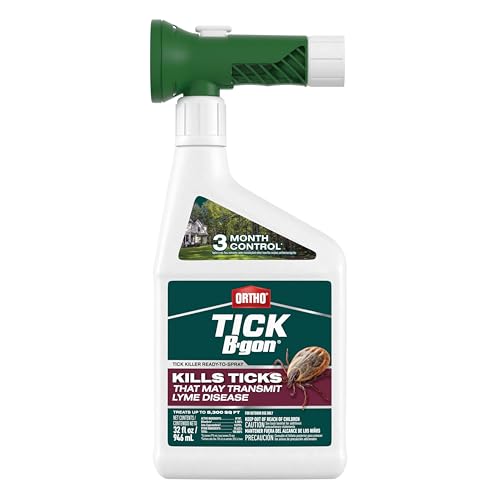
Ortho Tick B-gon Tick Killer Ready-to-Spray, 32 fl. oz.
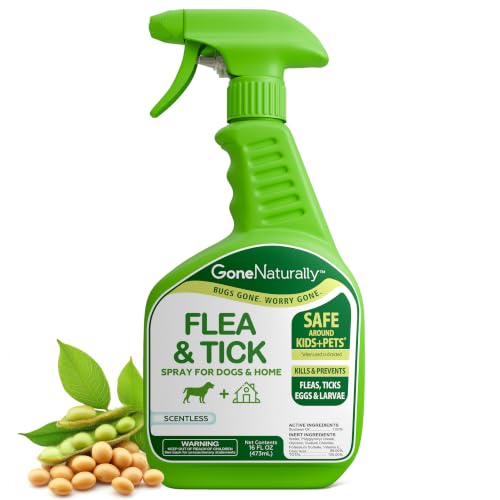
GoneNaturally Scentless Dog Flea Spray 16oz

Kate’s Home & Garden Flea and Tick Spray (16oz)
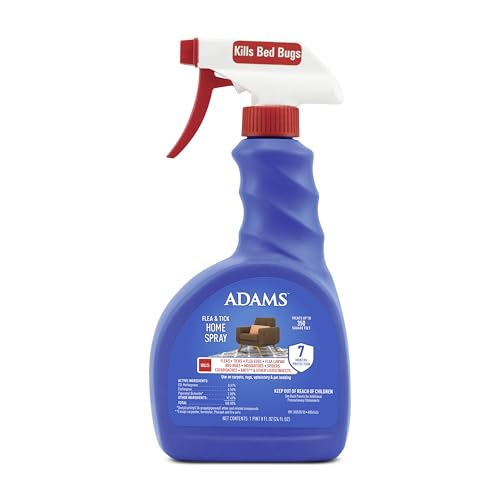
ADAMS Flea & Tick Home Spray 24 oz
More Details On Our Top Picks
The 8-ounce bottle is built for spot treatment rather than whole-room saturation, which makes it easy to keep near the entry door or in a pet-supply basket. Nature-Cide leans on natural essential oils instead of synthetic insecticides, so you can mist a dog bed or a couch arm without airing out the house afterward. Owners commonly report the lack of strong odor is what keeps them reaching for it week after week.
In practice, this works best as part of a routine: a quick pass over pet resting spots and baseboards during flea season. For households wanting a low-commitment preventive layer, it fits neatly alongside regular vacuuming. The trade-off shows up against bigger bottles like the SimpleSource below, where coverage per ounce matters more.
Strong Points
- Kills fleas and ticks on contact, so you see results immediately after spraying a hotspot
- Natural essential-oil base means no harsh chemical smell lingering in bedrooms or nurseries
- Compact 8 oz size stores easily in a closet, car, or travel bag for trips with your dog
- Doubles as a topical treatment you can apply directly in controlled amounts
Things To Consider
- The small bottle runs out fast in larger homes; expect to reapply often during peak season
- Essential-oil formulas generally need more frequent touch-ups than synthetic alternatives
Who It Suits Best
Apartment dwellers and light-prevention households who want a natural, odor-free option for targeted use around one or two pets.
A Better Fit Elsewhere
Multi-room infestations call for the SimpleSource 32oz bottle, which gives heavy users far more coverage per purchase.
Where the Nature-Cide bottle stays small and targeted, this ADAMS Botanicals version stretches across both pets and furniture in one 16-ounce container. The water-based, alcohol-free formulation matters more than it sounds: alcohol-based sprays can dry out a dog’s coat, while this one leaves fur and fabric without that stripped feeling. A fresh herbal scent replaces the medicinal smell most people associate with flea products.
It’s approved for dogs, cats, puppies, and kittens, which is rare territory since many sprays exclude young animals. That flexibility makes it a sensible single-bottle answer for mixed-pet homes. You can spray pet bedding and upholstered furniture directly, treating the surfaces where fleas actually live rather than just the animal carrying them.
What We Like
- Safe for puppies and kittens, not just adult dogs and cats, simplifying multi-pet treatment
- Alcohol-free water base won’t dry out coats or leave stiff residue on blankets
- Botanical and essential-oil ingredients appeal to shoppers avoiding conventional pesticides
- Works on both the animal and surrounding fabrics like cushions and rugs
Worth Noting
- Herbal scent, though mild, is still noticeable right after application in closed rooms
- Botanical actives tend to fade faster than chemical treatments, so reapplication becomes part of the weekly rhythm
Made For
Households with both cats and dogs, especially those with young animals, who want one gentle spray covering pets and their favorite furniture.
Swap It Out When
Strong existing infestations need the ADAMS Home Spray later in this list, which targets eggs and larvae more aggressively indoors.
Volume changes everything during an active infestation. At 32 ounces, this SimpleSource bottle covers roughly four times the area of the Nature-Cide pick above, letting you treat carpets, baseboards, and pet areas without rationing every squeeze of the trigger. The plant-powered formula targets all four flea stages: adults, eggs, larvae, and pupae, which is the difference between a quick fix and actually breaking the cycle.
A bonus worth knowing about: it also kills and repels mosquitoes, useful in humid climates where the two problems overlap. In our view, this is the practical middle ground between gentle botanicals and harsher chemical treatments. The larger container costs more upfront but usually works out cheaper per treated square foot over a full season.
Highlights
- Attacks every flea life stage, preventing the reinfestation loop smaller bottles can’t stop
- Generous 32oz supply lasts an entire treatment cycle for most homes
- Added mosquito control covers two seasonal pests with one product
- Plant-derived ingredients suit families avoiding synthetic pesticide exposure
Small Caveats
- The big bottle is awkward to store under a sink or carry room to room
- Plant-based actives may require consistent daily application until the cycle fully breaks
Quick Facts
The Right Fit
Owners battling an established indoor infestation across multiple rooms who want maximum volume and full life-cycle control.
Reach For A Different Pick When
Outdoor tick pressure is your main concern; the Ortho Tick B-gon later in this list handles yards far better than any indoor bottle.
This one breaks the pattern: it’s not for your living room. Ortho designed the Tick B-gon for lawns, garden edges, and fence lines, using a ready-to-spray hose attachment that connects directly to your outdoor spigot. No mixing, no measuring, no separate pump sprayer. You walk the yard and treat as you go, which turns a dreaded chore into a fifteen-minute task.
It targets American dog ticks, brown dog ticks, and deer ticks, plus listed insects including fleas and mosquitoes. Deer ticks are the species associated with Lyme disease transmission, so cutting them back at the property line reduces what gets carried inside on pants cuffs and paws. Think of it as the outdoor half of a two-part defense; pair it with an indoor spray from earlier in this list for complete coverage.
Reasons To Buy
- Hose-end ready-to-spray design eliminates mixing and makes yard-wide application fast
- Targets deer ticks specifically, the species linked to Lyme disease risk
- Also controls fleas and mosquitoes outdoors, reducing what migrates inside
- 32 fl. oz. treats substantial lawn area per session
Points To Note
- Not formulated for indoor use, so it can’t replace a home spray on carpets or bedding
- Rain shortly after application may reduce effectiveness; timing around weather helps
Right Fit For
Homeowners with fenced yards, tall grass borders, or wooded lots where ticks gather before finding their way indoors.
Not Your Match When
Apartment living means no yard to treat; the Kate’s Home & Garden spray below serves indoor-only situations better.
Most natural flea sprays solve the chemical problem by adding strong essential-oil scents, which some dogs and humans hate just as much. GoneNaturally takes the opposite route: a soybean-oil formula with no essential oils and no fragrance at all. The result kills fleas, ticks, eggs, and larvae on contact while leaving behind essentially nothing your nose registers.
You apply it directly to your dog’s coat, rubbing against the grain to reach the skin where fleas feed and lay eggs. It also works on carpets, bedding, and furniture, giving one bottle dual duty. The manufacturer specifies daily reapplication over a 14-day window and notes it’s intended for dogs 12 weeks and older, so plan the schedule before starting. Cats are excluded here, unlike the ADAMS Botanicals pick earlier.
Plus Points
- Completely scentless formula suits sensitive noses, both canine and human
- No essential oils removes a common irritant for reactive pets
- Soybean oil base kills all flea life stages on contact
- Works on fur, carpets, and upholstery from the same bottle
Softer Spots
- Daily reapplication for two weeks demands commitment some owners won’t sustain
- Dogs only; cat households need a different option entirely
- Oily residue may transfer lightly to fabric until it absorbs
Who Will Love This
Dog owners whose pets react badly to scented sprays, or anyone who simply can’t tolerate herbal odors indoors.
Another Choice May Suit
Cat owners should look at the ADAMS Botanicals spray instead, since it’s explicitly formulated for felines and kittens.
Kate’s builds its formula around three specific oils: cedarwood, lemongrass, and sesame. Cedarwood oil has a long history in pest control because its aroma disrupts insects’ respiratory systems, and lemongrass adds a repellent layer that keeps new pests from settling in. Together they kill fleas, ticks, and mosquitoes on contact while targeting eggs and larvae to interrupt the breeding cycle.
What sets it apart from the GoneNaturally option above is intent: this one embraces its botanical character rather than hiding it. There are no pyrethrins or permethrin, the synthetic compounds found in many conventional flea collars and drops. Depending on your sensitivity to herbal aromas, that’s either the selling point or the dealbreaker. For dogs and cats alike, it offers a middle path between doing nothing and going full chemical.
Bright Spots
- Three-oil blend kills and repels fleas, ticks, and mosquitoes simultaneously
- Targets eggs and larvae, breaking infestations at the source rather than surface level
- No pyrethrins or permethrin for households avoiding synthetic pesticides
- Suitable for both dogs and cats in multi-pet homes
Honest Caveats
- Lemongrass and cedarwood produce a noticeable scent some pets dislike initially
- Natural oils degrade faster than synthetics, requiring steady reapplication through the season
Feature Snapshot
Whose Shelf It Belongs On
Conscientious pet parents who want proven botanical ingredients and mosquito coverage without synthetic pyrethrins anywhere in the house.
Consider Something Else When
Bed bug problems alongside fleas call for the ADAMS Home Spray, whose broader label covers multiple indoor pests.
This is the closer you reach for when gentler options haven’t cut it. Unlike the Botanicals version from the same brand earlier in this list, this 24-ounce home spray uses a conventional dual-action formula: one ingredient set knocks down existing adults within minutes, while a second component targets eggs and larvae so new generations never hatch. Adams specifies fleas begin dying within five minutes of contact.
The label goes well beyond fleas and ticks too, covering bed bugs, spiders, cockroaches, and mosquitoes. That breadth makes it a practical single canister for deep-cleaning days when you’re treating baseboards, under furniture, and pet areas in one pass. It’s designed for surfaces only, never directly on animals, so pair it with a pet-safe spray for the animal itself.
Standout Traits
- Begins killing fleas within five minutes, delivering fast visible relief
- Dual-action chemistry attacks both live adults and unhatched eggs
- Covers bed bugs, spiders, roaches, and mosquitoes beyond the flea problem
- 24 oz canister handles multi-room treatment sessions comfortably
Room For Improvement
- Never apply directly to pets; you’ll need a separate animal-safe spray alongside it
- Conventional insecticide ingredients mean ventilating rooms during and after use
- Keep children and pets off treated surfaces until fully dry
At A Glance
Who Should Grab It
Anyone facing a serious, established infestation who needs aggressive egg-and-larvae control across carpets, cracks, and furniture.
Where A Sibling Pick Shines
Preventive maintenance with pets present suits the ADAMS Botanicals spray better, thanks to its gentler direct-application design.
Choosing The Right Spray For Your Situation
Match The Formula To Your Pets
Cats are the limiting factor in this category. Many effective ingredients safe for dogs are toxic to felines, so check the label before anything else. Essential-oil sprays vary widely here: some brands formulate specifically for cats, others exclude them entirely. Puppies and kittens under 12 weeks face even stricter limits, and only certain products clear that bar.
Your pet’s temperament matters too. Sensitive-skinned dogs often do better with fragrance-free soybean or water-based formulas than with concentrated oil blends.
Life Cycle Coverage Beats Quick Knockdown
Killing visible adult fleas feels satisfying but solves maybe five percent of the problem. Eggs and larvae hide in carpet fibers, couch seams, and floorboard gaps, hatching over the following weeks. Sprays that list eggs and larvae on the label break that cycle; ones that don’t will have you repeating the same battle monthly.
Indoor Versus Outdoor Roles
Treating only the interior ignores where the problem starts. Ticks and fleas hitchhike in from lawns, so a hose-end yard treatment paired with an indoor spray delivers far better results than either alone. Renters without outdoor space should focus budget on interior coverage and vacuuming discipline instead.
Application Realism
Be honest about the schedule you’ll maintain. Daily reapplication protocols work beautifully for committed owners and fail everyone else. Larger bottles reduce friction, and ready-to-spray attachments remove the biggest excuse for skipping a session.
Key Considerations Across These Picks
Traps First Timers Fall Into
The classic error is buying a pet-only spray and expecting it to fix the house. Fleas spend most of their lives off the animal, in fabrics and floor gaps. Another slip: stopping treatment once visible fleas disappear, then watching eggs hatch two weeks later. Read whether the label lists eggs and larvae before committing.
The Case For Spending Up
Larger bottles and dual-action formulas cost more upfront but deliver lower cost per treatment and fewer repeat purchases. Premium options targeting all life stages typically resolve an infestation in one cycle, while budget singles often stretch the ordeal across months of reapplication.
Bottom Line
Every home fights fleas differently, and the right spray depends on your pets, your space, and how deep the problem runs. Start by confirming which products suit your specific animals, then choose the strength level matching your situation. Pairing an indoor spray with consistent vacuuming does most of the heavy lifting. Whichever direction you go, acting early beats waiting out the season.
