

Ticks and fleas don’t respect property lines, and neither do the dogs that drag them inside. Anyone with a shaded lawn, a wooded lot edge, or a pet that loves tall grass knows the drill: one untreated perimeter and the whole household pays for it. The right yard spray breaks that cycle before bugs ever reach your door, your deck, or your dog’s favorite nap spot. This shortlist covers seven options spanning plant-based formulas, synthetic concentrates, and hose-end convenience sprays, matched to different yards, budgets, and comfort levels around kids and animals.
Quick Look At Our Top Picks

Cedarcide YardSafe Natural Yard Spray, 1 Quart

Eco Defense Mosquito Flea Tick Yard Spray
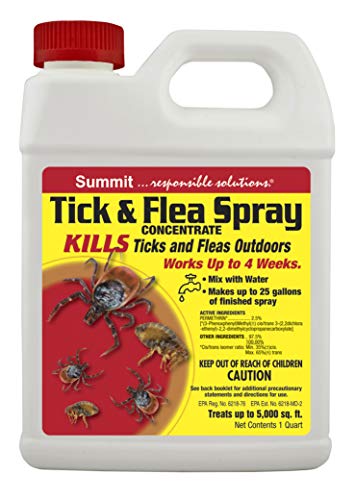
Summit Tick & Flea Spray Concentrate, Quart

Agrisel Bifenthrin Pro 7.9 Insecticide, 1 Gallon

PetArmor Home Yard Spray for Dogs, 32oz

Wondercide Flea and Tick Spray Concentrate, 128 oz

Summit Tick & Flea Spray Concentrate, Half Gallon
More Details On Our Top Picks
Cedarcide built this quart around cedarwood and other essential oils, which matters most in households where a crawling toddler or a licky Labrador shares the lawn with the bug problem. You attach the bottle straight to a garden hose, spray, and there’s no waiting period before people and pets head back outside.
The formula covers up to 5,000 square feet per application, enough for a typical suburban lot with room left over for fence lines. Compared with Wondercide’s gallon jug further down this list, you’re trading volume for a lighter first commitment, which suits anyone sampling a natural program for the first time.
Strong Points
- Cedar-based essential-oil blend designed with family and pet safety in mind
- Hose-end attachment means no mixing, measuring, or separate sprayer gear
- No downtime after spraying, so weekend plans don’t stall out
- Handles ticks, fleas, mosquitoes, chiggers, and mites in one pass
Things To Consider
- Essential-oil sprays generally need reapplication after heavy rain, so expect a repeat pass in wet stretches
- A single quart goes quickly on larger properties; owners of half-acre lots commonly report buying two or three bottles per season
Made For
Families with young kids or indoor pets who want plant-based control without clearing the yard after every application.
Where A Sibling Pick Shines
Shoppers facing an established flea population will get faster knockdown from the Agrisel Bifenthrin Pro gallon, whose synthetic chemistry hits harder than oils can.
Most yard sprays stop at adult insects, and that’s exactly why infestations bounce back. Eco Defense goes after the full life cycle, targeting larvae and eggs along with grown bugs, which is the difference between a two-week fix and an actual reset of the population in your grass.
Application couldn’t be simpler: the bottle threads onto a standard garden hose and sprays as-is, no dilution required. Like the Cedarcide above it, there’s no waiting period once you finish. The brand suggests reapplying every 30 to 45 days as maintenance, a cadence that fits neatly into a seasonal lawn-care routine alongside fertilizing or mowing schedules.
What We Like
- Attacks adults, larvae, and eggs rather than just visible bugs
- Ready-to-spray hose-end design eliminates mixing math entirely
- No re-entry wait after application, convenient for busy households
- Doubles as ongoing prevention between heavier treatments
- 5,000-square-foot coverage suits most suburban backyards in one session
Worth Noting
- The 30-to-45-day maintenance window means you’ll want calendar reminders, since skipping cycles lets populations rebuild
- Severe established infestations may need a stronger concentrate before this maintenance spray takes over
At A Glance
Right Fit For
Homeowners who caught the problem early and want a low-effort prevention rhythm rather than an emergency knockdown.
Swap It Out When
Anyone battling heavy woods-edge tick pressure should step up to the Summit half-gallon concentrate, built specifically for trail and brush-line habitats.
Summit positions this quart as the entry point into its natural tick-and-flea line, and its best role is exactly that: a trial run. Because it’s a concentrate, a small amount dilutes into finished spray, so the bottle itself lasts longer than a ready-to-use quart would. You’ll need your own pump or hose-end sprayer, which adds a small upfront hurdle the Cedarcide and Eco Defense bottles skip.
In practice, this size suits townhouse gardens, courtyards, and fenced dog runs where a gallon would sit half-used all season. The natural formulation keeps it in the same safety conversation as the plant-based picks elsewhere on this list, though the exact ingredient breakdown isn’t published in the listing, so read the label closely before committing around sensitive pets.
Highlights
- Concentrate format stretches a quart across multiple mixing sessions
- Natural positioning aligns with chemical-cautious households
- Compact footprint stores easily on a garage shelf between uses
Small Caveats
- Requires a separate sprayer, an extra purchase many first-timers overlook
- Ingredient specifics aren’t detailed in the listing, so verification means reading the physical label
- Quart volume limits how much ground one purchase realistically treats
Who Should Grab It
Apartment-dweller-turned-homeowner types treating a small patio garden who want to test a natural routine cheaply.
Another Choice May Suit
Larger properties get far better cost-per-square-foot from the same brand’s half-gallon version, listed seventh below.
This is the sledgehammer of the group, and it earns that role honestly. Bifenthrin is a synthetic pyrethroid, a lab-made compound modeled on chrysanthemum-derived insecticides but engineered for longer residual life. At a 7.9 percent concentration in a full gallon, Agrisel’s version targets everything from fleas and spiders to ants, mole crickets, and stink bugs across lawns, ornamental beds, and agricultural settings.
The trade-off is handling discipline. The manufacturer notes the treated area becomes safe for pets once dry, so application timing matters: spray early, keep animals off until surfaces are no longer wet. Unlike the oil-based Wondercide, this isn’t a casual weekend misting product; it rewards careful label-following with serious, broad-spectrum results that natural formulas rarely match against entrenched infestations.
Upsides
- 7.9% bifenthrin delivers professional-grade knockdown strength
- One gallon covers extensive ground across multiple treatment sessions
- Controls a wide roster beyond fleas and ticks, including ants and stink bugs
- Works across lawns, ornamentals, and agricultural applications
Points To Note
- Pets must stay off treated areas until fully dry, requiring planning around application day
- Synthetic chemistry calls for strict adherence to label directions and protective gear during mixing
- Storage away from children and proper disposal add ownership responsibilities lighter products don’t carry
Feature Snapshot
Who Will Love This
Rural homeowners and acreage owners facing heavy multi-pest pressure who are comfortable handling concentrated chemistry responsibly.
Look Elsewhere When
Households prioritizing plant-based ingredients over raw power will sleep better with the Wondercide 128-ounce concentrate reviewed next.
PetArmor approaches the yard problem from the pet aisle rather than the garden center, and that framing shows in the design. The 32-ounce bottle carries a hose-end applicator, so setup is grab-and-go, and the manufacturer claims residual protection lasting up to six weeks, the longest interval on this shortlist apart from concentrates you dilute yourself.
Where it differs from the Eco Defense earlier in the lineup is intent: this one emphasizes perimeter defense, creating a barrier around the house so pests never cross into living space. Dog owners juggling topical treatments already know the brand, which makes coordinating an indoor-outdoor regimen straightforward. The honest caveat is that six-week claims depend heavily on rainfall and irrigation, so real-world intervals often run shorter in wet climates.
Bright Spots
- Residual action rated up to six weeks reduces how often you haul out the hose
- Hose-end applicator makes perimeter passes a five-minute chore
- Targets fleas, ticks, mosquitoes, and ants in a single barrier spray
Minor Gripes
- Real-world longevity varies with rain frequency; expect shorter intervals during stormy seasons
- 32 ounces covers less area per purchase than concentrate alternatives like the Summit half-gallon
Quick Facts
Whose Shelf It Belongs On
Dog owners running monthly preventatives who want the yard piece of the puzzle handled by the same familiar brand.
Reach For A Different Pick When
Shoppers wanting plant-powered ingredients should pivot to the Cedarcide YardSafe quart, which trades some residual length for gentler chemistry.
Everything good about the Cedarcide quart at the start of this list scales up here into a full gallon. Wondercide builds its reputation on plant-powered active ingredients, and the company states the formula meets effectiveness standards comparable to conventional flea and tick yard treatments, targeting both adult fleas and their eggs along with ticks and mosquitoes.
The 128-ounce format changes the ownership math considerably. Where smaller natural bottles demand frequent repurchasing through peak season, this jug supports a full spring-through-fall program on a midsize property. As a concentrate, it requires your own sprayer and a little dilution discipline, the same trade the Summit quart asks for. In our view, that minor inconvenience is worth it for households committed to staying chemical-light all season rather than dabbling.
Reasons To Buy
- Plant-based actives suited to homes with pets, kids, and pollinator concerns
- Kills both adult fleas and eggs, addressing the reproduction cycle
- Gallon volume sustains an entire treatment season without reordering
- Manufacturer states performance standards matching conventional treatments
- Also repels mosquitoes, adding warm-evening patio value
Honest Caveats
- Needs a separate pump or hose-end sprayer plus correct dilution ratios
Core Details
Who It Suits Best
Committed natural-lawn households with pets who plan to treat consistently from spring through fall.
Not Your Match When
Anyone wanting zero-mix convenience will prefer the PetArmor 32oz hose-end bottle, which sacrifices volume for instant usability.
This is the quart-sized Summit from third place with double the volume, and the value logic flips accordingly. The 64-ounce concentrate is formulated specifically against ticks and fleas, including deer ticks, the species associated with Lyme disease transmission, which shapes where you’re meant to spray: yard perimeters, shady perennial beds, woodline trails, and dense shrubbery where ticks actually wait for hosts.
The manufacturer states kills continue for up to four weeks per application, a solid interval for a natural-leaning formula. Habitat-targeted spraying is also cheaper than blanketing an entire lawn, so pairing this concentrate with a focused sprayer pattern stretches each batch further. Owners in heavily wooded regions commonly report treating the brush line twice per season and seeing meaningful reductions in ticks brought indoors.
Plus Points
- Specifically formulated against deer ticks, the Lyme-carrying species
- Residual killing action lasts up to four weeks per treatment
- Designed for habitat zones: perimeters, shady beds, trails, thick shrubs
- Half-gallon concentrate lowers cost per mixed batch versus the quart
Softer Spots
- Demands your own sprayer equipment and careful dilution measuring
- Four-week interval still means two to three applications across a long tick season
Details At A Glance
Built With In Mind
Owners of wooded lots and trail-adjacent properties who want targeted, economical tick control along the edges where ticks live.
Consider Something Else When
Small-space testers should drop down to the Summit quart version, which delivers the same formula in a lighter, cheaper first bottle.
What Matters Most Before Choosing Flea And Tick Sprays For Yard
Active Ingredients Explained
Every spray falls into one of two camps. Plant-based formulas rely on essential oils such as cedarwood, which repel and kill on contact but fade faster in rain. Synthetic pyrethroids like bifenthrin bond to soil and vegetation longer, delivering weeks of residual control at the cost of stricter handling rules. Neither approach is wrong; they simply answer different questions about risk tolerance and infestation severity.
Coverage And Application Style
Match container type to your patience level. Hose-end ready-to-spray bottles suit anyone who wants a five-minute chore, while concentrates reward shoppers willing to mix batches in exchange for lower cost per treatment. Calculate your actual lawn area first, since a 5,000-square-foot rating means nothing on a quarter-acre lot with heavy brush.
Safety Around Pets And Kids
Read re-entry guidance before purchasing, not after. Some formulas allow foot traffic immediately, others require a drying period. Households with cats deserve extra caution, as felines metabolize certain compounds differently than dogs do.
Residual Protection
Longevity separates a one-week fix from a season-long program. Six-week residuals mean fewer trips to the spigot; shorter intervals mean tighter scheduling but often gentler chemistry.
Key Considerations Across These Picks
Traps First Timers Fall Into
The classic error is buying based on bottle size instead of diluted yield, then discovering a concentrate outlasts three ready-to-use sprays. Another common stumble: ignoring re-entry times and letting pets back onto wet turf. Both mistakes cost money and confidence, and both disappear with ten minutes of label reading before checkout.
The Case For Spending Up
Larger concentrates carry higher sticker prices but lower cost per treatment, and premium formulations add life-stage control, targeting eggs and larvae rather than adults alone. For severe or recurring infestations, that upgrade pays for itself within a single season of fewer reapplications.
Wrap Up
Your yard, your pets, and your patience level decide which of these seven fits. Start by mapping where pests actually gather, whether that’s a sunny lawn or a shaded woodline, then match the formula strength and application style to that reality. Any of these picks can meaningfully cut the bug traffic reaching your doorstep this season, and the right one simply makes the work feel effortless.
