

Aging cats deserve a bathroom that works with stiff joints, not against them. High walls and deep pans that a two-year-old handled easily can turn into obstacles for a twelve-year-old with arthritis. This roundup focuses on low entries, roomy footprints, and easy-clean materials so your older cat keeps good habits without strain.
The Shortlist At A Glance
Ying Tutu Extra Large ABS Senior Litter Box (Gray)

TomteNisse Foldable Height-Adjustable Litter Pan (Gray)
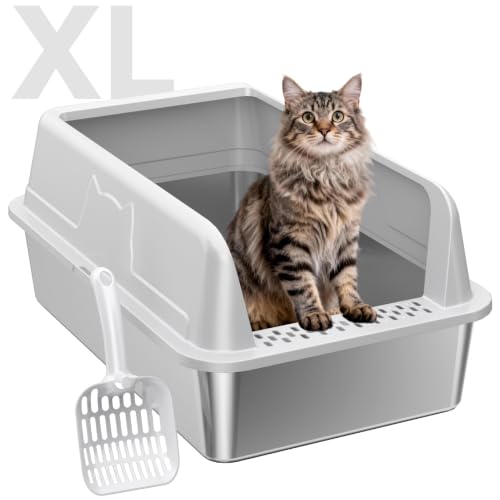
OneBug High-Sided Stainless Steel XL Litter Box
maohegou Low Entry Collapsible Litter Box

Blaucasa Extra Large ABS Litter Pan Tray (Dark Gray)

LIHONG Stainless Steel Litter Box with Lid
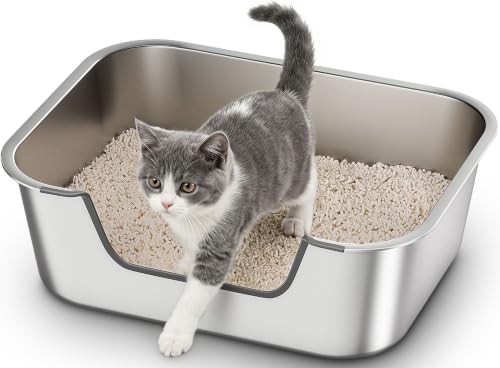
Qiuma Stainless Steel Low Entry Litter Box

KittyGoHere Senior Cat Litter Pan (Beach Sand)
More Details On Our Top Picks
The first thing you notice is the footprint: roughly 24 by 20 inches, which gives a large or arthritic cat real estate to turn around and dig without bumping walls. The tray sits low to the ground, so stepping in takes almost no effort from tired hips.
Construction is ABS plastic, a rigid engineering resin that holds its shape better than the flimsy polypropylene most budget pans use. In a busy household where the pan gets scrubbed weekly, that stiffness matters because thin-walled boxes crack along stress lines over time.
Strong Points
- Oversized interior suits big breeds like Maine Coons comfortably
- Rigid ABS body resists cracking during routine scooping and cleaning
- Low-profile entry spares senior joints the high-step struggle
- Smooth surface wipes down quickly between full litter changes
Things To Consider
- No lid means litter scatter lands nearby; a mat helps in carpeted rooms
- The jumbo size needs dedicated floor space you may not have in a studio
Key Specs
Who It Suits Best
Homes with one or more big, older cats and enough floor space to spare.
Where A Sibling Pick Shines
Short on square footage? The Qiuma stainless steel pan covers similar senior-friendly access in a much smaller frame.
Most pans force a choice between kitten access and adult splash control. This one sidesteps that with an adjustable height: collapse it for a walk-in opening that suits seniors and handicapped cats, then raise it once everyone’s mobile again. That flexibility is rare at this level.
The bundled scoop comes with its own caddy, a small touch you’ll appreciate daily since it stops the scoop from leaning against the wall or sitting in the litter. It works with clumping clay, crystal, and natural wheat or corn litters too, so no switching brands.
Bright Spots
- Collapsible mode creates a true walk-in entry for elderly cats
- Height adjusts as kittens mature into adults
- Scoop-and-caddy combo keeps cleanup tools tidy and visible
- Compatible with every common scoopable litter type
Worth Noting
- Folding hinges are a reported weak point; owners commonly advise gentle handling when collapsing it
- Plastic body absorbs odor faster than the steel options later in this list
Right Fit For
Households mixing a senior cat with younger or newly adopted kittens under one roof.
Swap It Out When
All-senior homes get more durability from the OneBug stainless steel box, which trades adjustability for a metal body that never holds smell.
Steel changes the ownership math. Unlike the plastic TomteNisse above, this stainless pan doesn’t scratch into micro-grooves that trap urine odor, so it stays fresher for years of heavy use. At nearly 23 by 15 inches with walls over 10 inches tall, it also contains the enthusiastic diggers in a multi-cat home.
A built-in anti-tracking step near the entrance catches granules clinging to paws before they reach your floor. That’s a genuine time-saver if you sweep daily. The trade-off is weight: expect a heavier lift during full cleanouts than any plastic pick here.
Reasons To Buy
- Stainless steel shrugs off odor absorption and staining
- Tall walls block scatter and spray in shared-cat bathrooms
- Anti-tracking step cuts floor mess noticeably
- Generous interior supports turning and digging room
Minor Gripes
- High sides ask more from arthritic legs than the low-entry picks do
- Steel construction makes the unit heavier to move and empty
Feature Snapshot
Made For
Multi-cat households wanting a durable, odor-resistant pan that outlasts plastic alternatives.
Consider Something Else When
A cat with significant mobility loss will manage better in the Qiuma low-entry steel pan instead.
Versatility is the whole pitch here. Collapsed, the front drops into a walk-in threshold that senior, elderly, and handicapped cats can enter without hopping. Raised, it becomes a standard open pan with a litter moat around the rim that catches what digging paws fling out.
The manufacturer also lists secondary uses worth knowing about: it doubles as a cat bath tub, and after training, small animals like rabbits, ferrets, or even small dogs can use it. For apartment dwellers who move often, the fold-flat design tucks into a closet or car trunk easily.
Plus Points
- Walk-in collapsed mode removes the step entirely for frail cats
- Litter moat reduces tracked granules around the pan
- Folds flat for storage, travel, or relocation
- Doubles as a bathing tub for cats that tolerate water
Softer Spots
- Plastic walls may flex under a very large cat’s weight over time
- Open-top design offers no privacy for shy users
- Fold seams need occasional checking for trapped debris
Who Will Love This
Renters and frequent movers who need a portable, multi-purpose pan that still accommodates an aging cat.
Not Your Match When
Owners prioritizing rigidity should look at the Ying Tutu ABS tray, which won’t flex the way folding panels can.
Think of this as the Ying Tutu’s narrower cousin. The same durable ABS resin forms a shallow, wide-open tray sized closer to 20 by 15 inches, which slides into hallway corners and laundry-room gaps where a 24-inch pan simply won’t fit. The dark gray finish also hides dust between cleanings better than lighter plastics.
Despite the “dog potty” label, the low entry and open layout serve senior cats just as well, and multiple units stack neatly for multi-cat rotation. You give up some turning room compared to the larger Ying Tutu, so very big cats may feel cramped.
What We Like
- Slimmer footprint fits narrow spaces and tight corners
- ABS material stands up to repeated scrubbing
- Shallow depth makes scooping quick and thorough
- Available in multipacks for multi-cat setups
Points To Note
- Less interior width than the Ying Tutu for oversized breeds
- No rim or moat, so scatter control depends on placement
At A Glance
Whose Shelf It Belongs On
Apartment dwellers placing a pan in a hallway, bathroom corner, or utility nook.
Reach For A Different Pick When
Maine Coon-sized cats need the extra width of the Ying Tutu jumbo tray instead.
This is the covered option for tidy households. A locking plastic lid sits atop a 23.5-inch steel base, holding up to 24 liters of litter, which the maker estimates covers an adult cat for around a month between full changes. Fewer change-outs mean less hauling for you.
An included filter pad near the exit collects granules from paws, cutting tracked litter across floors. The catch, honestly, is the lid itself: some senior cats dislike enclosed spaces, and reduced airflow can concentrate odor inside rather than eliminating it. Ventilation habits matter here.
Highlights
- Lid with simple locking clasps contains scatter and sight-lines
- Steel base never absorbs urine odor the way plastic does
- Filter pad trims paw-tracking and stretches litter supply
- Large capacity suits big cats and multi-cat homes
Small Caveats
- Enclosed design may deter cats that prefer open visibility
- Interior needs regular airing to keep odor from pooling under the lid
Spec Overview
Who Should Grab It
Owners who want maximum containment and longer intervals between litter changes.
Another Choice May Suit
Cats that reject covered boxes do better with the open-top OneBug steel pan from earlier in this list.
Recovering from surgery or living with advanced arthritis, a cat needs the lowest possible threshold. Qiuma answers with a front entry measuring just over three inches, paired with raised back and side walls that still block splash. It’s the best balance of access and containment among the steel options here.
The non-stick steel surface releases clumps cleanly during scooping, which owners of clumping-litter households tend to praise. Sized for medium and small cats at 17.5 by 13.6 inches, it won’t suit a heavyweight breed, but for a petite senior it’s close to purpose-built.
Standout Traits
- 3.15-inch entry is among the lowest thresholds available
- High rear and side walls contain splash despite the shallow front
- Non-stick steel simplifies daily scoop-outs
- Two size options cover different cat builds
Honest Caveats
- Too small for extra-large breeds like Ragdolls or Maine Coons
- Steel edges benefit from a check during cleaning for sharp spots
Quick Facts
Best Suited To
Small and medium senior cats recovering from injury or managing joint stiffness.
Look Elsewhere When
Larger geriatric cats need the wider Ying Tutu ABS tray to turn comfortably.
KittyGoHere built its reputation specifically around cats that stopped using conventional boxes, and this small pan carries that focus. The shape targets the exact failure mode senior owners dread: a cat going beside the box because climbing in became painful or confusing.
The beach sand color blends into home decor more gracefully than stark white or clinical gray, a small thing that matters in a visible bathroom corner. Cleaning is straightforward thanks to smooth, shallow walls. Check the size diagram before ordering, though, since the small variant runs tighter than photos suggest.
Positives
- Designed specifically for cats avoiding traditional boxes
- Small footprint fits homes short on floor space
- Smooth surfaces rinse clean quickly
- Neutral color suits visible placements
Areas To Watch
- Small sizing demands careful measurement before purchase
- Open, shallow form offers minimal scatter protection
The Right Fit
Owners of petite senior cats in apartments or condos where every inch counts.
Where Another Pick Suits Better
Bigger cats get far more comfort from the Blaucasa ABS tray’s wider interior.
What Matters Most Before Choosing Litter Boxes For Senior Cats
Entry Height Comes First
The single biggest factor is how high your cat must step. Arthritis affects most cats past age ten, and a threshold over four inches starts feeling like a hurdle. Look for entries at or below roughly three inches, and watch how your cat approaches the box: hesitation at the rim is an early signal.
Size And Turning Room
A senior cat still needs space to pivot and dig without touching walls. Cramped pans lead directly to accidents beside the box. Measure your available floor area first, then buy the largest low-entry pan that fits, since undersized boxes are the most common regret in this category.
Material And Odor Behavior
Plastic scratches over time, and those grooves hold urine smell that discourages repeat visits. Stainless steel costs more upfront but resists absorption indefinitely with basic care. ABS plastic splits the difference, offering rigidity and easier cleaning than thin polypropylene.
Covered Versus Open
Lids contain scatter but reduce visibility and airflow. Many older cats prefer open designs, especially those with fading eyesight or hearing. Start open, and only add coverage once you know your cat tolerates it.
Key Considerations Across These Picks
Traps First Timers Fall Into
The classic error is buying for looks instead of joints. A stylish covered box that forces a high step will sit unused. Second mistake: skipping the tape measure. Several picks here run smaller than product photos imply, so confirm dimensions against your floor space and your cat’s length before committing.
When Paying More Pays Off
Higher-tier steel models cost more because the material outlasts plastic by years and never traps odor in scratches. Households with multiple cats or strong-smelling clumping litter recover that premium quickly through fewer replacements. Single-cat homes with a gentle user can stay happily in the value tier.
Frequently Asked Questions
What entry height works best for an arthritic cat?
Anything around three inches or lower lets most stiff-jointed cats step in unassisted. Watch your own cat’s approach and go shallower if hesitation appears.
Do senior cats prefer covered or open litter boxes?
Most older cats favor open designs for easier access and better visibility. Coverage mainly benefits owners dealing with scatter, not the cat.
How often should I replace a plastic litter box?
Plan on replacement once deep scratches appear, typically within a year or two of daily use. Scratched surfaces trap odor and can discourage use.
Can a litter box really fix accidents outside the box?
A lower, larger box resolves many cases rooted in access difficulty. Persistent accidents warrant a vet visit to rule out medical causes first.
Where should I place a litter box for an aging cat?
Choose a quiet, easily reached spot on the main floor your cat uses most. Avoid basements requiring stair climbs.
Closing Remarks
Your senior cat gave you years of easy companionship, and a thoughtful litter setup is a small way to return the favor. Match the entry height to those aging joints, give enough room to turn, and keep cleaning simple. Any of these eight will do right by an older cat, so start with the one that fits your floor plan and let comfort do the rest.
