
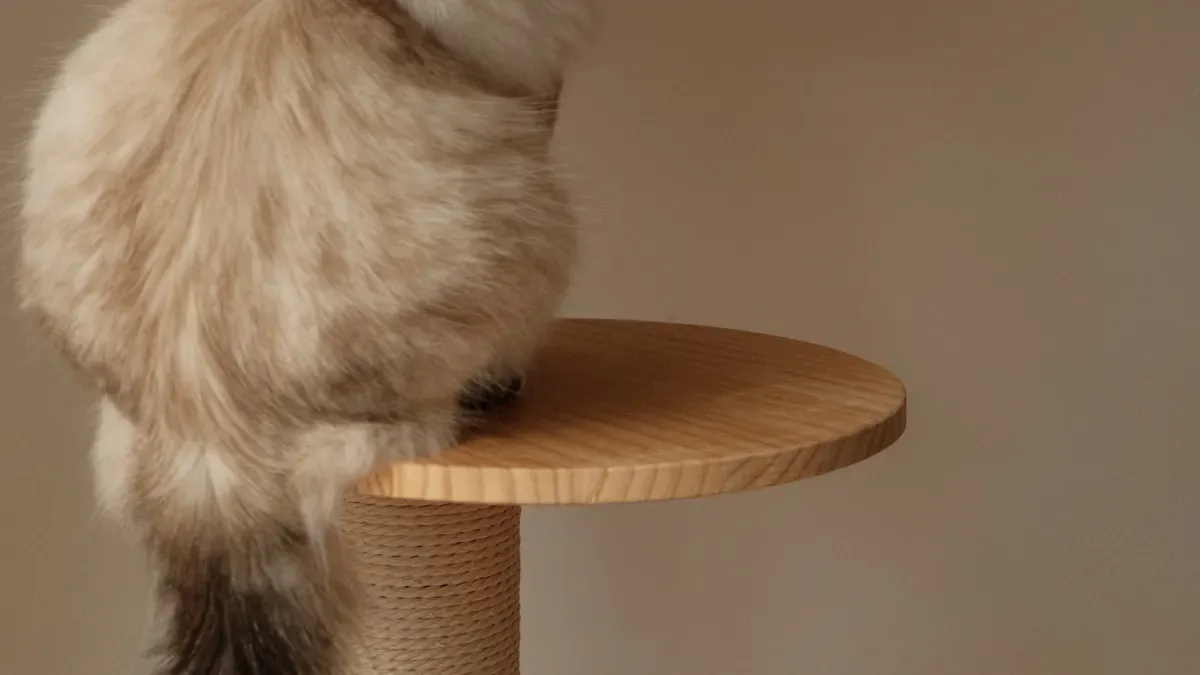
Cats possess an instinctual need to scratch. This behavior is crucial for their well-being. Without cat scratching posts, your feline friend may turn to your furniture, leading to potential damage. Scratching helps mark territory and relieve stress. When you provide appropriate outlets, you support your cat’s natural instincts and promote a harmonious home.
Key Takeaways
Cats need scratching posts to mark territory and relieve stress. Providing these posts helps prevent damage to your furniture.
Regular scratching maintains your cat’s claws and promotes overall health. It prevents overgrown claws and encourages exercise.
Place scratching posts in high-traffic areas and near your cat’s favorite spots. This increases the likelihood of use and redirects scratching behavior.
Why Cats Scratch
Territory Marking
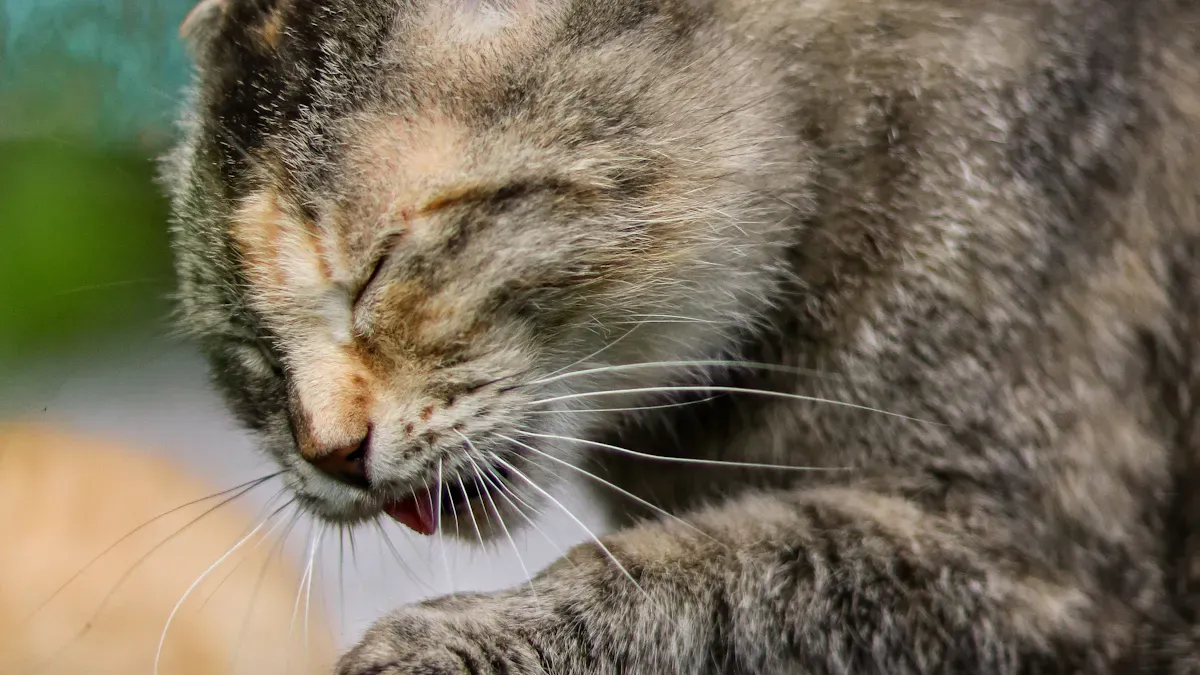
Cats scratch to mark their territory. This behavior is instinctual and serves as a way for them to communicate with other animals. When your cat scratches, it leaves behind scent markers from glands in their paws. This action signals to other cats that this space belongs to them. Understanding this behavior helps you appreciate why providing cat scratching posts is essential. Without these outlets, your cat may resort to scratching furniture or walls, leading to frustration for both of you.
Claw Maintenance
Scratching plays a vital role in maintaining your cat’s claws. It helps remove the outer sheath of the claw, keeping the tips sharp and healthy. Here are some key benefits of scratching for claw maintenance:
Scratching conditions and shortens the claws, preventing them from growing too long.
It provides a full-body stretch, which is beneficial for muscle health.
Engaging with scratching posts helps manage weight and prevent obesity-related health issues.
Veterinary experts emphasize that regular scratching is crucial for your cat’s overall health. It promotes mobility and prevents painful issues related to overgrown claws. Providing suitable scratching implements like posts or logs encourages this natural behavior.
Step | Description |
|---|---|
1 | Provide suitable scratching implements like posts, cardboard boxes, and logs. Cats prefer vertical posts that allow stretching. |
2 | Regularly trim claws to prevent injury and damage. Use proper utensils to avoid splintering. |
3 | Consider temporary synthetic nail caps as an alternative to declawing. Apply every 4-6 weeks. |
Stress Relief
Scratching also serves as a significant stress relief mechanism for cats. When they scratch, they release built-up tension, similar to how you might engage in stress-relieving activities. Here are some insights into how scratching contributes to your cat’s mental health:
Scratching helps cats release built-up tension, similar to how humans might engage in stress-relieving activities.
It provides both mental and physical relief by allowing cats to stretch and exercise their muscles.
Increased playfulness and prolonged play sessions in cats correlate with heightened scratching behavior, suggesting that scratching may serve as a stress relief mechanism when cats experience frustration or emotional stress.
The absence of scratching outlets can lead to frustration in domestic cats, increasing their stress levels. This frustration often results in undesirable scratching behaviors as a means of stress relief. By providing appropriate scratching surfaces, you can help your cat manage stress and maintain a happy, healthy life.
Using Cat Scratching Posts
Types of Posts
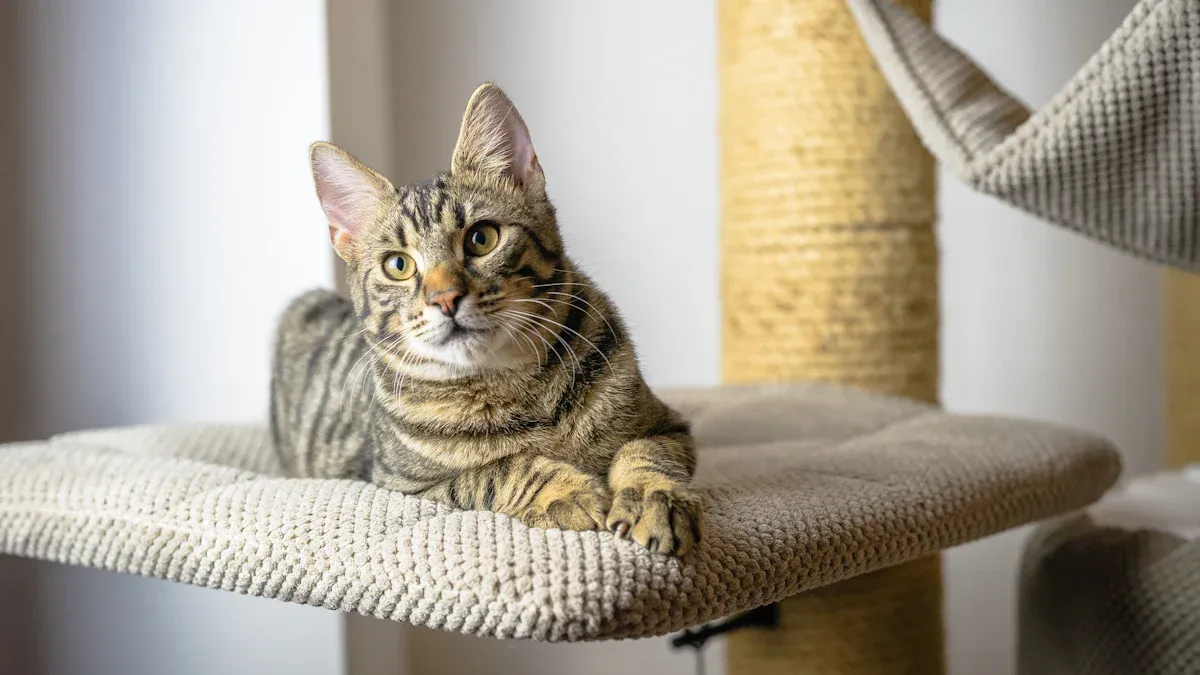
When selecting cat scratching posts, consider the different types available. Each type caters to various scratching preferences. Here’s a breakdown of the main types:
Type | Description | Materials Used |
|---|---|---|
Vertical | Designed for cats that prefer to scratch upwards. | Sisal, Jute |
Horizontal | Suitable for cats that like to scratch on flat surfaces. | Cardboard, Sisal |
Multi-orientation | Allows cats to scratch in both vertical and horizontal positions. | Various materials |
Cats generally prefer materials like sisal and cardboard for scratching posts. These materials provide the right texture for their claws. Avoid carpet, as it can snag their claws and may not be as satisfying for them. Ensure the scratching post is tall enough for your cat to stretch fully. A height of at least 60-80 cm is ideal for vertical posts.
Ideal Placement
Placement of cat scratching posts significantly affects their usage. Cats tend to favor scratching posts positioned in areas where they typically rest or sleep. Here are some tips for effective placement:
Near Favorite Spots: Place scratching posts near your cat’s favorite resting areas or along their usual pathways. This encourages them to use the posts regularly.
High-Traffic Zones: Position posts in high-traffic areas of your home. This visibility increases the likelihood of your cat using them.
Avoid Isolation: Don’t place scratching posts in secluded areas. Cats prefer to scratch where they feel secure and can observe their surroundings.
Understanding your cat’s scratching preferences—whether they prefer vertical or horizontal surfaces—will help you provide the right scratching options. Strategic placement enhances their use and redirects scratching behavior away from your furniture.
Enticing Methods
To encourage your cat to use scratching posts, consider these enticing methods:
Use Catnip: Sprinkle catnip on the scratching post to attract your cat. Studies show that about 90% of cats respond positively to catnip, making it an effective tool.
Incorporate Toys: Choose posts with dangling toys or attach toys to the post. This engages your cat and makes the post more appealing.
Positive Reinforcement: Reward your cat with treats or praise when they use the scratching post. This reinforces the behavior and encourages them to return.
Additionally, consider covering tempting surfaces with double-sided tape to deter scratching. This method redirects their attention to the scratching post. Avoid punishing your cat for scratching furniture, as this can create fear and confusion.
By providing the right type of scratching post, placing it strategically, and using enticing methods, you can ensure your cat enjoys their scratching experience.
Providing scratching posts is essential for your cat’s health. These posts support muscle exercise, maintain nail health, and relieve stress. They also reduce unwanted behaviors by satisfying your cat’s natural instincts.
Benefit | Description |
|---|---|
Muscle Exercise | Scratching allows cats to stretch, pull, and exercise their back and shoulder muscles. |
Nail Health Maintenance | The action helps shear off the old outer layer of nails, promoting healthy nail growth. |
Stress Relief | Scratching provides a natural outlet for marking territory, which is important for mental well-being. |
Invest in suitable scratching solutions to keep your feline friend happy and healthy.
FAQ
How often should I replace my cat’s scratching post?
You should replace your cat’s scratching post when it shows significant wear or damage. Regularly check for fraying or instability.
Can I train my cat to use a scratching post?
Yes! Use positive reinforcement, like treats or praise, to encourage your cat to scratch the post instead of furniture.
What if my cat ignores the scratching post?
Try different materials or placements. Adding catnip or toys can also entice your cat to use the scratching post.