

Anyone sharing a home with a cat knows the routine: scoop daily, fight the smell, scrub the plastic pan that never quite comes clean. The right litter box system changes that math entirely. This roundup covers eight options for 2026, from a simple deodorizing gel jar to fully automatic self-cleaning units, so you can match the setup to your cat’s size, your litter preference, and how much maintenance you actually want to do.
The Shortlist At A Glance

Litter Box Magic Cat Litter Deodorizer Gel 16 Oz

KISENG Stainless Steel Cat Litter Box

Suzzipaws XL Stainless Steel Sifting Litter Box with Lid

Tevila XL Enclosed Stainless Steel Litter Box with Lid

Vivirata Self Cleaning Litter Box with App Control
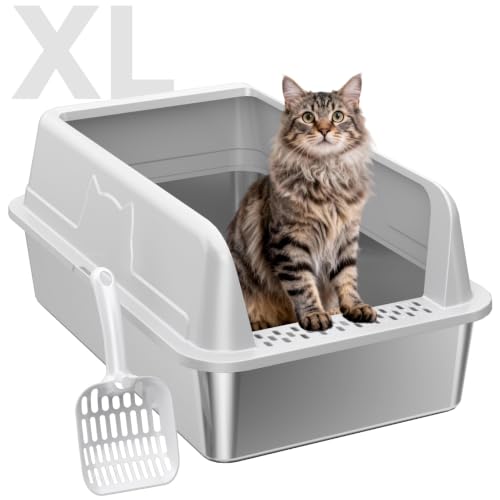
OneBug High-Sided Stainless Steel XL Cat Litter Box

TENTIZON Stainless Steel Cat Litter Box with Lid

Paruuntys Automatic Litter Box Open-Top
More Details On Our Top Picks
This one isn’t a box at all, and that’s the point. It’s a 16-ounce jar of fresh-scent gel designed to sit near the litter area and absorb odors from the air around it, which makes it the easiest upgrade in this entire list.
In a small apartment where the box lives in a hallway or bathroom, passive odor absorption can make the difference between noticing the cat and forgetting there is one. The non-toxic formula matters too, since curious cats will investigate anything new you place near their territory.
Strong Points
- Zero installation or power needed; just set the jar down and let it work
- Fresh scent formulation aimed at multi-cat smell loads
- Non-toxic gel means less worry around pets that paw at new objects
- Works alongside any box in this roundup rather than replacing one
Things To Consider
- Gel jars absorb ambient odor but won’t fix a box that needs scooping; treat this as a supplement, not a substitute
- Scented products can bother sensitive cats, so watch for avoidance behavior after placement
Made For
Renters and apartment dwellers who need low-effort odor relief without changing their existing setup.
A Better Fit Elsewhere
Shoppers wanting to attack odor at the source should look at the KISENG stainless steel box below, whose non-porous surface stops smells from soaking in at all.
Plastic pans are porous, which means urine slowly works into the material and the smell never fully leaves. This KISENG pan swaps that problem for a smooth, non-porous stainless steel surface that waste can’t bond to, so cleanup becomes a wipe instead of a scrub session.
The footprint runs roughly 17 by 13 inches with walls under 8 inches tall, dimensions clearly built for smaller cats. In a studio apartment or a bathroom corner, that compact shape earns its keep, though larger breeds will feel cramped fast.
What We Like
- Non-stick steel surface resists absorbing urine and odor the way plastic does over time
- Wipes clean quickly, cutting weekly deep-clean time dramatically
- Compact footprint fits bathrooms, closets, and other tight spots
Minor Gripes
- The modest size rules out big cats like Maine Coons; measure your cat before committing
- Low walls mean enthusiastic diggers will scatter litter onto nearby floors
At A Glance
Right Fit For
Owners of kittens or petite cats living in apartments where every square foot counts.
Where A Sibling Pick Shines
Households with large or multiple cats should step up to the Tevila XL enclosed model later in this list, whose jumbo tray gives everyone room to turn around.
Pine pellet litter fans know the usual workflow: sift solids out, let sawdust fall through, swap the pad underneath. This Suzzipaws unit builds that whole process into one covered steel system, with elliptical sifting holes sized so pellets pass through without jamming while urine drains quickly to the base.
The bottom pan takes an absorbent pee pad, which handles moisture between changes. Compared with the open KISENG pan above, the lid here adds privacy for shy cats and helps contain both dust and smell, a real advantage in shared living spaces.
Highlights
- Sifting design turns pellet changes into a two-minute job instead of a full dump-and-refill
- Elliptical hole pattern keeps non-clumping litter from clogging the sieve
- Covered lid contains dust and gives anxious cats a private spot
- Steel construction avoids the lingering urine odor plastic traps permanently
Small Caveats
- Pee pads are a recurring cost and need regular swapping to stay effective
- This system only makes sense with pellet-style litter; clay users gain nothing from the sifting holes
Quick Facts
Who It Suits Best
Natural-litter households committed to pine pellets who want faster routine maintenance.
Swap It Out When
Clay or crystal litter users will get more value from the OneBug high-sided pan, which handles any litter type without special accessories.
Big cats need big boxes, and most products labeled “large” still leave a Maine Coon hunched over the edge. Tevila goes genuinely oversized here: nearly 24 inches long, almost 16 wide, with an 80-liter total capacity that holds up to 40 liters of litter for deep burying.
That depth pays off twice. Cats get room to dig and turn naturally, and you refill less often because deeper litter absorbs more before needing a top-up. The enclosed black shell also hides the mess visually, which matters when the box shares space with guests.
Reasons To Buy
- Jumbo interior lets large breeds dig, turn, and posture comfortably
- 80L capacity supports up to 40L of litter, stretching time between refills
- Non-porous steel tray resists stains, scratches, and trapped odor
- Enclosed design suits multi-cat homes where territorial disputes need visual barriers
- Scratch-resistant surface holds up to years of daily claw traffic
Points To Note
- The full footprint demands serious floor space; measure your spot first
- Enclosed boxes trap humidity inside, so ventilation habits matter more than with open pans
Feature Snapshot
Who Should Grab It
Multi-cat families and owners of large breeds who want one durable box to serve everyone.
Not Your Match When
Single-cat homes with limited floor space will find the compact KISENG pan far easier to place.
Automatic boxes live or die on safety engineering, and Vivirata addresses that head-on with paired infrared and weight sensors that halt the rake the instant a cat steps in. For anyone working long shifts, that dual-layer detection is what makes leaving the machine unattended feel reasonable.
The companion app handles remote management: you’ll get a reminder when the waste bin fills, adjust clumping wait times, and toggle dedicated modes for kittens or overnight quiet. In our view, those customization options matter more than raw automation, since every household’s rhythm differs.
Upsides
- Dual infrared-plus-weight sensing pauses operation the moment your cat enters
- App control lets you manage cleaning cycles from anywhere in the house or beyond
- Kitten Mode and Sleep Mode tailor behavior to young pets and nighttime routines
- Full-bin alerts remove the guesswork from waste disposal timing
Softer Spots
- Motorized units need periodic sensor cleaning and bin maintenance that manual pans never demand
- App-dependent features assume comfortable smartphone use; tech-averse owners may find the learning curve steep
Whose Shelf It Belongs On
Full-time workers and frequent travelers who want consistent cleaning without daily hands-on effort.
Reach For A Different Pick When
Owners preferring zero electronics should stick with the TENTIZON covered steel box, which delivers odor control with nothing to plug in.
Some cats kick litter across the room like they’re burying treasure. The OneBug answers that specific chaos with walls just over 10 inches tall, high enough to contain the most enthusiastic digging sessions while a built-in anti-tracking step helps knock granules off paws on the way out.
Inside, the pan stretches nearly 23 inches long, giving cats genuine turning room without the bulk of a fully enclosed hood. Owners commonly report that high-sided open pans strike the best balance for sprayers and kickers alike, and this one fits that profile neatly.
Bright Spots
- 10-inch walls stop litter scatter and urine overspray cold
- Anti-tracking step reduces granules carried across your floors
- Spacious 22.95-inch length accommodates multi-cat rotation comfortably
- Open-top layout avoids the humidity and avoidance issues some cats show toward hoods
Honest Caveats
- Tall sides can challenge senior cats or kittens with limited mobility; watch their entry ease during the first week
- Steel pans benefit from occasional polishing to keep water spots at bay
Details At A Glance
The Right Fit
Owners of vigorous diggers and litter kickers who want containment without a closed hood.
Consider Something Else When
Cat parents wanting full visual coverage plus a mat and scoop bundled in should compare the TENTIZON covered model reviewed next.
Covered boxes usually force an awkward choice: reach through a small front door to scoop, or lift the whole hood off every time. TENTIZON sidesteps that with a flip-top lid, so daily scooping takes seconds and deep cleans don’t require disassembly.
The package bundles practical extras too, including a litter mat and a scoop, which saves a separate shopping trip. Rust-resistant steel throughout means the hooded design won’t trap permanent odor the way enclosed plastic eventually does, a common complaint among long-term plastic box owners.
Plus Points
- Flip-top hood opens fully for scooping without removing the cover
- High sides plus enclosure contain scatter, spray, and tracked litter together
- Rust- and scratch-resistant steel wipes clean with no corner clumps
- Mat and scoop included, covering the basics in one purchase
Trade Offs
- Enclosed designs hold moisture, so lifting the lid briefly each day helps air things out
- The full kit takes up more room than an open pan; plan your placement accordingly
Best Suited To
Privacy-seeking cats and owners who want a tidy, contained station that still scoops easily.
Look Elsewhere When
Shoppers prioritizing maximum interior openness over coverage will prefer the OneBug high-sided pan just above.
Most automatic boxes seal your cat inside a globe, which plenty of felines simply refuse to enter. Paruuntys flips that with a generous 16.5-inch square open entrance, giving cautious cats the visibility they need before committing. That single design choice solves the biggest adoption hurdle in this category.
Underneath sits a seven-sensor array, four weight-based and three infrared, that halts movement instantly at any sign of your cat. A sealed 15-liter waste bin stretches emptying to multi-day intervals, handy for weekend trips, and the washable reusable liner trims ongoing costs compared with disposable systems.
Standout Traits
- Wide open-top entrance welcomes hesitant cats that avoid enclosed globes
- Seven combined weight and infrared sensors provide layered safety protection
- 15L sealed waste bin locks odor in for several days between empties
- App scheduling covers auto-cleaning, one-tap emptying, and usage tracking
- Washable liner cuts recurring supply costs over the product’s life
Areas To Watch
- Connectivity requires a 2.4GHz WiFi band only, which older routers may not serve cleanly
- Automated rakes still need occasional manual attention around seals and sensors
Core Details
Perfect Match For
Tech-comfortable owners of skittish cats who want automation without forcing an enclosed globe on a picky pet.
Another Choice May Suit
Those preferring simpler app features at a lower commitment level may find the Vivirata self-cleaning box a gentler entry into automation.
What Matters Most Before Choosing Litter Box Systems
Size And Your Cat’s Comfort
The general rule says the box should run about one and a half times your cat’s body length, and cats vote with their feet when that rule gets ignored. A cramped pan leads straight to accidents elsewhere in the house. Large breeds and multi-cat homes need genuinely oversized interiors like the Tevila’s 23.6-inch tray, not marketing labels.
Material Makes The Difference
Plastic is cheap and light, but it’s porous, meaning urine gradually soaks in and carries odor no scrubbing removes. Stainless steel costs more upfront yet wipes clean indefinitely and doesn’t hold smell. Most owners who switch report never going back, though the higher initial spend is real.
Covered Versus Open
Hoods contain mess and give timid cats privacy, but they also trap humidity and some cats reject them outright. Watch your cat’s behavior during the first week with either style. Senior cats and kittens often struggle with high walls or covered entries, so mobility should drive the choice.
Maintenance You’ll Actually Do
An automatic box only pays off if you’re comfortable with app setup, sensor cleaning, and periodic part washing. Manual steel pans demand daily scooping but nothing else. Honest self-assessment here prevents an expensive purchase from becoming a very large paperweight.
Key Considerations Across These Picks
Traps First Timers Fall Into
The classic error is buying for yourself instead of your cat, choosing a covered globe for aesthetics while your pet prefers open sightlines. Another frequent misstep is skipping the tape measure; several boxes here exceed two feet in length. Check your doorway widths and floor space before ordering anything hooded or automated.
When Paying More Pays Off
Higher-tier models earn their price through materials and engineering: non-porous steel that outlasts three plastic pans, or sensor arrays that make automation genuinely safe. Spending up makes sense for multi-cat homes and heavy-use scenarios. Single-cat owners with easy routines often get everything they need from a basic steel pan.
Frequently Asked Questions
Do stainless steel litter boxes really control odor better?
Yes, because the non-porous surface doesn’t absorb urine the way plastic does over time. Odor sits on the surface where cleaning removes it completely.
Will my cat accept an automatic litter box?
Many cats adapt within a week, especially with open-top designs that preserve visibility. Cautious cats do better with gradual introduction alongside their old box.
How often should I replace a pee pad in a sifting system?
Most pellet-system owners change pads every few days depending on cat count and urine volume. Heavier use calls for more frequent swaps to keep odor down.
Are covered litter boxes bad for cats?
Not inherently, though some cats dislike the trapped smells and limited escape routes. Offering an open alternative lets your cat decide its own preference.
Can I use clumping litter in a sifting litter box?
Sifting systems work best with non-clumping pellet litter, since clumps clog the sieve holes. Check the manufacturer’s guidance before switching litter types.
Wrap Up
Your cat’s size, temperament, and your own maintenance tolerance should lead every decision here. Apartment dwellers with petite cats have a clear path in the KISENG, while big-cat households get real value from the Tevila’s jumbo tray. Automation converts busy schedules into cleaner boxes, provided your cat accepts the technology. Whichever direction you lean, matching the system to your actual daily routine beats chasing features you’ll never touch.
