

Watching a dog hesitate at the stairs or favor one hip after a nap is hard. Hip dysplasia affects millions of dogs, especially large breeds, and what goes in the bowl plays a real role in how comfortably they move. This roundup covers nine joint-support options: complete diets, wet food, toppers, and supplements, so you can match the approach to your dog’s age, size, and eating habits. Every entry here is built around ingredients with a track record for cartilage and mobility support, from glucosamine and chondroitin to omega-3 rich fish oil and green-lipped mussel.
The Shortlist At A Glance

Instinct Raw Boost Mixers Mobility Support Topper 5.5 oz

Hill’s Science Diet Perfect Weight & Joint Support Large Breed

Native Pet Inflammatory Care Joint Chews 30 Count

NuLife Advanced Glucosamine Powder for Dogs 6oz

Hill’s Science Diet Adult Perfect Weight & Joint Support

Blue Buffalo True Solutions Mobility Care Wet Dog Food Chicken
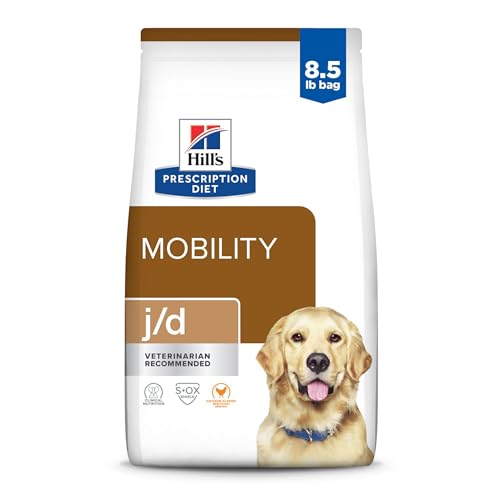
Hill’s Prescription Diet j/d Joint Care Dry Dog Food

IAMS Advanced Health Mobility Support Dry Dog Food Chicken

Wellness Bowl Boosters Joint Health Topper 4 oz
More Details On Our Top Picks
Toppers solve a specific problem: your dog’s current kibble is fine, but you want more joint support without throwing out a whole bag. This Instinct blend pairs cage-free chicken and beef with flaxseed, New Zealand green mussel, turmeric, and fenugreek, all gently freeze-dried rather than cooked at high heat. The 5.5-ounce pouch suits smaller dogs or trial runs before committing to a larger size.
In a busy household, sprinkling this over dinner takes seconds, and the raw aroma tends to wake up dogs who’ve grown bored of plain kibble. It also carries multivitamin support aimed at adults seven and up, which lines up well with when hip stiffness usually shows up.
Strong Points
- Green mussel and turmeric target hips and joints directly, not just general wellness.
- Freeze-drying preserves nutrients that high-heat processing can degrade.
- Works over any existing diet, so no transition period is needed.
- Skin, coat, gut, and energy benefits come bundled in the same scoop.
Things To Consider
- The 5.5-ounce bag runs out fast for large breeds fed daily, so cost per serving adds up.
- Freeze-dried pieces should be stored sealed and dry to keep their texture crisp.
Who It Suits Best
Owners of senior or picky dogs who want meaningful joint ingredients layered onto food the dog already accepts.
Where A Sibling Pick Shines
Dogs needing a full meal replacement rather than an accent will do better with Hill’s Science Diet Adult Perfect Weight & Joint Support below.
Extra weight is the quiet enemy of dysplastic hips, and this large-breed recipe attacks both problems at once. The formula targets metabolism and body weight through cell-level nutrition while clinically tested fish oil supplies EPA, an omega-3 fatty acid that supports joint tissue. Natural ingredients and US production round out the package.
For owners of Labs, German Shepherds, or similar frames carrying a few extra pounds, this is the kind of two-birds-one-bowl solution that simplifies feeding. Compared with the Instinct topper above, this replaces the entire diet instead of supplementing it.
What We Like
- EPA-rich fish oil supports hip and joint comfort in every meal.
- Weight-management design helps reduce load on compromised hips.
- Lean muscle support keeps big dogs strong as they slim down.
- Made in the USA with globally sourced ingredients under a widely trusted brand.
Minor Gripes
- Kibble pieces run large, which some small-jawed or older dogs may find awkward.
- The premium formula typically costs more per pound than standard maintenance foods.
At A Glance
Made For
Overweight large-breed adults whose hips need both nutritional support and a lighter frame to carry.
Swap It Out When
Smaller or normal-weight dogs are better served by the standard-size Hill’s Science Diet version at number five.
Most joint supplements lean on glucosamine alone. Native Pet takes a different angle, arguing that unchecked inflammation is what leaves joints stiff after activity, and builds its chew around three actives instead of one. Green-lipped mussel brings omega-3s and connective-tissue support, turmeric addresses inflammatory response, and collagen feeds cartilage itself.
The chews are air-dried with real chicken, so most dogs take them like a treat rather than a medication. That matters more than it sounds: a supplement your dog spits out does nothing, no matter how good the label reads. You can give them during or after meals, daily or as needed.
Highlights
- Three-system care covers inflammation, cartilage, and connective tissue together.
- Green-lipped mussel delivers omega-3s many basic glucosamine products skip.
- Soft air-dried format fits any routine without pill pockets or hiding tricks.
- Suitable for dogs of all ages, from young athletes to seniors.
Small Caveats
- A 30-count bag lasts roughly a month for one dog, so multi-dog homes go through it quickly.
- Chicken-based chews won’t suit dogs with poultry sensitivities.
Right Fit For
Active or aging dogs whose joints stiffen after walks and play, especially those already getting glucosamine without much change.
Another Choice May Suit
Pill-averse dogs whose owners prefer a flavorless option will get along better with the NuLife powder at number four.
Some dogs treat every chew and pill like a personal insult. For those animals, this odorless, flavorless powder from NuLife disappears into wet or dry food without detection. The core blend combines glucosamine, chondroitin, and MSM, three of the most widely used joint compounds, aimed at arthritis and hip dysplasia support.
There’s a secondary layer here too: organic coral calcium plus more than 70 trace minerals, included for bone health and immune function. In practical terms, one scoop at breakfast covers the day, and a 6-ounce tub stretches further than most chew bottles.
Plus Points
- Tasteless and odorless, so suspicious eaters rarely notice it.
- Glucosamine, chondroitin, and MSM form a classic triple-action joint stack.
- Coral calcium and trace minerals add bone and immune support.
- Powder format makes dosing easy to adjust with your vet’s guidance.
Points To Note
- Powder can settle in the bottom of dry kibble bowls unless mixed with something moist.
- No chewable appeal means dogs get zero enrichment from taking it.
Quick Facts
Who Should Grab It
Owners of stubborn or pill-hating dogs who want a low-cost, no-fuss way to add proven joint compounds to existing meals.
Reach For A Different Pick When
Dogs who enjoy treats and need anti-inflammatory support may respond better to Native Pet’s Inflammatory Care chews above.
This is the all-adult version of the large-breed Hill’s formula at number two, built around the same chicken and brown rice base. The weight-management technology targets healthy metabolism, while added fish oil delivers EPA for hip and joint function. Where it differs is flexibility: bags come in 3.5, 12, and 25-pound sizes, so you can start small or stock up.
That sizing range is genuinely useful. A beagle owner testing whether their dog likes the recipe isn’t stuck with a giant bag, and a multi-dog home can commit to the 25-pounder. Antioxidants for immune health and lean muscle support fill out the daily nutrition picture.
Bright Spots
- Three bag sizes fit trial runs and long-term feeding alike.
- Fish oil EPA supports joint comfort in every bowl.
- Weight-focused formula eases strain on vulnerable hips.
- Antioxidant blend supports immune health over time.
Softer Spots
- Weight-management recipes sometimes leave very active dogs hungry between meals.
- Transitioning from another food takes about a week to avoid stomach upset.
Whose Shelf It Belongs On
Moderate-sized adult dogs carrying extra weight, where owners want a complete diet rather than a topper or supplement.
Not Your Match When
Diagnosed joint disease calls for stronger medicine, and Hill’s Prescription Diet j/d at number seven is designed for exactly that situation.
Senior dogs with dental wear often struggle with kibble, and that’s where this canned recipe earns its spot. Real chicken leads the ingredient list, followed by glucosamine and chondroitin, the pair of compounds most associated with cartilage support. Vitamins C and E add immune backing, and the moisture content helps with daily hydration.
The twelve-can case works well as a full diet for small dogs or as a mixer stirred into dry food for bigger ones. Unlike the Hill’s entries earlier in this list, Blue Buffalo skips chicken by-product meals along with corn, wheat, and soy, which appeals to owners reading labels closely.
Reasons To Buy
- Glucosamine and chondroitin support joints in a soft, easy-to-chew format.
- High moisture content aids hydration, helpful for older dogs.
- No by-product meals, corn, wheat, or soy in the recipe.
- Doubles as a topper for dry food or a standalone meal.
Trade Offs
- Canned food spoils quickly once opened, so leftovers need refrigeration within hours.
- Twelve cans take up real pantry space compared with a single kibble bag.
Feature Snapshot
Who Will Love This
Older dogs with dental issues or strong preferences for soft food, plus owners wanting clean-label ingredients.
Look Elsewhere When
Dry-food households watching budget will find IAMS Advanced Health Mobility Support at number eight more economical per pound.
This is the clinical heavyweight of the list. Hill’s formulated j/d specifically for diagnosed joint disease, and the brand reports the recipe is clinically shown to improve a dog’s ability to run, walk, and jump in as little as three weeks. Glucosamine and chondroitin sulfate help preserve cartilage, while L-carnitine supports lean muscle and antioxidants back the immune system.
The catch is access and price. As a prescription diet, it requires veterinary authorization, and it costs meaningfully more than grocery-shelf kibble. For dogs with confirmed dysplasia or arthritis, though, many vets consider that spend justified. Bags come in 8.5 and 27.5 pounds.
Standout Traits
- Clinically demonstrated mobility improvements reported within weeks.
- Glucosamine and chondroitin sulfate help preserve joint cartilage.
- L-carnitine builds lean muscle to support movement.
- Developed by Hill’s nutritionists and veterinarians for joint disease specifically.
Honest Caveats
- Requires a veterinarian’s authorization before purchase.
- Costs more per pound than everyday maintenance foods.
Details At A Glance
Built With In Mind
Dogs with a veterinary diagnosis of hip dysplasia or arthritis whose treatment plan includes therapeutic nutrition.
Consider Something Else When
Healthy dogs needing only preventive support can skip the prescription route and use the Wellness topper at number nine.
Joint-support nutrition doesn’t have to carry a premium price tag. IAMS builds this chicken and whole-grain recipe around EPA, the same omega-3 fatty acid found in pricier formulas, to promote healthy cartilage and mobility. A natural source of glucosamine and chondroitin comes along in the ingredient mix.
Size selection is the quiet strength here: bags span 4.5 up to 36 pounds, which makes the per-pound math friendliest at the top end. There are no artificial flavors or preservatives, though the brand notes trace amounts may appear. Compared with the Hill’s picks above, you trade some formulation refinement for a much lower cost of ownership.
Upsides
- EPA supports cartilage and mobility at a mainstream price point.
- Natural glucosamine and chondroitin sources included.
- Five bag sizes suit everything from sampling to bulk buying.
- Complete, balanced adult nutrition with essential antioxidants.
Room For Improvement
- Contains grains, so grain-sensitive dogs need a different recipe.
- Joint support levels are lighter than clinical formulas offer.
The Right Fit
Households feeding one or several healthy adult dogs who want baseline joint support without stretching the monthly pet budget.
Where Another Pick Suits Better
Dogs needing aggressive joint intervention belong on Hill’s Prescription Diet j/d, reviewed just above this one.
Wellness approaches the topper idea from a slightly different direction than Instinct did back at number one. These freeze-dried pieces combine chicken with fruits, vegetables, and wholesome grains in a grain-free-friendly recipe sized for small, medium, and large breeds alike. The 4-ounce bag is the smallest in this lineup, which keeps the entry cost low.
It’s a sensible first step for owners unsure whether their dog will accept a topper at all. One caveat worth weighing: the tiny bag disappears quickly with a large dog eating it nightly, so committed users tend to move to the two-pack. Storage is simple since freeze-dried pieces keep well in a sealed pouch.
Positives
- Freeze-dried chicken and produce add joint-focused nutrition to any base diet.
- Sized for small, medium, and large breeds without dose guesswork.
- Low-commitment 4-ounce bag suits first-time topper trials.
- Two-pack availability rewards households that settle on it.
Worth Noting
- The 4-ounce quantity lasts only days for big dogs fed daily.
- Joint-specific actives are less concentrated than dedicated supplements provide.
Feature Rundown
Perfect Match For
Cautious first-timers and small-dog owners who want a gentle, affordable introduction to joint-support toppers.
Skip It When
Larger dogs with established stiffness get more value from the meatier Instinct Raw Boost Mixers at the top of this list.
Choosing Wisely: What Matters Before You Switch Bowls
Match The Format To The Problem
A dog with a formal dysplasia diagnosis needs different support than one showing early stiffness. Complete diets such as Hill’s j/d deliver therapeutic nutrient levels at every meal, while toppers and supplements layer targeted actives onto food your dog already eats. Start by asking your vet where your dog falls on that spectrum.
Know Your Key Ingredients
Glucosamine and chondroitin are building blocks associated with cartilage maintenance. EPA and DHA, omega-3 fatty acids from fish oil or green-lipped mussel, are linked to a healthy inflammatory response. MSM, collagen, and turmeric show up frequently as supporting players. Products listing these early on the label generally deliver more than those burying them.
Weight Control Is Joint Control
Every extra pound multiplies stress on compromised hips. Several picks here, notably the two Hill’s Perfect Weight formulas, pair joint nutrients with calorie-conscious nutrition for exactly that reason. For heavy-set dogs, weight management often produces more visible improvement than any single ingredient.
Plan The Transition
Dogs digest changes best gradually. Shift to a new food over seven to ten days, mixing increasing proportions into the old diet. Supplements and toppers can usually start immediately, but consistency matters: joint nutrients build effect over weeks, not days.
Key Considerations Across These Picks
Traps First Timers Fall Into
The most common mistake is buying a joint product without checking the active-ingredient amounts, ending up with a token dose hidden behind marketing. Another frequent slip is switching foods abruptly, which triggers digestive upset that gets blamed on the new recipe. Read labels closely and transition slowly.
The Case For Spending Up
Premium formulas justify their cost through clinically studied nutrient levels, veterinary formulation teams, and quality-controlled sourcing. Prescription diets sit at the top because they’re built for diagnosed disease, not prevention. For mild stiffness, a solid mid-range food plus a topper often covers the need; for confirmed dysplasia, the clinical tier earns its price.
Frequently Asked Questions
Can dog food really help with hip dysplasia?
Nutrition supports joint comfort and can ease strain, especially through weight management and omega-3s. It complements, but doesn’t replace, veterinary treatment for diagnosed dysplasia.
Should I choose a topper or a complete joint-support food?
Toppers suit dogs doing fine on their current diet who need an added boost. A complete joint-support food makes sense when you’re switching anyway or want consistent daily nutrient levels.
How long until I see results?
Joint nutrients typically build effect over several weeks of consistent feeding. Some clinical formulas report measurable mobility changes in as little as three weeks.
Are glucosamine and chondroitin safe for daily use?
Both are widely used in canine joint products and generally well tolerated. Confirm dosing with your vet, particularly alongside other medications.
Do large breeds need different joint nutrition?
Yes, large breeds benefit from formulas accounting for their size, growth rate, and higher joint load. The large-breed Hill’s entry above is designed around those needs.
Wrap Up
Hip dysplasia management starts in the bowl more often than people expect. Match the format to your dog’s situation: a clinical diet for diagnosed disease, a weight-conscious formula for heavy-set dogs, or a topper for a gentle first step. Whichever route you take, give it several consistent weeks and loop in your vet along the way. Your dog’s next comfortable zoomie session will thank you.
