

A cat peeing beside the box instead of inside it usually comes down to one of three things: the texture feels wrong underfoot, the box itself misses the mark, or the habit has already formed. The right litter can fix the first two, and a good attractant can nudge the third. This list covers both sides of that equation, from herbal-infused silica to pine pellets, plus one high-sided steel box built to contain the mess while you sort out the cause. Every option here suits a different cat and household, so match the pick to your situation rather than grabbing the first bag on the shelf.
The Shortlist At A Glance

Dr. Elsey’s Crystal Attract Silica Cat Litter 8lbs

NATURE’S LOGIC Pine Pellet Cat Litter Unscented 12 lb

Dr. Elsey’s Clean Tracks Clumping Clay Cat Litter 18 lb
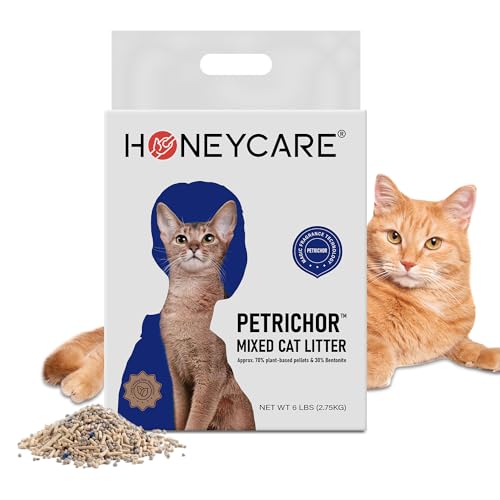
HONEY CARE Petrichor Mix Tofu Cat Litter 6 Lbs
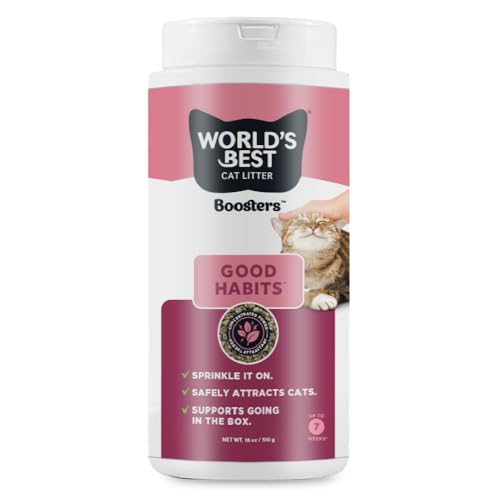
World’s Best Cat Litter Boosters Good Habits Additive 18 oz
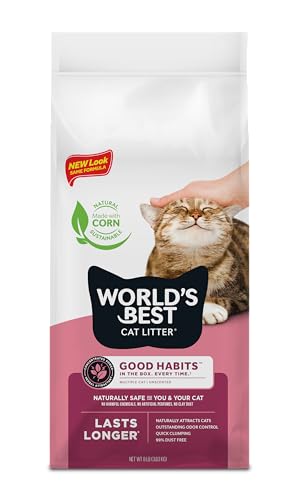
World’s Best Good Habits Cat Attract Litter Unscented 8 lb
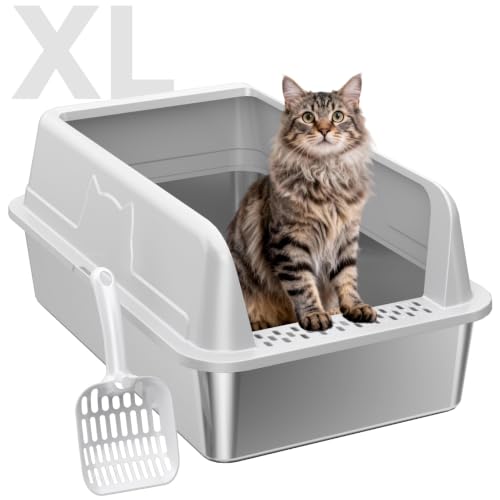
OneBug High-Sided Stainless Steel XL Cat Litter Box

So Phresh Pine Pellet Non-Clumping Cat Litter 20 lbs.
More Details On Our Top Picks
This silica gel litter carries an infusion of hydrolyzed herbs, plant compounds processed into a form cats can smell and respond to. The whole point is pulling a reluctant cat back toward the box, which makes it a direct answer to the outside-the-box problem rather than a generic filler.
The granule size is tuned for long-haired breeds, so it resists clinging to fur and coloring the coat. In a home with a Persian or Maine Coon who tracks litter everywhere, that single design choice saves daily sweeping.
Strong Points
- Herbal attractant gives hesitant cats a reason to re-enter the box
- Silica gel traps urine and odor at the source, cutting down ammonia smell between scoops
- Particle size suits long coats, so less ends up stuck to your cat and dragged across the house
- The four-bag pack keeps you stocked through a full transition period
- No heavy perfumes masking odors, just absorption doing the work
Things To Consider
- Silica is non-clumping, so solid waste removal takes slightly different technique than clay
- Some cats dislike crystal textures at first, so expect a gradual mixing-in period
Key Specs
Who It Suits Best
Long-haired cat owners dealing with a cat who has drifted away from the box and needs a scent-based invitation back.
A Better Fit Elsewhere
Shoppers wanting traditional scoopable clumps will get along better with Dr. Elsey’s Clean Tracks Clumping Clay Cat Litter further down this list.
Where the Dr. Elsey’s crystals lean on added attractants, this pellet skips additives entirely and bets on simplicity. It’s pressed from 100% Ponderosa pine, nothing else, which matters for cats whose box avoidance traces back to dusty or heavily scented clay.
The formula contains none of the silica particles found in typical clay litters, and it’s rated safe for kittens and small mammals too. Multi-species households appreciate that flexibility. Odor control holds up well for a non-clumping format, though expectations should stay realistic compared to bentonite clumpers.
Highlights
- Single-ingredient pine means fewer irritants for sensitive noses and paws
- Virtually dust-free pouring, a real difference in small apartments
- Safe around kittens and other small pets that share the space
- Natural pine aroma handles odor without perfume additives
Minor Gripes
- Pellets don’t clump, so liquid management relies on absorption and more frequent changes
- Cats raised on fine-grain clay may reject the larger pellet feel initially
Right Fit For
Homes prioritizing a minimal, unscented, low-dust litter for a cat with texture or fragrance sensitivities.
Swap It Out When
Anyone needing firm scoopable clumps should look at the World’s Best Good Habits corn-based litter instead, which clumps while staying plant-derived.
Tracking is its own trigger for box avoidance: litter scattered across the floor can make a cat treat the surrounding area as fair game. This medium-grain clay addresses that directly, staying put in the pan far better than fine sandy litters tend to.
It’s fragrance-free yet formulated to be tough on odors, a combination gentle noses and picky cats both tolerate. The 99% dust-free claim shows up in cleaner pours and less residue on nearby surfaces. Compared to the crystal version higher up this list, this one gives you familiar scoopable clumps with a lower-mess footprint.
Upsides
- Medium grain stays in the box instead of riding out on paws
- Fragrance-free formula suits cats and people sensitive to perfumes
- Low-dust composition keeps pour-time clouds and floor film down
- Clumping action makes spot-cleaning quick and thorough
Softer Spots
- Clay weight makes the 18 lb bag awkward to carry and haul upstairs
- Owners commonly report needing to top up the pan regularly as clumps remove volume
Made For
Households with hard floors near the litter area that want conventional clumping performance without the tracked mess.
Where A Sibling Pick Shines
Cats actively avoiding the box need the herbal pull of Dr. Elsey’s Crystal Attract Silica Cat Litter, not just a tidier clay.
This blend pairs plant-based pellets with bentonite clay, aiming to capture the soft paw feel of tofu litter alongside the fast clumping clay delivers. Bentonite, for context, is the swelling clay most scoopable litters rely on to form tight clumps on contact with moisture.
The 2mm pellet diameter is deliberately sized so paws can’t easily flick granules out of the pan, and the low-dust formula cuts down on the powdery prints that plague lighter litters. In practice, that combination suits cats who reject coarse pellets but also track fine clay everywhere. The 6 lb bag runs smaller than most rivals here, so multi-cat homes will cycle through it faster.
Bright Spots
- Hybrid texture bridges the gap between pellet loyalists and clay fans
- Quick clumping simplifies daily scooping versus pure pellet formats
- 2mm pellets resist being kicked or carried out of the box
- Plant-forward recipe appeals to shoppers avoiding all-clay setups
Points To Note
- Smaller bag size means more frequent repurchasing in busy households
- Blended formulas can cost more per use than single-material litters
- Transitioning from straight clay may take a week or two of gradual mixing
Feature Snapshot
Who Will Love This
Apartment dwellers whose cats have rejected both pure pellets and standard clay, and who want one litter covering both preferences.
Not Your Match When
Budget-focused multi-cat owners get better value per pound from So Phresh Pine Pellet Non-Clumping Cat Litter at the end of this list.
Not every fix requires replacing the litter your cat already tolerates. This canister is a sprinkle-on booster: a natural-scent attractant you dust over whatever litter is currently in the pan to encourage consistent box use.
That makes it the lowest-friction entry point on this list. A cat mid-transition after a move, a new pet, or a litter swap often just needs a stronger signal pointing back to the box, and this supplies it without changing textures underneath their paws. The 18 oz canister stretches across weeks of regular application, and it pairs naturally with the branded attractant litter reviewed next if you later decide to go all-in.
Plus Points
- Works with your existing litter, no full swap required
- Natural scent draws cats toward the box during habit rebuilds
- Canister format allows precise, repeatable dosing at each cleaning
- Useful bridge tool when introducing any new litter from this list
Small Caveats
- An additive supports behavior change but won’t resolve medical causes, so a vet visit comes first for sudden avoidance
- Results vary by cat, and some respond slowly over several weeks
Quick Facts
Who Should Grab It
Anyone whose cat uses the box inconsistently after a disruption and wants a low-cost, low-risk nudge before overhauling the whole setup.
Consider Something Else When
A complete litter replacement makes more sense for brand-new kittens, where the World’s Best Good Habits Cat Attract Litter builds the habit from day one.
This is the booster concept baked directly into the litter. Corn and plant fibers form the base, with a plant-based attractant infused throughout to draw the cat into the box on every visit. Unlike the clay options earlier in this roundup, the whole formula is food-grade derived, so a curious kitten sampling a few granules isn’t a crisis.
It clumps like a conventional litter, which keeps daily maintenance familiar. The unscented profile avoids the perfume problem that turns some cats off entirely. Owners switching litters should expect some initial pawing or tasting at the new material, which the brand notes is normal settling behavior rather than rejection.
Reasons To Buy
- Plant-based attractant encourages box visits without added fragrance
- Corn fiber base is safe around kittens prone to tasting litter
- Clumping performance matches what clay users expect from a scoop routine
Trade Offs
- Corn-based litters weigh less per bag, so the 8 lb supply depletes quicker in multi-cat homes
- Some owners report tracking of lightweight granules beyond the box perimeter
Whose Shelf It Belongs On
Kitten adopters and owners of young or anxious cats building reliable box habits from scratch.
Reach For A Different Pick When
Established adult cats that simply track mess benefit more from Dr. Elsey’s Clean Tracks Clumping Clay Cat Litter and its heavier grain.
Sometimes the litter isn’t the culprit, the box is. Cats who stand tall to pee, or who spray over low walls, send waste straight onto the floor no matter what’s inside. This XL steel pan answers that with walls rising just over ten inches, tall enough to catch overspray that would clear a standard tub.
The interior spans nearly 23 by 15 inches, giving large cats room to turn and dig comfortably, and a built-in anti-tracking step helps knock granules off paws on the way out. Stainless steel also resists the scratches and retained odor that plastic develops over time, which matters because lingering smell can itself drive a cat away. Pair it with any litter on this list for a containment-first strategy.
Standout Traits
- Tall 10-inch walls block urine overspray and scatter
- XL footprint accommodates big breeds and multi-cat rotation
- Steel surface wipes clean and doesn’t hold odor the way scratched plastic does
- Anti-tracking step reduces granules carried across the floor
- High sides give shy cats a sense of privacy while using the box
Worth Noting
- Steel construction adds noticeable weight, making relocation a two-hand job
- Kittens and senior cats with limited mobility may find the high entry challenging
Details At A Glance
Best Suited To
Owners of cats who pee standing up, spray over low edges, or share boxes in multi-cat homes where space and durability both matter.
Another Choice May Suit
Small kittens and arthritic seniors need easier access, so a low-entry pan paired with Dr. Elsey’s Clean Tracks Clumping Clay Cat Litter serves them better.
Rounding out the list is a bulk-format pine pellet aimed at sifter-box households. The pellets absorb liquid like tiny sponges, then expand and crumble into sawdust once used, which is exactly what a two-tier sifting pan wants: shake, and the spent material drops through while clean pellets stay behind.
There are no added fragrances, so the scent is plain wood, and that natural pine character neutralizes odor on contact. The 20 lb supply suits anyone committed to the pellet system long term. Compared to Nature’s Logic’s similar pine offering earlier in this list, this one leans harder on the sifting workflow and larger volume rather than a minimalist ingredient story.
Positives
- Breaks down into sawdust for mess-free sifting with no scraping
- Highly absorbent pellets handle liquid efficiently between changes
- No added perfumes, just the natural smell of pine
- Large 20 lb quantity reduces how often you reorder
Honest Caveats
- Non-clumping format demands a sifter-style box or more frequent full changes
- Used pellets swell noticeably, so waste volume grows before disposal
Core Details
The Right Fit
Sifter-box owners and eco-minded households wanting a fragrance-free, high-volume pellet system for one or two cats.
Look Elsewhere When
Cats that refuse pellet textures outright do better with the hybrid feel of HONEY CARE Petrichor Mix Tofu Cat Litter.
What Matters Most Before Choosing Litters For Cats Who Pee Outside Box
Texture And Paw Feel Come First
Cats vote with their paws. A grain that feels sharp, dusty, or unfamiliar underfoot is the most common reason a cat starts going elsewhere, so match the texture to what your cat already accepts. Long-haired breeds do better with larger particles that don’t mat into fur, while kittens usually take to softer, finer materials.
Attractants Help, But Rule Out Medical Causes First
Herbal and plant-based attractants work by making the box more inviting, and they genuinely help with habit-related avoidance. Sudden changes in bathroom behavior, though, can signal urinary issues that no litter will fix. A veterinary check comes before any product switch when the behavior appears out of nowhere.
The Box Is Half The Equation
Wall height, size, and cleanliness shape the decision as much as the fill. Tall-sided pans contain overspray from standing cats, while low entries suit seniors. Scoop daily regardless of which litter you choose, because even the best formula loses to a dirty box.
Weigh Cleanup Style Against Your Routine
Clumping clay rewards daily scooping, pellets reward sifting systems, and crystals reward patience between full changes. Pick the format matching the maintenance you’ll actually sustain, since abandoned routines undo every product advantage.
Key Considerations Across These Picks
Traps First Timers Fall Into
The classic error is swapping everything at once: new litter, new box, new location in the same weekend. Cats read that as upheaval and may avoid the whole setup. Change one variable at a time, mixing the new litter in gradually over a week or two. Another common slip is choosing on price per bag alone, then discovering the non-clumping format doubles your cleaning workload.
The Case For Spending Up
Higher-tier picks earn their cost through materials and design details: stainless steel that never holds odor, herb infusions that actually draw a reluctant cat back, pellet sizing engineered against tracking. Budget litters handle the basics, but a persistent avoidance problem usually justifies paying for the targeted feature, whether that’s an attractant or taller walls.
Frequently Asked Questions
Why does my cat pee next to the box instead of inside it?
Texture aversion, box height, or a learned habit are the usual culprits. An attractant litter or a better-suited box resolves most cases once medical causes are ruled out.
How long does a litter transition take?
Plan on one to two weeks of gradual mixing, increasing the new litter’s share every few days. Rushing the switch often triggers fresh avoidance.
Do attractant litters really work?
They help many cats, especially those drifting away after a disruption like a move. Results vary by individual, and they work best alongside a clean, well-placed box.
Should I use a covered or open box?
Open boxes suit most cats because they offer escape routes and better airflow. Covered designs trap odor from a cat’s perspective, which can discourage use.
When should I see a vet about litter box issues?
Any sudden change in bathroom habits warrants a vet visit promptly. Urinary problems can escalate quickly, and no litter substitutes for proper care.
Closing Thoughts
Fixing a cat who pees outside the box is rarely about finding one magic bag. It’s about matching texture to paws, sizing the box to the cat, and keeping the routine consistent long enough for the habit to reset. Start with the pick closest to your cat’s known preferences, change one thing at a time, and give each adjustment a fair window. Patience, plus the right gear from this list, gets most households back on track.
