

Dogs with irritable bowel issues turn every meal into a gamble. One wrong ingredient and you’re dealing with loose stool, gurgling stomachs, and a miserable pup at 2 a.m. The right food changes that equation entirely, which is why this list focuses on gentle formulas, limited ingredients, and gut-supporting fibers that hold up in real homes with real messes to clean.
The Shortlist At A Glance

Wellness Bowl Boosters Digestive Health Topper, Chicken, 4 oz

Hill’s Prescription Diet i/d Low Fat Wet Dog Food

Weruva Belly Belly Nice! Digestive Support Variety Pack
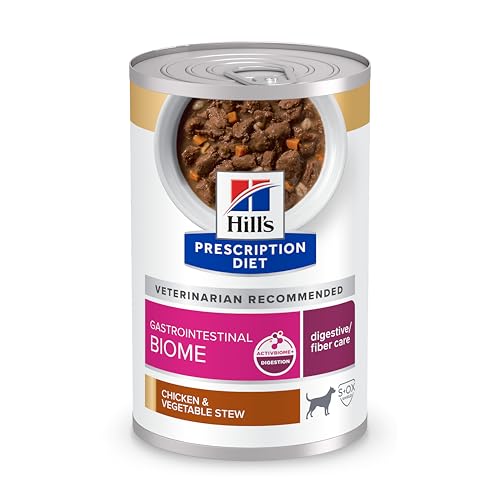
Hill’s GI Biome Digestive/Fiber Care Wet Dog Food

A Better Dog Food Salmon Dry Kibble + Freeze Dried Raw

VICTOR Sensitive Skin & Stomach Salmon Meal & Brown Rice, 5 lb

Royal Canin Digestive Care Loaf in Sauce, 13.5 oz (Pack of 12)

KOHA Limited Ingredient Bland Diet Chicken & White Rice

Hill’s Science Diet Sensitive Stomach & Skin Stew Variety Pack
More Details On Our Top Picks
Toppers are the lowest-risk way to test how your dog reacts to digestive-focused nutrition without overhauling an entire diet. This Wellness CORE formula uses freeze-dried chicken alongside fruits and vegetables, so a spoonful stirred into regular kibble adds gut-friendly variety. It suits small, medium, and large breeds alike, which matters in multi-dog homes.
The 4-ounce bag is small enough to stay fresh before you finish it, though that also means frequent repurchasing for daily use. Wellness sells the same booster format in heart, immune, joint, and skin-and-coat recipes, so you can rotate functions once your dog’s stomach settles.
Bright Spots
- Freeze-dried pieces keep nutrients intact better than heavily processed add-ins
- Sprinkles over any existing kibble, so no sudden diet switch upsets things further
- Grain-free chicken recipe avoids common filler triggers
- Works for every breed size, handy in mixed households
- Multiple functional recipes let you rotate benefits later
Small Caveats
- A 4-ounce bag goes quickly with daily use, so budget for repeat orders
- It supplements rather than replaces a complete meal plan
Quick Facts
Who Should Grab It
Owners of fussy eaters who want a gentle, reversible first step toward calmer digestion.
Where A Sibling Pick Shines
Dogs recovering from an active flare-up do better on the KOHA Limited Ingredient Bland Diet, which is built specifically for loose stool episodes.
Fat is one of the hardest things for an irritated gut to process, and that’s exactly the problem this Hill’s therapeutic formula targets. Developed by the brand’s nutritionists and veterinarians, it pairs highly digestible protein with a reduced fat load to help settle active digestive upset. Unlike the Wellness topper above, this is a complete meal meant to carry your dog through recovery periods.
You’ll find it in several formats, including a rice, vegetable, and chicken stew plus original flavor cans in 12.5-ounce and 13-ounce cases. Because it’s a prescription diet, expect a conversation with your vet before committing long term.
Reasons To Buy
- Low fat formulation gives inflamed digestive tracts less work per meal
- Highly digestible protein means more nutrition absorbed per bowl
- Stew texture tempts dogs whose appetite drops during flare-ups
- Backed by veterinary formulation rather than marketing claims
Points To Note
- Prescription status means vet approval is required before regular feeding
- Canned cases take up real pantry space compared with dry bags
- Therapeutic foods typically cost more per serving than maintenance diets
Right Fit For
Dogs whose vet has flagged fat intolerance or recurring digestive upset needing structured dietary management.
Swap It Out When
For fiber-related irregularity instead of fat sensitivity, the Hill’s GI Biome formula below is the more targeted match.
Single-serve cups solve two problems at once for sensitive-stomach dogs: portion control and freshness. Each 3.5-ounce cup in this Weruva ten-pack contains a complete serving, so nothing sits open in the fridge growing questionable. The digestive support lineup builds pumpkin, quinoa, and inulin (a plant-based prebiotic fiber that feeds beneficial gut bacteria) into familiar Weruva recipes.
The variety format lets you rotate proteins like chicken and salmon across the week, which helps you spot which ingredients agree with your dog. Compared with the larger Hill’s cans, these cups suit toy breeds and small appetites far better.
What We Like
- Pumpkin and inulin actively support stool consistency
- Individual cups eliminate leftovers and fridge storage worries
- Grain-free, gluten-free recipes skip common irritants
- Variety rotation helps identify trigger proteins
Trade Offs
- 3.5 ounces is too small to be a sole meal for medium or large dogs
- Cup packaging creates more waste than recyclable cans
Made For
Small-breed owners and anyone trialing wet food rotations without committing to full cases of one flavor.
Another Choice May Suit
Larger dogs needing a full wet meal will get better value from the Royal Canin Digestive Care loaf cans covered next.
Where the i/d Low Fat formula attacks fat intolerance, this Hill’s therapeutic recipe targets the microbiome itself. Its ActivBiome+ technology is designed to rapidly activate beneficial gut bacteria, and the soluble-to-insoluble fiber balance works toward regular, well-formed stools. For chronic irregularity, that fiber-first approach often matters more than anything else on the label.
The chicken and vegetable stew comes in a case format, and omega-3 fatty acids (DHA and EPA) round out the profile. Like its sibling above, it requires veterinary guidance, and it’s among the most frequently recommended therapeutic options by US vets.
Standout Traits
- Balanced soluble and insoluble fibers promote consistent bowel movements
- ActivBiome+ prebiotic blend supports microbiome balance quickly
- DHA and EPA omega-3s add anti-inflammatory nutritional support
- Stew format encourages eating during off-appetite days
- Formulated specifically for GI care by veterinary nutritionists
Honest Caveats
- Prescription requirement adds a vet visit before purchase
- High-fiber formulas can increase gas during the transition week
- Transition gradually over several days to avoid new upset
At A Glance
Who It Suits Best
Dogs with vet-diagnosed chronic stool irregularity whose issue traces back to gut flora imbalance rather than fat tolerance.
Not Your Match When
Healthy adult dogs just needing everyday maintenance will find the non-prescription Hill’s Science Diet stews at number nine simpler and easier to start.
This bag takes a different route than the canned options earlier in the list: high-protein kibble blended with visible pieces of freeze-dried wild-caught salmon, broccoli, and air-dried carrot. The whole-food approach means you can literally see what your dog is eating, something grain-heavy supermarket bags can’t offer. The kibble itself was formulated by a PhD in animal nutrition, which lends some credibility beyond the raw trend.
Salmon as the primary protein sidesteps chicken, a common sensitivity trigger. Owners commonly report the freeze-dried bits disappear first, so mixing thoroughly helps distribute them.
Plus Points
- Freeze-dried wild salmon delivers omega-rich protein in visible chunks
- Simple, recognizable ingredient list makes trigger-spotting easier
- Salmon-first formula avoids chicken, a frequent allergen
- Nutritionist-formulated kibble base keeps it a complete diet
Softer Spots
- Raw components demand careful bag sealing and cool, dry storage
- Higher protein levels don’t suit every dog with pancreatic sensitivities
Built With In Mind
Owners moving toward raw-style feeding who still want kibble convenience and a short, transparent ingredient list.
Reach For A Different Pick When
Dogs doing better on cooked, grain-inclusive diets tend to thrive on the VICTOR salmon meal and brown rice recipe coming up next.
Kibble remains the most practical daily format for most households, and VICTOR’s sensitive formula earns its spot by removing nearly every common trigger at once. There’s no chicken, corn, soy, or gluten here; salmon meal leads the ingredient list, with brown rice supplying gentle, digestible carbohydrates. Prebiotics and probiotics are baked in to nourish the gut microbiome directly.
The brand publishes its protein-source percentages on the front of the bag, a transparency habit worth appreciating. Available in 5-, 15-, and 30-pound bags, it scales from trial runs to bulk buying.
Highlights
- Probiotics and prebiotics support digestion and immune function together
- Omega 3, omega 6, and vitamin E nourish skin alongside the gut
- No chicken, corn, soy, or gluten removes the usual suspect list
- Three bag sizes fit both testing phases and long-term supply
- Proprietary VPRO supplement blend targets digestibility across breeds
Minor Gripes
- Salmon meal is a rendered ingredient, less premium-looking than whole fish
- Some dogs resist the switch from chicken-based kibble initially
Feature Rundown
Whose Shelf It Belongs On
Allergy-prone dogs whose itching and loose stools appear together, especially in households wanting affordable dry feeding.
Consider Something Else When
Dogs needing a prescription-grade intervention should step up to the Hill’s GI Biome stew reviewed earlier.
Royal Canin approaches digestion with precision rather than drama, and this loaf-in-sauce wet food reflects that. It’s formulated for adult dogs of every size with sensitive stomachs, using highly digestible ingredients that aim for optimal stool quality and balanced intestinal flora. No prescription is required, which puts it a step easier to start than either Hill’s therapeutic option.
The 13.5-ounce cans come twelve to a case, generous enough to serve as a full meal for medium and large dogs where the Weruva cups fall short. A matching dry version exists if you prefer mixed feeding.
Upsides
- Highly digestible formula reduces the workload on a reactive gut
- Supports balanced intestinal flora for steadier stool quality
- No vet authorization needed to begin feeding
- Full-size cans suit medium and large breeds properly
Things To Consider
- Twelve large cans demand serious pantry real estate
- Opened cans need refrigeration and get used within days
- Wet-only feeding costs more monthly than kibble equivalents
The Right Fit
Owners of adult dogs across all size ranges who want science-led digestive care without navigating prescription channels.
Look Elsewhere When
During acute diarrhea episodes, the KOHA bland diet is the faster, gentler reset option.
Every vet has recommended the same thing after a stomach episode: boiled chicken and white rice. KOHA simply put that classic bland diet into ready-to-serve cans, saving you the pot, the shredding, and the 3 a.m. cooking session. One protein source, plain white rice, and pumpkin for stool regularity make this about as simple as canine nutrition gets.
You can feed it exclusively during recovery or spoon it over regular food as a topper, similar in spirit to the Wellness booster but far blander by design. Cases come in six or thirty 12.5-ounce cans.
Reasons To Buy
- Ready to serve, no cooking required during stressful flare-ups
- Single animal protein minimizes trigger exposure
- Pumpkin and white rice support firmer stools naturally
- Doubles as a topper or a standalone recovery meal
Worth Noting
- Too plain for long-term exclusive feeding without vet input
- Once opened, cans require refrigeration and prompt use
Who Will Love This
Anyone whose dog has frequent short-term stomach upsets and wants a pantry standby that beats boiling rice at midnight.
Skip It When
Your goal is everyday preventive nutrition rather than recovery, in which case the VICTOR salmon and brown rice kibble fits better.
Closing out the list is the accessible option: Hill’s Science Diet stews made for adult dogs needing everyday digestive and skin support, no prescription involved. The variety pack alternates chicken and rice stew with turkey and vegetables stew, both slow-cooked in a texture dogs tend to finish eagerly. Vitamin E and omega-6 fatty acids address the coat side of the sensitive-stomach-and-skin pairing.
At 2.8 ounces per tray, portions lean small, so bigger dogs will go through packs quickly. Still, for mild sensitivity and budget-conscious feeding, it covers the basics cleanly.
Best Bits
- Two flavors prevent mealtime boredom without upsetting routines
- Easily digestible natural ingredients suit everyday sensitive stomachs
- Vitamin E and omega-6s support skin and coat condition
- No prescription needed, unlike the therapeutic Hill’s options
Areas To Watch
- 2.8-ounce trays are undersized for medium and large breeds
- Mild formulas won’t resolve severe or chronic GI conditions alone
Details At A Glance
Perfect Match For
Small-breed adults with mild sensitivities whose owners want trusted nutrition at a maintenance-level commitment.
Where Another Pick Suits Better
Dogs with diagnosed chronic conditions belong on the Hill’s GI Biome formula from pick four, under veterinary direction.
What Matters Most Before Choosing Dog Foods For Irritable Bowel
Identify The Actual Trigger
Irritable bowel symptoms trace back to different culprits: fat intolerance, specific proteins like chicken, insufficient fiber, or microbiome imbalance. Matching the food to the cause matters more than brand loyalty. A low-fat therapeutic formula helps one dog while doing nothing for another whose problem is fiber-related. Your vet’s guidance narrows this down fastest.
Fiber Type And Gut Support
Soluble fiber firms loose stool while insoluble fiber keeps things moving, and the best formulas balance both. Look for named prebiotics such as inulin or proprietary blends like ActivBiome+, plus added probiotics in kibbles like the VICTOR recipe. These feed beneficial bacteria rather than just masking symptoms.
Format Fits Your Routine
Cans and trays suit small dogs and low-appetite days but cost more per calorie and eat fridge space. Kibble stores easily and stretches budgets, while toppers offer a low-commitment starting point. Honest self-assessment of your storage and schedule prevents abandoned half-cases.
Transition Slowly, Always
Even the right food causes upset when swapped overnight. Blend increasing amounts of the new food into the old over seven to ten days, watching stool quality throughout. Patience during this window tells you more than any label claim.
Key Considerations Across These Picks
Traps First Timers Fall Into
The most common mistake is buying a therapeutic formula without veterinary input, then wondering why results disappoint or the wrong problem gets treated. Another frequent slip is switching foods too fast, which manufactures new symptoms that get blamed on the product. Skipping the transition period undoes even well-chosen nutrition.
When Paying More Pays Off
Prescription diets cost more because they’re built around specific clinical mechanisms, not broad marketing. For diagnosed conditions, that premium buys targeted results generic sensitive-stomach foods can’t match. For mild, occasional upset, a quality maintenance formula or bland-diet backup usually delivers everything needed at lower ongoing cost.
Frequently Asked Questions
Can diet alone manage my dog’s irritable bowel issues?
Diet is central to managing most digestive sensitivity, and many dogs improve significantly on the right formula. Persistent or severe symptoms still warrant veterinary evaluation to rule out underlying conditions.
How long before I see improvement after switching foods?
Most dogs show stool changes within one to two weeks of a gradual transition. Full adjustment can take three to four weeks, so judge results only after a complete switch.
Are grain-free formulas always better for sensitive stomachs?
No, grains aren’t inherently problematic, and some dogs digest brown rice comfortably. Trigger identification matters more than blanket grain avoidance.
Should I use a topper or a complete digestive food?
Toppers suit mild cases and picky eaters as a low-risk first step. Recurring or significant symptoms call for a complete digestive-focused diet as the meal base.
Do I really need a prescription for Hill’s therapeutic diets?
Yes, Hill’s Prescription Diet products are intended for use under veterinary supervision. Your vet confirms the formula matches your dog’s specific diagnosis.
Bottom Line
Sensitive stomachs reward patience and specificity. Start by matching the formula to the actual trigger, whether that’s the KOHA bland diet for acute episodes, VICTOR’s chicken-free kibble for allergy-prone dogs, or a vet-guided Hill’s therapeutic option for chronic cases. Transition slowly, watch stool quality, and give each choice a fair few weeks. Your dog’s gut will tell you when you’ve got it right.
