

Bringing a kitten home means litter box training starts on day one, and the wrong litter can set you back weeks. Kittens explore the world mouth-first, so texture, dust, and ingredients matter more than they do for adult cats. This shortlist covers gentle clumping options, low-dust formulas, and training aids built to make those first months cleaner for both of you.
The Shortlist At A Glance

Dr. Elsey’s Crystal Attract Silica Cat Litter 8lbs

World’s Best Cat Litter Comfort Care Unscented 8 lb
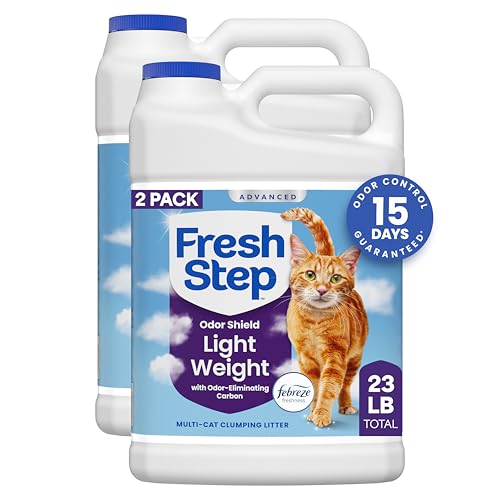
Fresh Step Advanced Odor Shield Light Weight Clumping Litter

Dr. Elsey’s Clean Tracks Clumping Clay Cat Litter 18 lb
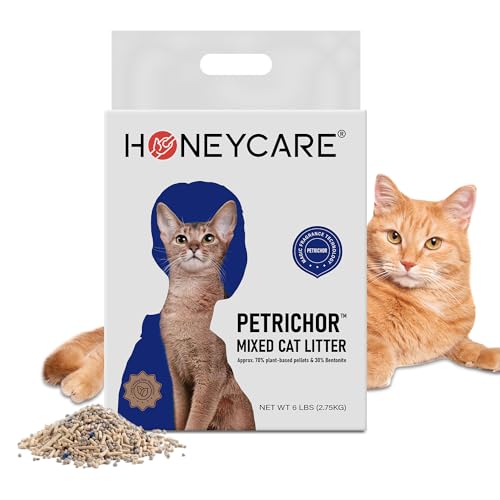
HONEY CARE Petrichor Mix Tofu Cat Litter 6 Lbs

Dr. Elsey’s R&R Stress-Reducing Clumping Clay Litter 18 lb
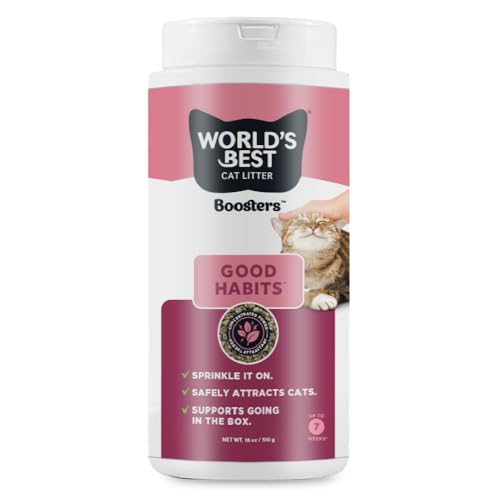
World’s Best Cat Litter Boosters Good Habits Additive 18 oz
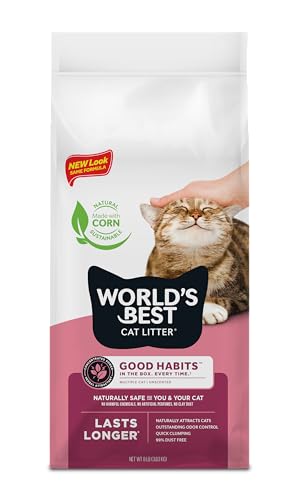
World’s Best Good Habits Cat Attract Litter 8 lb
More Details On Our Top Picks
Silica gel is a porous crystal material that absorbs moisture instead of swelling into clay clumps, and this version adds hydrolyzed herbs that pull hesitant cats toward the box. That scent cue matters most during housebreaking, when a kitten needs every nudge toward the right spot.
The particle size is tuned for long-haired coats, so granules tend not to cling or discolor fur between grooming sessions. Owners commonly report less mess around the pan compared with standard clay, though silica behaves differently at scooping time than the clumping picks further down this list.
Strong Points
- Herbal attractant encourages consistent box visits during training weeks
- Moisture-trapping crystals hold urine and odor inside the granule
- Coat-friendly particle size means fewer stuck granules on long fur
- Lightweight bag handling beats hauling heavy clay jugs upstairs
Things To Consider
- No clumping action, so solid waste removal works differently than clay
- Crystals need periodic full replacement rather than topping up
Key Specs
Made For
Kitten adopters dealing with housebreaking resistance, especially in homes with long-haired breeds.
Where A Sibling Pick Shines
Homes wanting traditional scoopable clumps will get along better with Dr. Elsey’s Clean Tracks below.
This corn-based formula skips the perfumes that can put sensitive noses off the box entirely. Because it clumps quickly around waste, daily scooping stays quick, which keeps the pan inviting enough for a kitten still learning the routine.
The flushable claim is the headline here: used clumps can go down the toilet in septic-safe homes, cutting trash volume noticeably. In our view that convenience suits apartments and small households best, where a litter pail fills up fast. Dust and tracking run lower than typical clay, though some granule scatter outside the box is normal with any pourable litter.
What We Like
- Fast-forming clumps make spot cleaning a thirty-second job
- Flushable and septic safe, so waste skips the garbage can
- Unscented profile suits kittens and humans bothered by fragrance
- Lower dust means less residue on nearby floors
Minor Gripes
- Corn material can track farther than heavier clay pellets
- Clumps may soften in very humid bathrooms, per widely reported owner feedback
The Right Fit
One- or two-cat households that value easy disposal over maximum odor armor.
Swap It Out When
Busy multi-cat homes should lean toward Fresh Step’s Odor Shield for stronger smell management.
Lightweight clay changes the carrying math: an 11.5-pound jug here does the work of a much heavier standard-clay pour, which your back notices on stair trips. Ammonia Block technology targets the sharp urine smell that builds fastest in shared boxes.
Activated carbon, the same odor-absorbing material found in fridge filters, works alongside a paw-activated freshness release each time your cat digs. Two bags per order stretch the value for households running more than one pan. The trade-off shows up in tracking, since lighter granules travel farther on paws than the dense grains in Dr. Elsey’s Clean Tracks.
Highlights
- Noticeably lighter jugs ease refills in walk-up apartments
- Carbon plus Ammonia Block tackle multi-cat smell buildup
- Two-bag format reduces how often you reorder
- Clumping action supports quick daily scooping
Softer Spots
- Lightweight granules tend to scatter beyond the box perimeter
- Added fragrance won’t suit fragrance-sensitive households
Feature Snapshot
Who It Suits Best
Multi-cat homes and anyone tired of hauling heavy litter containers.
Not Your Match When
Fragrance-free purists will prefer the unscented World’s Best Comfort Care above.
Tracking is the complaint that drives most litter returns, and this formula attacks it directly with a medium-grain clay that stays put in the pan. The name says it plainly: granules are sized to resist hitching rides out on paws.
It runs fragrance-free yet still manages odor through dense clump formation, and the brand lists it at 99% dust-free, which keeps the pour cloud down in small laundry rooms. Natural ingredients round out a profile that suits cautious first-time cat owners. Compared with the silica pick at number one, you gain true clumping at the cost of a heavier bag.
Plus Points
- Medium-grain clay resists scattering across hard floors
- 99% dust-free pouring protects airways in cramped spaces
- Fragrance-free formulation avoids overwhelming young noses
- Hard clumps simplify daily waste removal
Points To Note
- An 18 lb bag demands real storage room and lifting effort
- Clay requires regular complete box changes rather than flush disposal
Right Fit For
Owners of hardwood or tile floors who sweep constantly around a standard box.
Another Choice May Suit
Apartment dwellers short on muscle power will find Fresh Step’s lightweight jug easier to manage.
Tofu litter, made from processed plant fibers such as bean husks, has become popular because it pairs soft paw feel with water-soluble clumps. HONEY CARE blends those pellets with bentonite clay, a natural swelling mineral, aiming for quick clump formation from both worlds.
The 2mm pellet diameter is deliberately chunky, too large to lodge between tiny toe pads, which cuts tracked mess considerably. Low-dust behavior also means fewer paw prints trailing across your kitchen. One honest caveat: plant-based litters can spoil faster in damp corners, so rotation and dry storage matter more here than with clay.
Bright Spots
- Plant-and-clay hybrid balances softness with firm clumping
- 2mm pellets resist getting wedged in kitten paws
- Low-dust pour keeps surfaces cleaner after refills
- Plant-derived base appeals to sustainability-focused homes
Small Caveats
- Organic pellets need cool, dry storage to stay fresh
- Pellet texture takes some cats a few days to accept
At A Glance
Who Will Love This
Eco-conscious owners raising kittens on hard floors who want minimal sweeping.
Look Elsewhere When
Traditionalists wanting proven clay performance should stick with Dr. Elsey’s Clean Tracks.
Stress and litter avoidance go hand in hand, and this formula strips out the common irritants that can make a box feel hostile: no plant proteins, no perfumes, no deodorants. What remains is plain, hard-clumping clay listed at 99% dustless.
That near-zero dust figure is the practical payoff, since dusty pans can bother breathing passages in enclosed rooms. New arrivals settling into a busy household often do better with a neutral, predictable substrate like this one. Against its sibling Clean Tracks, the R&R leans harder into irritant-free simplicity while keeping the same 18 lb clay format.
Upsides
- Free of perfumes, deodorants, and plant proteins
- 99% dustless composition suits enclosed living spaces
- Hard clumps hold shape through daily scooping
- Neutral profile helps anxious new arrivals settle in
Worth Noting
- Heavy 18 lb bag is awkward for upper-floor apartments
- No added attractant, so stubborn trainers may need extra help
Quick Facts
Best Suited To
Households introducing a nervous rescue kitten alongside existing pets.
Reach For A Different Pick When
Training stalls persist, and the herb-scented Crystal Attract at number one offers stronger pull.
Not every fix requires replacing your whole litter supply. This 18 oz canister is a sprinkle-on additive that releases a natural scent designed to draw cats toward whatever litter already sits in the box.
That makes it a flexible tool mid-training: keep your current brand, add a measured shake, and let the attractant do the persuading. It’s built on natural, sustainable ingredients, which matters given how often curious kittens taste-test their surroundings. The obvious limit is scope, since an additive can’t improve clumping or dust on its own. Think of it as a training supplement, not a standalone solution.
Reasons To Buy
- Works with any existing litter brand in the pan
- Natural scent attracts without harsh chemical notes
- Small canister stores easily beside the box
- Cost-effective way to troubleshoot occasional accidents
Honest Caveats
- Requires consistent reapplication to maintain effect
- Does nothing for dust, clumping, or tracking performance
Who Should Grab It
Owners whose kitten uses the box inconsistently despite liking their current litter.
Consider Something Else When
A full attractant-infused litter makes more sense for brand-new setups, like the Good Habits litter below.
Where the number seven pick adds attraction after the fact, this litter bakes it in. A plant-based attractant is infused directly into the corn and plant-fiber base, encouraging box visits from the very first pour.
The safety angle is what earns it a slot for kitten owners specifically: the natural corn construction means a curious kitten sampling the litter isn’t a crisis, a scenario the brand itself acknowledges as normal exploration behavior. You also get unscented odor control and the same quick-clumping, flushable behavior as the Comfort Care formula earlier in this list. For most first-time kitten raisers, that combination removes two worries at once.
Standout Traits
- Built-in plant attractant pulls kittens toward the box
- Corn and plant fibers are gentler if sampled by a kitten
- Unscented odor control handles everyday smells quietly
- Flushable clumps simplify cleanup in suitable plumbing
Room For Improvement
- Plant-based granules track more than dense clay grains
- Attractant strength varies cat to cat, per commonly reported experiences
Details At A Glance
Whose Shelf It Belongs On
First-time kitten owners who want training help and ingestion peace of mind together.
Skip It When
Heavy tracking bothers you most, in which case Dr. Elsey’s Clean Tracks earns its keep.
Choosing Kitten Litter Without The Guesswork
Texture Comes First
Kittens judge a box by feel before anything else. Fine, soft granules mimic the sand-like surface they instinctively seek, while large pellets can discourage tiny paws. Watch how your kitten digs during the first week; hesitation at the edge usually signals a texture mismatch worth fixing early.
Dust And Ingredients Matter More Young
Young respiratory systems and constant face-level digging make dust a bigger deal for kittens than adults. Look for formulations advertised as 99% dust-free, and favor unscented options, since added perfume can overwhelm a developing nose and push the kitten away from the box entirely.
Ingestion Safety Is Non-Negotiable
Kittens taste-test everything, litter included. Plant-based bases such as corn or tofu fiber offer more forgiveness here than conventional clay. Until your kitten passes the chewing phase, a naturally derived formula buys real peace of mind during unsupervised hours.
Match Cleanup To Your Household
Flushable corn litters suit apartments with compatible plumbing, while clay demands trash disposal and periodic full changes. Honest self-assessment here prevents abandonment of a good product three weeks in.
Key Considerations Across These Picks
Traps First Timers Fall Into
The classic error is switching litters repeatedly during training, which resets progress every time. Pick one gentle formula and commit for several weeks before judging results. Another slip: scented varieties chosen for human noses, which frequently backfire with kittens.
When Paying More Pays Off
Premium pricing usually tracks three things: finer dust control, attractant infusion, and plant-based safety margins. Budget clay handles odor adequately, but households with sensitive kittens or persistent training trouble recover the difference quickly in saved cleaning time and fewer accidents.
Frequently Asked Questions
How soon should a new kitten start using litter?
Most kittens begin litter training between three and four weeks old, once they can climb into a low-sided pan. Provide a shallow box immediately on arrival so the habit forms from day one.
Can kittens safely use clumping litter?
Many veterinarians suggest waiting until a kitten reliably stops eating litter, often around three to four months, before switching to clumping clay. Plant-based clumping options offer an earlier middle ground.
Why does my kitten eat litter?
Sampling is normal exploratory behavior in young kittens and usually fades within weeks. Persistent eating past four months deserves a conversation with your veterinarian.
How often should the litter box be cleaned?
Scoop waste daily and refresh the full box every two to four weeks depending on the formula. Consistent cleanliness strongly influences whether a kitten keeps using the same spot.
Do attractant litters actually work?
Herb- and plant-based attractants give many kittens an extra cue toward the box, though individual response varies. They work best alongside good placement, low sides, and daily scooping.
Closing Thoughts
Training a kitten rewards patience more than any single purchase, but the right litter removes friction from every step. Start with a gentle, low-dust formula, add an attractant only where needed, and give any switch at least two weeks before judging it. Your future self, holding a scoop instead of a carpet cleaner, will appreciate the deliberation.
