

Fleas don’t wait for an invitation. One hitchhiking pest on your pant leg can turn into a full infestation in your carpet within weeks, and indoor cats are not immune. This roundup covers seven options across two formats, chewables you can hand out like treats and topicals you apply monthly, so multi-cat homes, budget-conscious owners, and anyone battling a picky eater can find a fit. Each pick below is matched to a specific situation rather than a generic ranking.
The Shortlist At A Glance

Carmelie Flea and Tick Prevention Chewables with Omega-3, 200ct

Sergeant’s Guardian Flea & Tick Topical Cats 6 lbs+, 3-Month
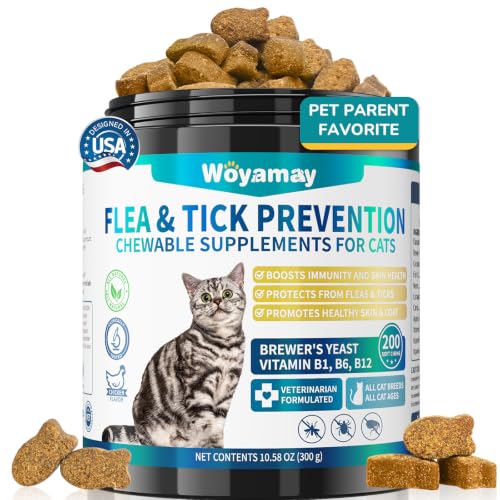
Woyamay Flea and Tick Prevention Chewables for Cats

VICSOM Cat Flea Treatment, Flea and Tick Prevention, 6 Doses
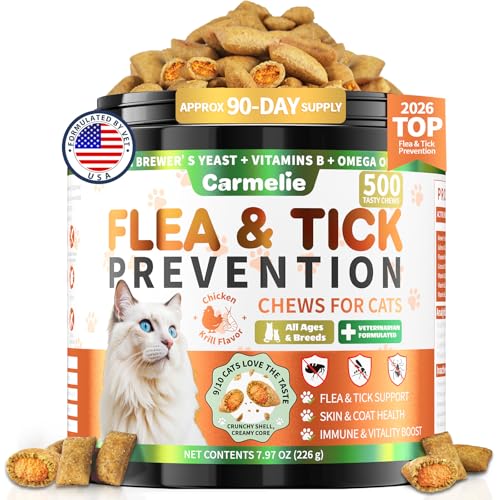
Carmelie Flea and Tick Prevention Chewables, 500 Crunchy & Creamy

Wagmee Flea Chews, 500 Crunchy & Creamy

Vectra for Cats Flea Treatment, Large Cats Over 9 lbs., 6-Month Supply
More Details On Our Top Picks
A 200-count jar of daily chews changes the math for busy households. Instead of wrestling a cat into a bath or holding still for drops at the shoulder blades, you hand over one soft treat and move on with your morning. The added omega-3 fatty acids pull double duty, supporting skin condition while the formula works from the inside out.
In our view, this is the most balanced chewable here because it pairs pest defense with coat care in a single step. Owners of long-haired cats often notice dryness during winter heating season, and that’s where the fish-oil component earns its keep.
Strong Points
- Omega-3 enrichment supports skin and coat while defending against pests
- Oral format means no greasy residue between the shoulder blades
- 200 chews stretch across months of daily serving for one cat
- Works from within, so grooming and cuddling stay mess-free
Things To Consider
- Daily compliance matters; skipped doses weaken the routine
- Jar storage away from humidity keeps the chews from softening
Key Specs
Made For
Owners who want a low-effort daily habit and care about coat condition as much as pest defense.
Where A Sibling Pick Shines
The Sergeant’s Guardian topical suits anyone who prefers a once-monthly application over remembering a chew every single day.
Three small vials, three months of coverage, one application per month. That simplicity is the whole appeal of this topical, which targets fleas and ticks on cats weighing six pounds and up. A spot-on treatment works by spreading through the oils of your cat’s skin after you part the fur at the neck, so there’s nothing to swallow and no flavor your cat can reject.
For households watching spending without wanting to skip protection entirely, this sits comfortably in the value tier. The honest trade-off is that topicals demand a steady hand and a temporarily annoyed cat, and some felines groom the area before it dries if you apply too far down the back.
Upsides
- Monthly dosing keeps the routine light compared to daily chews
- Sized for cats six pounds and heavier, covering most adult house cats
- Three-dose pack covers a full quarter without reordering
Small Caveats
- Application site should stay undisturbed until dry, which takes patience
- Not intended for kittens under the stated weight threshold
- Some cats dislike the liquid sensation more than any chew
Who Should Grab It
Budget-minded owners of average-weight adult cats who can commit to a reliable monthly schedule.
Swap It Out When
Picky eaters aside, cats under six pounds are better served by the Woyamay chewables, which suit small frames and all life stages.
Where the Carmelie jar leans on omega-3, this Woyamay formula spreads its ingredient list wider: coconut oil, flaxseed, brewer’s yeast, fish oil, and B vitamins. Brewer’s yeast, a common B-vitamin-rich supplement, is the traditional backbone of natural pest-defense chews. The chicken flavor and crush-and-mix flexibility make it workable even for cats who turn their nose up at whole tablets.
The standout detail is suitability across ages, from kittens to seniors, which few products in this category claim outright. You may find the softer texture easier on older teeth than crunchy alternatives.
Reasons To Buy
- Formulated for every life stage, kitten through senior
- Crushable texture mixes into wet food for stubborn eaters
- Fish oil and B vitamins nourish skin alongside pest defense
- No harsh chemicals or artificial additives in the blend
- Chicken flavor lands well with most cats per owner reports
Points To Note
- Natural formulas generally act more gradually than chemical topicals
- Daily serving required, so consistency is everything
Quick Facts
Right Fit For
Homes with very young or very old cats who need a gentle, food-based approach rather than a chemical spot-on.
Not Your Match When
An active, heavy infestation calls for the VICSOM topical instead, since it targets eggs and larvae directly.
This is the pick for a problem, not just a precaution. The VICSOM topical goes after the full flea lifecycle: adults, eggs, larvae, and pupae development, the dormant stage where most infestations quietly restart. Six doses mean half a year of monthly applications, roughly double the runway of the Sergeant’s Guardian pack reviewed earlier.
Each dose provides around 30 days of coverage, and no prescription is needed. In a household already seeing fleas in the bedding, breaking that lifecycle matters more than anything else on this list.
Plus Points
- Addresses eggs, larvae, and pupae, not just visible adults
- Six doses cover roughly six months of monthly use
- Fast-acting 30-day protection window per application
- Available without a veterinary prescription
Trade Offs
- Topical liquid requires careful placement and drying time
- Monthly calendar reminders help; missed doses create gaps
At A Glance
Whose Shelf It Belongs On
Anyone dealing with an active infestation or living in a warm climate where flea seasons run long.
Consider Something Else When
Cats who fight topical application tooth and nail will do better with the Carmelie 200ct chews, which need only be eaten.
Think of this as the bulk-bin version of the number-one pick. The same brand doubles the jar to 500 chews and builds the formula around brewer’s yeast, coconut oil, and salmon oil, aiming at a dual job: making your cat less appealing to pests while easing dryness, itching, and shedding. Two cats sharing one jar still leaves months of daily servings before a reorder.
The dual-texture naming suggests a crunch outside with a softer center, which tends to go down easier than uniform hard tablets. Worth noting though, a jar this size needs a cool, sealed spot in the pantry.
Bright Spots
- 500-chew supply suits two-cat homes or long stretches between orders
- Salmon oil supports shine and reduces visible shedding
- Dual-action framing covers both defense and skin comfort
- Crunchy-creamy texture appeals to cats who reject hard pills
Softer Spots
- Large jar demands proper sealing to keep chews fresh
- Overkill for a single-cat home that prefers smaller purchases
Core Details
Who Will Love This
Multi-cat households and owners committed to a daily chew habit who want fewer repeat purchases.
Another Choice May Suit
Single-cat owners testing the waters should start with the smaller Carmelie 200ct jar before committing to bulk.
The Wagmee jar matches the Carmelie 500-count format but takes the ingredient list in a herbal direction: coconut oil, pumpkin powder, and rosemary extract. Rosemary has a long history in natural pet care, and pumpkin powder adds fiber that many owners appreciate for digestion alongside the pest-support role. The concept is inside-out: regular daily chews make your cat less interesting to fleas and ticks over time.
Compared to the Woyamay chews earlier in this list, the Wagmee blend skips fish oil, so coat gloss depends more on your cat’s existing diet. The honest read is that this fits owners who prioritize plant-based ingredients above everything else.
What We Like
- Herbal roster including rosemary extract and pumpkin powder
- 500 chews provide a generous multi-month supply
- Crunchy-creamy format works as a treat or meal topper
Minor Gripes
- No fish oil means less direct coat-conditioning support
- Herbal approaches typically need weeks of consistent use
- Store sealed and dry to preserve texture over a big jar’s lifespan
Best Suited To
Natural-first owners comfortable with gradual results and a strict daily serving rhythm.
Look Elsewhere When
Coat improvement matters equally to pest defense, the Carmelie 500ct jar with salmon oil is the stronger match.
Maine Coons, Ragdolls, and other oversized house cats finally get a dedicated option. This Vectra six-pack is dosed specifically for cats over nine pounds and eight weeks of age, and its distinguishing mechanic is contact action: fleas don’t need to bite before the product takes effect, which also interrupts the cycle at the egg, larva, and pupa stages. Fewer bites means less scratching, and less scratching means fewer skin flare-ups to manage later.
Against the VICSOM six-dose pack, the difference is weight targeting rather than philosophy; both run monthly. One thing worth considering is that a six-month box rewards owners who plan ahead, since the vials sit ready in a drawer.
Standout Traits
- Contact-based action works before fleas bite
- Dosed for large cats over nine pounds
- Six-month supply minimizes reordering
- Approved for kittens eight weeks and older within the weight range
- Disrupts eggs, larvae, and pupae alongside adults
Areas To Watch
- Oversized cats under nine pounds need a different formulation
- Standard topical caveats apply: keep the site dry until absorbed
Spec Overview
The Right Fit
Owners of big-breed cats who want set-it-and-forget-it monthly protection across half a year.
Skip It When
Smaller cats belong with the Sergeant’s Guardian topical, which starts at the six-pound mark.
Choosing Between Chews And Topicals Without Guesswork
Format First, Formula Second
Your cat’s temperament decides more than any ingredient list. A cooperative eater makes daily chews painless, while a cat who spits out tablets will sabotage even the best formula. Topicals reverse that equation: one calm application per month replaces thirty daily negotiations, but the liquid needs undisturbed drying time.
Match The Product To The Problem
A prevention routine and an active infestation call for different tools. Natural chews built on brewer’s yeast and oils work gradually as a standing defense, whereas lifecycle-breaking topicals that address eggs and pupae suit homes already seeing fleas. Weight thresholds matter too, since products like Vectra start at nine pounds and Sergeant’s Guardian at six.
Household Logistics Count
Two cats change the economics of bulk jars, and a chaotic schedule favors monthly topicals over daily chews simply because there are fewer chances to forget. Storage matters as well: large chew containers need cool, sealed pantry space to hold texture for months.
Key Considerations Across These Picks
Traps First Timers Fall Into
The most common slip is buying for the wrong weight class, which either underdoses a big cat or overwhelms a small one. Another frequent mistake is abandoning a natural chew after a week; these formulas build effect over consistent daily use. Skipping the drying window after a topical application lets grooming undo the dose.
The Case For Spending Up
Higher-tier options buy lifecycle coverage and larger supplies. Six-dose packs like VICSOM and Vectra interrupt eggs and pupae, stages cheaper products ignore, and bulk jars drop the cost per serving considerably. For multi-cat homes or long flea seasons, that upgrade pays for itself in convenience.
Bottom Line
There’s no single right answer here, only the right match for your cat’s size, temperament, and your own routine. Daily chew people should look hard at the Carmelie jars, while monthly-application owners get strong value from VICSOM or Vectra depending on weight. Start with the format your cat will actually tolerate, because consistency beats potency every time. Whichever route you take, sticking with it through the season is what keeps the scratching away.
