

Hay and pasture rarely cover every trace mineral a horse needs, and gaps show up as dull coats, poor hoof quality, or low stamina over time. Loose minerals fill those holes without changing your entire feeding program. This roundup covers eight options for different situations: full-spectrum balancers, hydration-focused salt blends, targeted iron or selenium support, and digestive formulas. Whether you run a small backyard barn or manage performance horses, there’s a fit here for your setup.
The Shortlist At A Glance

REDMOND Goat Mineral Supplement Mix (5 LB)
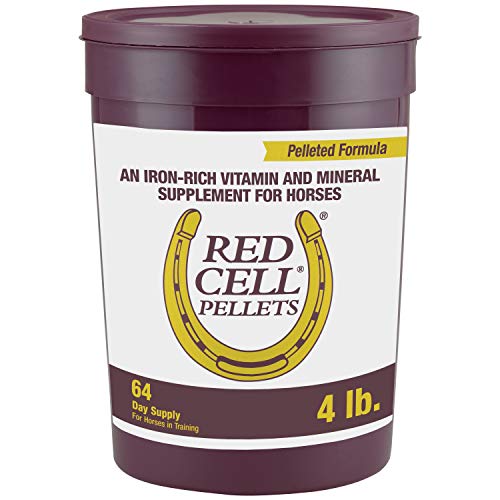
Farnam Red Cell Pellets 4 Lbs.

Daily Red Crushed Loose Minerals

Purina Free Balance 12:12 (25 lb.)

MagnaGard Gastric Support Powder 6 lb.

Farnam Apple Elite Electrolyte Paste 60 cc

Vita Flex Pro E & Selenium Supplement

Horse Guard Equine Mineral Supplement 4.6 lb
More Details On Our Top Picks
This bag comes from an ancient sea deposit in Central Utah, which gives it a naturally broad base of more than 60 trace minerals before anything is added. On top of that base, REDMOND fortifies the mix with selenium at 30 ppm along with manganese, cobalt, copper, iodine, zinc, and vitamins A, D, and E.
The five-pound size suits homesteads running a few head of mixed livestock rather than a large barn. Because nothing is chemically processed, you get a straightforward free-choice product with no filler ingredients listed.
Strong Points
- Sixty-plus trace minerals cover deficiencies common in forage-only diets
- No fillers or byproducts means cleaner ingredient reading at the feed store
- Vitamins A, D, and E round out what hay alone typically lacks
- Small bag keeps product fresh in humid climates where bulk bags clump
Things To Consider
- Marketed primarily for goats, so confirm dosing guidance fits equine needs with your vet
- Five pounds goes quickly with multiple animals sharing one feeder
Who Should Grab It
Homesteaders keeping goats alongside a horse or two who want one clean mineral tub for everyone.
A Better Fit Elsewhere
Horse-only households will find Purina Free Balance 12:12 better matched, since it is formulated specifically around hay and pasture rations.
Iron matters because it builds hemoglobin, the protein inside red blood cells that ferries oxygen to working muscles. Horses with documented nutritional iron shortfalls often show it first as flat energy and a dull coat, and this pellet format exists to address exactly that gap. The four-pound bag stretches roughly 64 days per horse, which makes daily top-dressing easy to budget.
Unlike REDMOND’s loose sea-mineral approach, this is a fortified pellet built around iron plus a long vitamin list: B1, B2, B6, B12, A, D3, E, K, biotin, niacin, folic acid, copper, zinc, selenium, and manganese. Pellets also tend to waste less than loose powder when fed on top of grain in a busy stable.
What We Like
- Iron plus B-vitamin stack supports normal red blood cell production and stamina
- Pellet form mixes cleanly into daily grain without sifting to the bucket bottom
- 64-day supply per bag simplifies reorder timing for multi-horse barns
- Coat condition support shows up as a practical side benefit owners commonly report
Worth Noting
- Iron supplementation isn’t right for every horse, so a vet check and bloodwork make sense first
- Store the bag sealed and dry, since pellets can soften in damp tack rooms
Key Specs
Made For
Owners of hard-working or recovering horses whose veterinarian has flagged a nutritional iron need.
Swap It Out When
A general balancer fits better if bloodwork is normal; Horse Guard covers broad vitamin and mineral needs without the iron emphasis.
Hydration is where this one earns its spot. The crushed sea salt and electrolyte blend is designed to trigger drinking, which matters most during summer work, hauling, or any stretch where sweat losses climb. Salt does double duty here, supporting nerve and muscle contraction alongside fluid intake.
Compared with the pellet-based Farnam option above, this stays true to the loose-mineral category: nature-made trace minerals in a pourable form you can offer free-choice or mix into feed. The 25-pound refill bag suits barns going through salt steadily, while a smaller garlic-flavored five-pound option exists for pickier eaters.
Highlights
- Encourages water intake, the cheapest insurance against dehydration-related colic risk
- Electrolytes replace what sweat strips during training or hot hauls
- Loose form works free-choice in a covered feeder or top-dressed on grain
- 25-pound refill keeps cost per serving down for multi-horse operations
Small Caveats
- Needs a weather-protected feeder, since loose salt cakes after rain exposure
- Garlic flavor won’t appeal to every horse, so palatability varies by animal
Feature Snapshot
Right Fit For
Owners of horses in regular summer work or frequent travel who need drinking water habits to hold up under stress.
Where A Sibling Pick Shines
For instant replacement mid-event, Farnam Apple Elite Electrolyte Paste delivers faster than any loose blend can.
Horses living entirely on hay and pasture miss nutrients that today’s forages simply don’t supply consistently, and this granular balancer was built to close that specific hole. The standout engineering detail is Purina’s weather-resistant delivery system, which helps the granules resist absorbing water and blowing out of open feeders. Anyone who has scooped soggy mineral mush out of a trough after a storm will appreciate why that matters.
Vitamin E is included as an antioxidant to help counter free-radical damage, and the overall fortification targets bone strength, immune function, and reproductive health. Vitamin stability treatment keeps nutrients bioavailable through the life of the bag, unlike some unprotected premixes that degrade in storage.
Upsides
- Weather-resistant granules survive outdoor feeders far better than fine powders
- Antioxidant vitamin E supports horses under oxidative stress from work or age
- Formulated specifically to balance hay-and-pasture rations, not guesswork
- Stabilized vitamins hold their potency longer in storage
Points To Note
- Granular texture may sift through wide-mesh feeders designed for blocks
- Intake should be monitored, since palatable balancers can be overeaten by easy keepers
At A Glance
Who Will Love This
Managers of pasture-kept horses with no grain ration who want set-and-forget mineral coverage.
Consider Something Else When
Digestive trouble is the main concern instead; MagnaGard’s magnesium-forward powder addresses gut comfort directly.
Some horses don’t need a broader mineral program so much as a calmer gut. This powder leans on magnesium, a mineral with a reputation for taking the edge off anxious animals, and buffers excess stomach acid that contributes to ulcer discomfort. High-strung horses often eat and focus better once their digestive tract settles, which is the whole logic behind the formula.
The current six-pound bag holds roughly 45 days of servings, up half again from the older four-pound version. Ingredients are all-natural and show-safe according to the maker, meaning it can be fed continuously rather than cycled like some ulcer medications.
Reasons To Buy
- Magnesium content supports a calmer demeanor in reactive horses
- Acid-buffering action targets the environment where gastric ulcers develop
- Show-safe formulation allows uninterrupted daily feeding through competition season
- Larger six-pound bag stretches to about 45 days per horse
Honest Caveats
- It’s a supplement, not a veterinary treatment, so diagnosed ulcers still need professional care
- Powder must be mixed thoroughly or picky eaters may sort it out of their grain
Quick Facts
Who It Suits Best
Competitors and trailer-bound horses that get tense, go off feed, or show mild ulcer-type discomfort under stress.
Not Your Match When
General hay-diet balancing is the goal, in which case Purina Free Balance 12:12 offers wider nutrient coverage per dollar.
Every trailer rig should have one of these in the tack box. Sweat strips sodium chloride, potassium, calcium, and magnesium faster than any horse can eat them back, and a syringe paste puts those electrolytes to work within minutes instead of waiting on a feeder. Long hauls, hot competition days, and cold-weather travel all qualify.
The apple flavor helps acceptance, which matters when a stressed horse is already off its routine. Unlike Daily Red’s loose blend, this is zero sugar and built for rapid delivery rather than steady daily intake, so the two actually complement each other in a complete program.
Bright Spots
- Rapid paste delivery replaces sweat-lost minerals fast after hard effort
- Zero sugar formula encourages water intake without adding dietary sugar load
- Apple flavor improves acceptance in tired or travel-stressed horses
- Syringe format travels easily and doses precisely, no measuring required
Softer Spots
- Single 60 cc syringe covers limited uses, so frequent competitors burn through them quickly
- Paste can dry out at the tip between uses, so recap tightly after each dose
Whose Shelf It Belongs On
Event riders, endurance folks, and anyone hauling long distances who needs fast rehydration backup on the road.
Reach For A Different Pick When
Everyday pasture hydration is the aim; Daily Red Crushed Loose Minerals handles that job more economically.
Selenium deserves a quick definition: it’s a trace mineral many North American soils are short on, and horses grazing those regions can’t get enough from forage alone. Paired with vitamin E, it forms an antioxidant team that protects muscle cells from oxidative stress, which is why this pairing shows up in so many conditioning programs.
Vita Flex builds its blend on a yeast culture base, which serves two purposes: it improves palatability so fussy eaters accept the scoop, and it supports digestion so nutrients absorb well. The four-pound size runs about 64 days, with a 20-pound tub available for barns committed long-term.
Plus Points
- Paired vitamin E and selenium address a deficiency common across much of the continent
- Antioxidant support aids muscle recovery after demanding work
- Yeast culture base boosts both taste and nutrient absorption
- Two size options let you start small before committing to bulk
Room For Improvement
- Selenium has a narrow safety margin, so total dietary intake across all feeds needs checking
- Regional soil testing helps confirm whether your horse actually needs added selenium
Details At A Glance
Best Suited To
Owners of performance horses in selenium-poor regions following a structured conditioning plan.
Another Choice May Suit
Horse Guard bundles organic selenium with a fuller vitamin and probiotic package, suiting barns wanting one scoop for everything.
This is the do-everything option on the list. Each dose supplies the vitamins and trace minerals typically missing from plain hay, adds organic selenium and vitamin E like the Vita Flex entry above, and layers in probiotics and prebiotics to help the gut extract more value from every flake of forage. Hoof strength gets attention too, with 4.5 mg of biotin per serving.
The maker states pharmaceutical-grade sourcing for its ingredients, which speaks to consistency batch to batch. For a hay-only diet, one product covering mineral, digestive, and hoof bases is genuinely convenient.
Standout Traits
- Probiotics and prebiotics support gut function and feed efficiency
- Organic selenium plus vitamin E covers the most common forage gaps
- 4.5 mg biotin per dose contributes to stronger hooves over time
- Pharmaceutical-grade ingredient sourcing supports consistent dosing
- One scoop replaces several separate supplements in a hay-only program
Minor Gripes
- Four-point-six pounds runs out faster than bulk tubs, so multi-horse barns will reorder often
- Combined actives mean less flexibility to adjust individual nutrients independently
Core Details
The Right Fit
Owners feeding straight hay with no grain who want comprehensive coverage from a single daily scoop.
Where Another Pick Suits Better
Targeted iron support calls for Farnam Red Cell Pellets instead, since this formula spreads its budget across many nutrients.
What Matters Most Before Choosing Loose Minerals For Horses
Match The Formula To The Diet
Start with what your horse actually eats. Straight hay and pasture create different gaps than a fortified grain ration, and doubling up on selenium or iron through overlapping products causes real problems. Read every label in your feed room before adding anything new.
Know Your Region And Your Horse
Soil maps matter more than marketing. Selenium-deficient areas across much of North America justify an E-and-selenium product, while other regions already have adequate levels. A basic blood panel through your veterinarian removes the guesswork cheaply.
Format Drives Compliance
Loose salt works free-choice but needs weather protection, pellets top-dress cleanly, and pastes deliver fast in emergencies. Honest self-assessment helps: the best formula on paper fails if your horse refuses it or the feeder turns to mush after rain.
Watch Intake, Not Just Ingredients
Palatable minerals invite overconsumption, especially with easy keepers. Covered feeders with measured openings, or controlled daily dosing, keep intake where the label intends it.
Key Considerations Across These Picks
Traps First Timers Fall Into
Stacking supplements is the classic error: a balancer plus a selenium product plus a hoof formula can push certain minerals past safe limits. Skipping a forage analysis is the second one, since guessing at hay quality leads to buying nutrients your pasture already provides.
The Case For Spending Up
Higher-tier products pay for stabilized vitamins, organic mineral sources, and delivery systems that resist weather and waste. Cheaper premixes often lose potency in storage or blow out of the feeder, so the effective cost per absorbed nutrient can favor the premium bag.
Frequently Asked Questions
Do horses on good pasture still need loose minerals?
Usually yes, since even quality forage rarely supplies consistent copper, zinc, selenium, and salt. Soil variation within a single field can leave noticeable gaps.
Can loose minerals replace a salt block?
In most cases they include salt and work better, because horses lick blocks inconsistently. Loose forms allow intake that matches actual sweat loss and need.
How long before I see results?
Coat and energy changes often appear within four to eight weeks. Hoof improvements take longer, since new horn growth cycles through over several months.
Is too much mineral dangerous?
Yes, particularly with selenium and iron, which have narrow safety margins. Total intake across all feeds and supplements should be calculated together.
Should I consult a vet before starting?
A quick conversation and possibly a blood panel is the smart move. It prevents overlap with existing feeds and confirms actual deficiencies worth addressing.
Wrap Up
Your horse’s diet, workload, and local soil should drive the choice more than any ranking. Hay-only diets point toward Horse Guard or Purina Free Balance, working horses benefit from Daily Red’s hydration focus, and travel-heavy schedules justify keeping Farnam’s paste syringe on hand. Start with one product, give it a fair window, and adjust based on what your horse actually shows you.
