

Rabbits spend most of their lives on their feet, so the surface under them matters more than most new owners expect. Wire floors cause sore hocks, bare hardwood gets soaked in urine, and the wrong bedding turns a weekly chore into a daily one. This roundup covers seven flooring options that solve different parts of that problem, from full-room foam tiles to washable fleece liners. Whether you run an indoor playpen or a wire hutch setup, there’s a fit here for your space and your cleaning routine.
The Shortlist At A Glance

Sorbus Wood Grain Foam Floor Tiles (Light Pine)

DZWLKJ Cage Liner Tarp Bottom 24×48
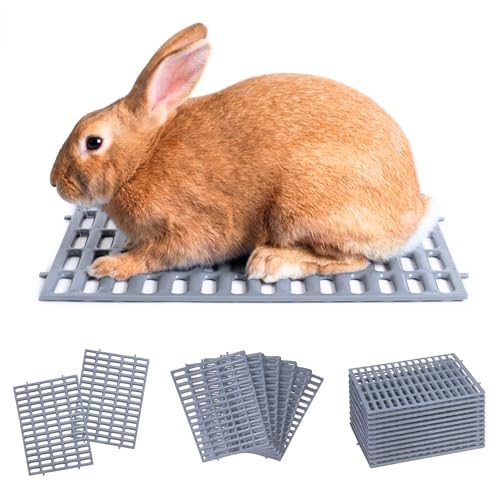
Planet Rabbit Plastic Cage Mats Gray 6 Pack

Oncpcare Rabbit Scratch Mat Sisal 16×12

Oncpcare Waterproof Playpen Mat 59×39 Black

Oncpcare Fleece Cage Pads 11×11 Grey

Bissap Guinea Pig Cage Liners 47×24 Pink
More Details On Our Top Picks
Rabbit nails slide on hardwood and laminate, which makes every hop a small gamble. These interlocking EVA foam tiles give your bunny traction while sparing your actual floor from scratches and accidents. The light pine wood-grain print is subtle enough to blend into a living room instead of shouting “pet zone.”
Sixteen tiles cover sixteen square feet, enough for a modest exercise pen, and the puzzle-style edges let you expand the footprint later by adding more packs. Owners commonly report the surface feels warm underfoot compared to tile or wood, something rabbits seem to appreciate during long lounging sessions.
Bright Spots
- Jigsaw-style interlocks create a seamless surface with no gaps for hay or litter to slip through
- Foam cushioning protects both rabbit joints and your subfloor from impact and moisture
- Wood-grain finish looks like real flooring, so it works in visible living spaces
- Modular design means you can reconfigure or grow the area without replacing everything
Small Caveats
- Persistent chewers can gouge foam, so placement away from favorite gnawing corners helps
- You’ll need to sweep and wipe regularly since foam holds hair and hay dust
Who Will Love This
Apartment dwellers running an indoor pen over hardwood or tile who want protection that doesn’t look industrial.
Where A Sibling Pick Shines
For a fully waterproof base under a messy pen, the Oncpcare Waterproof Playpen Mat handles liquids better than absorbent foam.
Anyone who has built a DIY grid cage knows the sizing headache: liners rarely match panel counts. DZWLKJ solves that with twenty-two available sizes, and this 24-by-48-inch version fits a two-panel-by-four-panel build using standard twelve-inch grids. That specificity matters, because a liner cut for fourteen-inch panels will bunch and gap on a twelve-inch frame.
The tarp-style bottom is waterproof and machine washable, and a four-inch raised edge keeps urine and droppings contained rather than seeping onto your floor. In our view, that lip is the quiet hero here; flat liners let messes wick over the sides within days.
Reasons To Buy
- Twenty-two sizes make matching an existing grid cage straightforward
- Raised side walls contain liquid waste inside the enclosure
- Washable construction cuts down on disposable bedding costs over time
- Works for rabbits, guinea pigs, chinchillas, hedgehogs, and ferrets alike
Worth Noting
- The smooth tarp surface offers little grip, so many owners layer fleece or pads on top
- Measure your panel side length before ordering; the fit assumes roughly twelve-inch grids
Made For
DIY cage builders using C-and-C style grid enclosures who want a fitted, leak-proof base layer.
Swap It Out When
Running a large open playpen instead of a grid cage, the wider Oncpcare Playpen Mat covers more floor in one piece.
Wire cage floors are efficient but brutal on rabbit feet, and sore hocks (painful pressure sores on the heel area) are the predictable result. Planet Rabbit built these fifteen-by-ten-inch mats specifically to break that cycle. Each mat has softly curved mounds that support the foot naturally while open sections let droppings fall through to the tray below.
Six mats come in the pack, enough to cover a resting zone in most hutches with spares for rotation on wash day. Show rabbit keepers and home rabbitries are the obvious audience, though any wire-cage owner will see the benefit quickly.
Strong Points
- Curved mound texture supports weight evenly to reduce hock pressure
- Openings allow waste and moisture to drain through, keeping resting areas drier
- Durable plastic wipes clean easily and tolerates frequent washing
- Six-pack quantity lets you rotate mats while others dry
Points To Note
- Hard plastic is less cozy than fleece, so some rabbits need bedding layered over it at first
- The 15×10 footprint suits resting spots rather than full-floor coverage in larger cages
Right Fit For
Show rabbit exhibitors and backyard rabbitry keepers whose animals live primarily on wire flooring.
Another Choice May Suit
Prefer a soft, fabric feel underfoot? The Bissap Cage Liners offer an absorbent textile surface instead of rigid plastic.
This one blurs the line between flooring and enrichment, and that’s exactly why it earns a slot. The pad is woven from natural sisal fiber, the same coarse plant material used in cat scratchers, and rabbits instinctively dig and chew it. That activity wears down claws and teeth gradually, which matters because rabbit teeth never stop growing.
Hemmed edges mean no loose fibers poking at paws, and the breathable weave stays comfortable in warm weather. Two pads come per pack, so you can place one in the sleeping corner and one wherever digging tends to happen.
Upsides
- 100% natural sisal gives a safe outlet for scratching and chewing instincts
- Regular use helps wear down nails and teeth between trims
- Tightly woven fibers hold up to consistent digging sessions
- Doubles as a cool, breathable resting spot on hot days
Honest Caveats
- Not absorbent, so it belongs alongside a liner rather than replacing one
- Heavy chewers may work through a pad faster than gentle users
Who Should Grab It
Owners of indoor rabbits with strong digging drives who want flooring that doubles as dental and claw maintenance.
Look Elsewhere When
Your priority is urine control, in which case the Bissap Cage Liners’ absorbent layers do the job this pad can’t.
At roughly fifty-nine by thirty-nine inches, this tarp-style mat covers a serious chunk of floor in a single piece, no seams for leaks to find. The waterproof surface shrugs off urine, spilled water, and the occasional tipped food bowl. Cleanup is the headline act: wipe it down or take it outside and hose it off.
Compared to the smaller DZWLKJ liner earlier in this list, this pick trades custom grid sizing for sheer coverage and simplicity. For free-roam or playpen setups where you just want a big protective sheet, that trade usually goes in its favor.
What We Like
- Generous single-piece coverage eliminates seams where moisture can seep through
- Waterproof coating means messes stay on the mat, never your carpet
- Hose-down cleaning takes minutes versus laundering fabric liners
- Suits rabbits, guinea pigs, ferrets, and other small-animal habitats
Softer Spots
- Slick surface benefits from a fleece blanket or grass mat laid on top for comfort
- Black color shows hay dust and light-colored fur readily between cleans
Key Specs
The Right Fit
Owners of large indoor pens over carpet or hardwood who value fast cleanup above plush comfort.
Consider Something Else When
Softness is the priority for senior or arthritic rabbits, the Sorbus Foam Tiles provide genuine cushioning this tarp lacks.
Ten small pads beat one big liner for a simple reason: spot cleaning. Each eleven-inch square combines a soft fleece face with a waterproof EVA foam backing about 0.39 inches thick, giving joints a little padding while blocking moisture underneath. When one corner gets soiled, you swap that square and leave the rest in place.
That modular approach also means laundry loads stay small. Instead of stripping an entire habitat every few days, you’re washing two or three squares at a time, which adds up to noticeably less work across a month.
Plus Points
- Ten-piece set enables true spot cleaning without disturbing the whole habitat
- Fleece surface feels soft and warm against sensitive paw pads
- Thick EVA foam base cushions joints and blocks wetness from reaching the floor
- Squares can be arranged and rearranged to fit any enclosure shape
Trade Offs
- Small squares can shift around unless anchored by cage furniture or heavier bedding
- Eleven inches per pad means covering a large pen requires most of the set
Who It Suits Best
Multi-rabbit or guinea pig households that go through laundry fast and want flexible, replaceable coverage.
Reach For A Different Pick When
You’d rather wash one large piece than juggle squares, the Bissap Cage Liners cover a bigger area per unit.
This liner stacks four distinct layers: a breathable mesh top, an absorbent cotton core, a waterproof TPU membrane (a flexible plastic film that blocks liquid), and a non-slip plastic bottom. Urine pulls through the mesh, locks into the cotton, and stops at the TPU, so the surface your rabbit sits on stays drier longer than single-layer fleece.
The grippy underside is worth calling out too. Fabric liners that slide around frustrate plenty of owners, and this one stays planted on smooth cage bases. Two pieces per pack at forty-seven by twenty-four inches gives you a wash-day spare.
Highlights
- Four-layer construction absorbs quickly and locks liquid away from the surface
- Non-slip bottom keeps the liner flat even with active pets on board
- Fast-drying materials shorten turnaround between washes
- Two-liner pack supports a clean swap while one is in the laundry
Areas To Watch
- Owners commonly report absorbency fades somewhat after many wash cycles, so rotating three or more liners extends usable life
- The pink color won’t suit every room’s aesthetic
Feature Snapshot
Whose Shelf It Belongs On
Litter-trained house rabbits and guinea pig owners who want maximum absorbency with minimal slipping.
Not Your Match When
Wire-floor hutch owners should lean toward the Planet Rabbit Cage Mats, which are purpose-built for drainage through wire.
What Matters Most Before Choosing Floorings For Rabbits
Match The Surface To The Habitat
Wire cages demand drainage-friendly mats like the Planet Rabbit option, while indoor pens call for waterproof tarps or absorbent fleece. Putting a fabric liner directly on wire wastes its strengths, since moisture needs somewhere to go. Start with your enclosure type, then narrow by material.
Think About Your Cleaning Rhythm
Honest question: do you prefer wiping a tarp in ninety seconds or running a laundry load twice a week? Tarp liners win on speed, fleece wins on comfort and odor control when washed often. Modular pads split the difference for busy households.
Foot Health Comes First
Sore hocks develop quietly, and by the time you notice, treatment takes weeks. Any solid, cushioned resting surface beats bare wire. Senior rabbits and heavy breeds like Flemish Giants need extra padding under their heels regardless of housing style.
Plan For Chewers
Rabbits test everything with their teeth. Foam tiles and fabric edges are fair game for determined chewers, so position soft materials away from known gnawing zones and offer dedicated chew items nearby.
Key Considerations Across These Picks
Traps First Timers Fall Into
The classic mistake is buying one liner sized by guesswork. Measure your cage or pen first, including panel width for grid builds. Another common slip: choosing absorbent fleece for a wire floor, where liquid simply drips straight through onto whatever sits below.
The Case For Spending Up
Higher-tier liners add layered construction, meaning separate materials handle absorption, waterproofing, and grip. Cheaper single-layer options flatten out fast and need replacing sooner. Paying up front for multi-layer designs typically stretches replacement intervals from months to years.
Wrap Up
There’s no single right answer here, only the right answer for your enclosure and your routine. Wire cages point toward the Planet Rabbit mats, big indoor pens toward the Oncpcare tarp, and comfort-first homes toward fleece or foam. Match the material to the mess you actually deal with, measure before ordering, and your rabbit’s feet will thank you quietly, every single day.
