

Watching a dog’s waistline doesn’t mean cutting out rewards entirely. Vets and trainers agree that treats work best when they fit the daily calorie budget, and lean options make that math easier. This roundup covers eight low fat treats suited to different dogs: big breeds on weight-loss plans, sensitive stomachs, training sessions, and everyday snackers. Each pick below breaks down what’s inside the bag, who it suits, and where it falls short.
The Shortlist At A Glance
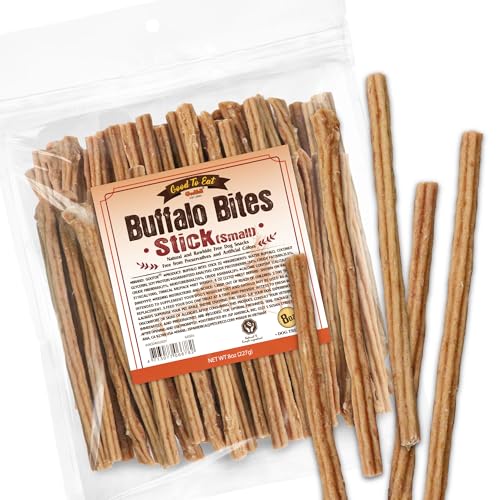
Gootoe Natural Buffalo Dog Treats Stick (Small) 8 oz

Covetrus Nutrisential Lean Treats for Large Dogs 10 oz

Smart Cookie Trout & Apple Soft Dog Treats 5 oz
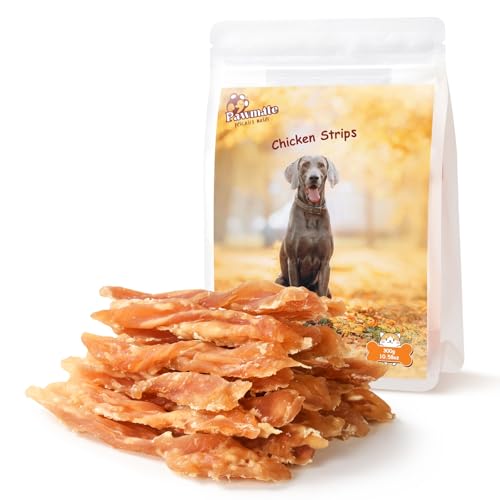
Pawmate Chicken Jerky Strips Training Treats 10.6 oz

Blue Buffalo Health Bars Chicken & Apples 9 oz

HEALTHFULS Chicken & Peanut Butter Biscuit Wraps 16 oz

Hill’s Metabolic Weight Management Crunchy Dog Treats

Pawmate Chicken Wrapped Pumpkin Biscuits 10.6 oz
More Details On Our Top Picks
Buffalo is the whole point here. As a novel protein, it sidesteps the chicken-and-beef fatigue many dogs develop, and it naturally carries less fat than beef, which keeps calorie counts friendlier for dogs watching their weight.
The small stick format works well as an occasional chew rather than a rapid-fire training reward. Owners commonly report these hold up well in a sealed bag on a pantry shelf, though the single-protein recipe means flavor variety depends on rotating other treats in.
Bright Spots
- Buffalo delivers lean protein with fewer calories than comparable beef snacks
- Naturally rich in fatty acids, which supports coat condition over weeks of regular use
- Simple ingredient approach appeals to shoppers avoiding long additive lists
- Small stick size portions easily without crumbling across the floor
Small Caveats
- Chew-style format slows reward pacing during training sessions
- Reseal the bag promptly; jerky-type treats can dry out once exposed to air
Who Will Love This
Dogs with beef sensitivities or owners wanting a leaner red-meat alternative for casual rewarding.
A Better Fit Elsewhere
Frequent trainers will get more mileage from the Pawmate Chicken Jerky Strips, whose strip format tears into quick bites.
This is the most purpose-built option on the list. Covetrus designs Nutrisential specifically around calorie control, using skinless chicken in a soft, bite-size form sized for large jaws. Where the Gootoe buffalo sticks lean on ingredient simplicity, this one leans on formulation discipline.
In practice, that matters most for big dogs on vet-guided weight-loss plans, where every treat counts against a strict daily budget. The soft texture also suits seniors with dental wear, something crunchy biscuits can’t offer.
Strong Points
- Low-calorie formula supports structured weight management without cutting rewards
- Skinless chicken base keeps fat content down while staying genuinely tasty
- Tender texture works for older large breeds with worn teeth
- Bite-size pieces portion predictably for twice-daily treating routines
Things To Consider
- Soft treats can dry or harden once opened; an airtight container preserves texture
- Chicken-based recipes won’t suit dogs with poultry allergies
At A Glance
The Right Fit
Owners of overweight large breeds following a vet-supervised reduction plan.
Swap It Out When
Poultry-allergic dogs do better on the Smart Cookie Trout & Apple, which builds its recipe around fish instead.
A limited ingredient diet, often shortened to LID, means the recipe deliberately uses a short list of components to avoid common triggers. That’s exactly what Smart Cookie does here: one lean fish protein, trout, paired with apple and lentils, nothing else doing heavy lifting.
For dogs that scratch, chew paws, or deal with loose stools after typical chicken treats, this narrow formula removes the usual suspects. The savory fish taste also tends to win over fussy eaters, which isn’t always true of hypoallergenic-style recipes.
Reasons To Buy
- Single novel protein reduces exposure to common allergens like chicken and beef
- Grain-free recipe skips wheat, corn, and soy entirely
- Soft pieces break apart cleanly for training repetition
- Trout supplies lean protein with a flavor most dogs find compelling
- Multiple variety flavors exist if trout loses appeal over time
Worth Noting
- The 5 oz bag runs small; multi-dog households burn through it quickly
- Fish-based treats carry a noticeable odor some owners dislike storing indoors
Quick Facts
Made For
Dogs with diagnosed or suspected food sensitivities whose owners still need trainable, motivating rewards.
Where A Sibling Pick Shines
Dogs with no sensitivity issues get better value per ounce from the larger HEALTHFULS biscuit wraps bag.
One ingredient, real chicken breast, baked slowly at low temperature. That’s the entire pitch, and it’s a strong one for anyone who reads labels. Because the strips are lean breast meat rather than fatty offcuts, they slot neatly into a low-fat routine while still reading as high-value currency to a dog mid-session.
The strip shape is the practical advantage. You can tear pieces to whatever size the session demands, from pea-sized fragments for recall drills to a full strip as a jackpot reward. Owners also commonly crumble strips over kibble to tempt reluctant eaters.
Highlights
- 100% chicken breast means no fillers, grains, or mystery additives
- Low-temperature baking preserves natural flavor without added fats
- Tearable strips adapt to any training pace or reward size
- Chewing action helps reduce plaque buildup between brushings
- Doubles as a kibble topper for picky eaters
Minor Gripes
- Jerkies vary batch to batch in dryness; some bags arrive softer than others
- Store cool and sealed, as jerky can spoil faster than baked biscuits once opened
Feature Rundown
Who Should Grab It
Active trainers running frequent sessions who want maximum motivation per calorie.
Not Your Match When
For slower, at-home snacking, the Blue Buffalo Health Bars’ soft-baked squares are less messy to hand out.
Blue Buffalo takes the classic biscuit and bakes it soft instead. The chicken-and-apple pairing smells faintly of homemade baked goods, and that aroma does real work with older dogs whose interest in hard kibble has faded. Compared with the Pawmate jerky above, this is a calmer, couch-side treat rather than a high-drive training tool.
The brand’s wider range matters too. Chicken and coconut or mixed berries variants give you rotation options within the same trusted recipe family, useful for dogs that bore easily.
Upsides
- Soft-baked texture suits senior dogs and those with dental issues
- Real chicken and apple deliver flavor without heavy grease
- Recognizable brand with consistent quality across batches
- Three flavor variants keep rotation simple
Softer Spots
- Soft-baked treats can firm up in an open bag; clip it closed after each use
- Less intense motivation value than meat-first jerky for demanding training
Whose Shelf It Belongs On
Households with senior or mildly picky dogs that deserve a gentle daily reward.
Reach For A Different Pick When
Calorie-restricted dogs under veterinary plans are better served by the Hill’s Metabolic treats reviewed below.
These wraps stack two textures in one bite: a chicken breast exterior wrapped around a peanut butter-flavored biscuit core. The construction gives dogs a satisfying crunch-to-chew progression, and peanut butter remains one of the most reliable motivators in the treat world.
Nutritionally, the emphasis sits on protein density. Chicken breast supplies amino acids that help maintain muscle tone, which matters for active dogs and those recovering condition after a weight-loss phase. The 16 oz bag also stretches further than most competitors here.
Plus Points
- High-protein, low-fat profile built around premium chicken breast
- No artificial colors, flavors, preservatives, or fillers in the formula
- Lab tested in the USA at a facility meeting global food safety standards
- Dual-texture wrap keeps dogs engaged longer than flat biscuits
- Generous 16 oz quantity suits multi-dog homes
Points To Note
- Peanut butter flavor won’t suit dogs with legume sensitivities
- Harder texture than the soft picks; supervise fast gulpers
Core Details
Right Fit For
Owners of athletic or muscle-conscious dogs wanting a substantial everyday reward in bulk.
Consider Something Else When
Dogs needing softer textures should stay with the Covetrus Nutrisential Lean Treats instead.
Hill’s builds these treats to complement its Metabolic weight-management food line, so the nutrition is engineered around the same goals as the kibble: supporting healthy weight loss and then maintaining it. Nothing else on this list is formulated quite so deliberately for that job.
The catch is access. As a prescription product, it requires veterinary authorization, so it’s not an impulse purchase. For dogs already on the Metabolic program, though, it closes the gap that ordinary treats would otherwise blow open in a carefully managed diet.
What We Like
- Formulated by veterinary nutritionists specifically for weight programs
- Complements Hill’s Metabolic food without derailing calorie targets
- Crunchy texture satisfies dogs that miss traditional biscuit rewards
- Available in variant formulas including hypoallergenic and original
Honest Caveats
- Requires a veterinarian’s authorization before purchase
- Overkill for healthy-weight dogs that just want a light snack
Details At A Glance
Who It Suits Best
Dogs enrolled in a Hill’s Metabolic feeding program whose owners refuse to compromise on rewards.
Another Choice May Suit
Healthy-weight dogs simply needing lighter snacks will find the Gootoe buffalo sticks simpler and easier to buy.
Pumpkin earns its reputation in dog nutrition for good reason: it brings crude fiber, vitamins, and minerals in a package most dogs happily eat. Pawmate wraps that biscuit center in real chicken, borrowing the same dual-texture idea as the HEALTHFULS wraps but swapping peanut butter for a gentler, digestion-friendly filling.
That makes this the sensible companion piece to the Pawmate jerky strips earlier in the list. One handles training intensity, the other handles everyday rewarding with a little digestive support folded in.
Standout Traits
- Pumpkin core adds natural fiber for steadier digestion
- Real chicken wrapping provides lean protein without heavy fats
- Rich in vitamins, minerals, and trace elements per the recipe design
- Same brand consistency as the jerky strips, simplifying repeat orders
Room For Improvement
- Wrapped biscuits cost more per piece than plain single-ingredient options
- Keep the bag sealed; baked wraps soften in humid kitchens
Built With In Mind
Dogs with occasional tummy trouble whose owners want a treat that won’t aggravate things.
Look Elsewhere When
Maximum training motivation calls for the Pawmate Chicken Jerky Strips, which tear smaller and smell stronger.
What Matters Most Before Choosing Low Fat Treats For Dogs
Read The Fat And Calorie Numbers First
Marketing words like “natural” tell you little. The guaranteed analysis panel lists crude fat percentage, and that number determines whether a treat fits a restricted diet. Compare it against your dog’s daily calorie allowance, which your vet can help you set. A treat that seems healthy can quietly consume a third of a small dog’s daily budget.
Match Texture To Your Dog’s Mouth
Senior dogs with worn teeth do better with soft-baked or jerky formats, while young strong-jawed dogs enjoy crunchier biscuits. Texture also affects pacing: soft pieces vanish quickly during training, whereas wrapped biscuits slow consumption. Choose based on how you actually hand out rewards day to day.
Watch For Allergens And Novel Proteins
Chicken and beef trigger more sensitivities than any other proteins. Dogs that scratch excessively or suffer recurring ear issues often improve on novel proteins such as buffalo or trout. Limited ingredient recipes shorten the suspect list, making reactions easier to trace.
Size The Bag To Your Household
A 5 oz pouch suits one small dog rewarded sparingly. Multi-dog homes or intensive training schedules burn through small bags fast, so larger quantities usually make sense there. Balance freshness against volume, since opened soft treats degrade quicker than dry biscuits.
Key Considerations Across These Picks
Traps First Timers Fall Into
The most common mistake is treating “low fat” as permission to overfeed. Calories still accumulate, so portion every reward. Another frequent slip is ignoring the ingredient order: when a filler appears before the named protein, the marketing outruns the recipe. Finally, shoppers sometimes skip storage planning, leaving soft treats in open bags where they stale within days.
What Separates Premium From Basic
Higher-tier treats justify their cost through formulation discipline: named protein sources first, lab-tested production, and purpose-built nutrition like Hill’s veterinary line. You’re paying for consistency and targeted function, not flavor alone. For dogs with medical needs or strict diets, that precision pays for itself. Casual snackers rarely notice the difference.
Frequently Asked Questions
Are low fat treats suitable for all dogs?
Most healthy dogs handle them fine, and lean treats suit weight-conscious feeding. Dogs with specific conditions need veterinary guidance before switching.
How many treats can my dog have daily?
A widely used guideline caps treats near ten percent of daily calories. Your vet can translate that into exact piece counts for your dog’s size.
Do novel proteins like buffalo actually help allergies?
They remove common triggers such as chicken and beef, which helps many sensitive dogs. An elimination trial supervised by your vet confirms the culprit properly.
Are jerky treats safe?
Reputable brands using single ingredients and transparent sourcing are generally well tolerated. Store them sealed, discard anything with odd odor, and report adverse reactions to your vet.
Can I use low fat treats for training?
Yes, and lean jerky strips work especially well since they tear small. Just account for the repeated pieces in your dog’s daily calorie total.
Wrap Up
Lean treats let you keep rewarding your dog without working against their health goals. Match the format to your routine: jerky strips for training, soft bars for seniors, prescription options for supervised diets. Whichever you choose, portion carefully and store the bag properly. Your dog gets the reward, and you keep the peace of mind.
