

Dogs with kidney concerns, pancreatitis history, or sensitive stomachs often need food that goes easy on protein without skimping on nutrition. The catch is that most mainstream kibble ignores this entirely, leaving owners to sort through vague labels at the store. This roundup narrows the field to eight options that actually address reduced-protein or gentle-digestion feeding, from prescription wet stews to plant-based cans and renal-friendly treats. Each entry covers what it does well, where it falls short, and which dog it genuinely suits.
Quick Look At Our Top Picks

Natural Balance Limited Ingredient Sweet Potato & Venison 4 lb

Nutro Limited Ingredient Diet Salmon & Lentils 4 lb

Hill’s Science Diet Adult 7+ Perfect Digestion Dry Dog Food

Hill’s Prescription Diet i/d Low Fat Digestive Care Wet Food

Hill’s Prescription Diet k/d Kidney Care Wet Dog Food

Evanger’s Complements Vegetarian Dinner 12.5 oz Cans
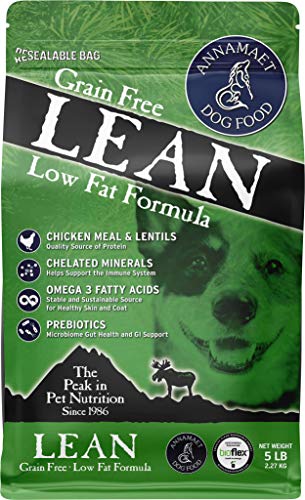
Annamaet Grain-Free Lean Reduced Fat Chicken & Duck 5-lb Bag

Kidney Restore Bacon Flavor Low Protein Dog Treats
More Details On Our Top Picks
Limited ingredient diets strip a formula down to one animal protein plus a short supporting cast, which makes it far easier to spot what agrees with your dog and what doesn’t. Natural Balance builds this Reserve recipe around venison and sweet potato, and the same line offers chicken, duck, salmon, and bison variants if venison turns out not to be the answer.
In a household juggling an elimination plan, that flexibility matters more than any single nutrient claim. You rotate proteins while keeping everything else constant, so reactions become obvious fast.
Strong Points
- Single animal protein keeps trigger-hunting straightforward during elimination trials
- Five flavor variants let you rotate proteins without switching brands mid-plan
- Grain-free sweet potato base supplies fiber many sensitive dogs tolerate well
- The 4 lb bag suits trial periods, so you’re not stuck with 25 pounds of a formula your dog rejects
Worth Noting
- Small bags cost more per pound than the larger sizes, so budget-conscious owners usually move up once a recipe is confirmed
- Grain-free isn’t automatically gentler; some dogs digest grains just fine
Who It Suits Best
Owners running a structured elimination diet who want one brand to carry them through every protein rotation.
A Better Fit Elsewhere
Dogs whose main issue is skin and coat rather than stomach upset may do better on the Nutro Limited Ingredient Diet Salmon & Lentils, thanks to its omega fatty acid emphasis.
Where Natural Balance leans on exotic proteins, Nutro takes the opposite route: salmon and lentils, ten key ingredients or fewer, and nothing else doing the heavy lifting. Non-GMO sourcing and the absence of chicken by-product meal, corn, wheat, and soy give you a clean label to read in under a minute.
The omega-3 and omega-6 fatty acids are the quiet workhorse here. Owners of itchy, flaky-coated dogs commonly report coat improvement within weeks on fish-based limited formulas like this one.
Bright Spots
- Omega fatty acids nourish sensitive skin and support a soft, shiny coat
- Vitamin E and selenium antioxidants back up everyday immune function
- No corn, wheat, soy, or chicken by-product meal simplifies allergy detective work
- Salmon is widely palatable, even for picky eaters who turn down novel meats
Small Caveats
- Trace amounts of other proteins can appear despite the short list, which matters for severely allergic dogs
- Fish-based kibble carries a noticeable odor some households find strong
At A Glance
Right Fit For
Adult dogs whose sensitivity shows up as dull coat and itchy skin more than digestive drama.
Where Another Pick Suits Better
Dogs needing strict veterinary supervision for kidney disease belong on the Hill’s Prescription Diet k/d instead, since this is a retail formula rather than clinical nutrition.
Senior dogs tend to lose digestive efficiency before they lose appetite, and that’s the gap this Hill’s formula targets. Prebiotics are fibers that feed beneficial gut bacteria, and the ActivBiome+ blend here pairs them with whole grain oats and pumpkin, two ingredients long used to firm things up.
Hill’s states the goal plainly: regularity and healthier stools within about a week. Real-world results vary dog to dog, but the ingredient logic holds up, and quality chicken leading the list keeps protein meaningful rather than diluted.
Reasons To Buy
- Pumpkin and oats are gentle, familiar digestives most seniors accept readily
- Prebiotic blend supports the gut microbiome, which influences overall wellness in older dogs
- Chicken-first formulation keeps nutrition balanced for the golden years
Trade Offs
- This is a digestion-focused retail diet, not a reduced-protein therapeutic one, so kidney patients need a prescription option
- Whole grains won’t suit dogs specifically trialing grain-free protocols
Made For
Adults seven and older whose stools have turned inconsistent but who don’t require clinical intervention yet.
Reach For A Different Pick When
A diagnosed condition calls for the Hill’s Prescription Diet i/d Low Fat stew, which is formulated by veterinary nutritionists rather than for general wellness.
After a bout of pancreatitis or a rough digestive stretch, fat is the enemy, and this canned stew is built by Hill’s nutritionists and veterinarians specifically for low-fat feeding. The rice, vegetable, and chicken combination is bland in the best sense: easy to digest when nothing else stays down.
Wet texture also helps dogs who’ve gone off dry food entirely during recovery. Stew-style cans tend to tempt reluctant eaters where kibble fails.
Upsides
- Low-fat formulation designed to settle digestive upset in vulnerable dogs
- Highly digestible protein eases the workload on an irritated gut
- ActivBiome+ prebiotic technology targets the microbiome during recovery
- Stew format appeals to dogs with suppressed appetites
Points To Note
- A prescription diet, so expect to involve your veterinarian before committing
- Canned feeding means ongoing cost and fridge storage once opened
- Twelve-can cases go quickly for large dogs, so multi-case orders are common among owners
Quick Facts
Who Will Love This
Owners managing a vet-directed recovery plan for a dog with a fat-sensitive digestive system.
Skip It When
Your dog’s issue is kidney function rather than fat tolerance; the k/d Kidney Care stew below is purpose-built for that job.
Kidney disease changes the feeding equation completely: protein gets restricted, phosphorus matters, and palatability becomes critical because these dogs often eat reluctantly. This chicken and vegetable stew is Hill’s clinical answer, developed by their nutritionists and veterinarians to help protect kidney function over the long term.
The proprietary ActivBiome+ Kidney Defense prebiotic blend works through the gut microbiome, an approach that reflects where renal nutrition research has been heading. A beef and vegetable variant exists for fussy patients.
Plus Points
- Clinical formulation aimed at protecting kidney function, not just general wellness
- Prebiotic blend designed to activate gut bacteria in support of renal health
- Two stew flavors give leverage against appetite loss common in kidney patients
- Wet format boosts moisture intake, which matters enormously for renal dogs
Honest Caveats
- Requires veterinary authorization, so there’s a consult step before purchase
- Ongoing canned feeding adds real monthly expense compared with dry renal diets
- Opened cans need refrigeration and get used within days
Whose Shelf It Belongs On
Dogs with diagnosed kidney impairment whose vet has recommended a therapeutic renal diet.
Swap It Out When
You need something between meals rather than a full diet; the Kidney Restore bacon treats later in this list slot into that role.
For the strictest low-protein situations, removing animal protein altogether is sometimes the cleanest path. Evanger’s takes that route with a vegetarian dinner built on sweet potatoes, peas, carrots, brown rice, and cranberries, formulated to meet complete nutrition requirements across all life stages under AAFCO guidelines, the industry’s nutritional adequacy standard.
It doubles as a mixing base, so owners commonly stir a spoonful into kibble to stretch a restricted ration or add moisture. One quirk worth knowing: the recipe is labeled for cats as well as dogs.
Highlights
- Zero animal protein, ideal for elimination diets and strict low-protein plans
- Recognizable whole-food ingredients supply natural fiber for digestion
- Works as a full meal or a topper mixed into other foods
- Formulated for all life stages, from puppies through seniors
Softer Spots
- Plant-based feeding should happen under veterinary guidance, especially long term
- Some dogs reject meatless textures outright, so buy a small case first
Core Details
The Right Fit
Dogs on vet-supervised elimination diets or severe protein restrictions where even novel meats are off the table.
Another Choice May Suit
Dogs that simply need less fat rather than less protein will find the Annamaet Lean formula a more conventional, meat-based route.
Annamaet is a family-run company with three decades behind it, and the Lean formula shows that experience. Roughly half the fat of their standard grain-free recipes, it was shaped with input from a veterinary nutritionist for dogs prone to weight gain, using L-Carnitine, an amino-acid compound linked to better fat utilization and lean muscle maintenance.
Chelated minerals, minerals bound to amino acids for improved absorption, round out the premium touches. Small-batch slow cooking is the kind of production detail that tends to show up in how consistently the kibble performs bag to bag.
Standout Traits
- Reduced fat profile targets weight-prone dogs without cutting protein to starvation levels
- L-Carnitine supports fat metabolism and lean body mass
- Proteinated minerals aid absorption and immune support
- Corn, wheat, and soy free with human-grade-fit meats per company standards
- Sustainable Bio-Flex packaging appeals to environmentally minded households
Minor Gripes
- It’s reduced fat, not reduced protein, so kidney patients need a different tool
- Smaller 5 lb bags carry a higher per-pound cost than the 25 lb size
Best Suited To
Adult dogs packing on extra pounds whose vets have flagged fat intake, particularly less active seniors.
Look Elsewhere When
Ingredient simplicity is the priority rather than fat reduction; the Natural Balance venison recipe offers a shorter, rotation-friendly list.
Here’s the problem nobody warns you about with renal diets: every treat in your cupboard suddenly breaks the rules. Kidney Restore fills that gap with a bacon-flavored biscuit deliberately kept low in protein for dogs managing kidney issues, fortified with vitamins C, E, and B-complex.
Training sessions and pill-hiding both get easier when the reward itself fits the diet. The half-pound pouch travels well to vet appointments, which is exactly when a compliant treat earns its keep.
Best Bits
- Low protein recipe aligns with renal feeding plans instead of undermining them
- Bacon flavor keeps motivation high for training and medication routines
- Vitamin C, E, and B-complex fortification adds nutritional value beyond empty calories
- Multiple pouch sizes let you match stock to treat frequency
Areas To Watch
- Treats supplement a renal diet, they don’t replace it, so portion discipline still applies
- Biscuit-style treats can crumble in pockets and bags, a minor mess on walks
Feature Snapshot
Who Should Grab It
Anyone already feeding a renal diet who refuses to give up training rewards and pill-disguising tricks.
Consider Something Else When
You need a complete meal rather than a snack; the Hill’s k/d Kidney Care stew covers full-meal duty with clinical backing.
What Matters Most Before Choosing Low Protein Dog Foods
Match The Food To The Actual Problem
Reduced protein, reduced fat, and gentle digestion are three different jobs, and products rarely do all three well. A dog with kidney values trending upward needs controlled protein and phosphorus, while a pancreatitis-prone dog needs fat restriction above all else. Start from the diagnosis, not the marketing on the bag.
Prescription Versus Retail Formulas
Therapeutic diets such as the Hill’s Prescription options in this list are formulated for specific conditions and typically come with veterinary involvement. Retail limited-ingredient foods offer flexibility and easier access but lack clinical targeting. Many owners use both: a prescription base with approved toppers and treats layered in.
Size, Format, And Daily Reality
A twelve-can case vanishes fast with a large dog, and opened cans demand fridge space and quick use. Dry bags scale better for big appetites, while small trial bags protect you during elimination phases. Honest math on monthly consumption prevents mid-month shortages nobody enjoys.
Transition Slowly, Watch Closely
Whatever you choose, shift foods over seven to ten days, blending increasing amounts of the new formula into the old. Sudden switches can trigger the very digestive upset you’re trying to solve, muddying whether the new food actually works.
Key Considerations Across These Picks
Traps First Timers Fall Into
The biggest mistake is self-diagnosing. Reduced-protein feeding based on a hunch can deprive a healthy dog of nutrients it needs, so confirm the requirement with a vet first. Second trap: judging a food within two days. Coat and stool improvements typically take two to four weeks to show, and bailing early wastes the trial.
The Case For Spending Up
Higher-tier formulas justify their cost through named protein sources, chelated minerals, prebiotic blends, and tighter quality control. For a healthy dog on a budget, a solid limited-ingredient kibble does the job. For a dog with an actual diagnosis, clinical nutrition pays for itself in fewer flare-ups and vet visits.
Frequently Asked Questions
Do healthy dogs need low protein food?
Generally no, since healthy adult dogs process normal protein levels without strain. Restricting protein without a medical reason can shortchange muscle maintenance, so this category is best reserved for diagnosed needs.
Can I mix low protein food with regular kibble?
Blending dilutes the careful nutrient balance a therapeutic formula provides, which defeats its purpose. Ask your vet before combining, since even small additions shift protein and phosphorus totals.
How long until I see results from a new diet?
Digestive improvements often appear within one to two weeks, while coat and energy changes take closer to a month. Give any trial at least three to four weeks before drawing conclusions.
Are grain-free and low protein the same thing?
They’re unrelated attributes. Grain-free removes certain carbohydrates, while low protein restricts a macronutrient, and plenty of grain-inclusive formulas are gentler than grain-free ones.
Do prescription diets really require a vet approval?
Yes, these are therapeutic formulations intended for diagnosed conditions under professional supervision. Your veterinarian confirms the fit and monitors how your dog responds over time.
Closing Thoughts
The right choice here depends entirely on what your dog is actually dealing with. Kidney patients have clear clinical answers in the Hill’s k/d line, fat-sensitive dogs get relief from the i/d stew or Annamaet Lean, and mystery sensitivities respond well to the short-ingredient-list approach of Natural Balance or Nutro. Loop in your veterinarian, transition slowly, and give each candidate a fair few weeks. Your dog’s next meal doesn’t have to be a gamble.
