

Constant scratching usually traces back to what goes into the bowl. Food sensitivities, gut imbalance, and missing fatty acids all show up on the skin first, which is why diet changes often outperform sprays and shampoos. This roundup covers seven options for owners dealing with paw licking, seasonal flare-ups, or suspected ingredient reactions. Some are complete meals you can switch to today, others are daily supplements that layer onto whatever your dog already eats.
The Shortlist At A Glance

YoYoBay Probiotics for Dogs, Gut & Skin Support

Blue Buffalo Life Protection Salmon Adult Dry Dog Food
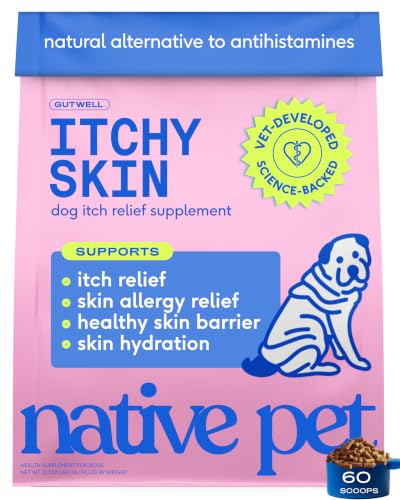
Native Pet Itchy Skin Vet-Formulated Gut-Skin Support, 60 Scoops

Blue Buffalo Basics Salmon Grain-Free Dry Dog Food, 4 lb

Hill’s Prescription Diet z/d Skin/Food Sensitivities Wet Dog Food

VICTOR Sensitive Skin & Stomach Salmon Meal & Brown Rice Dog Food

PENPEN Dog Allergy Chews Peanut Butter Flavor, 180 Soft Chews
More Details On Our Top Picks
A surprising amount of scratching starts in the gut rather than on the skin, and that’s the problem this supplement attacks. Each serving pairs eight probiotic strains with five digestive enzymes, a combination designed to help dogs break food down more efficiently so fewer undigested particles trigger immune responses.
The flavor lineup is genuinely useful here. Duck and pear suits picky eaters, salmon and blueberry adds an omega angle, and turkey and pumpkin leans toward digestive comfort. Multi-pack sizing means multi-dog households can commit without reordering monthly.
Strong Points
- Eight probiotic strains plus five enzymes work together on digestion, not just symptoms
- Soft chews slip into most dogs’ routines without pill-wrangling
- Multiple flavor and pack-size options let you match taste and household size
- Skin support comes as a side effect of better nutrient absorption
Things To Consider
- Chew-based formats need a cool, dry cupboard since heat can degrade live cultures over time
- Results depend on consistency, so skipping days slows any visible change
Key Specs
Who It Suits Best
Dogs whose itching appears alongside loose stools, gas, or inconsistent appetite benefit most from this gut-first approach.
Where Another Pick Shines
For confirmed seasonal allergies rather than digestive trouble, Native Pet Itchy Skin targets that pathway more directly.
Chicken sits at the top of most canine food-sensitivity lists, so removing it entirely is often the single smartest dietary move an owner can make. This Life Protection formula does exactly that, building a complete adult meal around salmon and brown rice instead. The five-pound bag also makes it a low-commitment trial before you buy larger quantities.
In day-to-day terms, this reads like a maintenance food rather than an intervention. Dogs with mild itchiness tied to poultry do well here, while the brown rice keeps energy steady through ordinary walks and play sessions. Compared with the Basics line further down this list, it keeps grains in the recipe, which some dogs digest comfortably and others don’t.
What We Like
- Chicken-free protein base sidesteps the most common canine allergen
- Salmon brings natural omega fats that support coat condition
- Balanced adult nutrition means no separate supplementation needed for most healthy dogs
Worth Noting
- Contains grains, so it won’t suit dogs with confirmed grain reactions
- Kibble transitions should happen gradually over a week or so to avoid stomach upset
Right Fit For
Adult dogs with suspected poultry sensitivity whose itching is mild and steady rather than severe.
Swap It Out When
Grains are the suspected culprit instead of chicken, Blue Buffalo Basics Salmon Grain-Free removes them altogether.
Where the YoBay chews lean on strain count, Native Pet takes a more surgical route with its triple-biotic system. That term covers three layers working in sequence: probiotics (live beneficial bacteria), prebiotics (fibers that feed them), and a postbiotic (compounds produced by fermentation). The named strains include L. rhamnosus, L. plantarum, and B. longum, all commonly studied for skin-related immune response.
The powder format is the practical difference owners notice. Scooping over kibble takes seconds, and powder tends to absorb faster than pressed chews. Sixty scoops covers roughly two months for one dog at standard serving, which makes the cost-per-day math easy to run before committing.
Highlights
- Three-layer biotic system addresses the gut-skin connection from several angles
- Vet-formulated positioning gives confidence in dosing logic
- Powder mixes invisibly into wet or dry food for stubborn eaters
- Targets paw licking and seasonal scratching specifically
Small Caveats
- Powder can clump in humid kitchens, so sealing the jar tightly matters
- Owners wanting a grab-and-go treat format may find scooping less convenient than chews
Quick Facts
Made For
Dogs with predictable seasonal flare-ups whose owners prefer precise, mix-in dosing over treat-based supplements.
Another Choice May Suit
Treat-motivated dogs do better with PENPEN Allergy Chews, where the peanut butter flavor does the persuading.
This is the stricter sibling of the Life Protection formula reviewed earlier. Where that recipe simply drops chicken, Basics goes further by removing corn, wheat, soy, and poultry by-product meals entirely, leaving a short salmon-and-potato ingredient list built for gentle digestion. Limited-ingredient diets like this one exist precisely because fewer ingredients mean fewer possible triggers.
Omega 3 and 6 fatty acids appear in the formulation specifically to nourish skin and coat, which matters when dryness is amplifying the itch cycle. The antioxidant-rich LifeSource Bits mixed into the kibble add immune support without changing the feeding routine. At four pounds, it’s sized for trials or small breeds.
Upsides
- Real salmon leads the ingredient list, not a vague meat meal
- No corn, wheat, soy, or poultry by-product meals narrows the allergen field considerably
- Added omega fatty acids feed skin and coat directly
- LifeSource Bits supply antioxidant support alongside the base recipe
Points To Note
- Grain-free formulas aren’t necessary for every dog, so confirm the sensitivity first
- The four-pound bag runs small for large breeds on a daily feeding schedule
At A Glance
Who Will Love This
Owners running a structured elimination trial who want a widely available, clearly labeled limited-ingredient base.
Look Elsewhere When
Confirmed severe reactions call for Hill’s Prescription Diet z/d, whose hydrolyzed proteins are engineered to dodge immune detection entirely.
Hydrolyzed protein sounds technical, but the idea is simple: proteins are broken into fragments so small the immune system no longer recognizes them as allergens. That’s the entire mechanism behind this Hill’s therapeutic formula, developed by the brand’s nutritionists and veterinarians for dogs with diagnosed adverse food reactions.
The wet format earns its place too. Dogs with mouth pain, seniors, or fussy patients often accept canned food more readily than kibble during a flare-up. Omega 6 and omega 3 fatty acids are included at levels meant to encourage skin regeneration while digestion settles. One honest caveat: this is a prescription product, so a veterinary conversation comes first, and continued feeding is part of how the formula manages reaction risk over time.
Bright Spots
- Highly hydrolyzed proteins avoid triggering immune recognition
- Nutrition backed by clinical work on skin and digestive signs of food reactions
- Omega-rich profile supports skin repair during recovery
- Wet texture suits senior dogs and reluctant eaters
Honest Caveats
- Requires veterinary authorization, adding a step before purchase
- Therapeutic diets typically cost more per serving than everyday grocery brands
- Opened cans need refrigeration and prompt use
Best Suited To
Dogs with veterinarian-diagnosed food sensitivities whose itching persists despite standard limited-ingredient switches.
Not Your Match When
Undiagnosed mild itching responds well to VICTOR Sensitive Skin & Stomach, which needs no prescription and costs less to maintain.
VICTOR approaches sensitivity from both ends at once. The recipe skips gluten-containing grains, chicken, corn, and soy, then fortifies what remains with prebiotics and probiotics for gut balance. Salmon meal leads the ingredient list, and the brand prints its protein-source percentages right on the bag, a transparency habit worth appreciating when you’re tracking exactly what goes into a reactive dog.
Compared with the Blue Buffalo Basics option earlier, this one keeps brown rice in the mix and adds the brand’s proprietary VPRO blend of vitamins and minerals aimed at digestibility and immune function. Three bag sizes, up to thirty pounds, make it practical for households that would burn through a four-pound trial bag in a week.
Plus Points
- Gluten-free grains and no chicken narrow the common trigger list
- Built-in prebiotics and probiotics support digestion without a separate supplement
- Omega 3, omega 6, and vitamin E nourish coat and skin together
- Published protein percentages make label reading straightforward
- Size range from 5 to 30 pounds fits both trials and bulk buying
Softer Spots
- Contains grains, excluding dogs with confirmed grain intolerance
- Salmon meal rather than whole salmon may matter to owners preferring whole-food first ingredients
Details At A Glance
Whose Shelf It Belongs On
Active, muscular dogs with sensitive stomachs whose owners want one food handling both performance and skin comfort.
Reach For A Different Pick When
A strict no-grain protocol is required, in which case Blue Buffalo Basics Salmon Grain-Free fits the brief better.
Supplements only work when the dog actually eats them, and peanut butter flavor solves that negotiation before it starts. Each soft chew combines probiotics and omega 3 fish oil with botanicals such as turmeric and colostrum, aiming at the paw licking and seasonal discomfort that drive owners up the wall during spring and fall.
The 180-chew tub is the standout logistics detail. At one chew daily for a mid-sized dog, a single container stretches toward six months, which beats reordering smaller jars every few weeks. Colostrum, the nutrient-rich first milk mammals produce, adds an immune-support angle that pairs sensibly with the fish oil’s skin benefits. Worth noting though, chew-based supplements still need consistent daily dosing to show anything.
Reasons To Buy
- Peanut butter flavor removes the refusal battle most supplements face
- 180 chews per tub reduce reorder frequency dramatically
- Combines probiotics, omega 3, turmeric, and colostrum in one dose
- Targets paw licking and seasonal itching specifically
Minor Gripes
- Soft chews can dry out once opened, so resealing the tub after each use helps
- Dosing scales with weight, so large breeds will burn through the tub faster
Core Details
Who Should Grab It
Owners of treat-motivated dogs with mild seasonal itching who want a low-effort daily routine.
Consider Something Else When
Precise strain-level gut work is the goal, and Native Pet Itchy Skin’s powder delivers more targeted biotic coverage.
Choosing Foods For An Itchy Dog Without Guesswork
Identify The Trigger First
Itching has several possible sources, and throwing products at it randomly wastes months. Chicken, beef, dairy, and wheat top the list of canine food allergens, while environmental factors like pollen mimic food reactions almost exactly. A simple elimination approach, one change at a time over six to eight weeks, tells you far more than switching three products at once.
Read Labels Like A Detective
Ingredient order matters because components are listed by weight. A food claiming salmon flavor may contain mostly poultry meal. Look for a named animal protein in the first position, check whether common triggers appear anywhere on the panel, and note whether omega fatty acids are called out explicitly, since those directly influence skin condition.
Match Format To Your Routine
The best product is the one you’ll actually administer daily. Powder suits dogs that inhale their kibble, chews suit treat-driven personalities, and complete foods remove the supplement step entirely. Honest self-assessment here prevents the half-used tub languishing in the pantry.
Know When To Escalate
Persistent scratching, hair loss, hot spots, or ear infections deserve veterinary attention before any purchase. Therapeutic diets exist for a reason, and ruling out parasites, infections, or hormonal issues early saves money and spares your dog unnecessary discomfort.
Smart Habits Before You Commit
Traps First Timers Fall Into
The classic error is judging results in a week. Skin cells turn over slowly, so most dietary interventions need six to eight weeks of strict consistency before fair evaluation. Another common misstep is mixing multiple new products simultaneously, which makes it impossible to know what helped or what caused a setback.
The Case For Spending Up
Higher-tier options justify their cost through specificity. Hydrolyzed proteins, named probiotic strains, and published protein sourcing all require real investment from manufacturers. For mild cases, budget picks perform fine. For stubborn, recurring itching, the precision of premium formulations often shortens the frustrating trial-and-error phase enough to pay for itself.
Bottom Line
Start by matching the product to your dog’s actual pattern: gut trouble points to YoYoBay or Native Pet, suspected chicken sensitivity to either Blue Buffalo formula, and diagnosed reactions to Hill’s z/d under veterinary guidance. VICTOR covers active dogs needing one dependable food, while PENPEN handles the treat-motivated crowd. Whichever direction fits, give it eight honest weeks before drawing conclusions, and loop in your vet whenever the scratching outpaces your patience.
