

Morkies are small dogs with big appetites for quality. At under ten pounds on average, they burn energy fast, grow finicky quickly, and need kibble sized for tiny jaws. The wrong food shows up fast: dull coats, loose stools, a dog that turns its nose up at dinner. This shortlist covers dry, wet, air-dried, and puppy-specific options so you can match a formula to your Morkie’s age, appetite, and your budget without guesswork.
The Shortlist At A Glance
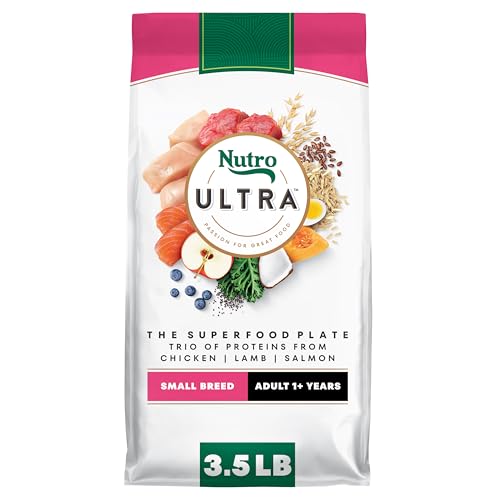
Nutro Ultra Small Breed Adult Dry Dog Food, Chicken, Lamb & Salmon
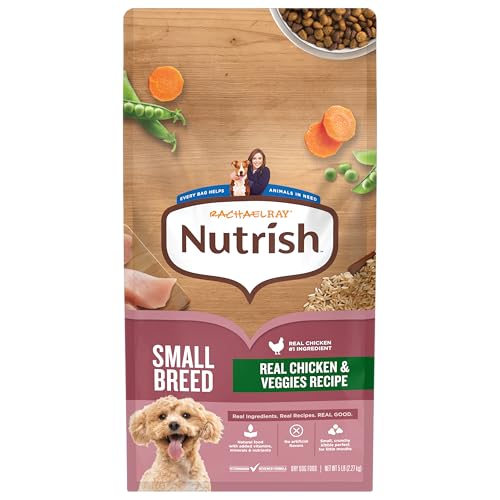
Nutrish Small Breed Dry Dog Food with Chicken, 5 lb. Bag

Full Moon Pure Protein Air Dried Dog Food Free Range Chicken Recipe

Royal Canin Yorkshire Terrier Adult Wet Dog Food, 3 oz, 6-Pack
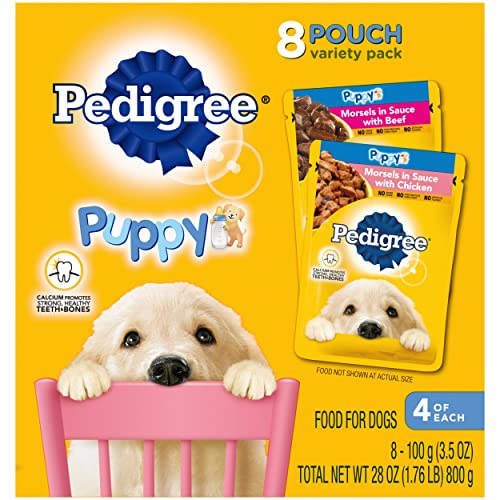
Pedigree Puppy Soft Wet Dog Food 8-Count Variety Pack

Royal Canin Size Health Nutrition Small Adult Dry Dog Food, 4 lb. Bag

Nutrish Puppy Dry Dog Food, Chicken & Brown Rice, 5 lb. Bag
More Details On Our Top Picks
Real chicken leads the ingredient list here, backed by lamb and salmon in what Nutro calls its trio of proteins. For a Morkie, that variety matters more than it sounds: three protein sources mean a broader amino acid profile, which supports the lean muscle these little dogs maintain despite their size.
The formula also leans on non-GMO ingredients and skips corn, wheat, soy, and chicken by-product meal. Owners of long-coated mixes often point to the omega fatty acids as the reason coats stay glossy between grooming appointments.
Strong Points
- Chicken, lamb, and salmon together give complete protein coverage for muscle maintenance.
- Omega 3 and 6 fatty acids help keep that signature silky coat looking its best.
- A blend of 14 superfoods adds micronutrients most basic kibbles leave out.
- No corn, wheat, soy, or by-product meal suits sensitive toy-breed stomachs.
Things To Consider
- The 3.5 lb bag goes quickly for daily feeders; larger sizes cost more upfront but store better.
- Multi-protein recipes can be too rich for some dogs during a sudden food switch, so transition gradually over a week.
Key Specs
Made For
Adult Morkies whose owners want premium, multi-protein nutrition and care about coat condition as much as calories.
A Better Fit Elsewhere
Shoppers watching monthly spend will find the Nutrish Small Breed Chicken bag covers the same small-kibble territory at a friendlier cost per pound.
Where the Nutro above stacks three proteins, this Rachael Ray recipe keeps things deliberately simple: real chicken first, small crunchy pieces, nothing fussy. That straightforward approach is exactly why it works as a daily driver for Morkies who do well on single-protein diets.
The kibble sizing deserves a mention. Toy breeds with crowded little teeth often struggle with standard-sized pieces, and owners commonly report this one gets finished rather than pushed around the bowl. A veterinarian-reviewed formula and no artificial flavors round out the value story.
What We Like
- Small, crunchy kibble fits tiny mouths and encourages actual chewing.
- Real chicken as the lead ingredient keeps protein quality respectable for the price tier.
- Natural recipe with added vitamins and minerals, no artificial flavors.
- Every bag supports animals in need through The Rachael Ray Foundation.
Worth Noting
- A single chicken protein means less variety than the Nutro trio, which matters for rotation feeders.
- Some owners note the 5 lb bag needs sealing well to keep kibble crisp in humid kitchens.
Right Fit For
Cost-conscious households feeding an adult Morkie one reliable recipe day after day.
Where A Sibling Pick Shines
Puppies still growing should head to the Nutrish Puppy Chicken & Brown Rice instead, since it adds DHA and EPA for development.
Ninety percent chicken, air dried, human grade. Those three facts explain nearly everything about this pick. Air drying is a gentle preservation method that uses low heat and airflow instead of high-temperature extrusion, so more natural vitamins survive processing and the result lands somewhere between jerky and kibble in texture.
For Morkies, the appeal is twofold. Picky toy-breed eaters tend to treat tender, meaty bites like treats rather than dinner, and there are no rendered meals or pea protein fillers diluting the bowl. The honest trade-off is cost per serving, which runs well above standard kibble.
Bright Spots
- 90% real chicken delivers amino acids from visible meat, not rendered meal.
- Air drying retains more natural vitamins than conventional high-heat kibble making.
- Human grade standards mean ingredients held to people-food quality rules.
- Scoops and stores like kibble, minus raw-food handling hassles.
Small Caveats
- The 1 lb bag disappears fast for full-time feeding; most owners use it as a topper or partial meal.
- Per-serving cost sits well above the kibble picks on this list.
Feature Snapshot
Who Will Love This
Owners of stubbornly picky Morkies who want fresh-food benefits without refrigeration or raw handling.
Skip It When
Households feeding on a strict monthly budget will get more mileage from the Pedigree puppy pouches or either Nutrish bag.
Morkies are half Yorkie, and Royal Canin builds this pate specifically for purebred Yorkshire Terriers aged 10 months and up. The soft loaf-in-gravy texture suits small jaws and selective appetites, two traits the breed passes down generously.
Nutritionally, the formula targets the details that define the breed: omega-3s, omega-6s, and biotin for that long silky coat, plus soluble and insoluble fibers to keep toy-breed digestion steady. Each 3 oz pouch works as a standalone meal or a mixer stirred into Royal Canin’s matching dry food, which many owners find stretches the wet food further.
Reasons To Buy
- Breed-targeted nutrient profile addresses Yorkie coat and skin needs directly.
- Soft pate in gravy tempts dogs who snub plain kibble.
- Fiber blend supports healthy digestion in tiny digestive tracts.
- Pouches portion cleanly with no can opener or half-can storage.
Points To Note
- Wet food costs more per calorie than any dry option here, so full-time feeding adds up.
- Opened pouches need refrigeration and should be used within a couple of days.
At A Glance
Whose Shelf It Belongs On
Homes with a fussy adult Morkie who turns down dry food but cleans the bowl when gravy is involved.
Swap It Out When
Owners wanting a crunchy daily base should pair meals with the Royal Canin Small Adult dry bag instead of relying on pouches alone.
New Morkie puppies have two jobs: grow and learn. This variety pack handles both affordably, pairing chicken and beef morsels in sauce with DHA for brain development and calcium for building teeth and bones. Soft textures also suit puppies still transitioning off their mother’s milk.
Flexibility is the quiet strength here. Serve a pouch as a full meal, spoon it over dry puppy kibble as a topper, or mix it through as a flavor booster for hesitant eaters. No added sugar, no high fructose corn syrup, and no artificial flavors keep the ingredient story clean for the price bracket.
Plus Points
- DHA supports cognitive development during the critical early months.
- Calcium helps lay down strong teeth and bones in growing frames.
- Two flavors in one pack keep mealtime interesting for young palates.
- Doubles as a topper, mixer, or complete meal depending on the day.
Minor Gripes
- Formulated for puppies only, so it ages out once your Morkie hits adulthood.
- Wet pouches mean more packaging waste and fridge space than a dry bag.
Who Should Grab It
Families bringing home a Morkie puppy who want complete, soft nutrition without a premium price tag.
Another Choice May Suit
Once your pup nears their first birthday, graduate them to the Nutrish Small Breed Chicken bag for an adult-formula routine.
This one casts a wider net than the Yorkie-specific pouches earlier in the list, targeting any small dog from 9 to 22 pounds between 10 months and 8 years old. A Morkie fits that window comfortably, which makes it a practical single-bag answer for mixed small-dog households.
The engineering shows in the details: a calcium and phosphorus ratio tuned for small skeletal frames, easy-to-digest proteins, and prebiotic fibers aimed at gut microbiome balance. Weight management gets explicit attention too, since small breeds gain pounds quickly and every extra ounce strains tiny joints.
Highlights
- Calorie density matches small dogs’ fast metabolisms without encouraging weight creep.
- Calcium and phosphorus levels support sturdy bones in petite frames.
- Prebiotics and digestible proteins promote a balanced gut.
- Kibble pairs cleanly with Royal Canin wet foods for mixed feeding.
Softer Spots
- The 9 to 22 lb weight window excludes very tiny Morkies under nine pounds.
- At eight years old you’ll need to switch to the brand’s Small 8+ senior formula.
Core Details
Best Suited To
Owners of mid-size Morkies who want science-led, weight-conscious nutrition through the bulk of adulthood.
Reach For A Different Pick When
Very small Morkies under nine pounds may do better on the Nutro Ultra Small Breed, whose formulation targets the tiniest size class.
Think of this as the grown-up version of the Nutrish Small Breed bag from earlier, rebuilt for the first year of life. Real chicken still leads, brown rice adds gentle carbohydrates, and the whole thing stays free of artificial flavors while covering all breeds.
The developmental extras are what earn it a spot: DHA and EPA, two omega fatty acids tied to brain and vision development in growing puppies. A veterinarian-reviewed formula gives extra reassurance during the months when nutrition mistakes are hardest to undo.
Standout Traits
- DHA and EPA actively support brain and eye development in young dogs.
- Real chicken first keeps protein quality high through rapid growth phases.
- Brown rice offers digestible energy for small, busy bodies.
- Veterinarian-reviewed recipe with added vitamins and minerals.
Honest Caveats
- Puppy formulas run calorie-dense, so portion carefully once your Morkie approaches adult weight.
- Owners switching brands commonly report a week-long transition period to avoid stomach upset.
Quick Facts
The Right Fit
First-time Morkie owners raising a puppy who want a trusted, affordable dry formula with documented developmental support.
Consider Something Else When
Puppy parents preferring soft textures or topper flexibility will get more use from the Pedigree Puppy variety pack.
What Matters Most Before Choosing Foods For Morkie Dogs
Kibble Size And Texture Come First
A Morkie’s mouth is barely an inch wide, and oversized kibble leads to gulping, choking risk, or a bowl left untouched. Look for small-breed or toy-breed labeling, which signals smaller piece dimensions. Soft or wet formats help seniors and puppies with tender mouths, while crunchy textures can aid dental wear in healthy adults.
Protein Quality Drives Everything Else
Toy breeds burn calories fast relative to their bodyweight, so every bite needs to pull its nutritional weight. Named meats like chicken, lamb, or salmon at the top of the ingredient list beat vague meals and fillers. Multi-protein recipes broaden the amino acid profile; single-protein recipes suit dogs with known sensitivities.
Match The Formula To Life Stage
Puppy foods carry DHA and higher calories for growth, adult formulas manage weight and maintenance, and senior blends adjust minerals and fat. Feeding a puppy formula to an adult Morkie invites weight gain, and the reverse shortchanges a growing dog. Age-appropriate switching matters more than brand loyalty.
Coat Ingredients Are Not Cosmetic
That famous silky Morkie coat reflects diet directly. Omega-3 and omega-6 fatty acids, found in fish-based ingredients and added supplements, show up in coat shine within weeks for many dogs. Biotin helps too, which is why several picks here highlight it explicitly.
Key Considerations Across These Picks
Traps First Timers Fall Into
Switching foods overnight is the classic error; a seven-day gradual mix avoids the digestive drama most new owners blame on the food itself. Another common slip is buying giant bags for a five-pound dog, since fats in kibble oxidize once opened and freshness fades before the bag empties.
What Separates Premium From Basic
Higher-tier foods spend their budget on named whole proteins, gentler processing like air drying, and targeted additives such as prebiotics and biotin. Basic formulas meet baseline needs at lower cost. The upgrade pays off most visibly for picky eaters and dogs with coat or digestion complaints.
Closing Thoughts
Your Morkie will tell you within a month whether a food works: bright eyes, a glossy coat, steady energy, and a cleaned bowl are the receipts. Start with a formula matched to age and mouth size, transition slowly, and adjust from there. Any of these seven can anchor a healthy routine, so trust your dog’s response over marketing claims.
